Hatshepsut: The Regent Who Crowned Herself
Hatshepsut: The Regent Who Crowned Herself — an illustrated biography story, set in Global. 10 illustrated pages, free to read on Wonder People.
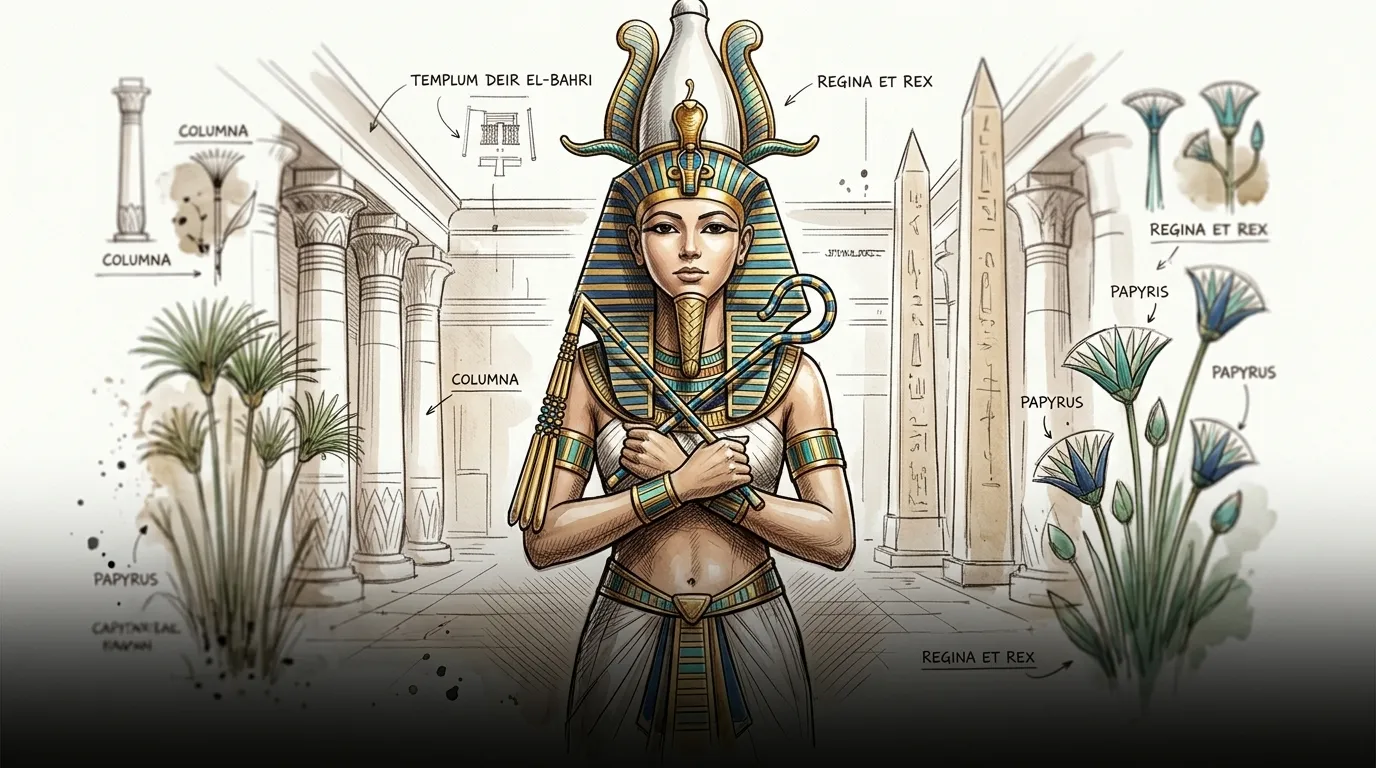
Page 1
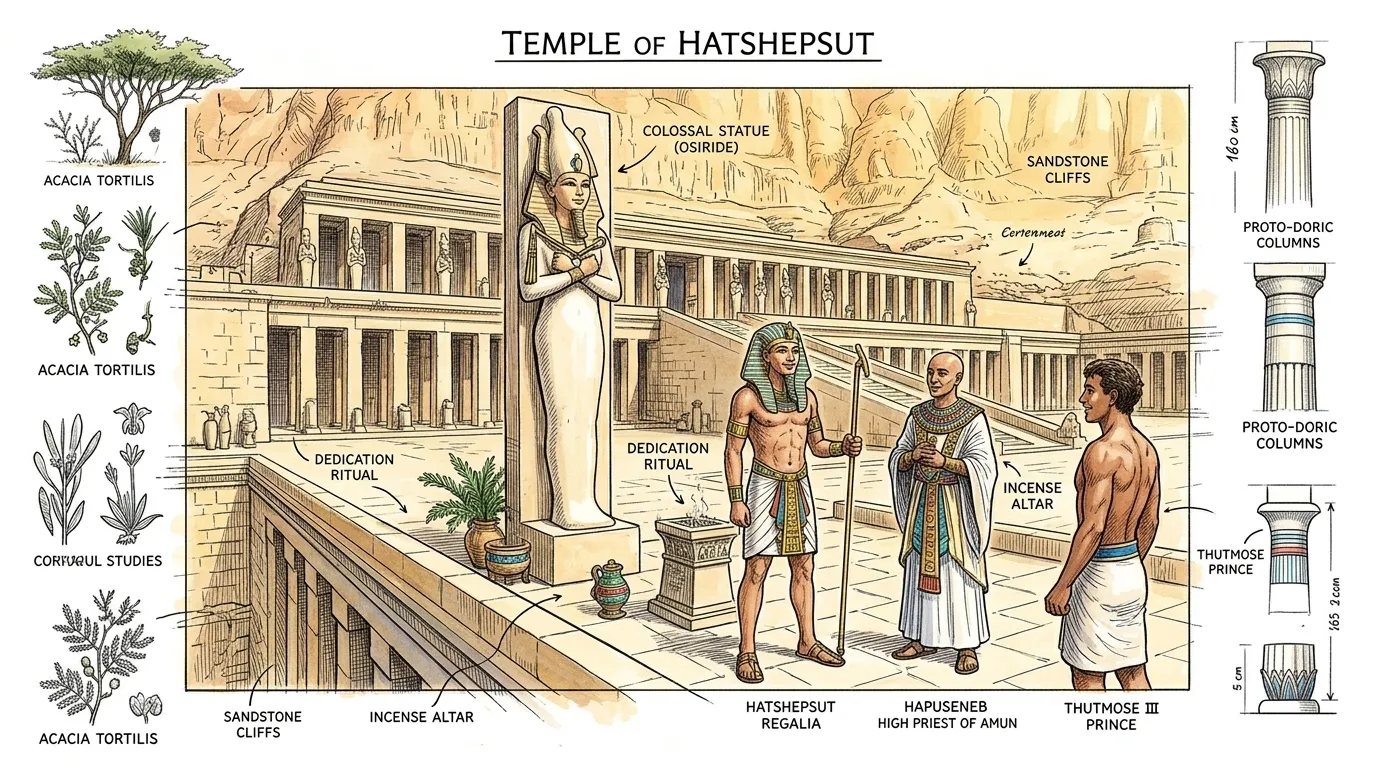
At the heart of the Valley of the Kings, during the 18th Dynasty in ancient Egypt, the Mortuary Temple of Hatshepsut at Deir el-Bahari rose, a testament to unprecedented power. In approximately 1465 BCE, Hatshepsut, crowned as Pharaoh, commanded its dedication, defying millennia of male rule. Standing before a colossal statue of herself, depicted in the traditional male pharaonic regalia, she solidified a reign that would last over two decades and reshape the contours of Egyptian political and architectural landscape. Alongside her, High Priest of Amun, Hapuseneb, oversaw the rituals, while a young Thutmose III, her co-regent, observed the formidable display of authority.
Biographical Fact: Hatshepsut's assumption of full pharaonic power marked a profound challenge to established tradition, asserting a female ruler in a position exclusively held by men for centuries.
Page 2
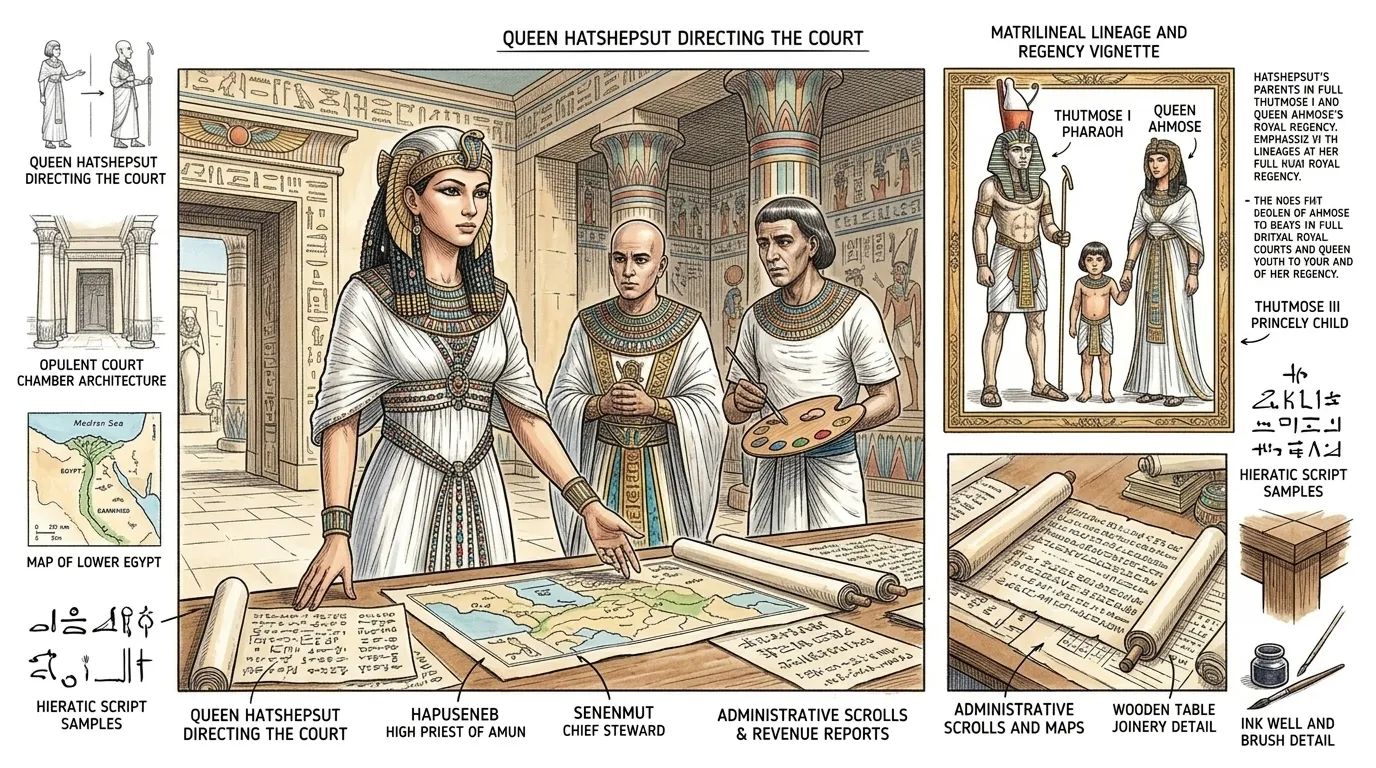
Born into the formidable 18th Dynasty as the daughter of Thutmose I and Queen Ahmose, Hatshepsut inherited a legacy of strong rulers. Upon the death of her husband, Thutmose II, she became regent for her stepson, the young Thutmose III, who was merely a child. This position, typically a temporary stewardship, provided Hatshepsut with direct access to power and the opportunity to hone her political acumen within the heart of Thebes. Her early years were spent navigating the intricate web of court politics, preparing her for a role far exceeding traditional expectations for royal women.
Biographical Fact: As regent, Hatshepsut controlled the state apparatus, laying the groundwork for her eventual ascension to the throne itself.
Page 3
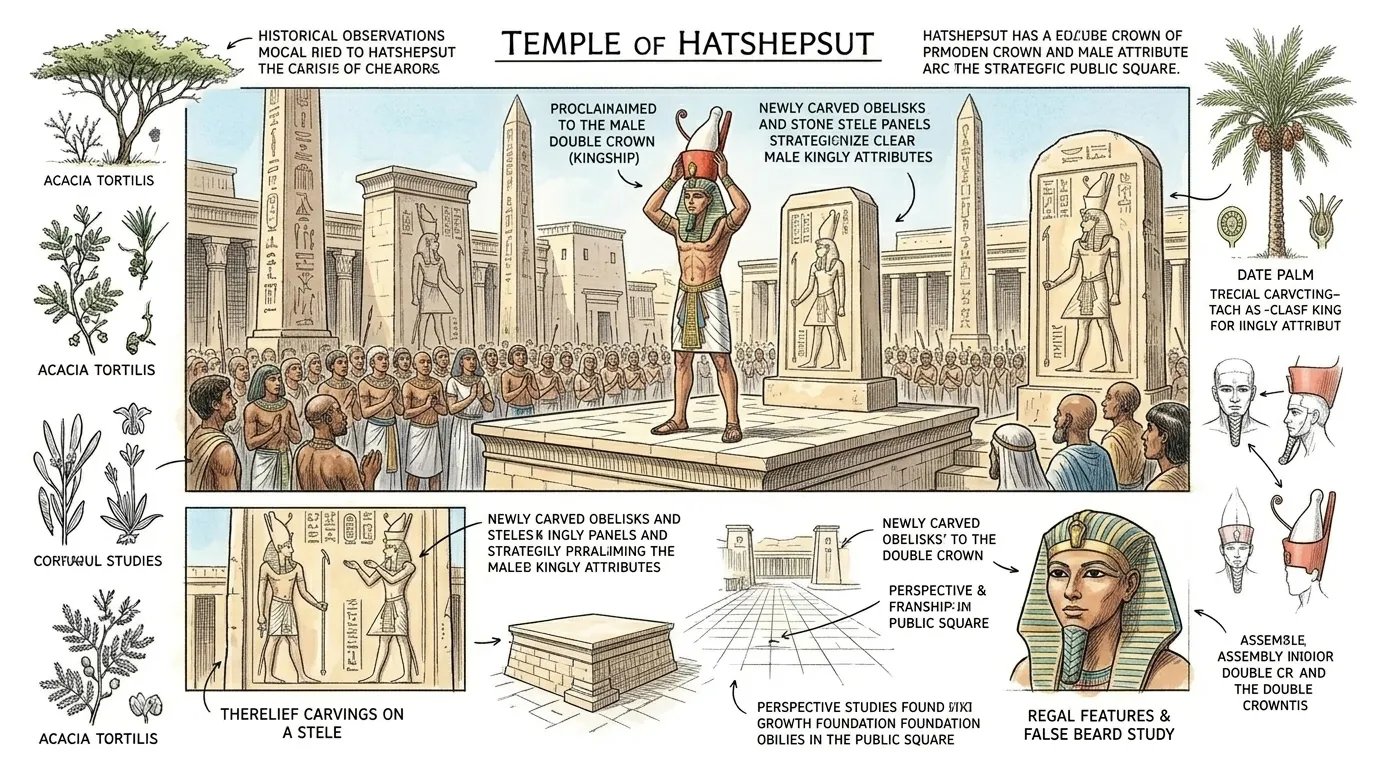
The transition from regent to pharaoh was a deliberate, unprecedented move. Rather than merely ruling on behalf of Thutmose III, Hatshepsut began adopting the full titulary and iconography of a king. Public declarations, accompanied by visual representations depicting her as a male ruler with a false beard and traditional male physique, became commonplace. This strategic shift, initiated around Year 2 of Thutmose III's reign, signaled her unequivocal claim to the Double Crown of Egypt, challenging centuries of precedent and asserting her direct rule.
Biographical Fact: Her adoption of male pharaonic iconography was a powerful political statement, designed to legitimize her unprecedented rule within a male-dominated religious and political system.
Page 4
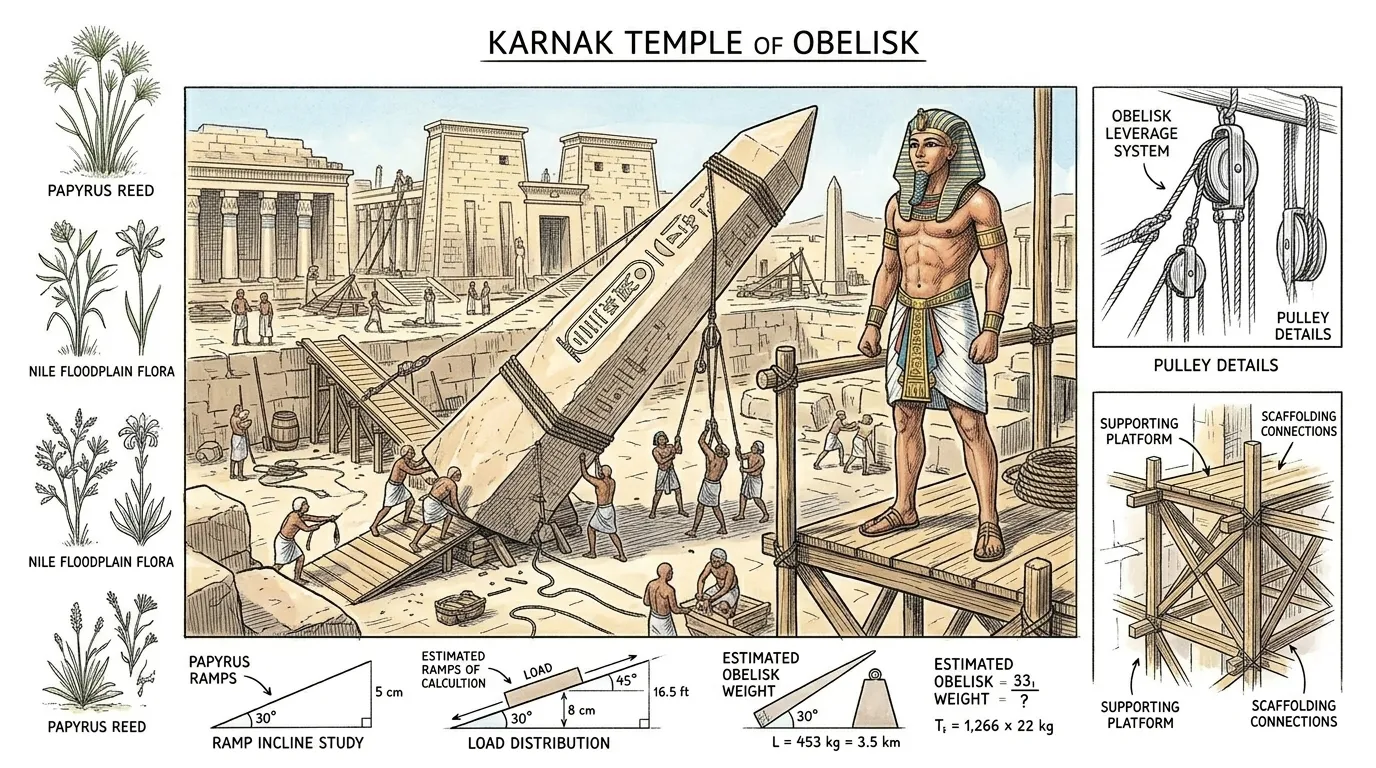
Under Hatshepsut, Egypt embarked on an ambitious program of rebuilding and monumental construction. Decades of foreign occupation and internal strife had left many temples in disrepair. Hatshepsut initiated projects across Egypt, restoring sanctuaries and raising colossal obelisks at Karnak, dedicated to the god Amun-Re. These massive undertakings not only demonstrated her piety and wealth but also served as a clear message of her firm control over the nation's resources and labor, consolidating her pharaonic authority through visible, enduring accomplishments.
Biographical Fact: Hatshepsut's building program was not merely about construction; it was a strategic investment in religious legitimacy and a public display of royal power and national prosperity.
Page 5
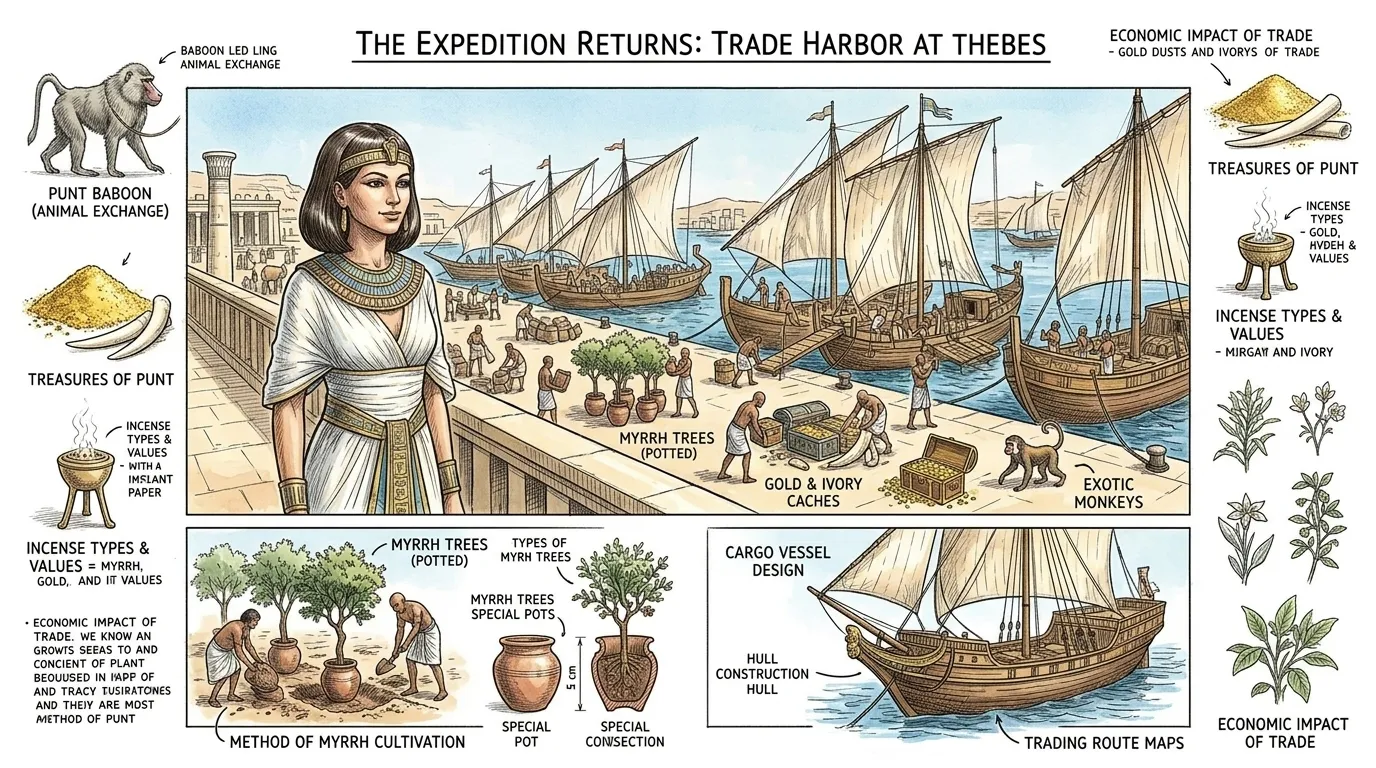
In an act of economic and diplomatic brilliance, Hatshepsut dispatched a major expedition to the Land of Punt, a distant trading partner known for its exotic goods. This ambitious voyage, documented in stunning reliefs at her Mortuary Temple, saw five ships sail down the Red Sea, returning laden with myrrh trees, frankincense, gold, ivory, and exotic animals. This venture revitalized Egypt's trade networks, brought immense wealth to the treasury, and showcased Hatshepsut's ability to project Egyptian power and influence far beyond its borders, cementing her image as a prosperous and effective ruler.
Biographical Fact: The Punt expedition was a highly successful commercial and diplomatic undertaking, reflecting Hatshepsut's innovative leadership in expanding Egypt's economic reach and prestige.
Page 6
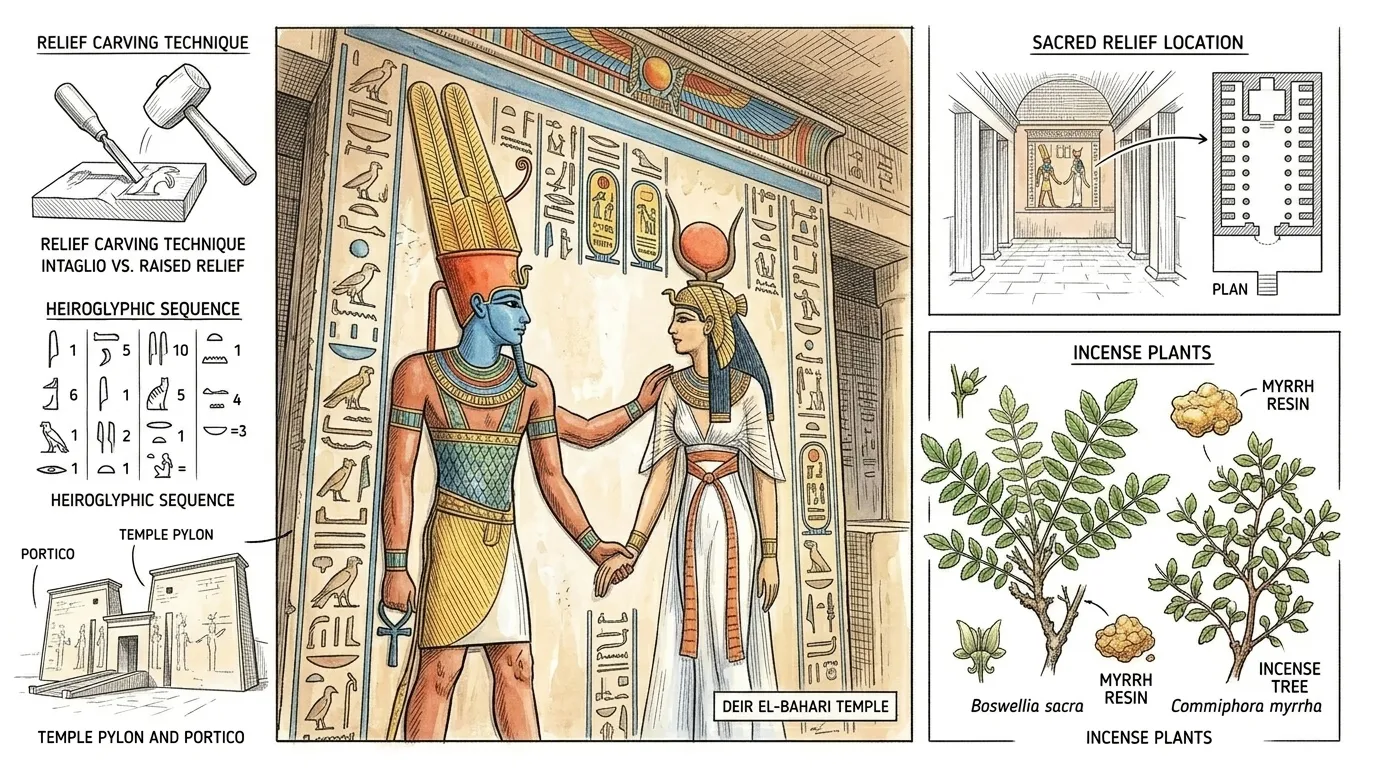
To further solidify her unprecedented rule, Hatshepsut crafted a powerful narrative of divine conception. Elaborate reliefs within her temple at Deir el-Bahari depicted the god Amun-Re himself descending to impregnate her mother, Queen Ahmose, thus making Hatshepsut the direct divine offspring of Egypt's paramount deity. This strategic propaganda elevated her legitimacy beyond mere royal lineage, portraying her rule as divinely ordained and unchallengeable. It was a masterful manipulation of religious belief to buttress her unique position as female pharaoh.
Biographical Fact: The divine birth narrative was a crucial element of Hatshepsut's political strategy, recontextualizing her rule through an ancient religious framework to secure ultimate legitimacy.
Page 7
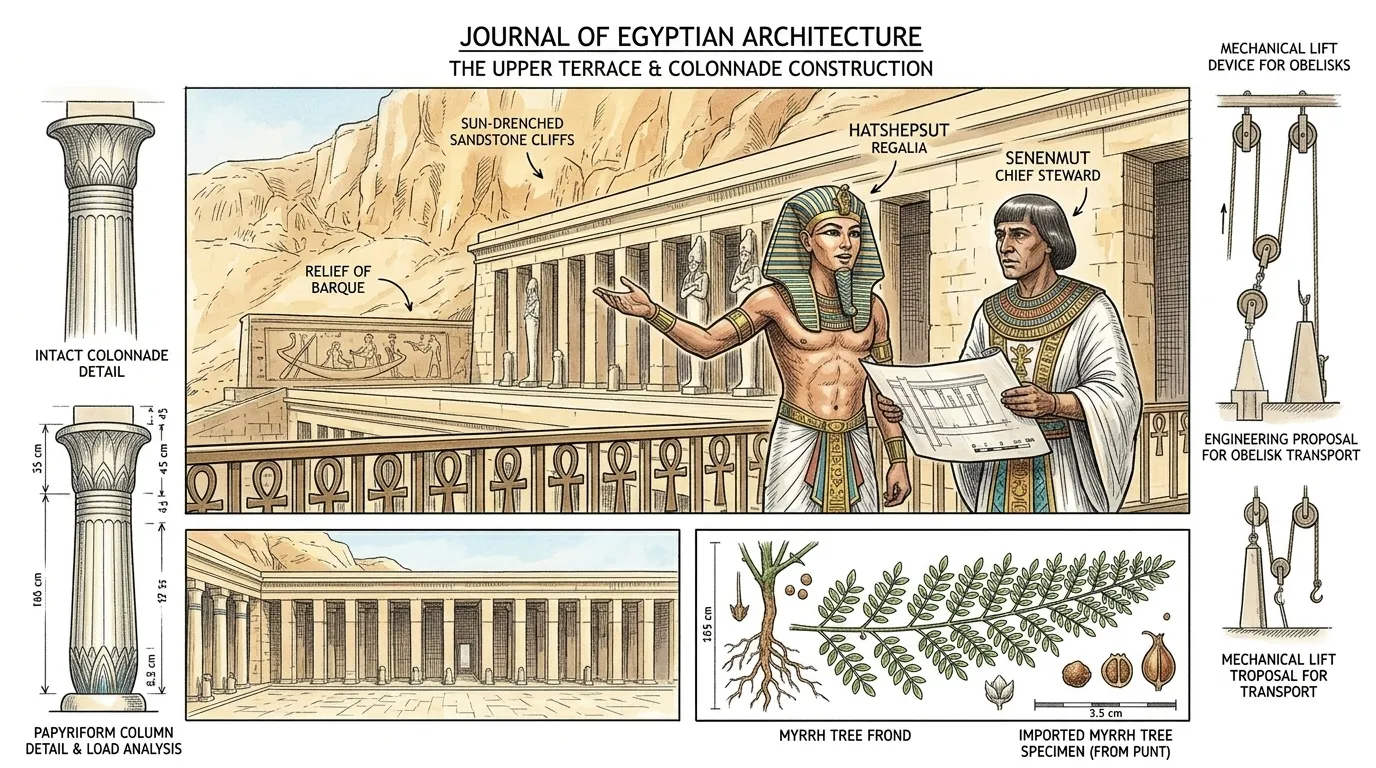
The Mortuary Temple at Deir el-Bahari stands as Hatshepsut's most enduring architectural legacy. A multi-terraced structure carved directly into the cliffs, it was unlike any other temple in Egypt. She actively directed its design and construction, with her chief steward, Senenmut, executing her grand vision. Every statue, every relief, every colonnade declared her pharaonic majesty and her devotion to Amun. This immense undertaking consumed vast resources but projected an image of stability and power that would define her reign and captivate future generations.
Biographical Fact: Deir el-Bahari was not merely a tomb; it was a grand statement of Hatshepsut's pharaonic ideology, reflecting her power, piety, and an innovative architectural aesthetic.
Page 8
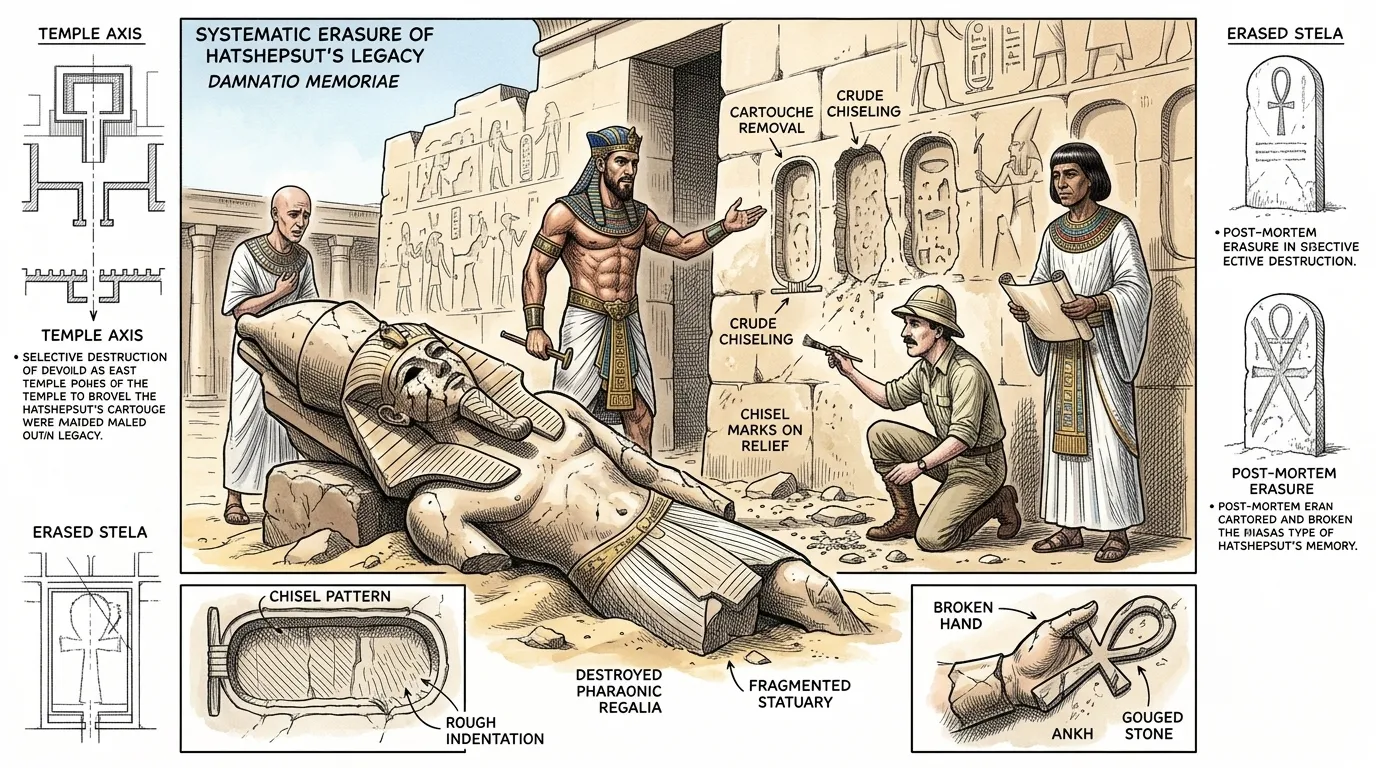
Following Hatshepsut's death, around 1458 BCE, a systematic campaign began to erase her from official history. Her images were defaced, her cartouches removed from monuments, and her statues toppled and buried. This damnatio memoriae, likely orchestrated by Thutmose III and his advisors once he was sole ruler, aimed to obliterate her legacy and reassert male succession. The sheer scale of this effort underscores the profound impact Hatshepsut had made, challenging a deeply entrenched patriarchal system that ultimately sought to reclaim its narrative by erasing hers.
Biographical Fact: The systematic erasure of Hatshepsut's name and image highlights the political anxieties her powerful female reign provoked within the traditional patriarchal structure of ancient Egypt.
Page 9
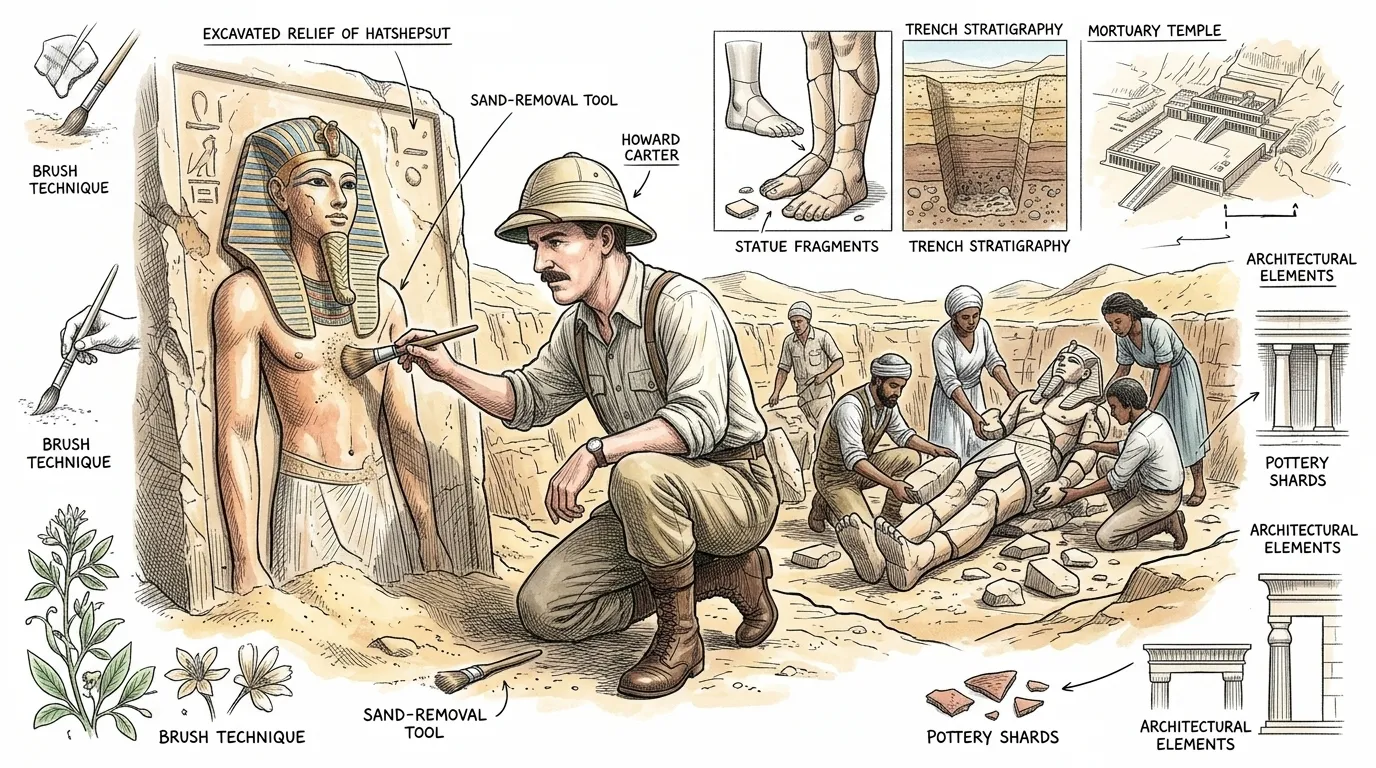
Centuries later, the desert sands yielded Hatshepsut's story. In the early 20th century, archaeologists, most notably Howard Carter and his teams, painstakingly uncovered the defaced reliefs and shattered statues within her Mortuary Temple and other sites. Piecing together fragmented inscriptions and reassembling broken monuments, they resurrected her name and the remarkable details of her reign. This meticulous work revealed a powerful female pharaoh whose existence had been deliberately suppressed, allowing history to reclaim a forgotten chapter of Egyptian leadership.
Biographical Fact: The rediscovery of Hatshepsut's monuments and inscriptions by modern archaeologists allowed for the reconstruction of her reign, reclaiming her place in history after centuries of deliberate suppression.
Page 10
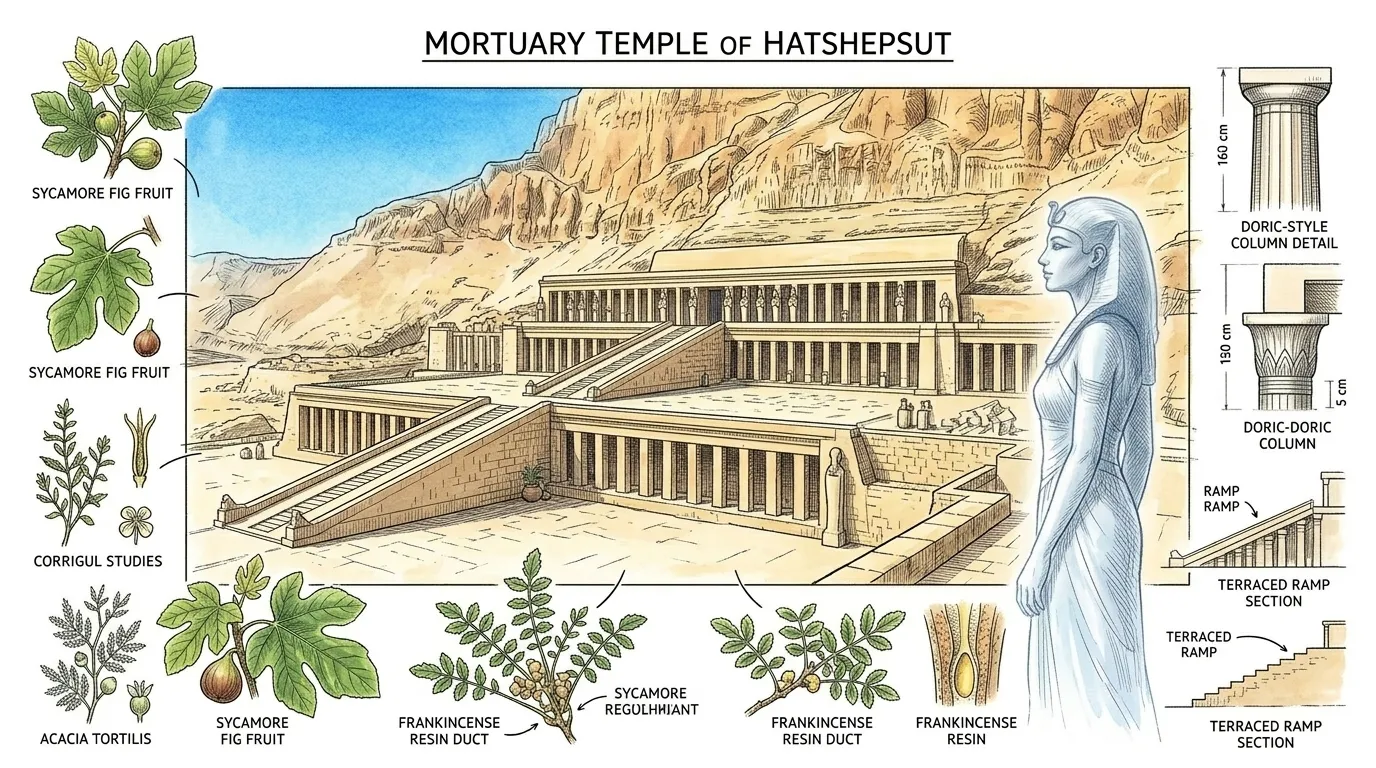
Hatshepsut's impact reverberates through time. She proved that a woman could rule Egypt with unparalleled authority, bringing an era of prosperity, monumental construction, and diplomatic expansion. Her reign challenged fundamental gender roles and demonstrated astute political maneuvering, leaving behind an architectural legacy that still inspires awe. Though her name was erased for centuries, her story now stands as a testament to transformative leadership, a symbol of breaking barriers, and a reminder that true power transcends traditional confines.
Biographical Fact: Hatshepsut's legacy is defined by her defiance of gender norms, her economic and architectural achievements, and her ultimate reclamation of a prominent place in world history.
About this story
- Location: Global
- Audience: general readers
Questions and answers
Questions and answers about Hatshepsut: The Regent Who Crowned Herself
Read Wonder People on your phone
Wonder People is available on Android. Get Wonder People on Google Play.