Henri Matisse
Henri Matisse — an illustrated biography story, set in Global. 10 illustrated pages, free to read on Wonder People.
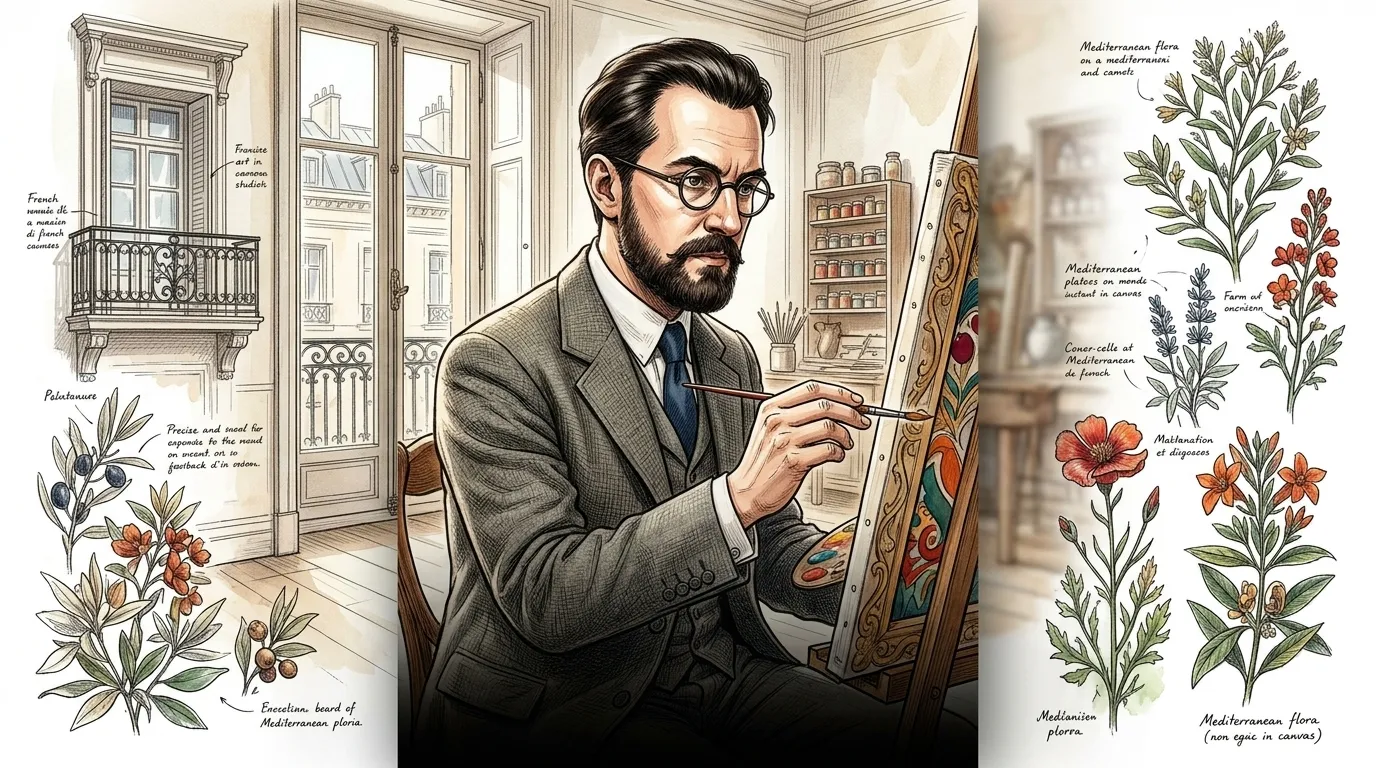
Page 1
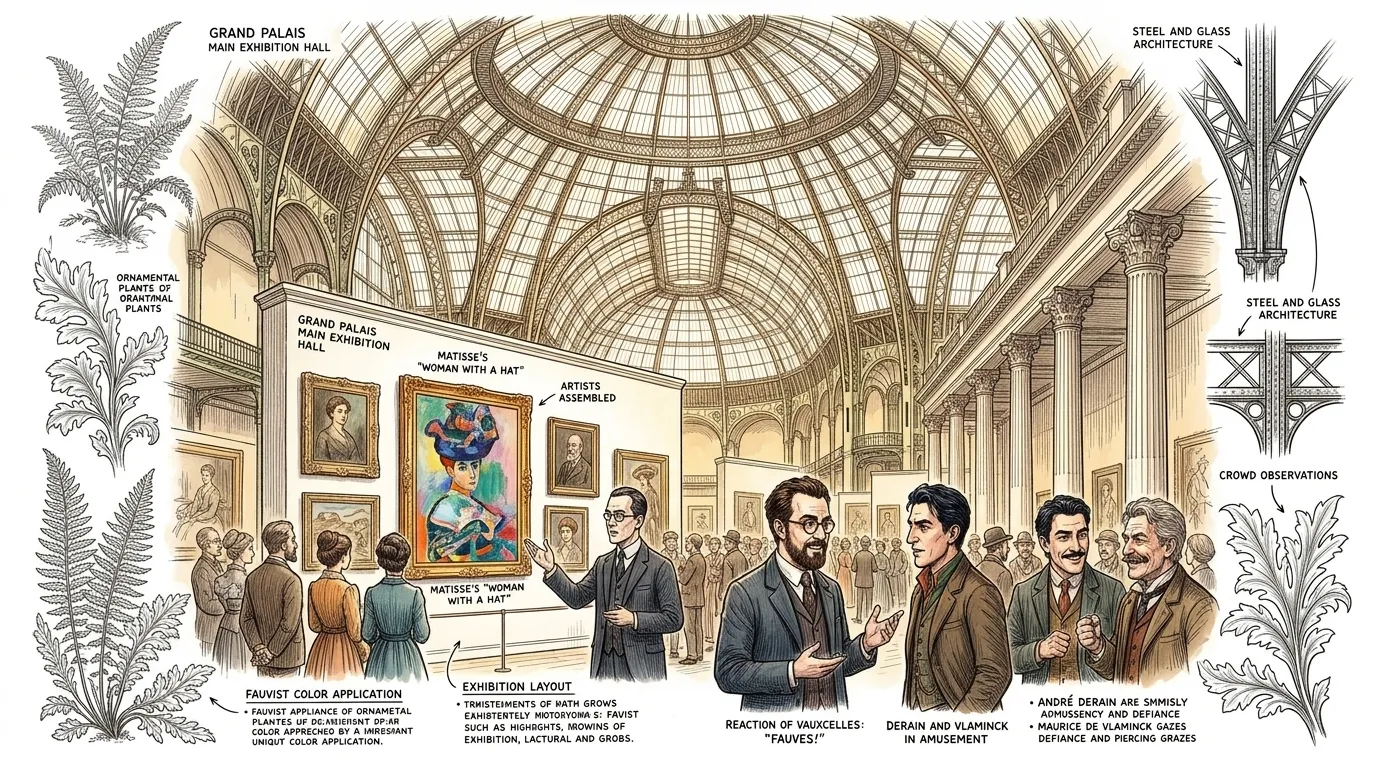
Paris, October 1905. Inside the Grand Palais, a raw, explosive energy erupted at the Salon d'Automne. Amidst a collection of radical new paintings, Henri Matisse stood at the epicenter of a storm. His canvas, 'Woman with a Hat,' rendered with audacious, non-naturalistic color, defied every convention. Critics, led by Louis Vauxcelles, recoiled, labeling Matisse and his fellow revolutionaries, including André Derain and Maurice de Vlaminck, as 'Fauves' – wild beasts. This moment, marking the birth of Fauvism, irrevocably shattered the established art world, positioning Matisse as its defiant, unavoidable leader.
Page 2
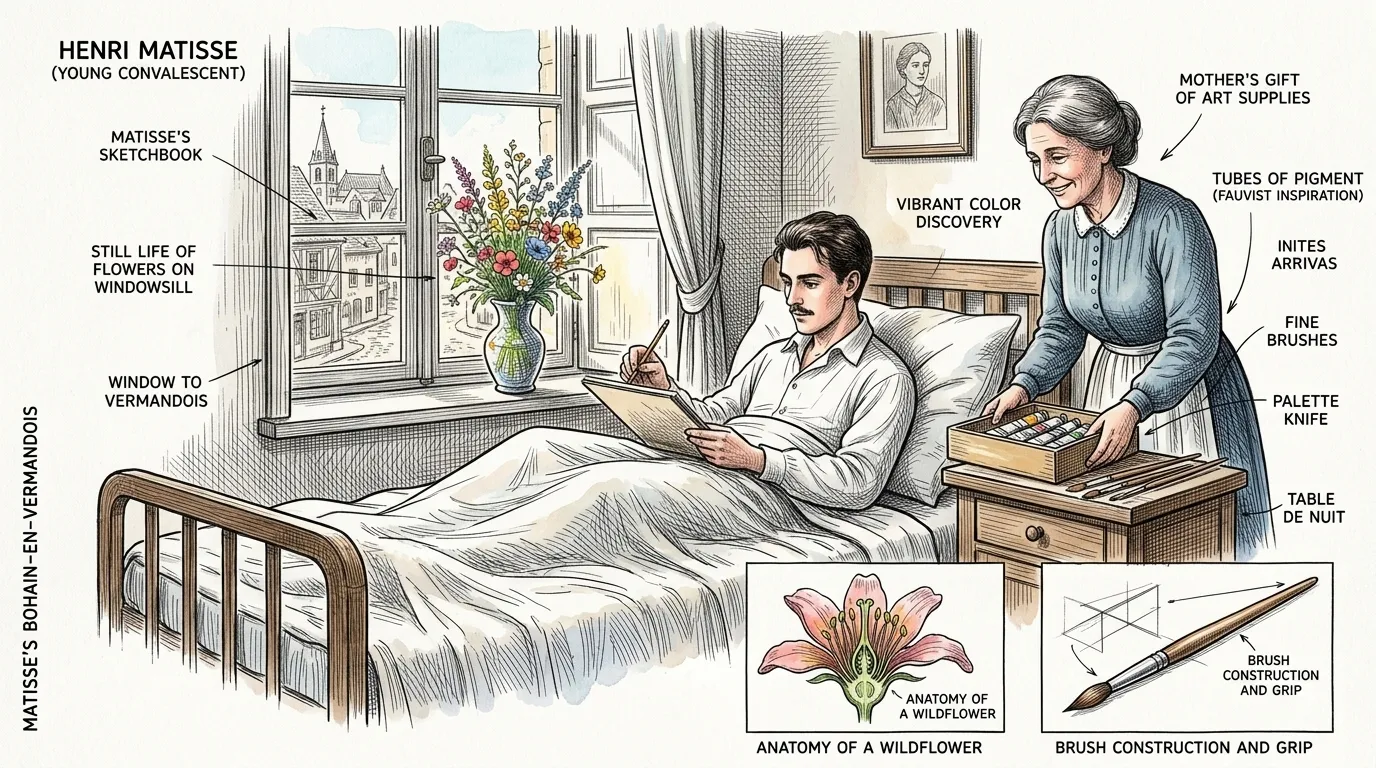
Before the Parisian uproar, Henri Matisse was trained for law in his hometown of Bohain-en-Vermandois. It was during a prolonged recovery from appendicitis in 1890 that his mother brought him painting supplies to alleviate boredom. This unexpected gift ignited a profound shift. Sketching still life from his window, Matisse felt a creative compulsion that eclipsed his legal ambitions. This quiet, solitary act transformed a reluctant lawyer into a nascent artist, setting him on a path that would soon confront the artistic establishment.
Page 3
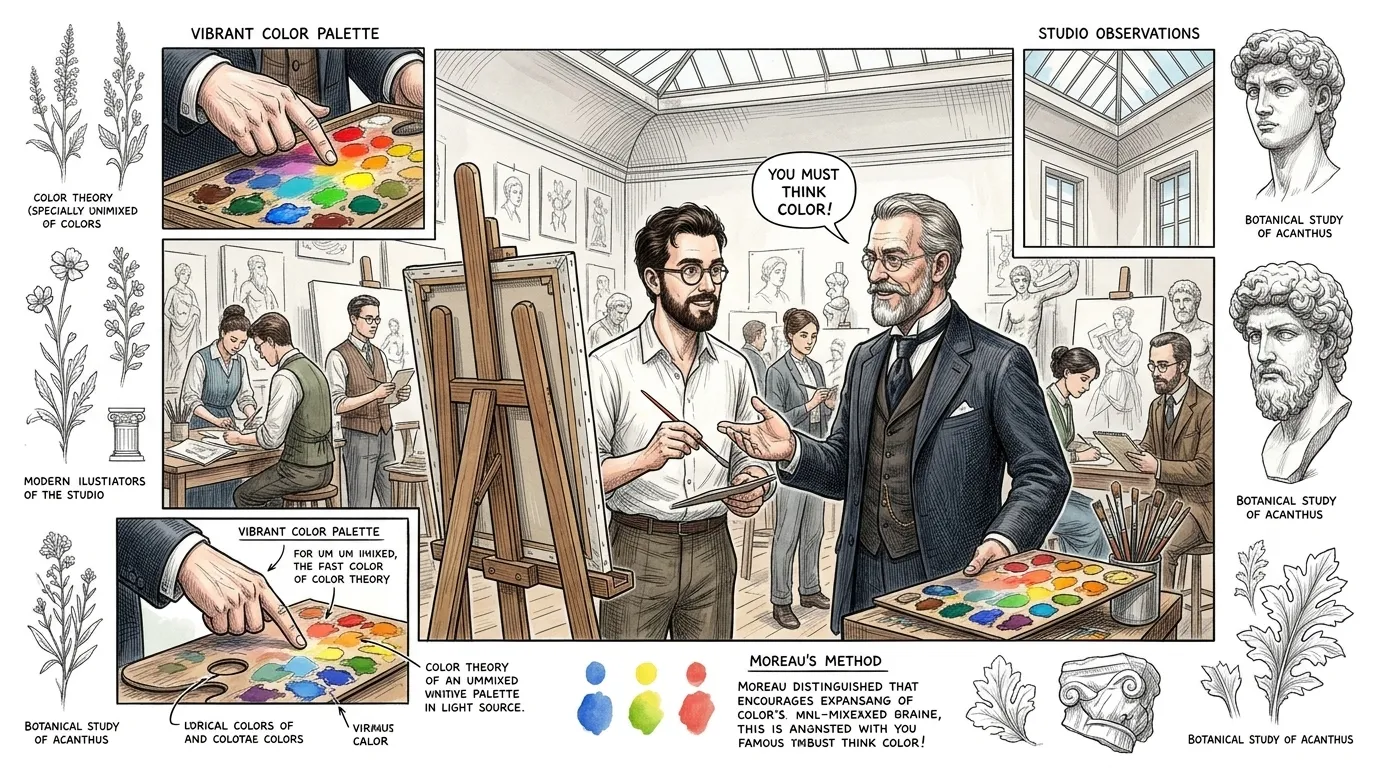
Seeking formal training, Matisse entered the École des Beaux-Arts in Paris, quickly gravitating to the studio of Gustave Moreau in 1892. Moreau, an eccentric Symbolist painter, encouraged his students to cultivate their unique sensitivities, famously telling them, 'You must think color!' This radical freedom clashed with the rigid academic traditions of the time, yet for Matisse, it was a pivotal endorsement. Moreau saw beyond technical proficiency, urging him to delve into the expressive power of color and form, planting the seeds for his future revolution.
Page 4
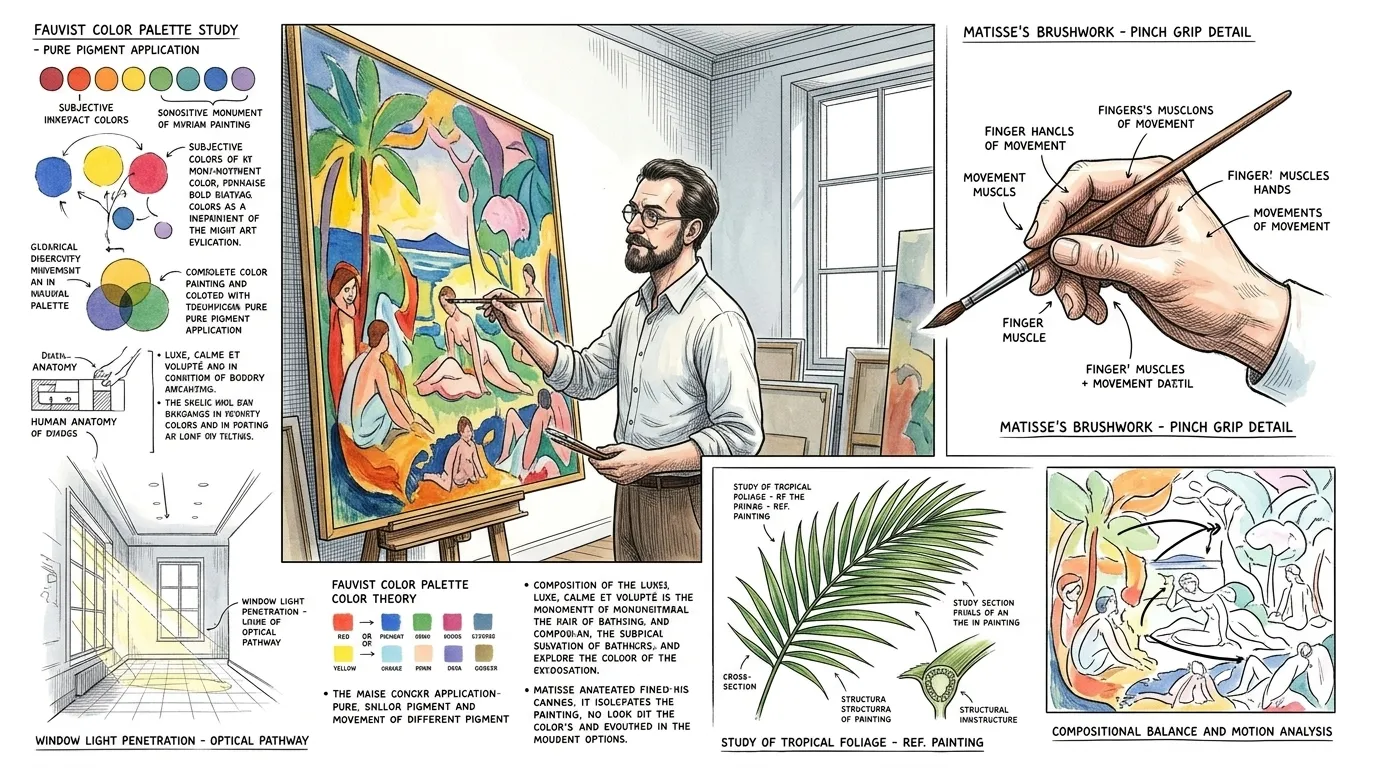
By 1904, Matisse had absorbed Impressionism and experimented with Pointillism, but yearned for something more expressive. That year, he completed 'Luxe, Calme et Volupté,' a monumental oil painting depicting reclining nudes and bathers in a Mediterranean landscape. Exhibited at the Salon des Indépendants in 1905, just months before the Fauve scandal, this work was a definitive break. Its simplified forms, flattened perspective, and bold, subjective colors declared his intention to create art divorced from mere representation, a deliberate step into a new pictorial language.
Page 5
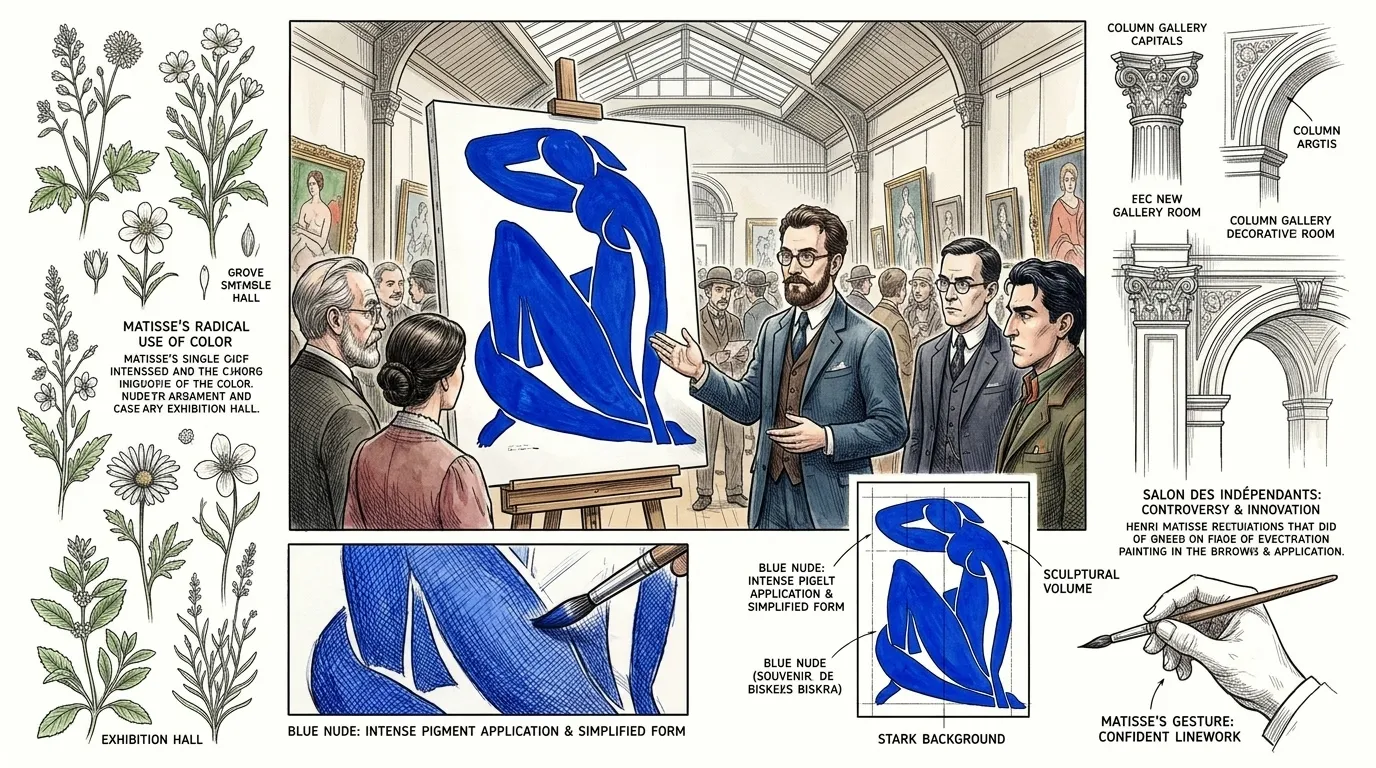
After the initial shock of the 1905 Salon, Matisse continued to push the boundaries of Fauvism, consolidating his leadership within the movement. In 1907, his 'Blue Nude (Souvenir de Biskra)' emerged as a powerful statement, exhibited at the Salon des Indépendants. This work stripped away anatomical realism, presenting a robust, almost sculptural figure defined by a single, intense blue against a stark, simplified background. It was a declaration of art's autonomy, a testament to pure color and form, solidifying Matisse's reputation as a radical innovator in the face of continued controversy.
Page 6
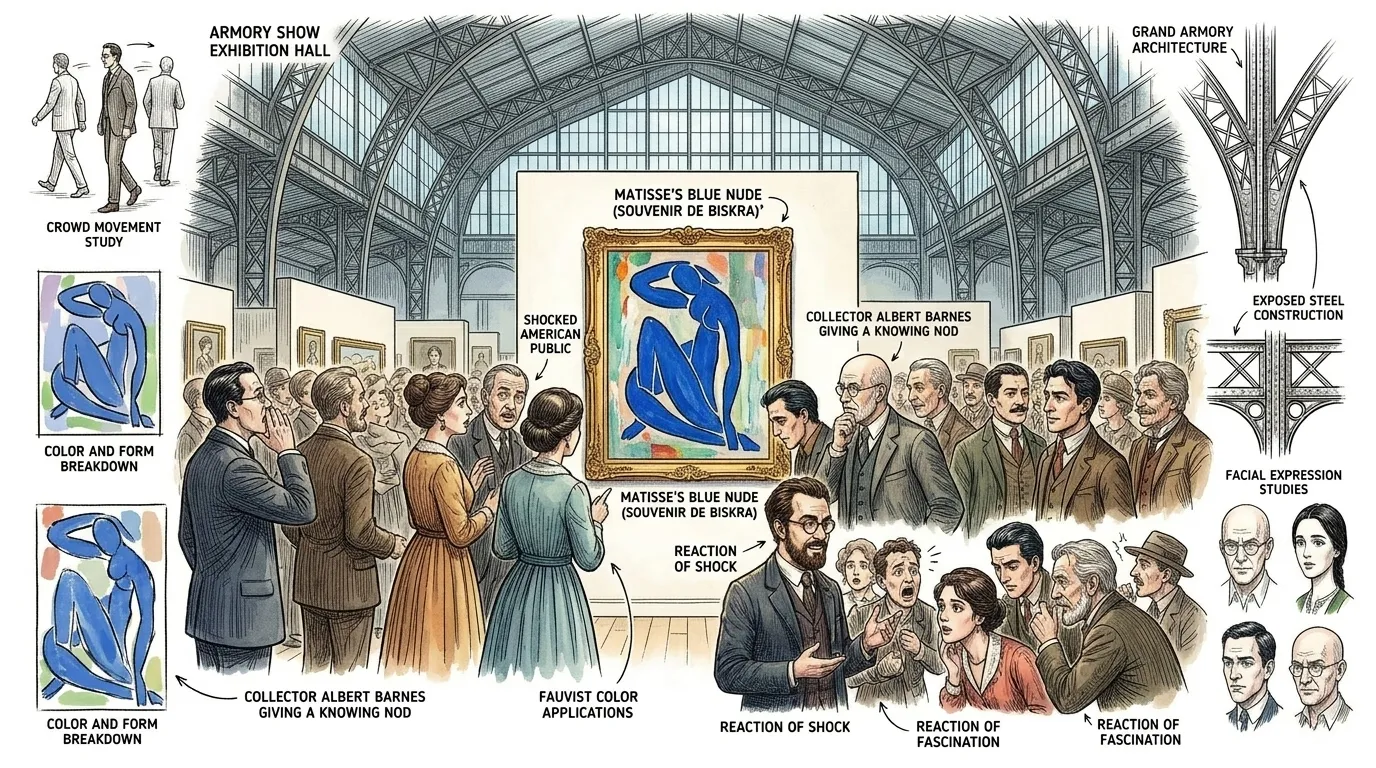
By 1913, Matisse's influence had spread far beyond Paris. The International Exhibition of Modern Art, famously known as the Armory Show, opened in New York City. Here, Matisse's work, including his provocative 'Blue Nude,' became a focal point of outrage and fascination for the American public. While some derided it, others, like the influential collectors, saw its groundbreaking power. The Armory Show catapulted Matisse onto the international stage, establishing his reputation as a formidable force in modern art and challenging American artistic sensibilities.
Page 7
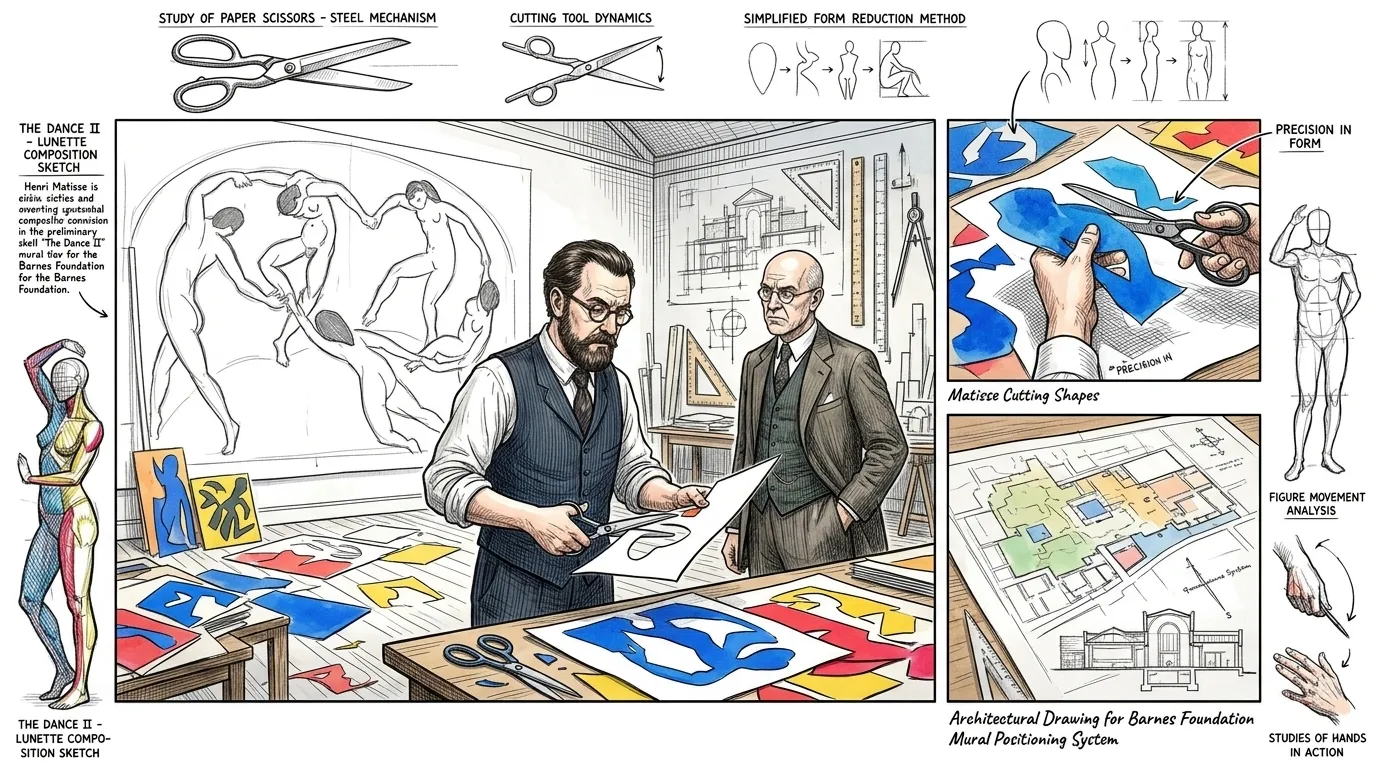
In 1930, an unprecedented challenge arrived: a commission from American collector Dr. Albert Barnes for a vast mural to fill three lunettes in the main hall of his Foundation in Merion, Pennsylvania. Matisse, now in his sixties, embraced the monumental task. He meticulously planned and executed 'The Dance II' over several years, creating a dynamic, simplified composition of dancing figures. This demanding project pushed his artistic methods, requiring precise measurement, elaborate paper cut-outs for composition studies, and an immense physical and mental commitment, ultimately resulting in one of his most ambitious public works.
Page 8
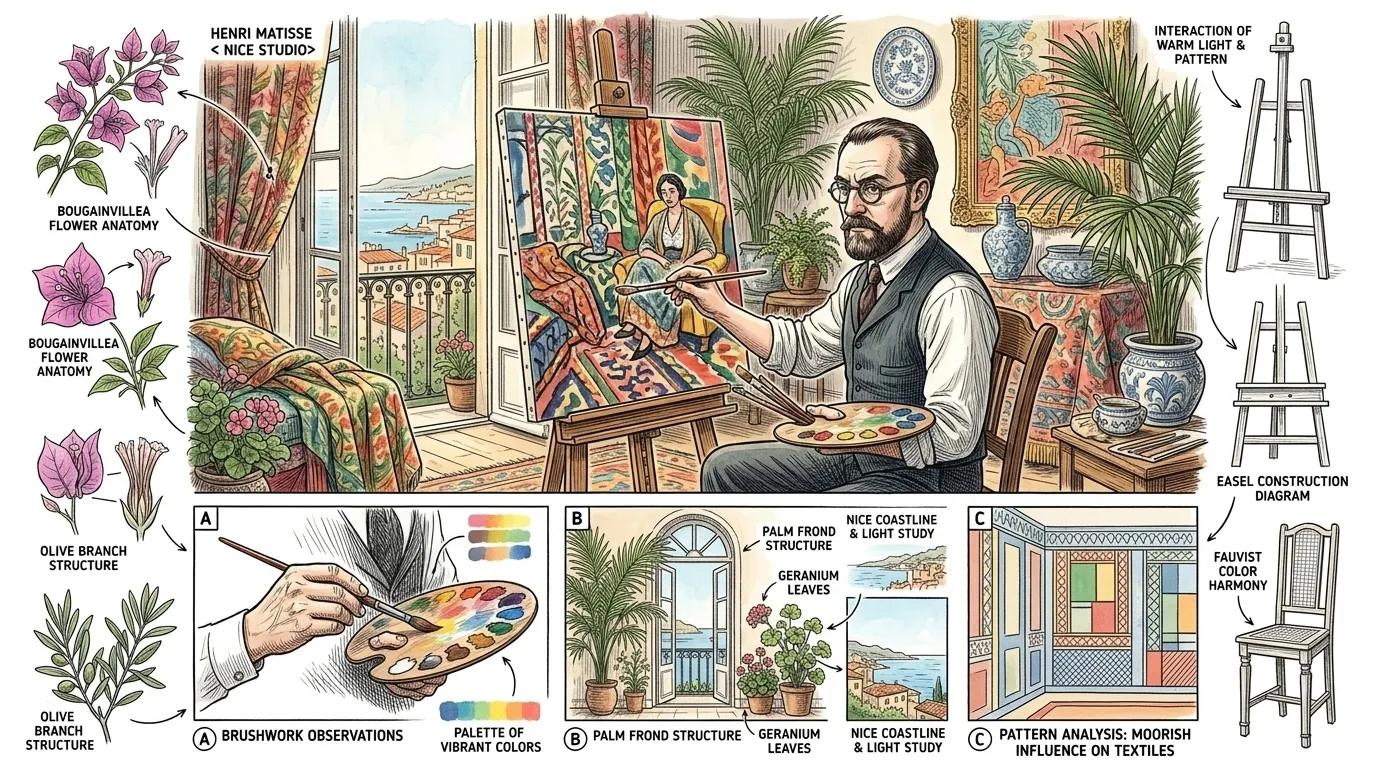
Following his commission work, Matisse settled in Nice, embarking on what critics termed his 'Nice Period' in the 1920s. His vibrant paintings of odalisques, lush interiors, and figures bathed in Mediterranean light captivated many, yet also drew criticism for their perceived return to traditional subject matter, a departure from the radicalism of Fauvism. Despite the shifting tides of critical opinion, Matisse remained resolute. He continued his relentless exploration of color, pattern, and the human form, defining his own evolution and asserting the enduring power of beauty, even as the art world debated his direction.
Page 9
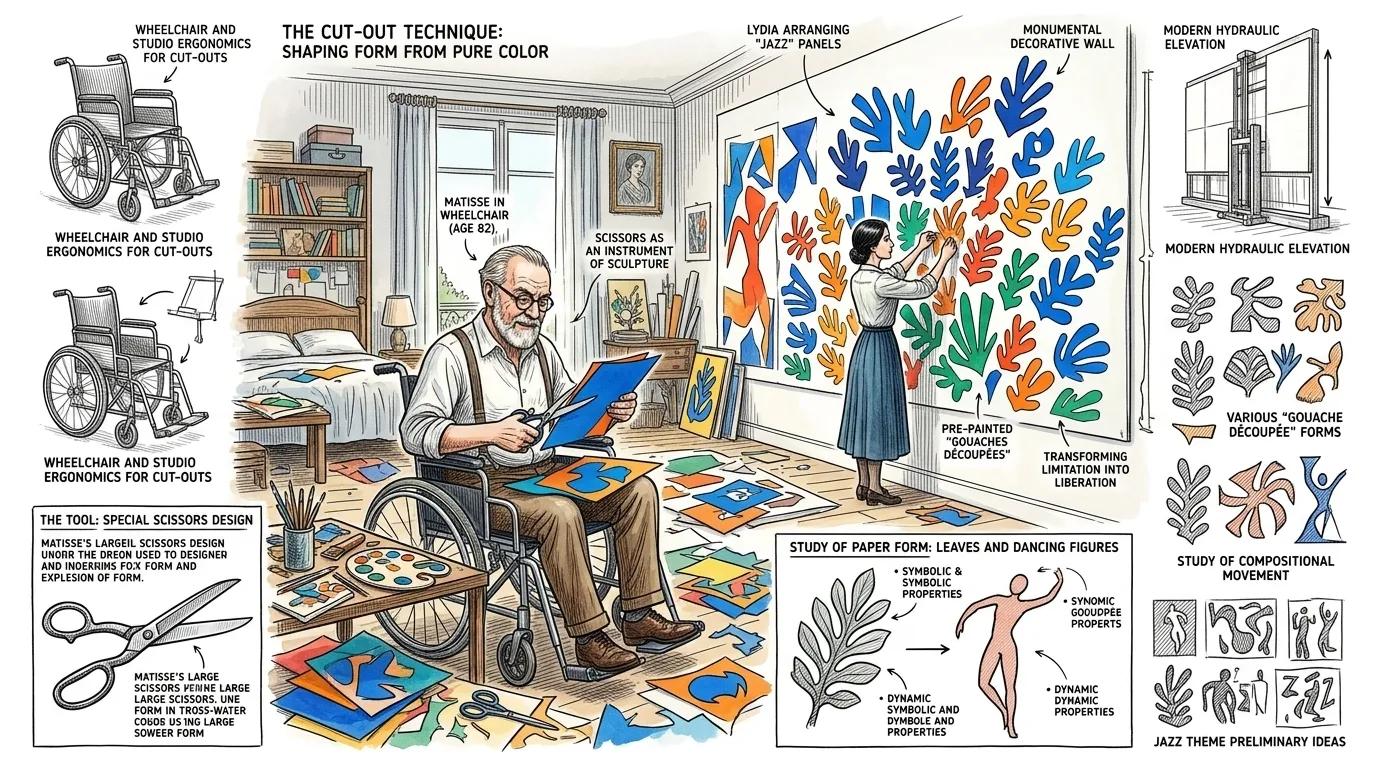
By the late 1940s, severe illness left Matisse largely confined to his bed or wheelchair, making painting increasingly difficult. Yet, his creative drive remained undiminished. He invented a revolutionary new medium: the 'cut-outs.' Using pre-painted sheets of paper, he would cut shapes with scissors, directing his assistants, most notably Lydia Delectorskaya, to arrange them into monumental compositions. This innovative technique, culminating in works like the 'Jazz' series (1947), allowed him to 'paint with scissors,' transforming physical limitation into an explosion of pure color and form, a final, vibrant chapter in his relentless pursuit of artistic expression.
Page 10
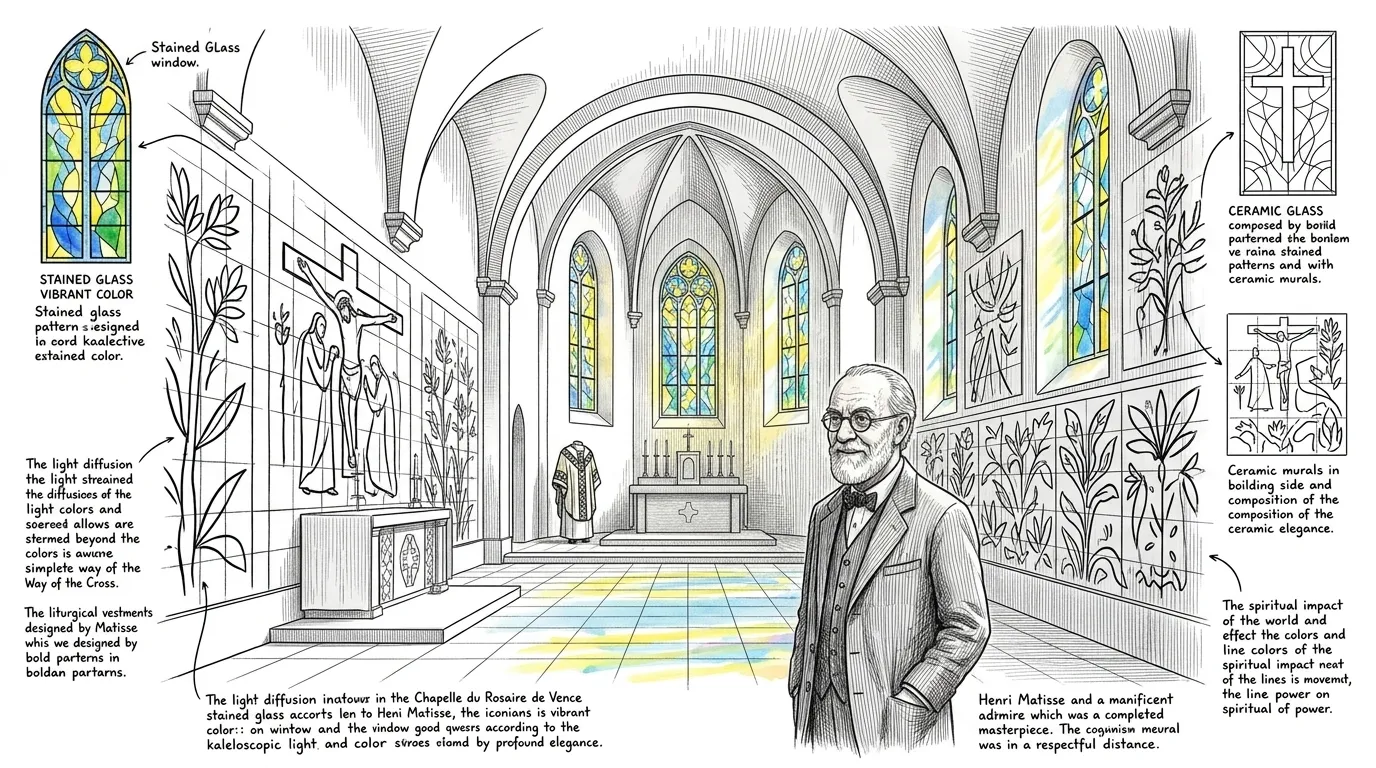
Henri Matisse's final, monumental project, completed in 1951 at the age of 81, was the Chapelle du Rosaire de Vence. This chapel, a 'total work of art,' integrated his stained-glass windows, ceramic murals, and liturgical vestments into a single, cohesive statement. It was a synthesis of his entire artistic journey: a symphony of color, line, and light designed to uplift the human spirit. The chapel stands as an enduring testament to his belief in the profound spiritual power of art, a vibrant, optimistic legacy that continues to resonate, forever changing how the world perceives color and form.
About this story
- Location: Global
- Audience: general readers
Questions and answers
Read Wonder People on your phone
Wonder People is available on Android. Get Wonder People on Google Play.