James Baldwin
James Baldwin — an illustrated biography story, set in Global. 10 illustrated pages, free to read on Wonder People.
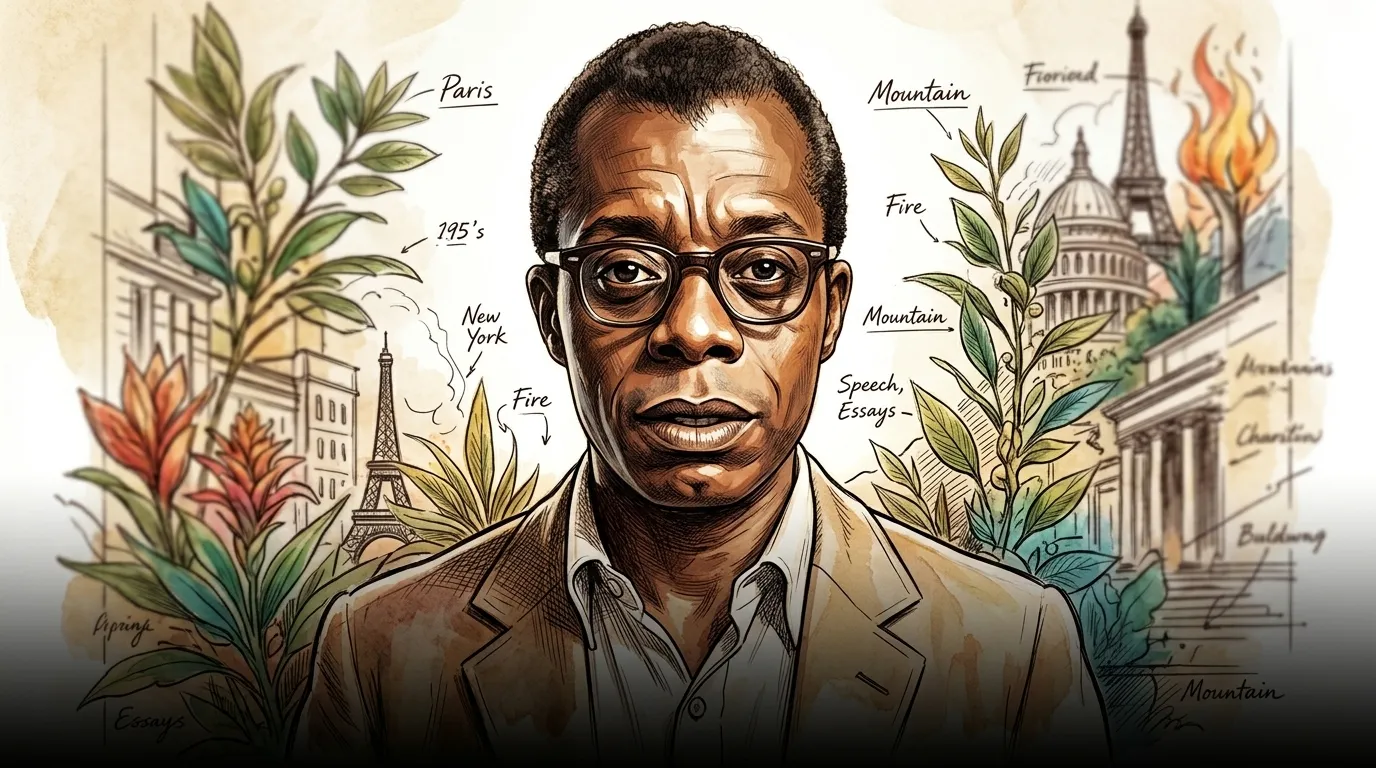
Page 1
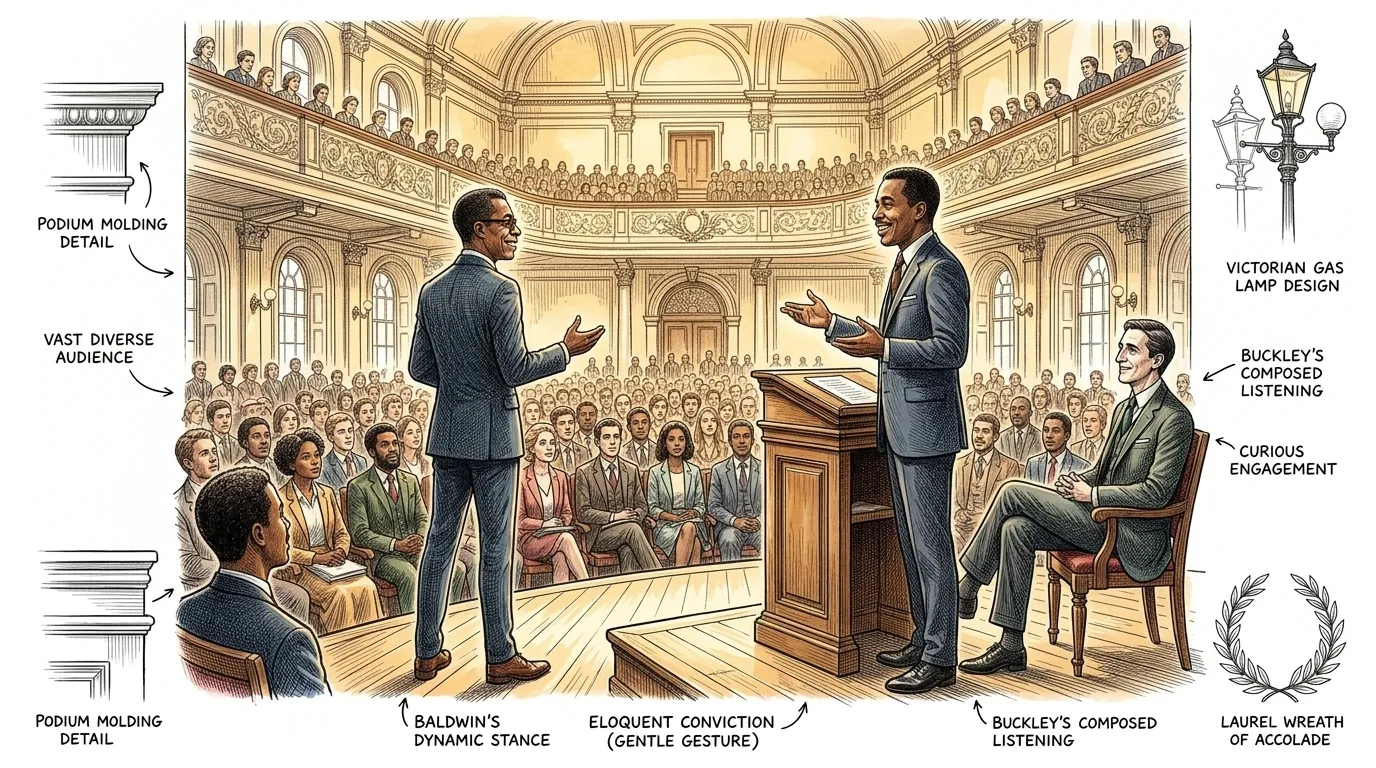
In February 1965, on the hallowed stage of the Cambridge Union Society in England, James Baldwin confronted the entrenched myth of American exceptionalism. He stood before a packed hall of over 700 students and dignitaries, his voice resonant with controlled fury, delivering a devastating indictment of racial injustice. Opposite him, William F. Buckley Jr., the leading conservative intellectual, offered a defense of American ideals. Baldwin's assertion, "The American Dream is at the expense of the American Negro," shattered illusions and forced a reckoning. When the vote was cast, Baldwin's motion passed decisively, 544 to 164, a profound victory that resonated globally and cemented his status as an indispensable voice of his generation. He did not merely speak; he redefined the terms of the debate.
Page 2
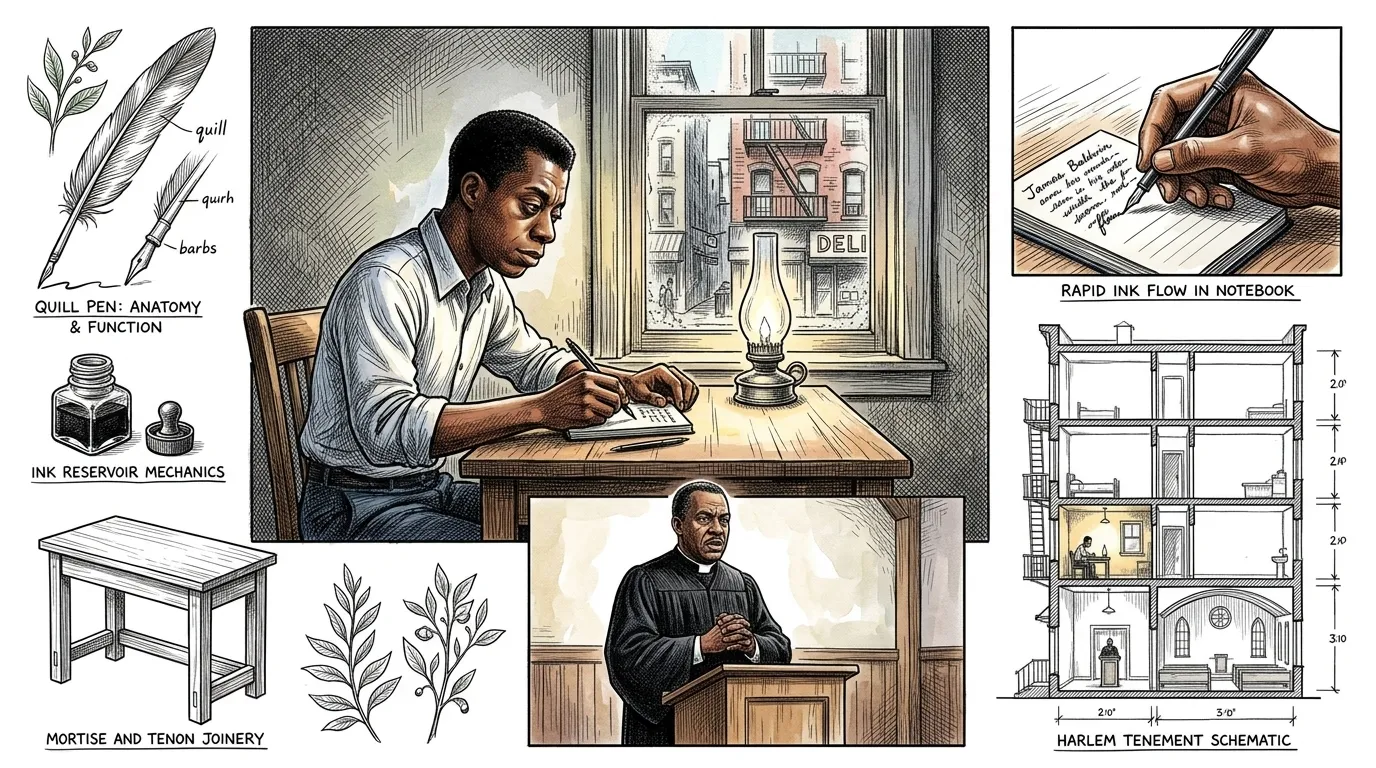
Born in Harlem, New York, in 1924, James Baldwin's early life was a crucible of poverty, religious fervor, and omnipresent racial discrimination. His stepfather, a Baptist preacher, instilled a fierce intellectual discipline and a complex, often adversarial, relationship with the church, which would become central to his literary explorations of faith and identity. Harlem itself, a vibrant yet constrained Black community, provided a vivid backdrop to his developing consciousness. He understood early that words offered a path to both escape and confrontation, a tool to articulate the unspoken realities around him, shaping his profound commitment to truth. This environment did not merely contain him; it ignited his purpose.
Page 3
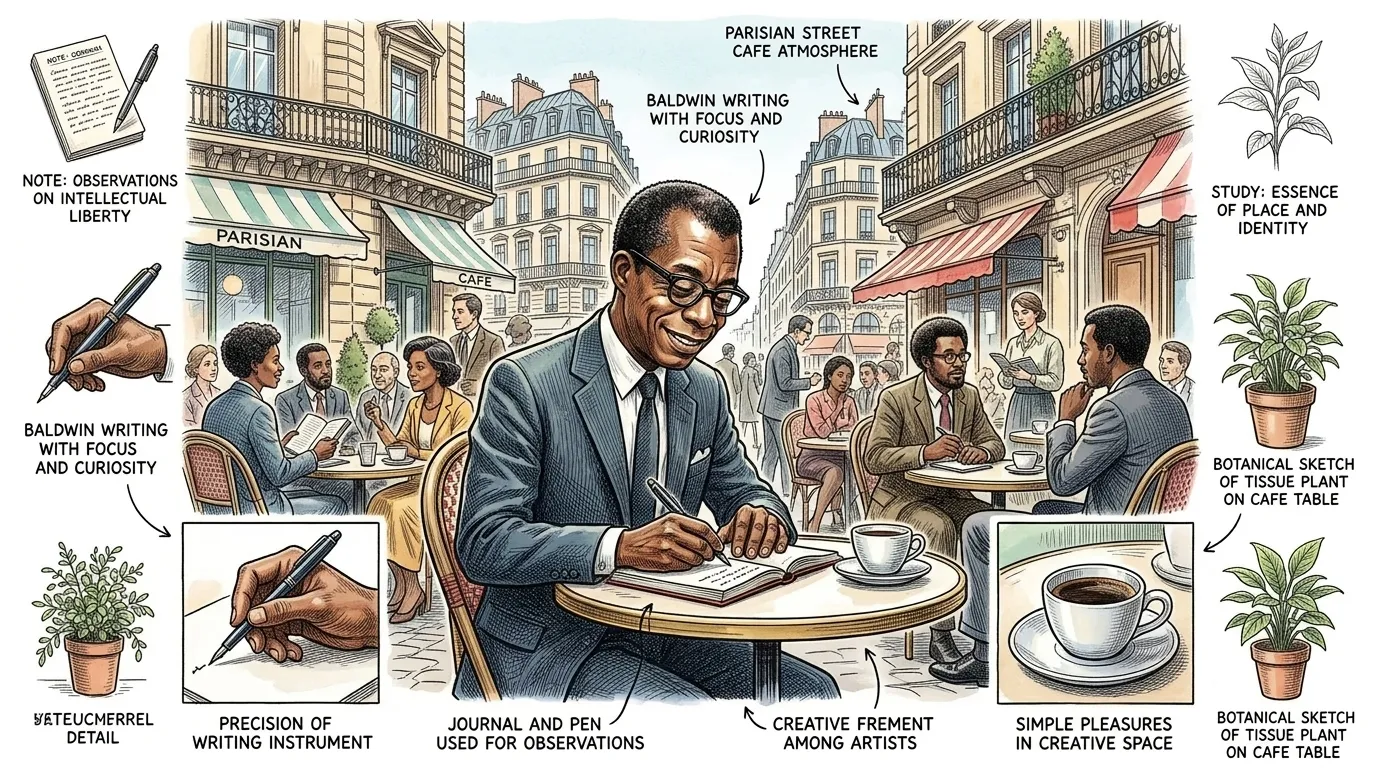
After years of grappling with his complex upbringing and the racial strictures of America, James Baldwin sought intellectual and personal freedom abroad, settling in Paris in 1948. It was there, amidst the cafes and artistic ferment, that he completed his first novel, 'Go Tell It on the Mountain.' Published in 1953, the semi-autobiographical work explored the struggles of a young man coming of age in Harlem, wrestling with religion, sexuality, and his family's legacy. Its raw honesty and lyrical prose immediately marked Baldwin as a singular literary talent, a voice unafraid to expose the intricate layers of the Black American experience.
Page 4
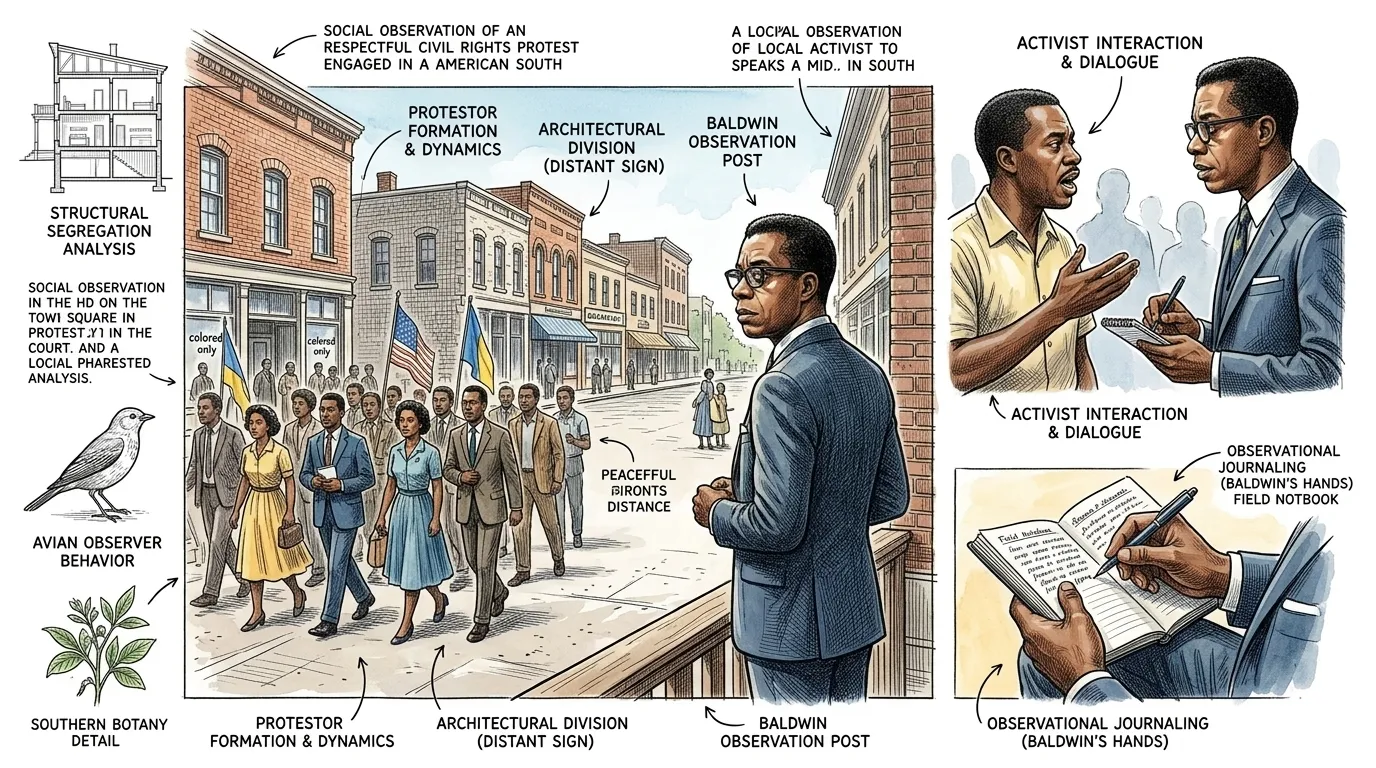
Though he found a measure of freedom in Europe, the intensifying Civil Rights Movement called James Baldwin back to America in the late 1950s. He felt an undeniable urgency to bear witness to the profound struggle unfolding across the South. In 1957, he traveled to Charlotte, North Carolina, and later to the heart of the movement in Alabama and Mississippi. He immersed himself, speaking with activists, observing protests, and confronting the brutal realities of segregation firsthand. His observations, captured in powerful essays and articles for major publications, translated the raw experience of the movement into an undeniable moral imperative for a wider audience.
Page 5

In 1955, James Baldwin published 'Notes of a Native Son,' a collection of ten essays that solidified his reputation as one of America's most incisive social critics. These essays, forged from his personal experiences in Harlem, his ambivalent relationship with his father, and his observations on racial dynamics in both America and Europe, dissected the psychological and societal costs of racism. Baldwin's prose was sharp, unflinching, and deeply personal, offering a profound exploration of identity, justice, and the American conscience. The book immediately became a cornerstone of modern American literature, challenging readers to confront uncomfortable truths about their nation and themselves.
Page 6

Baldwin's decision to live primarily in France, beginning in 1948, was not an escape from America, but rather a strategic retreat. The distance afforded him a critical perspective, allowing him to articulate the complexities of American racial and sexual identity with greater clarity and less direct oppression. Paris became his intellectual refuge, a place where he could develop his voice free from the daily humiliations of American racism, engaging with a wider global intellectual community. This exile was crucial to his development, transforming him from a troubled young writer into an articulate, unsparing observer of the human condition.
Page 7
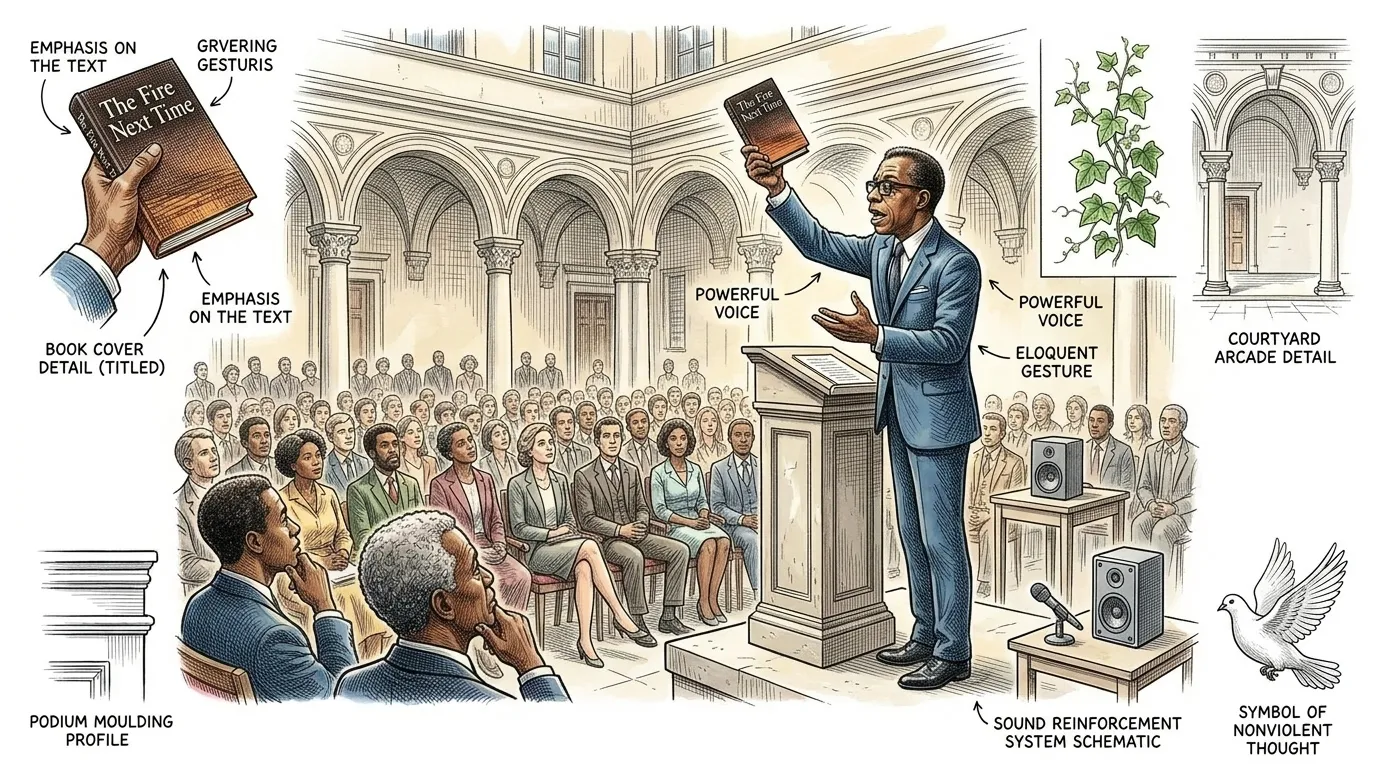
By 1963, as the Civil Rights Movement reached a fever pitch, James Baldwin released 'The Fire Next Time,' a collection of two extended essays that captured the urgency and moral crisis of the era. With unflinching candor, he articulated the rage and despair of Black Americans, warning white America of the inevitable consequences if racial justice remained elusive. The book became a national bestseller, a literary phenomenon that compelled millions to confront the realities of racism. It served as a powerful clarion call, profoundly influencing public discourse and setting the stage for Baldwin's critical public engagements, including the Cambridge Union debate.
Page 8
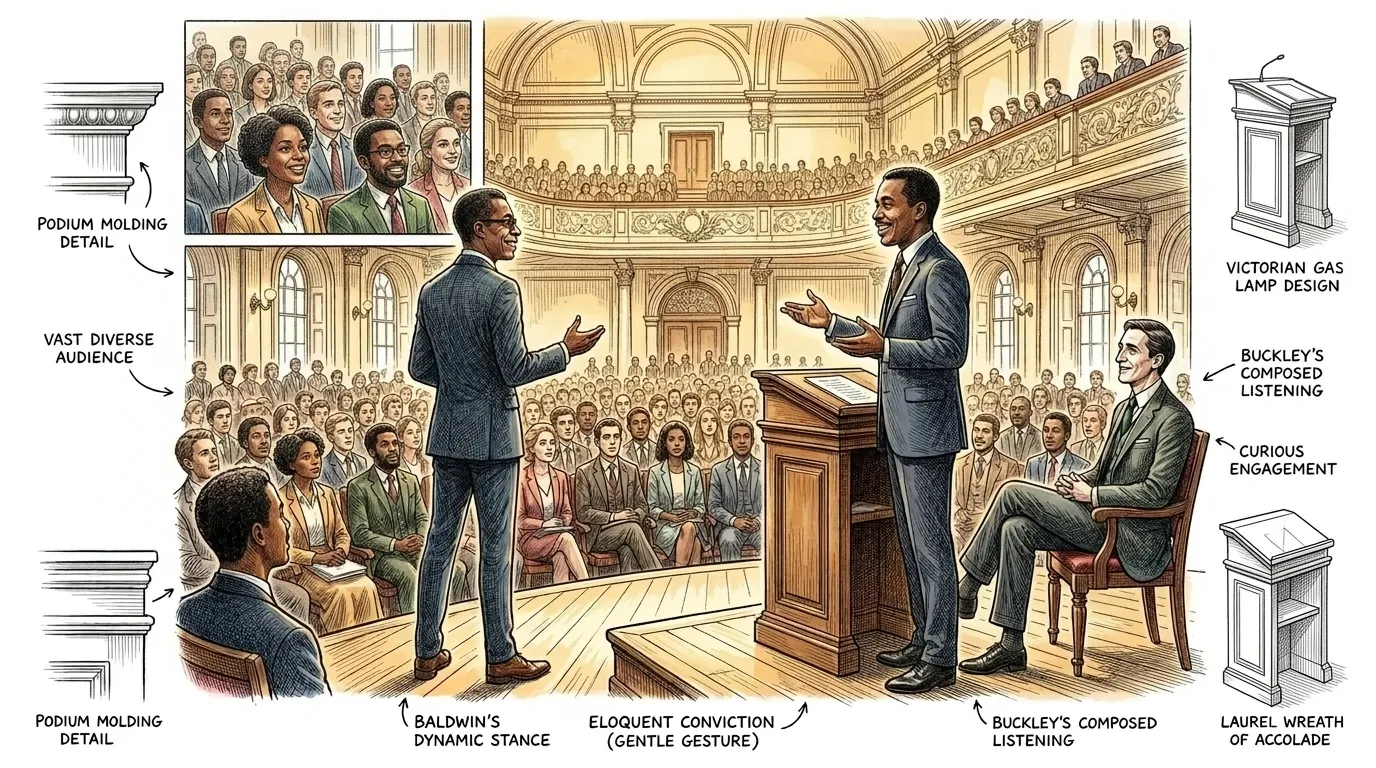
In the aftermath of the Cambridge debate and the success of 'The Fire Next Time,' James Baldwin became an unignorable moral compass for America. He traveled extensively, speaking at universities, churches, and community centers, his eloquence and fierce intellect galvanizing audiences. He moved beyond merely articulating injustice to inspiring action, his words becoming a rallying cry for activists and a profound challenge to complacent institutions. His influence extended not only to the burgeoning Civil Rights Movement but also to the broader intellectual and cultural landscape, shaping the consciousness of a generation. He transformed indignation into an insistent demand for justice.
Page 9
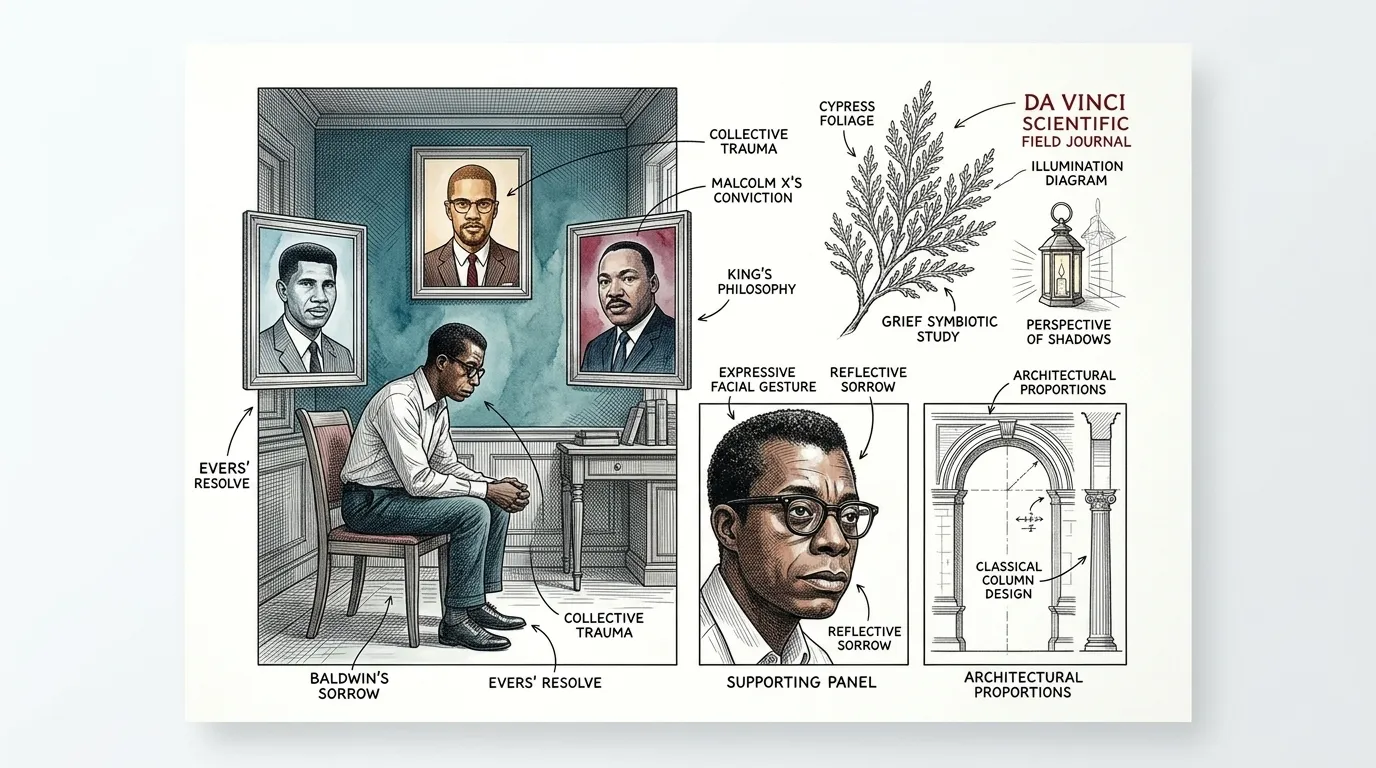
The 1960s, a decade of profound social upheaval, also brought immense personal and public grief for James Baldwin. The assassinations of Medgar Evers (1963), Malcolm X (1965), and Martin Luther King Jr. (1968), all friends and allies in the struggle, profoundly wounded him. These losses were not just personal tragedies; they represented devastating setbacks for the movement he championed. Baldwin's later work often grappled with this collective trauma, reflecting on the persistent violence embedded in the American psyche and the heavy cost of fighting for freedom. He carried the burden of these losses, transforming his sorrow into even more poignant and urgent prose.
Page 10
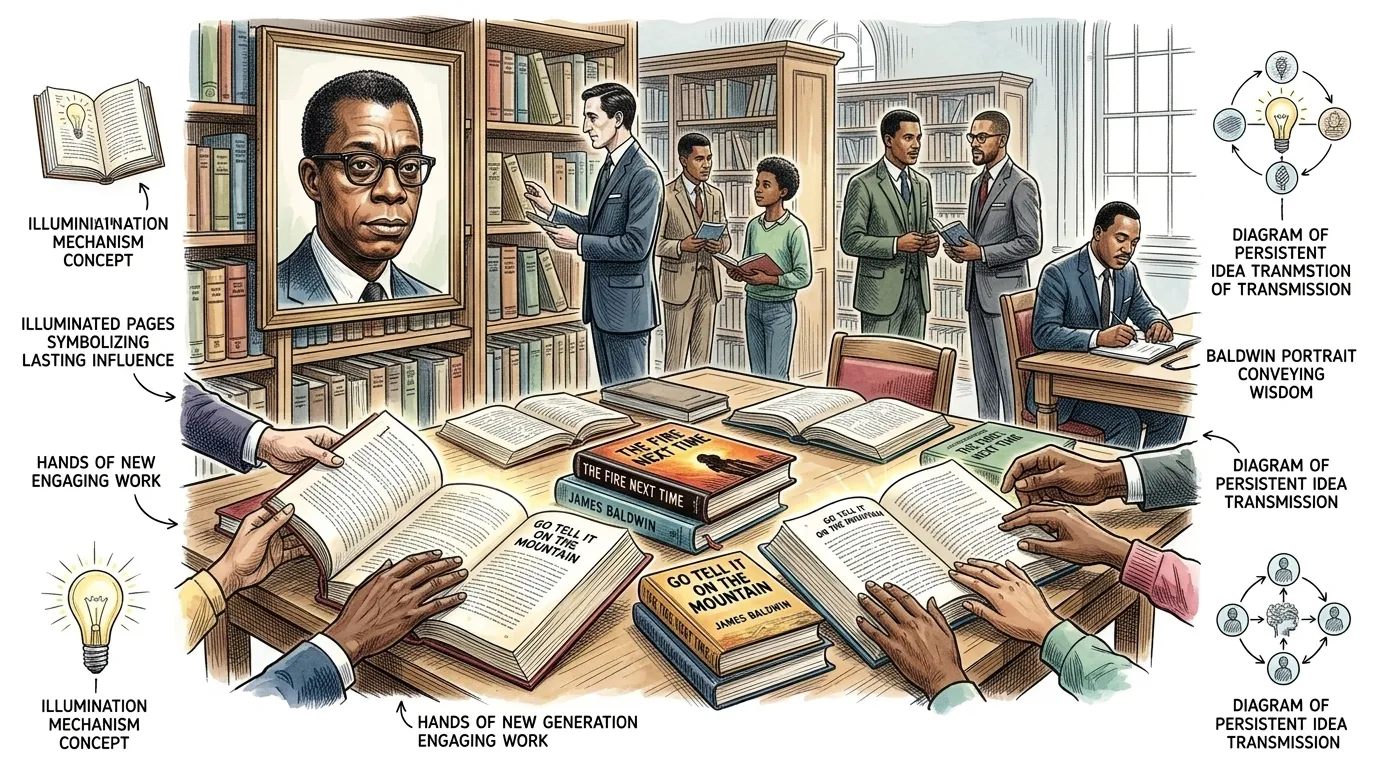
James Baldwin died in 1987, but his words continue to illuminate the complex tapestry of American identity. His essays, novels, and plays remain vital texts in the ongoing dialogue about race, sexuality, and justice. He bequeathed to the world a body of work characterized by its intellectual rigor, emotional depth, and moral courage, challenging successive generations to confront the 'lie' at the heart of the American dream and to strive for a more equitable future. Baldwin's legacy is not just in what he wrote, but in the enduring power of his challenge: to see ourselves, and our nation, with uncompromising clarity. His voice remains a resonant, necessary force.
About this story
- Location: Global
- Audience: general readers
Questions and answers
Read Wonder People on your phone
Wonder People is available on Android. Get Wonder People on Google Play.