Teddy Roosevelt
Teddy Roosevelt — an illustrated biography story, set in Global. 10 illustrated pages, free to read on Wonder People.
Page 1
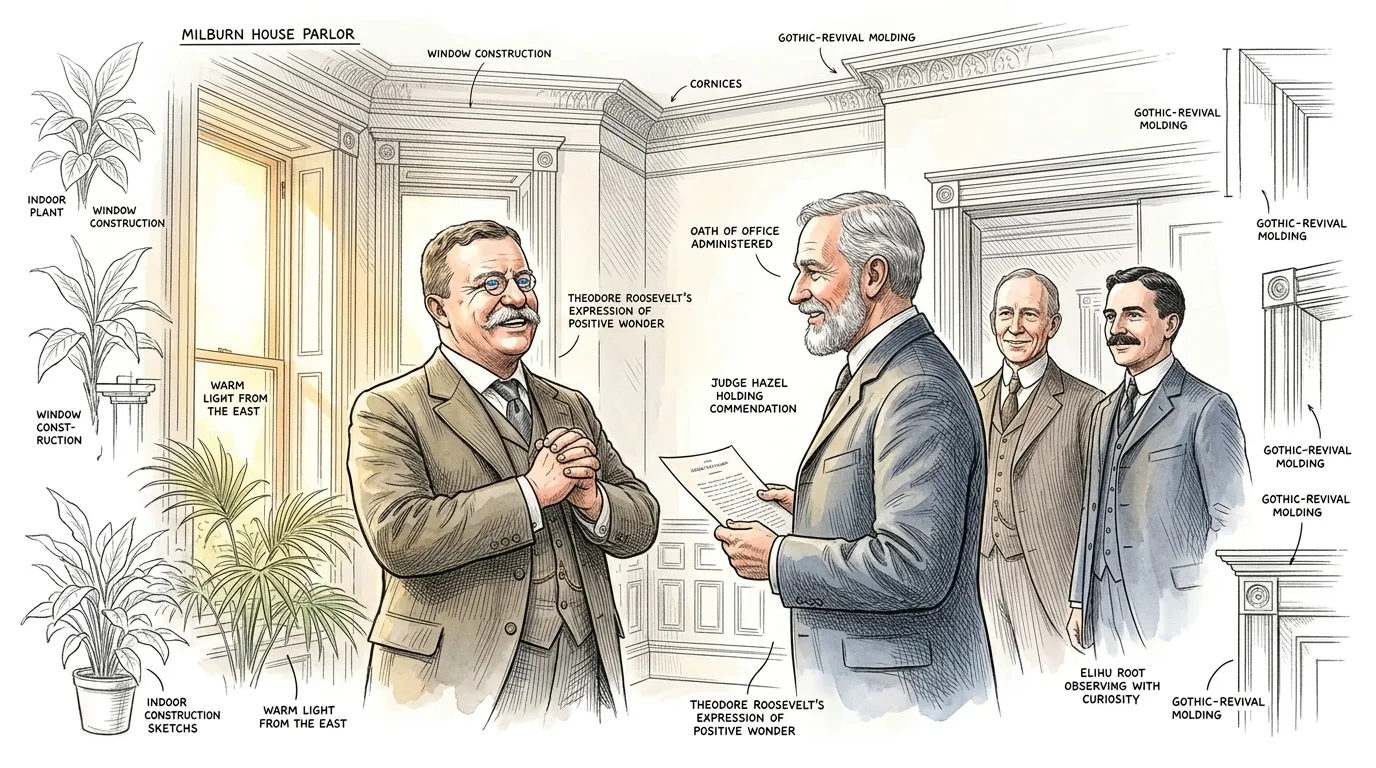
In September 1901, the nation recoiled from tragedy. At the Milburn House in Buffalo, New York, on September 14th, Theodore Roosevelt stood before Judge John R. Hazel and members of McKinley's cabinet, including Secretary of War Elihu Root and Secretary to the President George B. Cortelyou. At 42 years old, he became the youngest President in United States history, inheriting an office shattered by assassination and a populace demanding stability. This unexpected ascent marked a seismic shift in American leadership, positioning Roosevelt at the helm of a rapidly industrializing nation, his resolve immediately tested by immense national grief.
Page 2
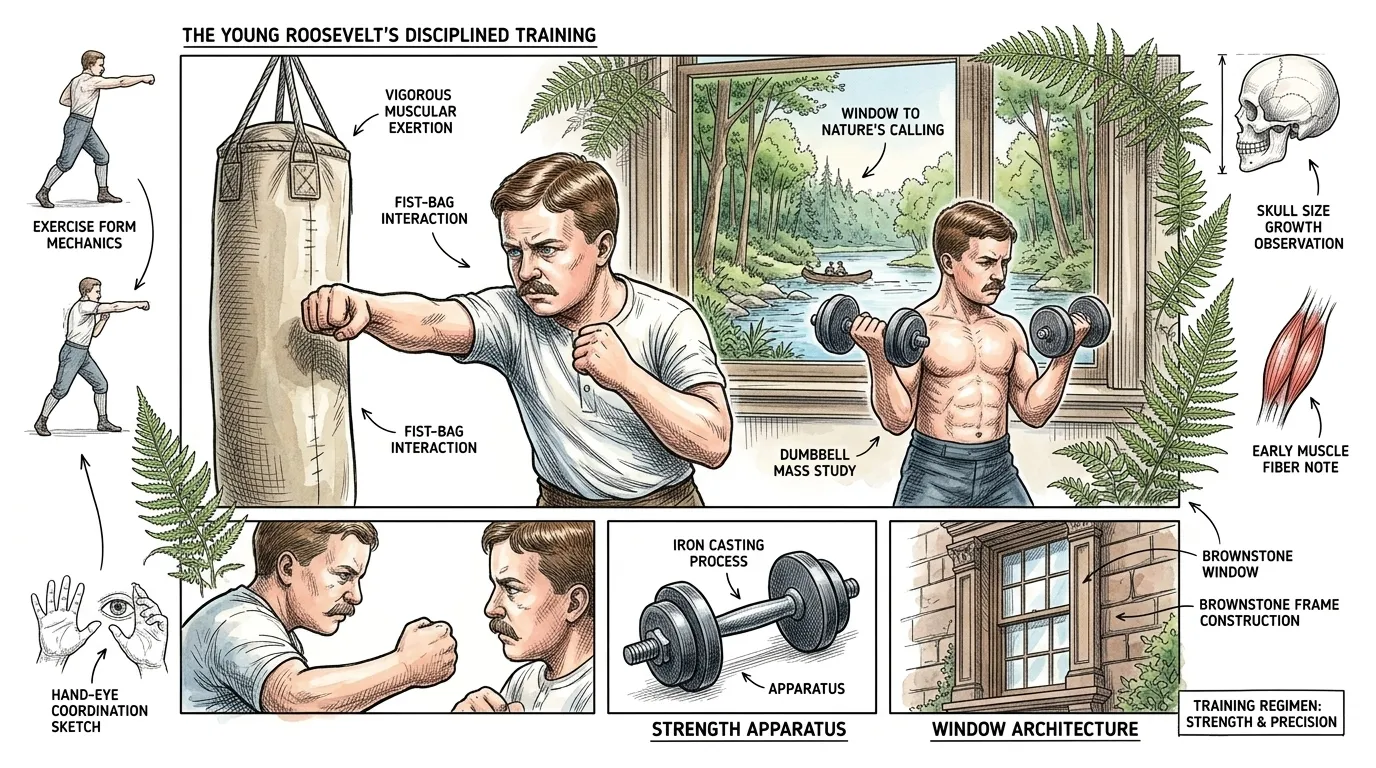
Theodore Roosevelt's early life was a battle against debilitating asthma and frailty in the genteel environment of New York City. His father, a formidable presence, instilled in him the imperative to 'make his body' through rigorous exercise. Driven by this ambition, young Roosevelt immersed himself in physical training, transforming his delicate physique through boxing, weightlifting, and outdoor expeditions. This relentless self-improvement, a direct response to his childhood vulnerability, forged a deeply ingrained philosophy of the 'strenuous life' that would define his every future action.
Page 3
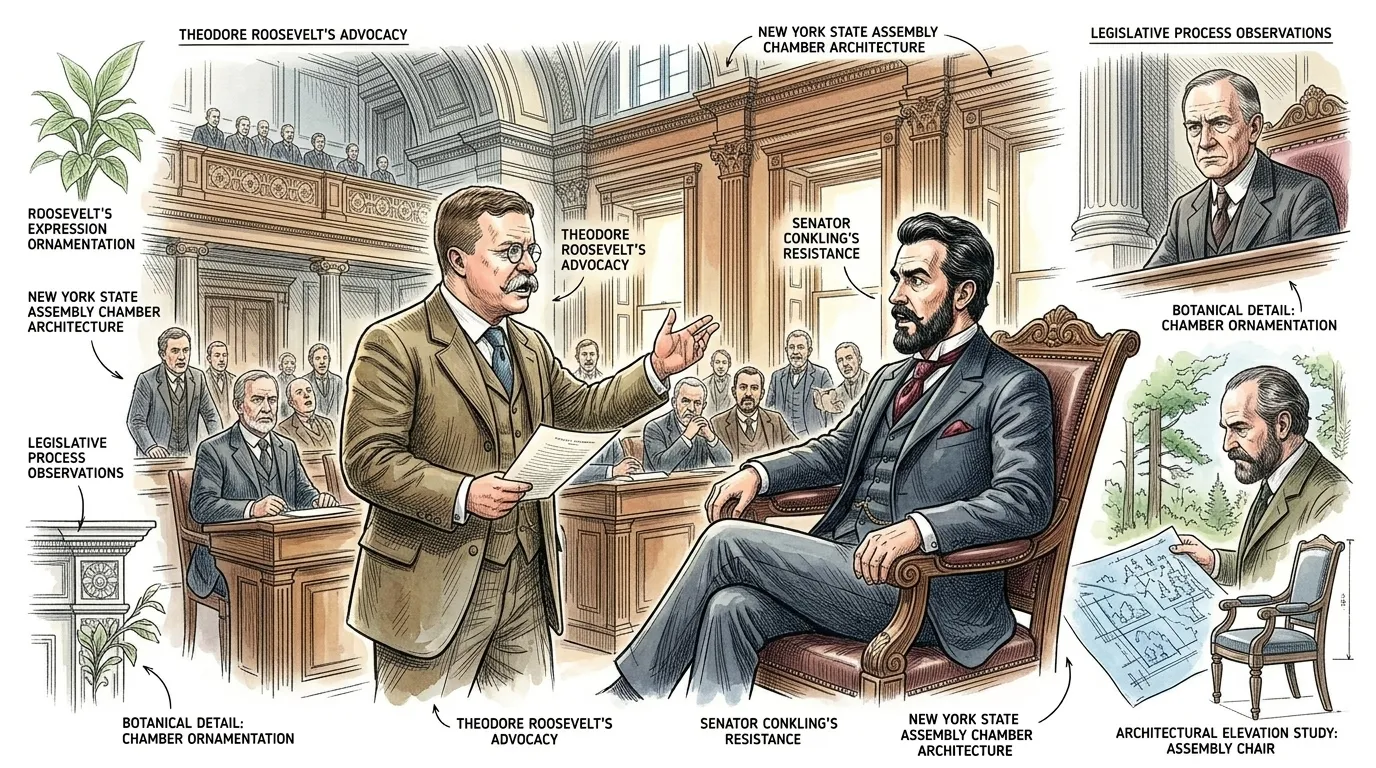
At 23, Theodore Roosevelt entered the New York State Assembly in 1882, an anomaly of independent spirit within the machine politics of the era. He immediately moved to impeach a corrupt judge, an audacious act that shocked the establishment. With unwavering resolve, he confronted entrenched political bosses, including the powerful Senator Roscoe Conkling, refusing to compromise his ethical principles for political expediency. This early legislative battle established him as a fearless reformer, signaling to the nation that a new kind of politician had arrived, unafraid to dismantle corrupt systems head-on.
Page 4
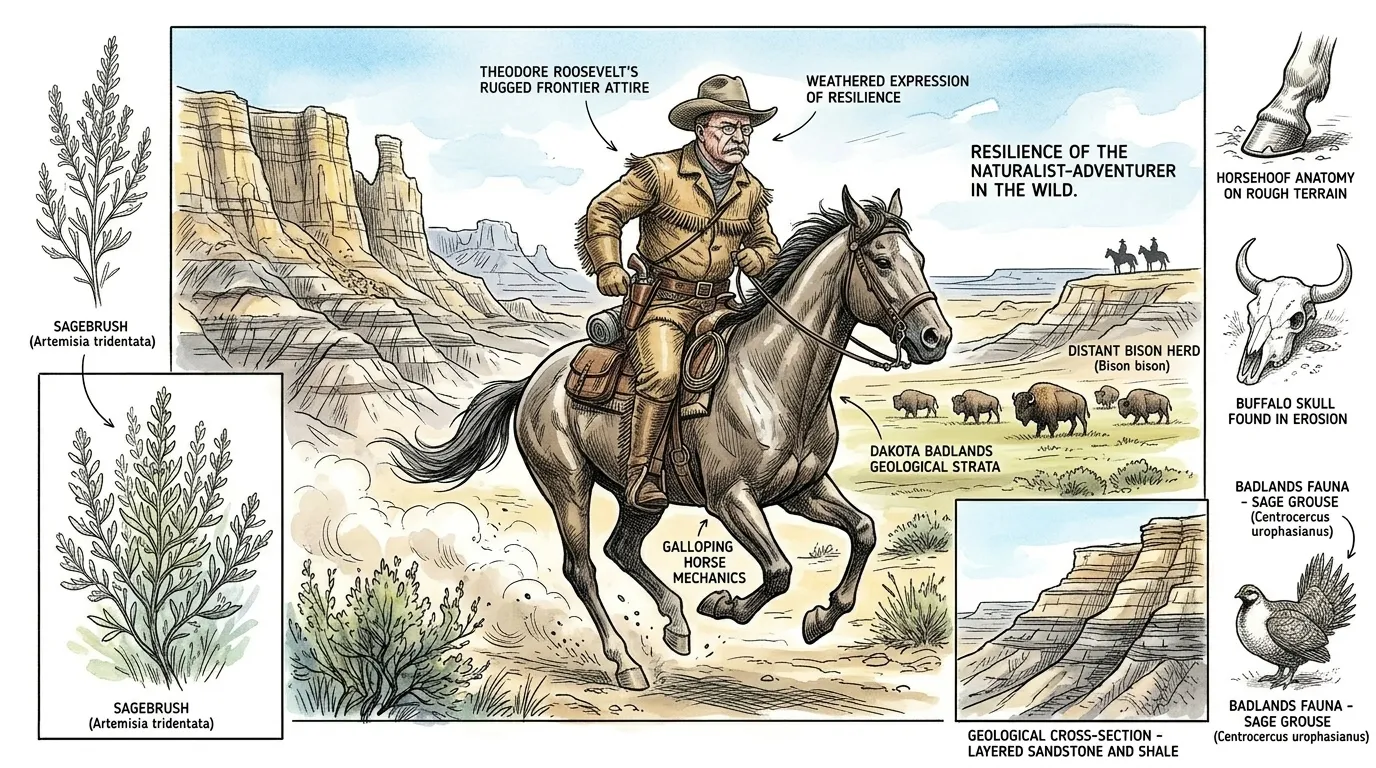
After facing profound personal tragedy in 1884, Theodore Roosevelt retreated to his ranches in the Dakota Territory. Here, amidst the rugged landscape of the Badlands, he immersed himself in the brutal realities of frontier life. He hunted buffalo, chased horse thieves, and endured harsh winters, shedding the vestiges of his eastern upbringing. This period of raw, physical immersion transformed him, solidifying his self-reliance and deepening his understanding of America's vast natural heritage. The Badlands forged the self-made image of a man capable of confronting any challenge.
Page 5
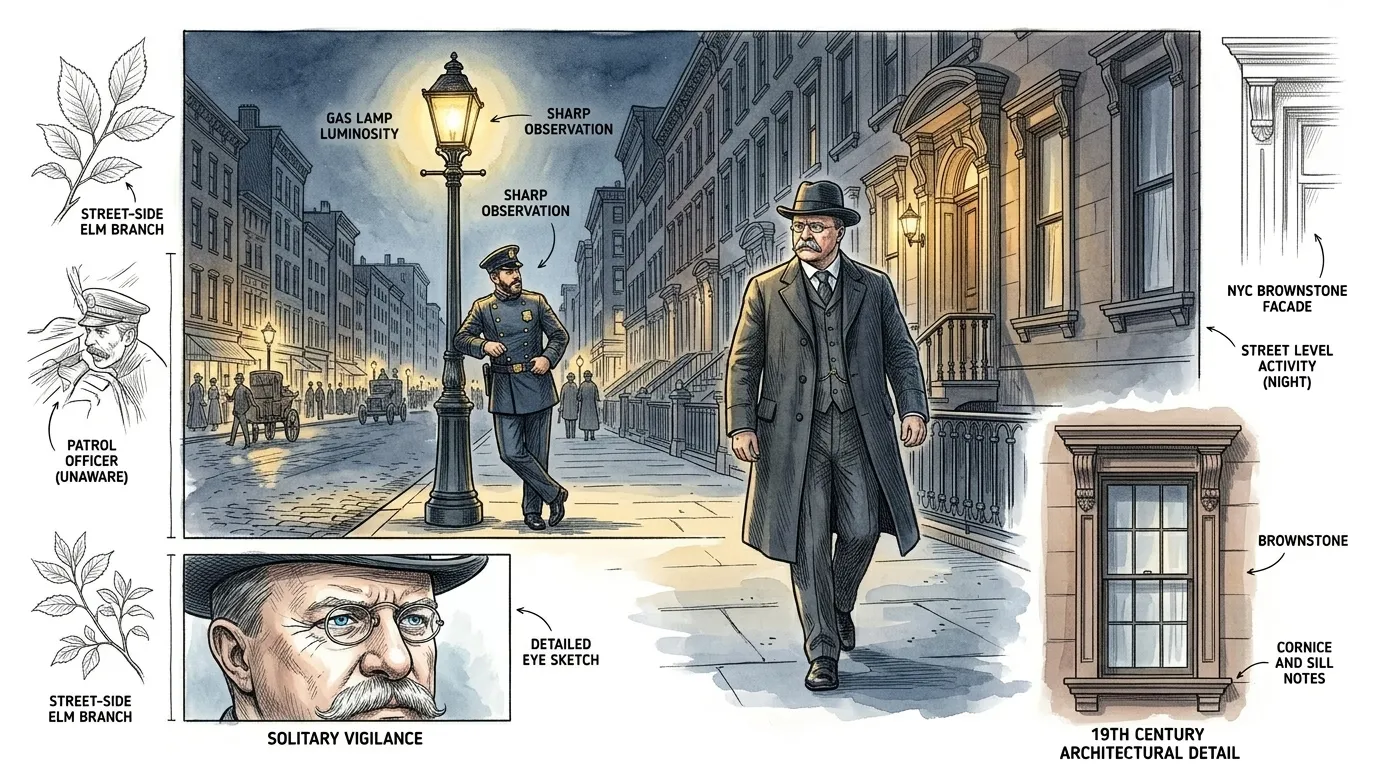
Appointed President of the New York City Police Board in 1895, Theodore Roosevelt embarked on a mission to root out corruption and inefficiency. He famously walked the city's beats at night, often in disguise, to personally ensure officers were on duty and performing their tasks. He implemented merit-based promotions, ended graft, and introduced reforms that modernized the force. This direct, uncompromising approach to public service revitalized a scandal-plagued institution and solidified his reputation as a fearless executive who believed in hands-on, incorruptible governance, directly improving the lives of New Yorkers.
Page 6
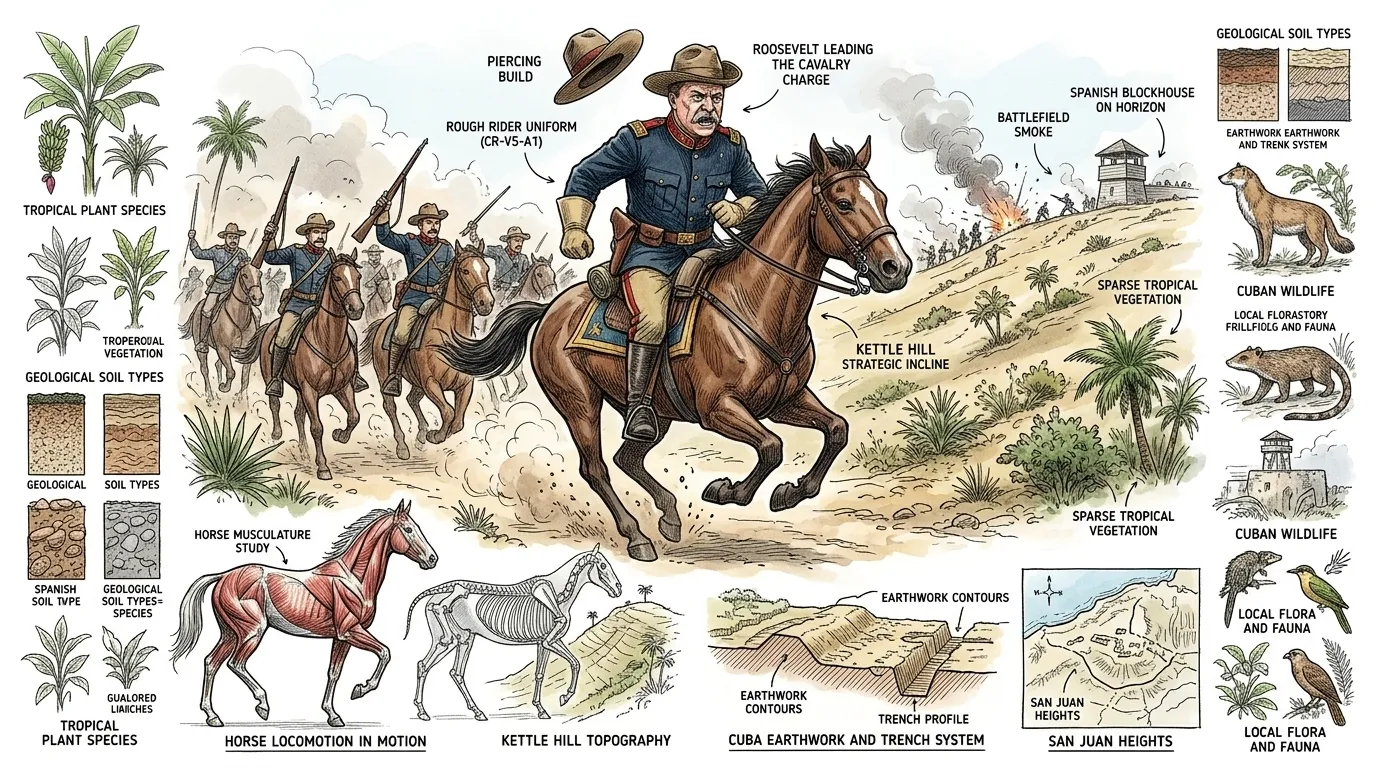
In 1898, as the Spanish-American War ignited, Theodore Roosevelt resigned his post as Assistant Secretary of the Navy to form the 1st U.S. Volunteer Cavalry Regiment—the 'Rough Riders.' His charismatic leadership and a keen sense of publicity quickly made them national heroes. Their most iconic moment came with the charge up Kettle Hill and San Juan Hill in Cuba. Leading his men on horseback, Roosevelt spearheaded the assault, his bravery under fire becoming a defining image of American military prowess. This dramatic military success catapulted him onto the national stage as an undeniable figure of courage and decisive action.
Page 7
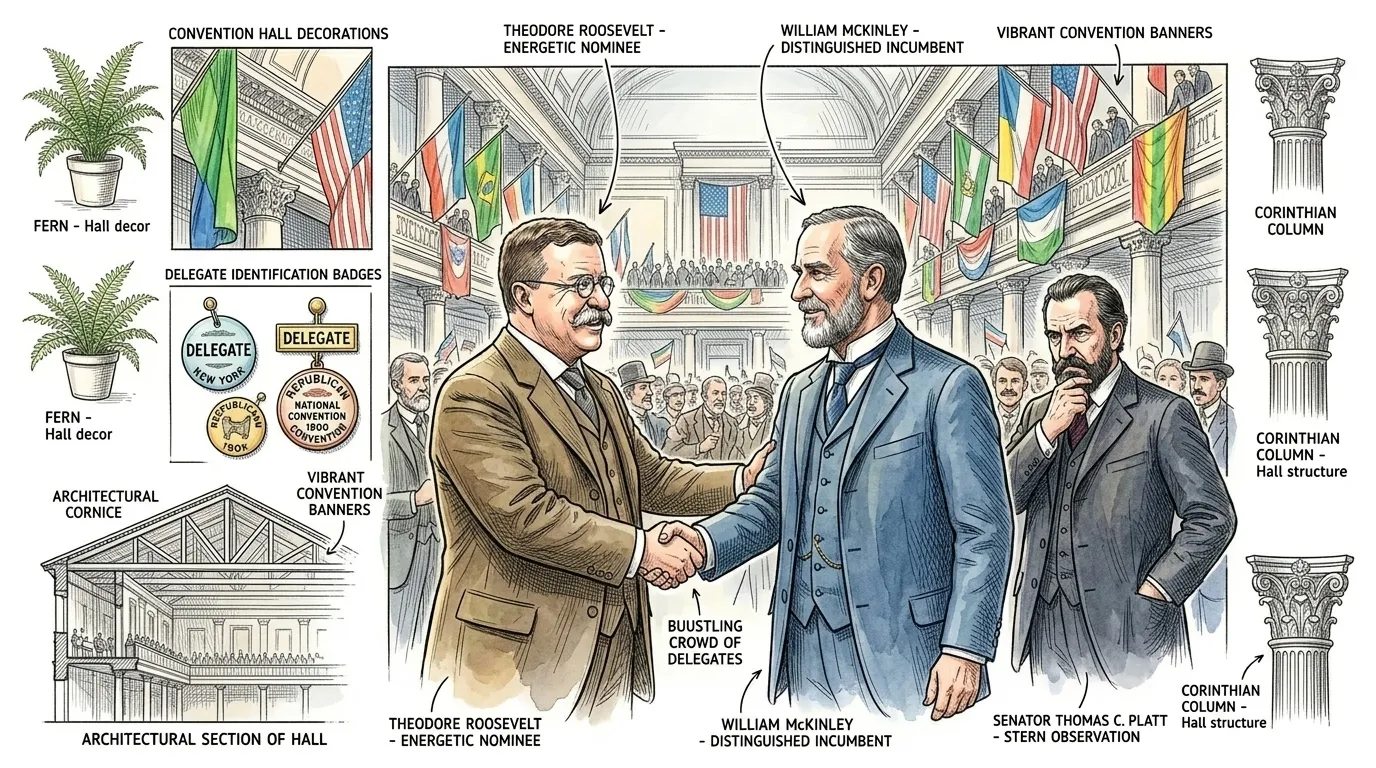
Roosevelt's wartime fame propelled him to the governorship of New York in 1898, where he continued his progressive reforms, clashing with the entrenched Republican party machine led by Senator Thomas C. Platt. To neutralize his growing power and potential presidential ambitions, the party bosses maneuvered him into the Vice Presidency for William McKinley's 1900 re-election campaign. They believed this position would effectively sideline him, removing him from direct executive power. Roosevelt accepted, unaware that fate was preparing a far grander stage, making his seemingly demotion a prelude to ultimate power.
Page 8
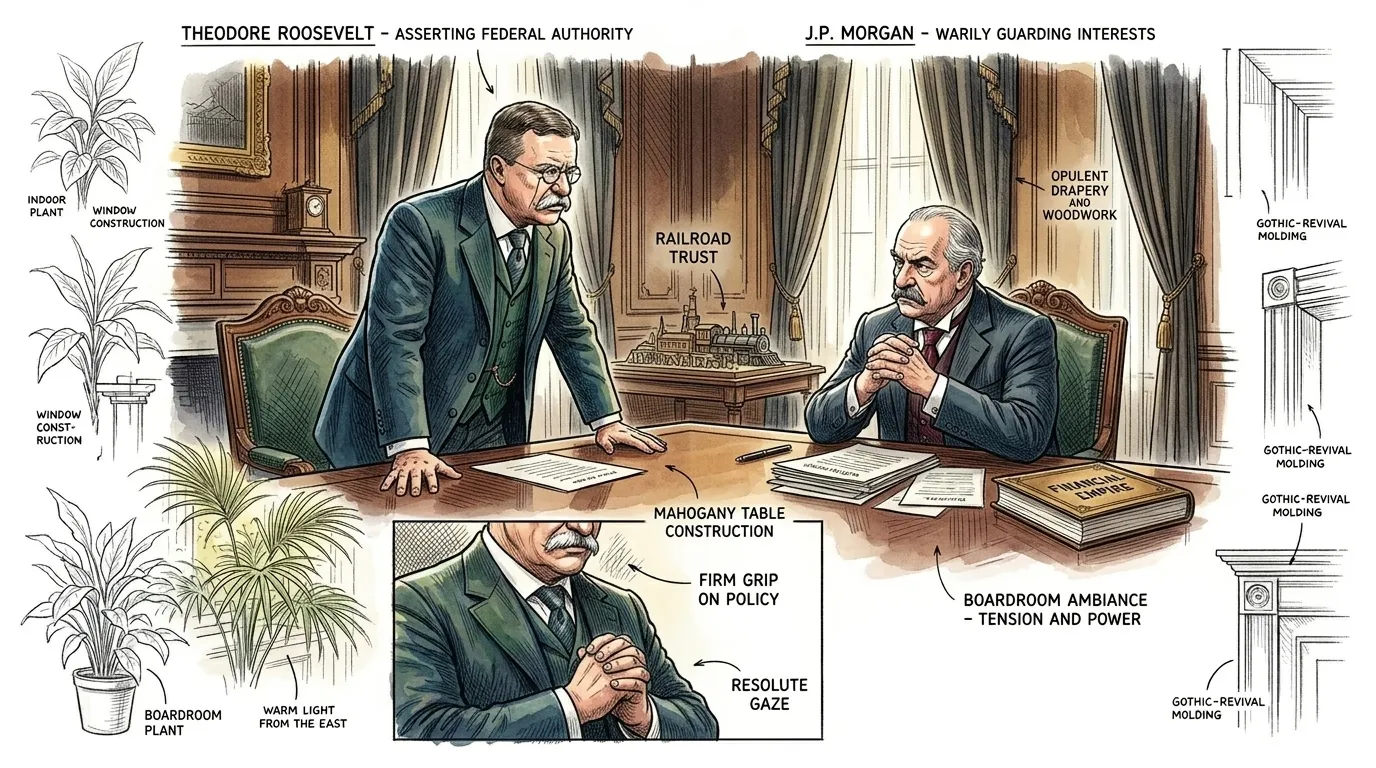
As President, Theodore Roosevelt immediately tackled the unchecked power of industrial monopolies. In 1902, he initiated anti-trust litigation against J.P. Morgan's Northern Securities Company, a massive railroad trust, challenging the titans of American industry. This bold move, unprecedented in its scope, established the federal government's authority to regulate big business and protect public interest. It sent a clear message that no corporation, however powerful, was above the law, fundamentally reshaping the relationship between capital and government in the United States, thereby asserting the supremacy of the common good.
Page 9
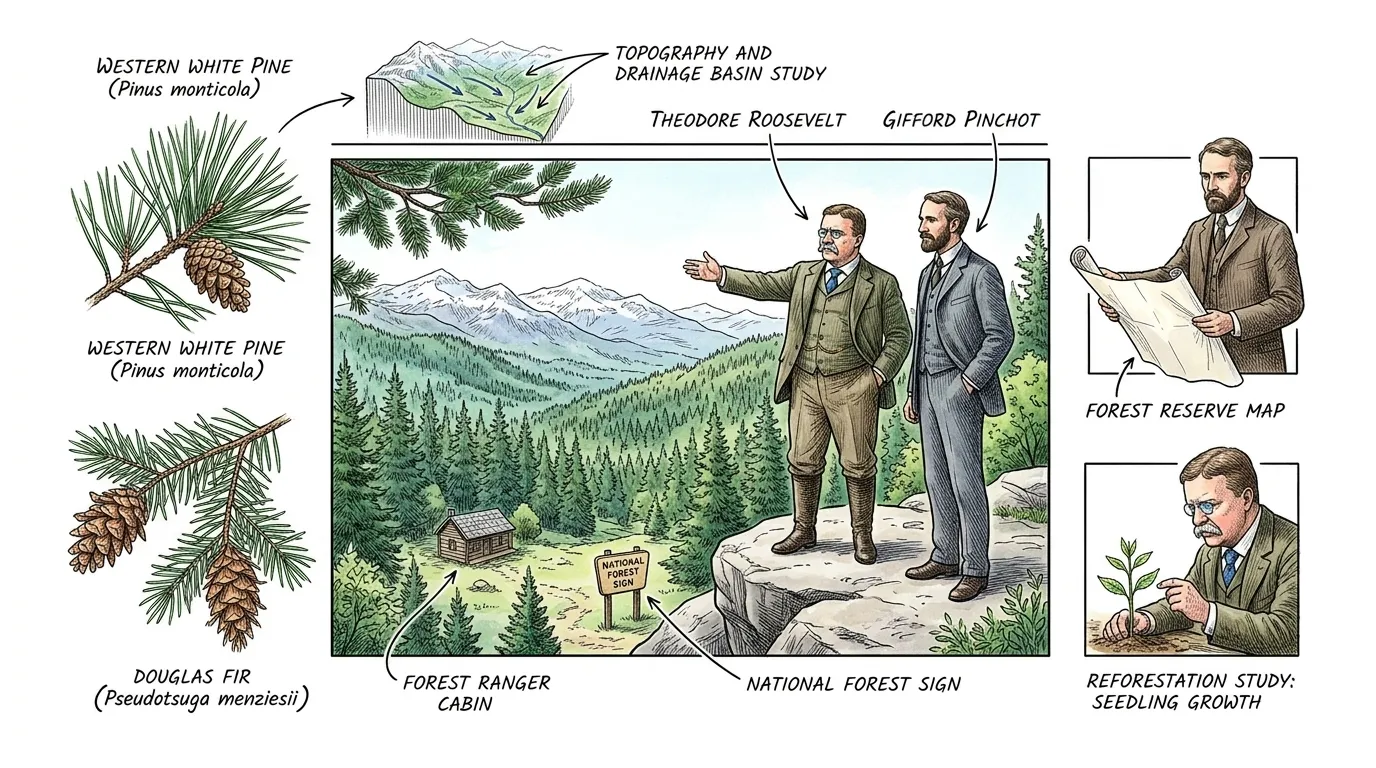
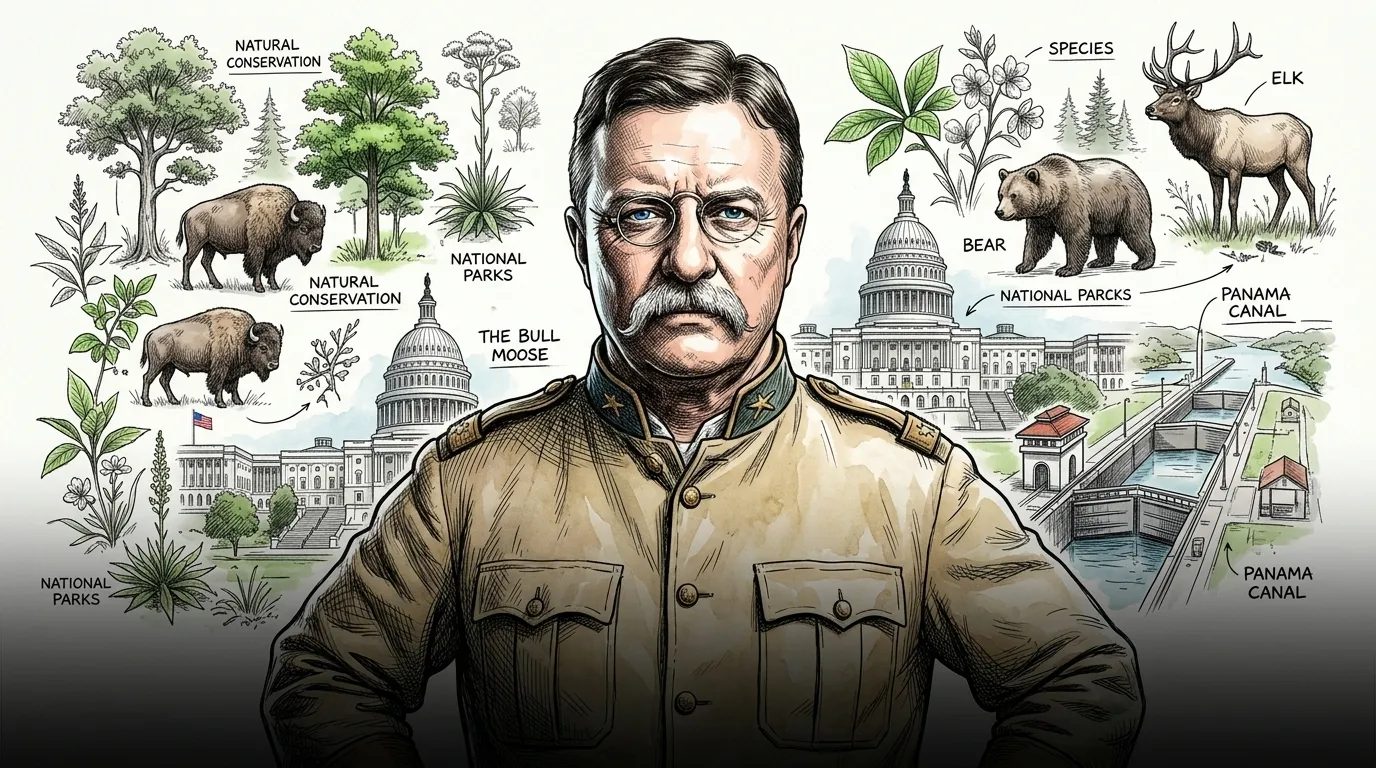
Theodore Roosevelt's profound connection to nature, forged in the Badlands, translated into an unparalleled commitment to conservation during his presidency. He collaborated closely with figures like Gifford Pinchot, the first Chief of the U.S. Forest Service, to implement sweeping environmental protections. By 1908, he had designated 150 National Forests, 51 Federal Bird Reservations, 4 National Game Preserves, and 5 National Parks. His actions protected over 230 million acres of public land, establishing the foundation for America's modern conservation movement and preserving its natural wonders for future generations, demonstrating the vast power of executive action.
Page 10
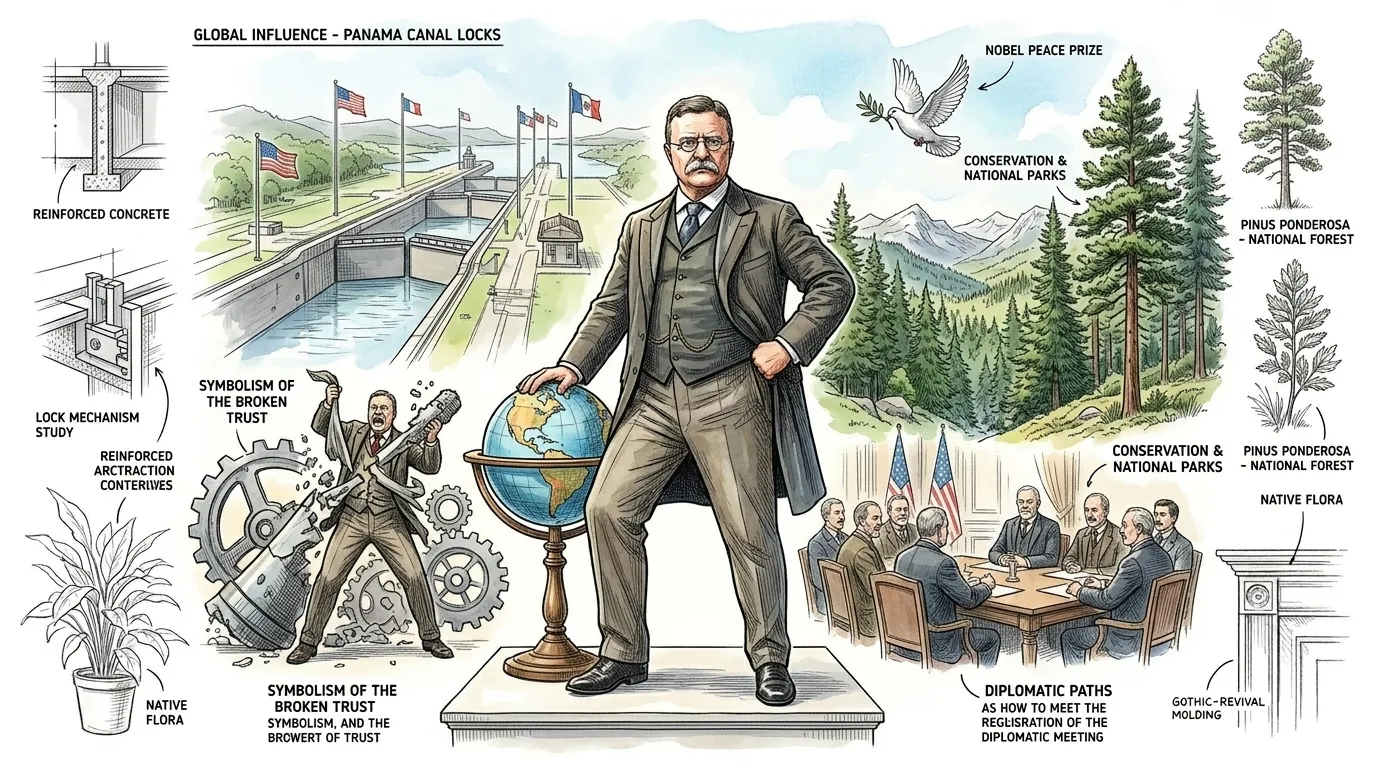
Theodore Roosevelt reshaped the American presidency, transforming it into a dynamic, powerful office capable of addressing the nation's complex challenges. His forceful leadership in trust-busting, labor mediation, and groundbreaking conservation efforts redefined the role of government in American life. He championed the Panama Canal, solidifying America's global presence, and earned the Nobel Peace Prize for mediating the Russo-Japanese War. His 'Square Deal' domestic policies and 'Big Stick' diplomacy projected an image of robust strength and progressive reform. Roosevelt's legacy is that of a transformational leader who, through sheer will and unwavering conviction, propelled the United States into the 20th century, forever changing its landscape, its institutions, and its place in the world.
About this story
- Location: Global
- Audience: general readers
Questions and answers
Read Wonder People on your phone
Wonder People is available on Android. Get Wonder People on Google Play.