Thomas Jefferson
Thomas Jefferson — an illustrated biography story, set in Global. 10 illustrated pages, free to read on Wonder People.
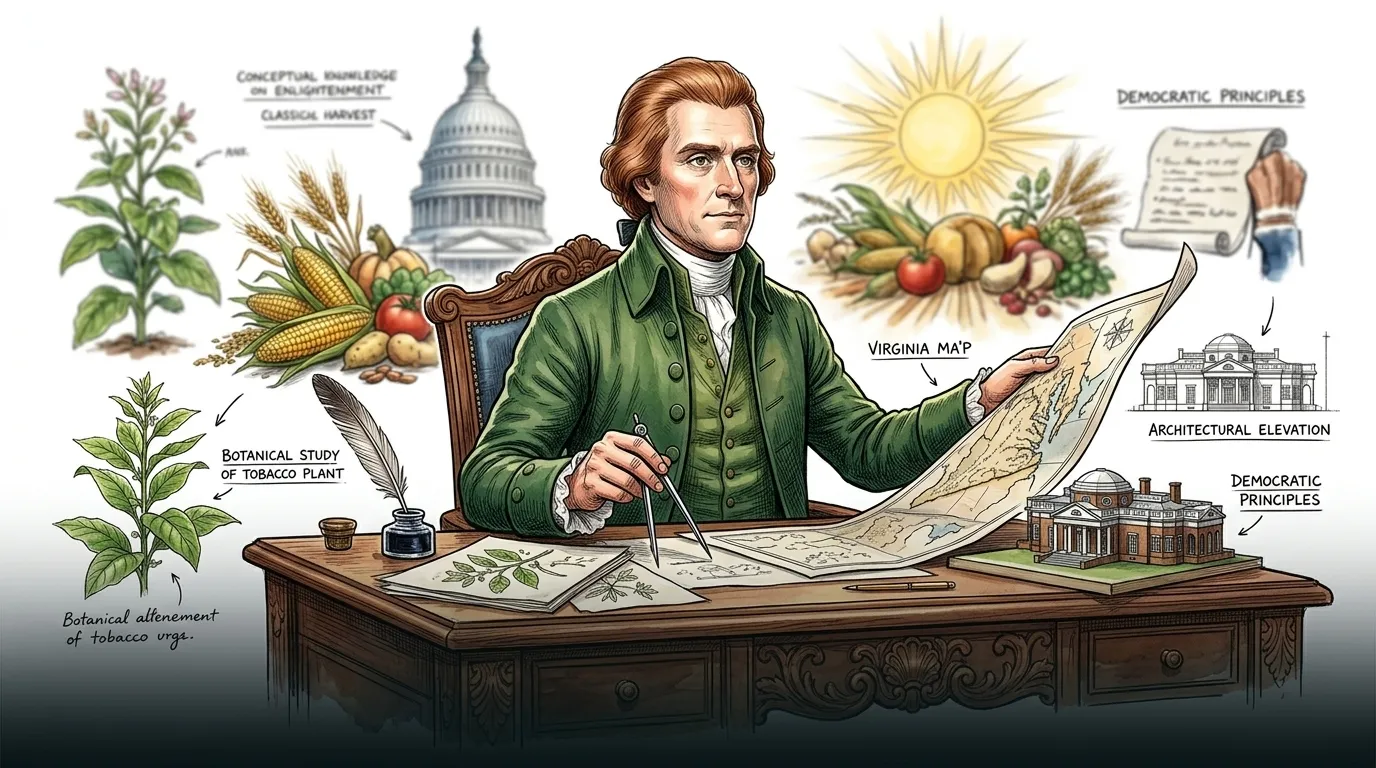
Page 1
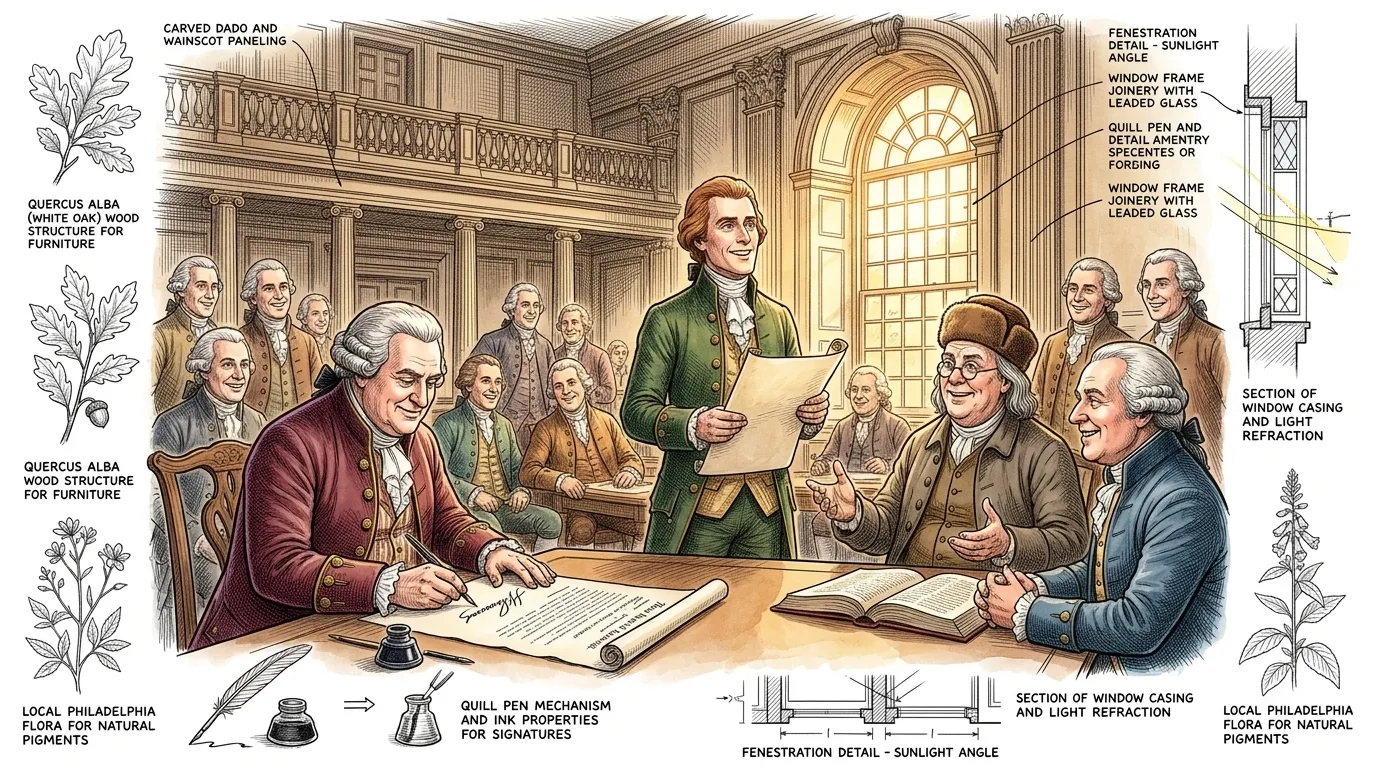
On July 4, 1776, in the Pennsylvania State House at Philadelphia, the Second Continental Congress adopted the Declaration of Independence. Thomas Jefferson, the primary author, stood amidst a room charged with the weight of revolution. This act, affirming the colonies' separation from Great Britain, solidified his place as a foundational architect of American self-governance. It was a declaration signed by figures such as John Hancock, Benjamin Franklin, and John Adams, a pledge of lives, fortunes, and sacred honor that would ripple across the globe, defining a new era of political thought.
Page 2
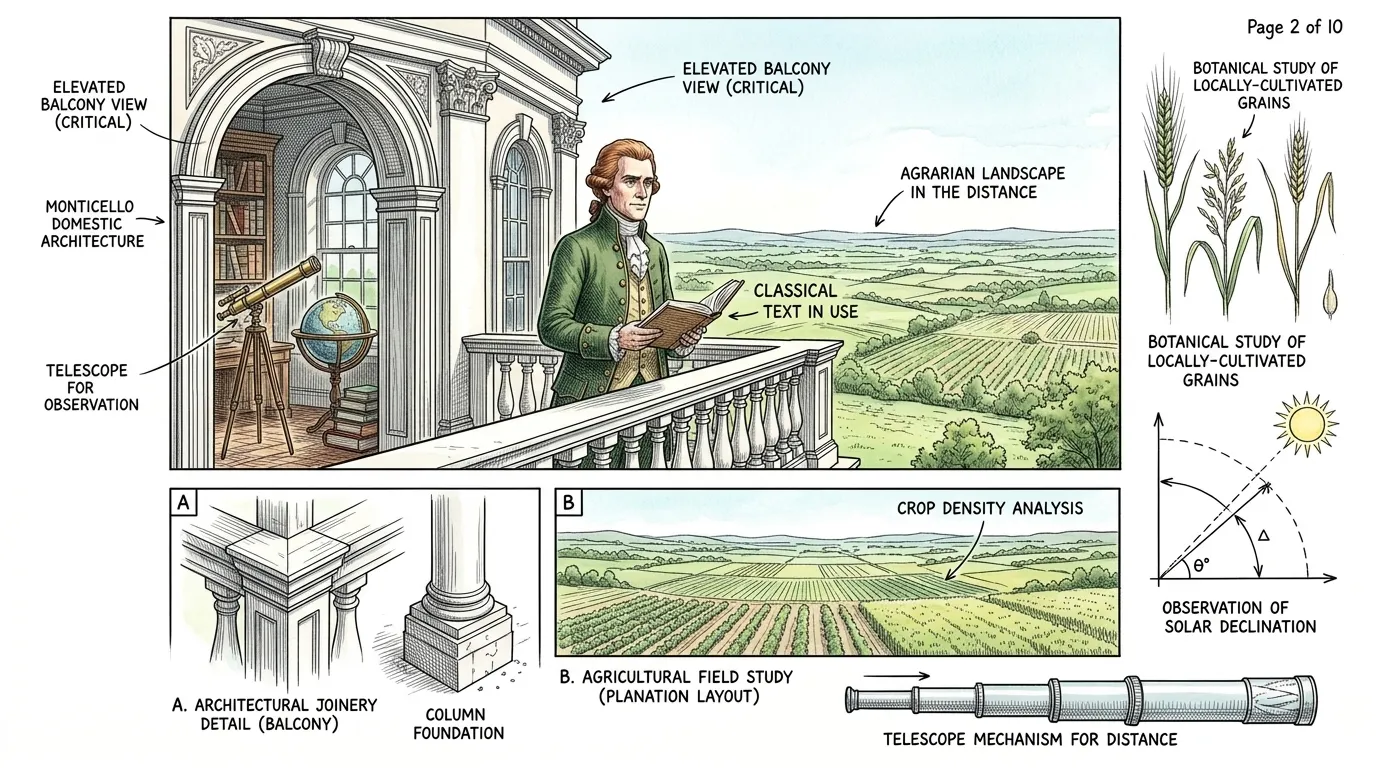
From his elevated perch at Monticello, his self-designed plantation in Virginia, Thomas Jefferson cultivated an identity shaped by Enlightenment ideals and the agrarian landscape. Born into the colonial gentry, his early life was one of privilege, but also of profound intellectual curiosity. He absorbed classical literature, natural science, and legal philosophy, envisioning a society founded on reason and liberty. This fertile environment, both physical and intellectual, formed the bedrock of his revolutionary thought, fueling his belief in the power of education and independent inquiry.
Page 3
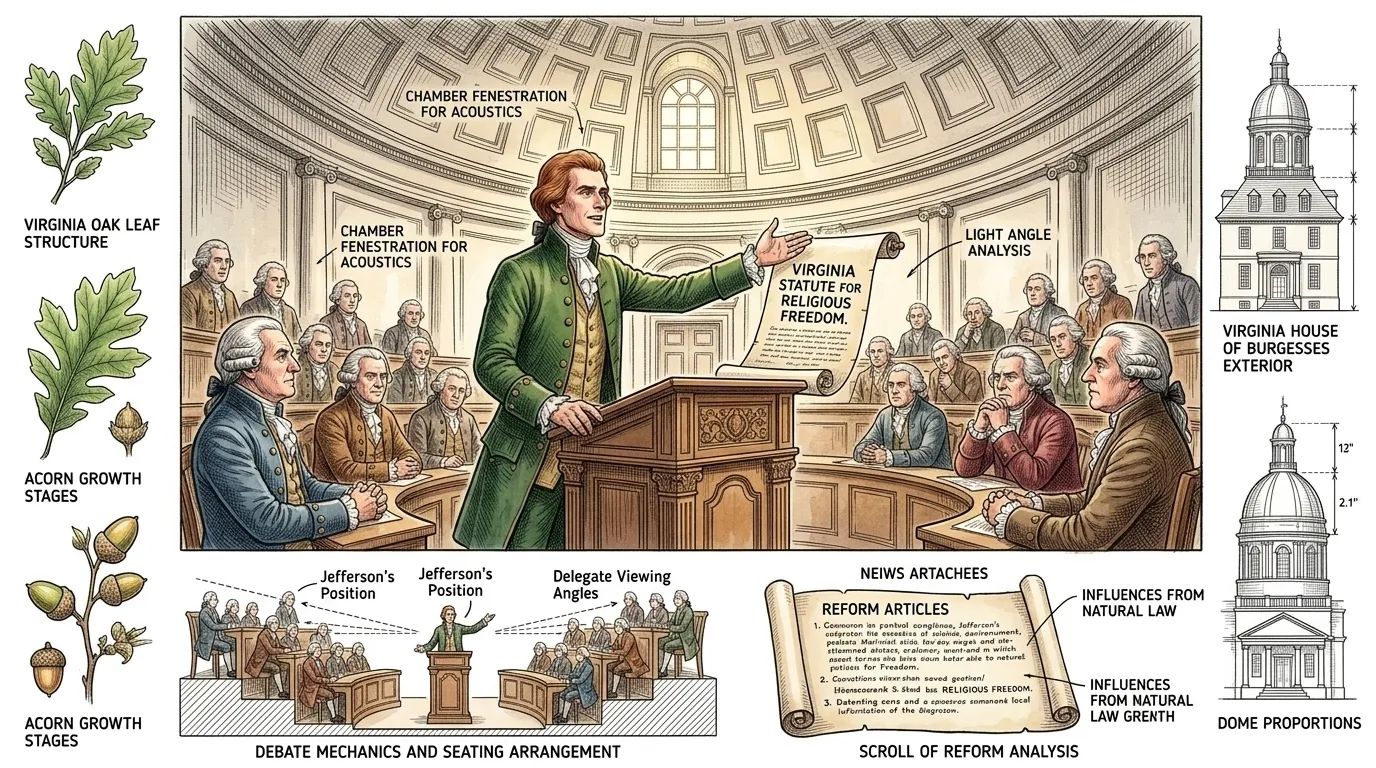
As a young lawyer and delegate to the Virginia House of Burgesses, Jefferson immediately challenged entrenched norms. He championed religious freedom, advocating for the separation of church and state in a colonial society bound by Anglican establishment. His draft of the Virginia Statute for Religious Freedom, though not adopted until years later, articulated a radical vision that would fundamentally reshape American jurisprudence. He engaged directly with the legislative process, drafting, debating, and pushing for reforms that sought to dismantle inherited privilege.
Page 4
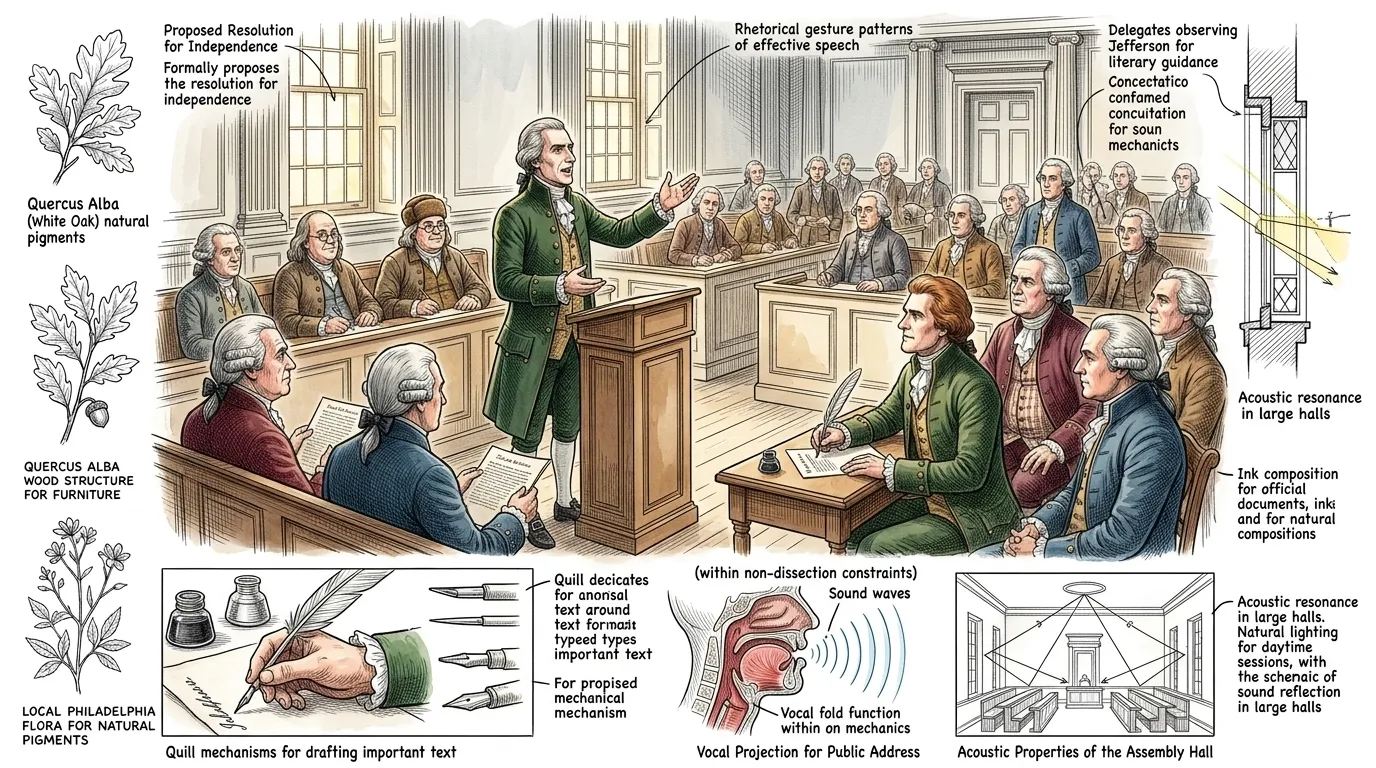
By 1775, the escalating conflict with Britain led to Jefferson's selection as a delegate to the Second Continental Congress in Philadelphia. His literary prowess was already recognized, a powerful asset in the intellectual battle for independence. When Richard Henry Lee of Virginia formally proposed the resolution for independence, the need for a compelling, unifying declaration became paramount. Jefferson, though a relatively quiet debater, was positioned by his peers as the ideal voice to articulate the philosophical underpinning of revolution.
Page 5
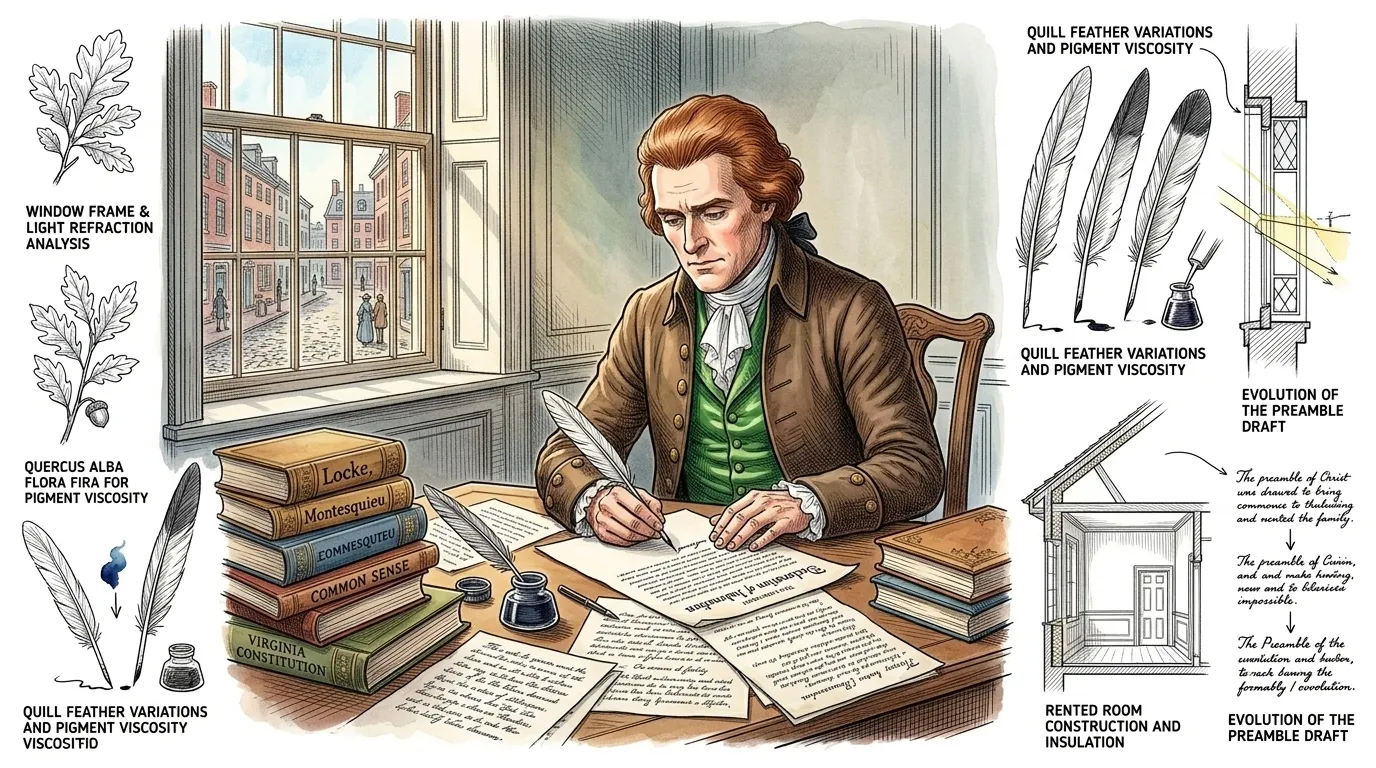
The Committee of Five, tasked with drafting the declaration, ultimately assigned the momentous work to Thomas Jefferson. Isolated in his rented rooms in Philadelphia, he dedicated 17 days to the task. Drawing upon Enlightenment philosophers like Locke and Montesquieu, his own Virginia constitution, and a lifetime of independent thought, he meticulously crafted the language that would define America's aspirations. This intense period of solitary creation transformed abstract principles into a potent call for liberty and self-evident truths.
Page 6
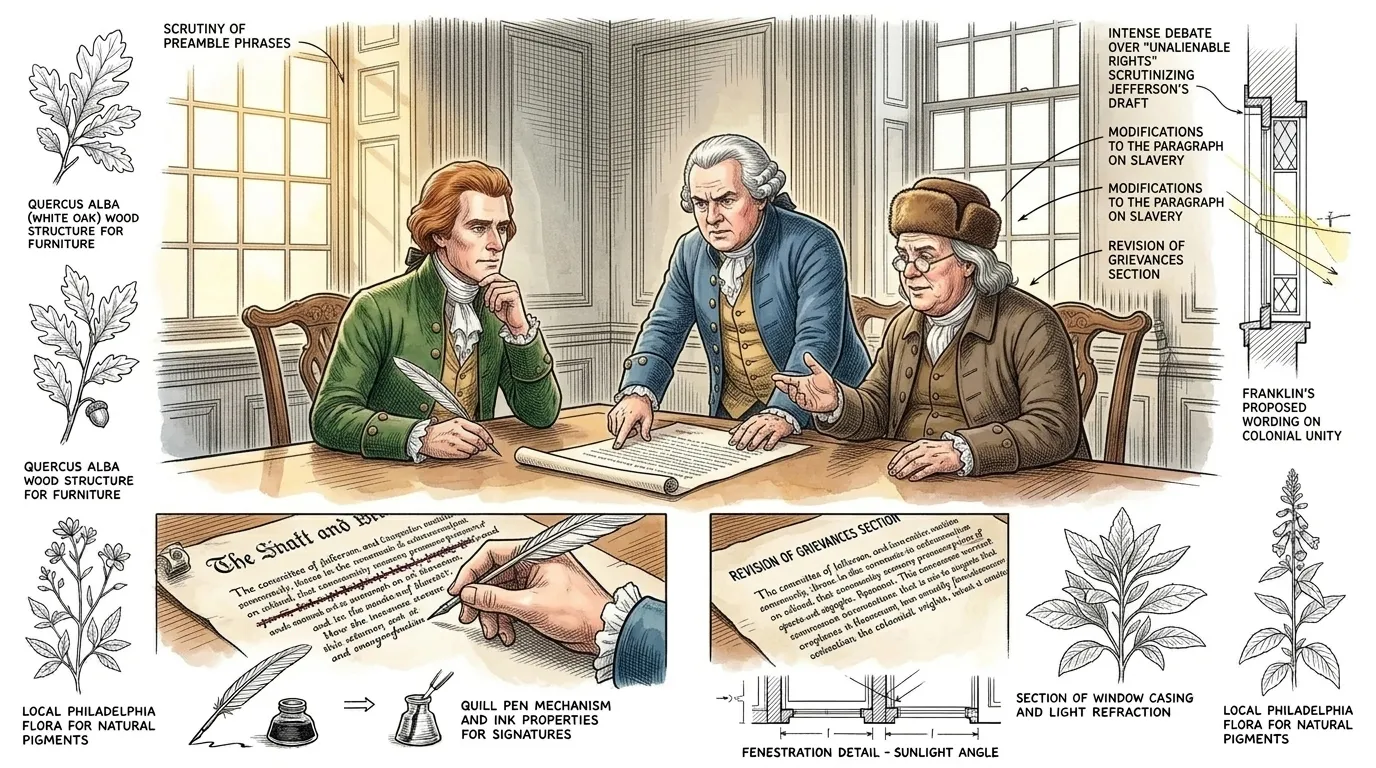
Once drafted, Jefferson's Declaration faced the rigorous scrutiny of the Continental Congress. For days, delegates debated every clause, every phrase. John Adams and Benjamin Franklin offered critical suggestions, but the body as a whole made significant alterations, particularly to sections regarding slavery, aiming for broader consensus. Jefferson endured these revisions with private anguish, witnessing his eloquent words reshaped by collective will. This process underscored the collaborative, often contentious, nature of forging a new nation's identity.
Page 7
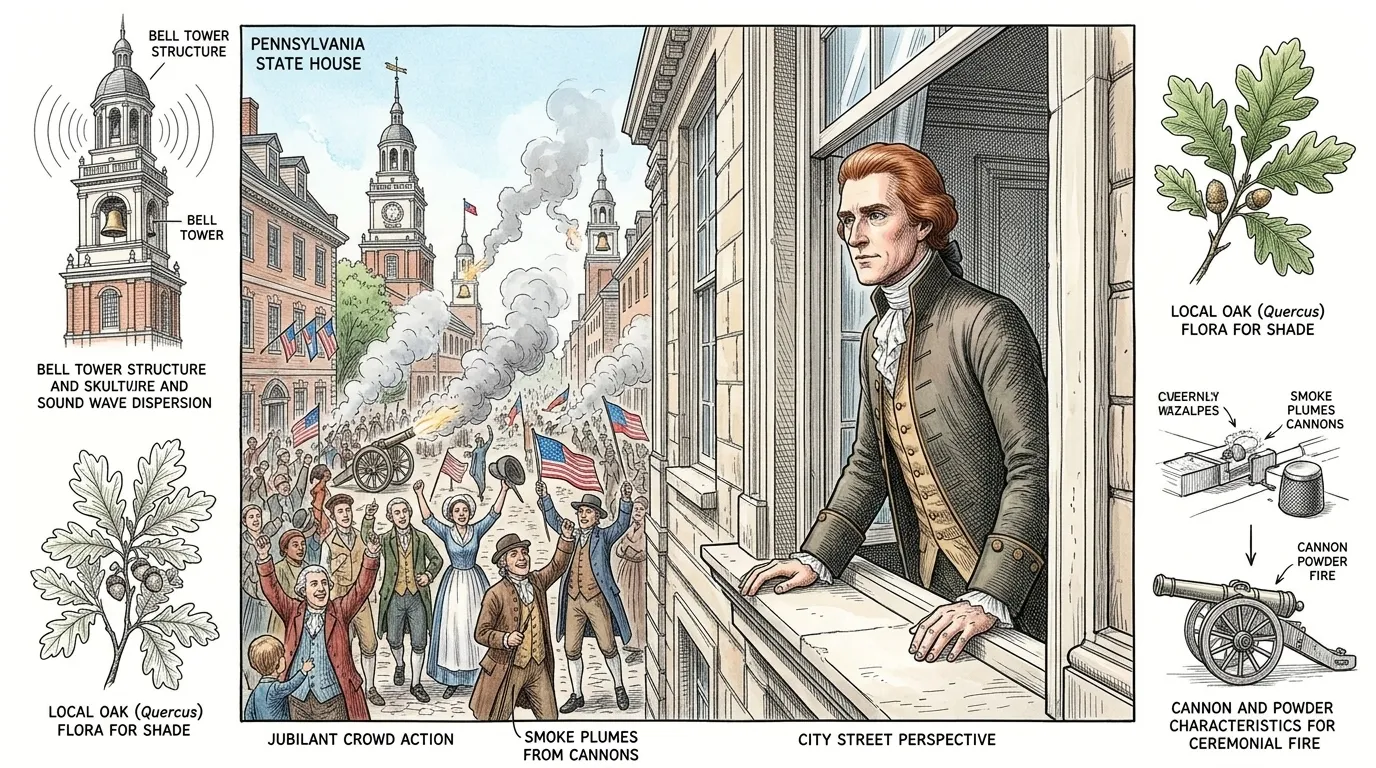
On July 2, 1776, the Congress formally voted for independence, a decision celebrated with cannon fire and ringing bells throughout Philadelphia. Two days later, after further revisions, the final text of the Declaration was adopted. Thomas Jefferson, though no longer the sole author, saw his foundational principles enshrined as the nation's creed. This unanimous act solidified the resolve of the colonies, marking an irreversible break with Great Britain and setting the stage for a new era of global governance rooted in the rights of man.
Page 8
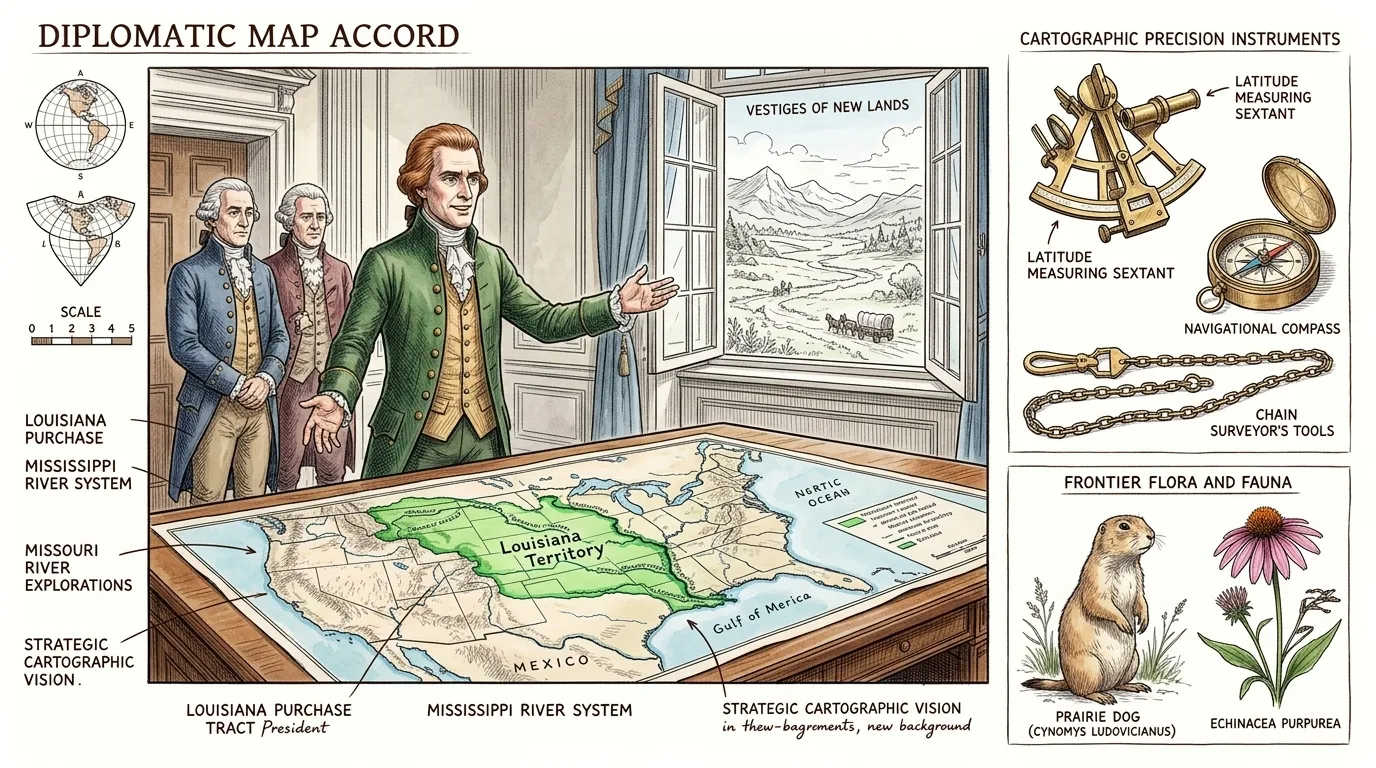
Years after the Declaration, as President, Thomas Jefferson seized an unprecedented opportunity to expand the young republic. In 1803, he negotiated the Louisiana Purchase, acquiring 828,000 square miles of territory from France for 15 million dollars. This bold move, doubling the size of the United States, was a masterstroke of diplomacy and vision, securing vast lands for westward expansion and consolidating American power on the continent. It dramatically reshaped the nation's future, laying the groundwork for its continental dominance.
Page 9
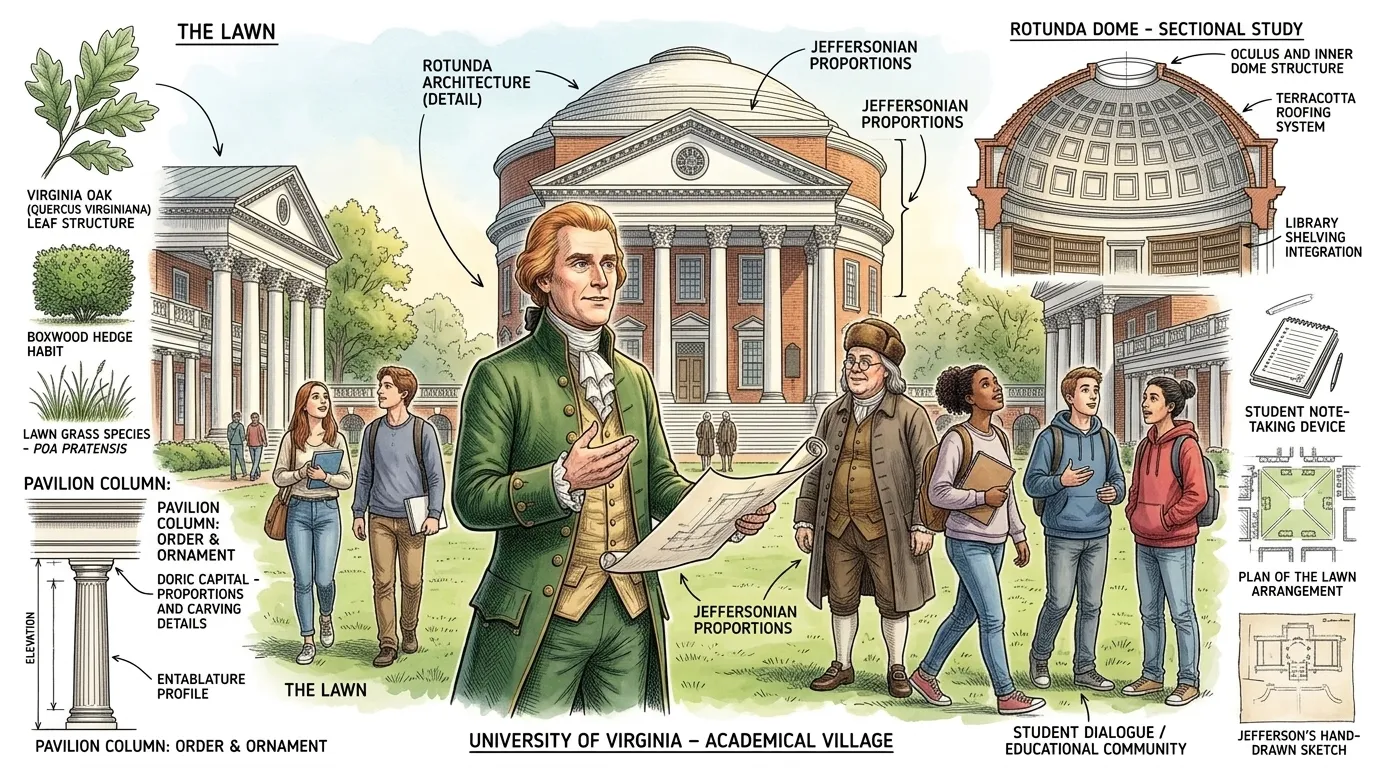
Even in retirement, Jefferson's commitment to enlightenment and republican ideals endured. He founded the University of Virginia, designing its 'academical village' as a living embodiment of his educational philosophy. Opened in 1825, this institution offered a revolutionary curriculum, prioritizing reason, scientific inquiry, and secular learning, free from ecclesiastical control. Jefferson oversaw every detail, from the architecture to the course of study, ensuring a legacy dedicated to the perpetuation of informed citizenry and intellectual freedom.
Page 10
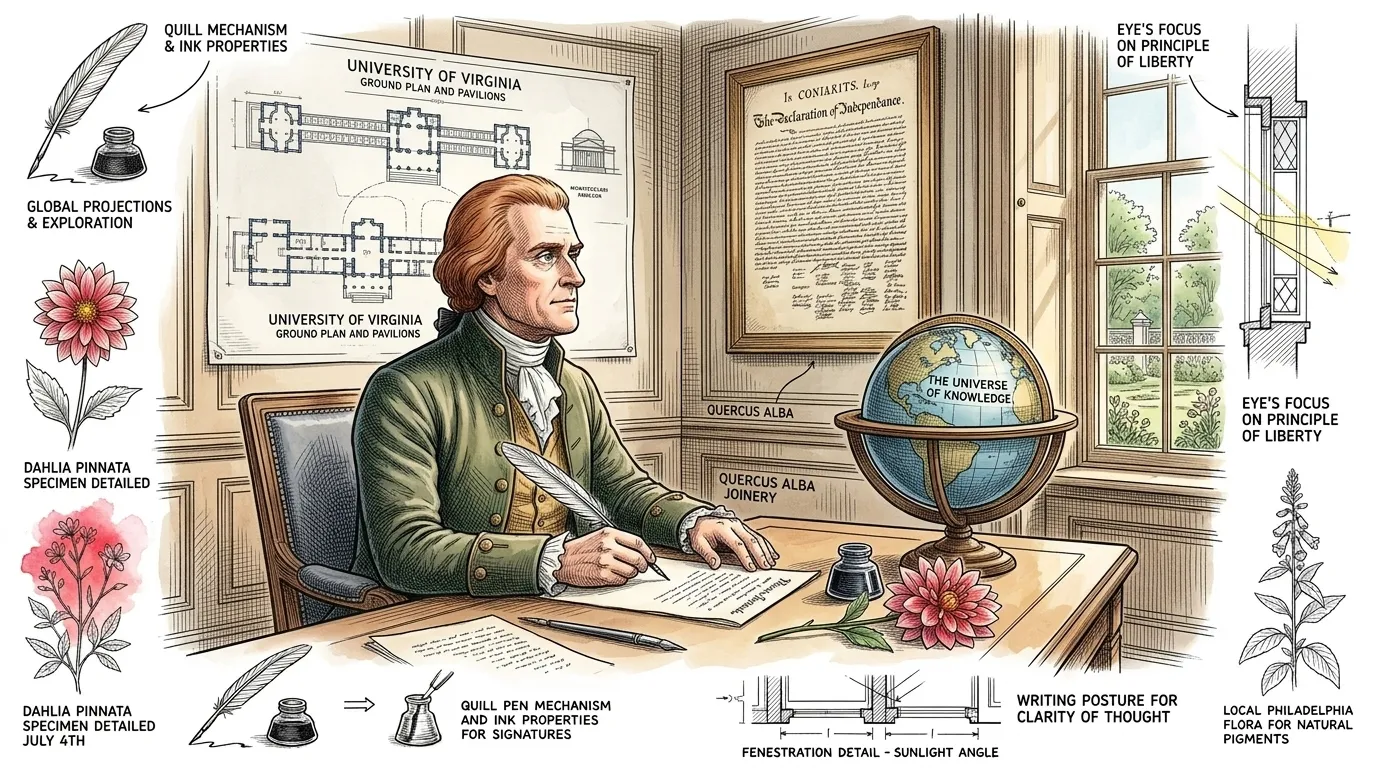
Thomas Jefferson died on July 4, 1826, the fiftieth anniversary of the Declaration he authored. His impact transcended his public offices, solidifying his legacy as a champion of liberty, self-governance, and intellectual pursuit. From the philosophical foundations of independence to the physical expansion of the nation and the enduring principles of public education, his vision shaped the very identity of the United States. His contradictions, particularly regarding slavery, remain indelible, yet his profound contributions to democratic thought continue to resonate, challenging each generation to uphold the ideals he articulated.
About this story
- Location: Global
- Audience: general readers
Questions and answers
Read Wonder People on your phone
Wonder People is available on Android. Get Wonder People on Google Play.