Toni Morrison
Toni Morrison — an illustrated biography story, set in Global. 10 illustrated pages, free to read on Wonder People.
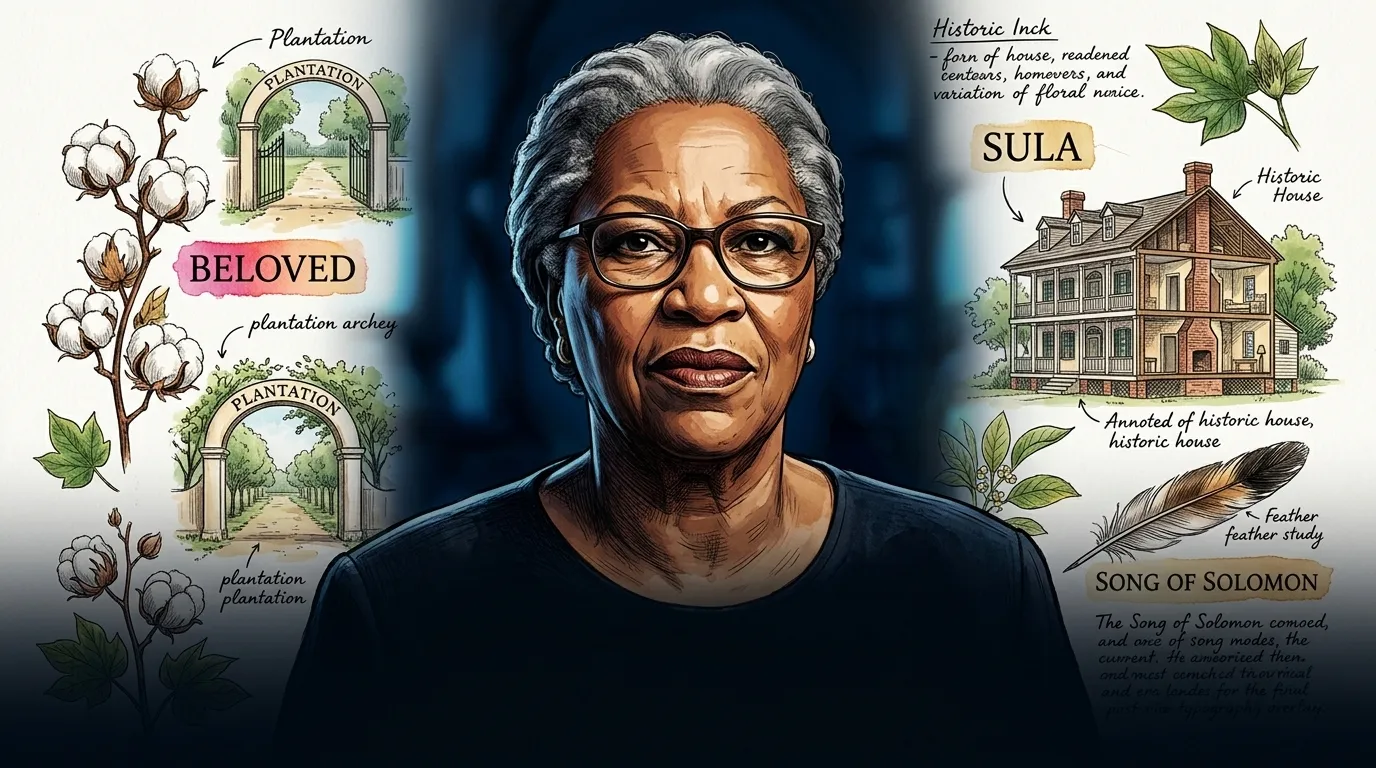
Page 1
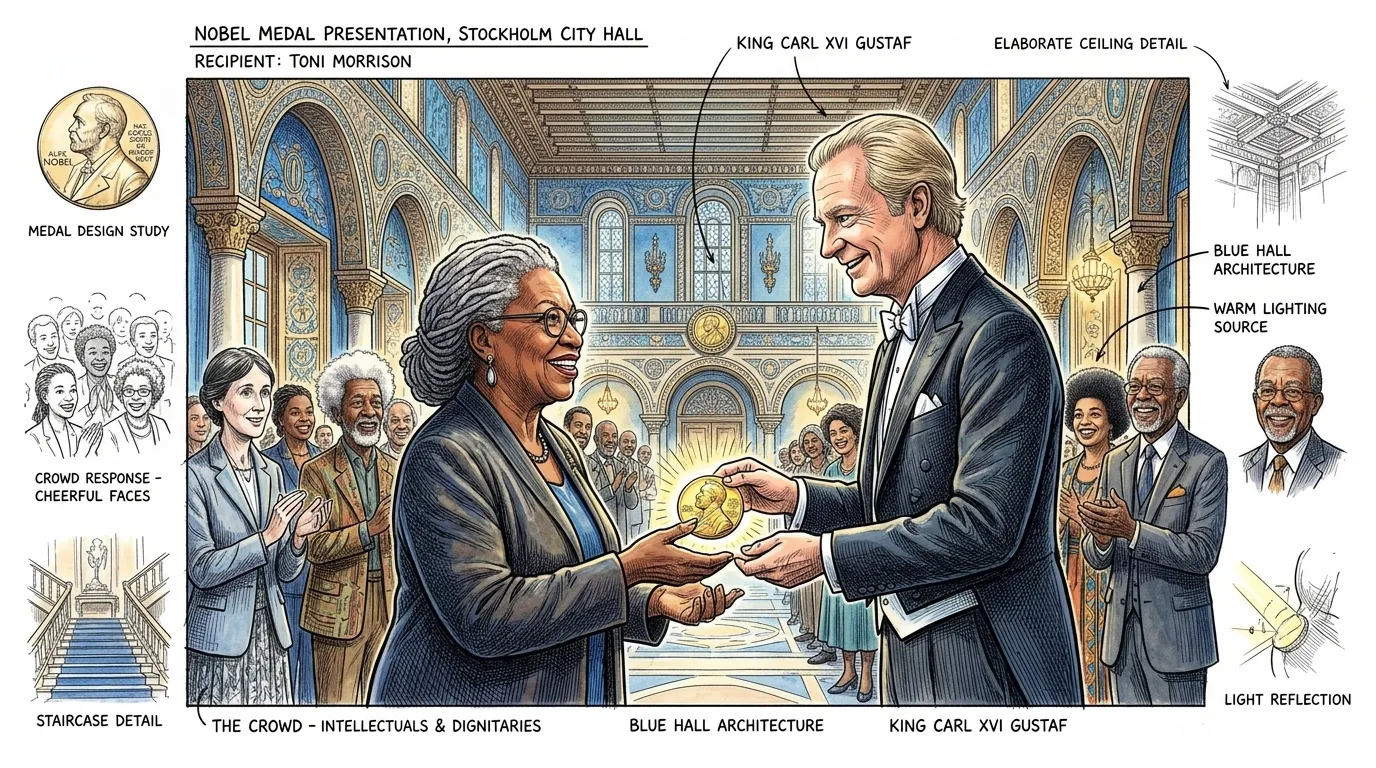
On December 10, 1993, in the opulent Blue Hall of the Stockholm City Hall, a singular moment unfolded. Toni Morrison, the American novelist, stood before King Carl XVI Gustaf of Sweden, accepting the Nobel Prize in Literature. This was not merely an accolade; it was a profound acknowledgement of a literary career that had reshaped the global understanding of American identity and Black experience. Morrison became the first African American woman to receive the honor, a recognition that reverberated far beyond the ornate hall, solidifying her place at the zenith of world literature. Her work had, by this point, sold millions of copies and fundamentally altered the literary landscape, asserting narratives once relegated to the margins as central to the human story. The world now listened with a different ear.
Biographical Fact: Stockholm, Sweden — December 10, 1993. Toni Morrison receives the Nobel Prize in Literature, becoming the first African American woman to achieve this distinction.
Page 2
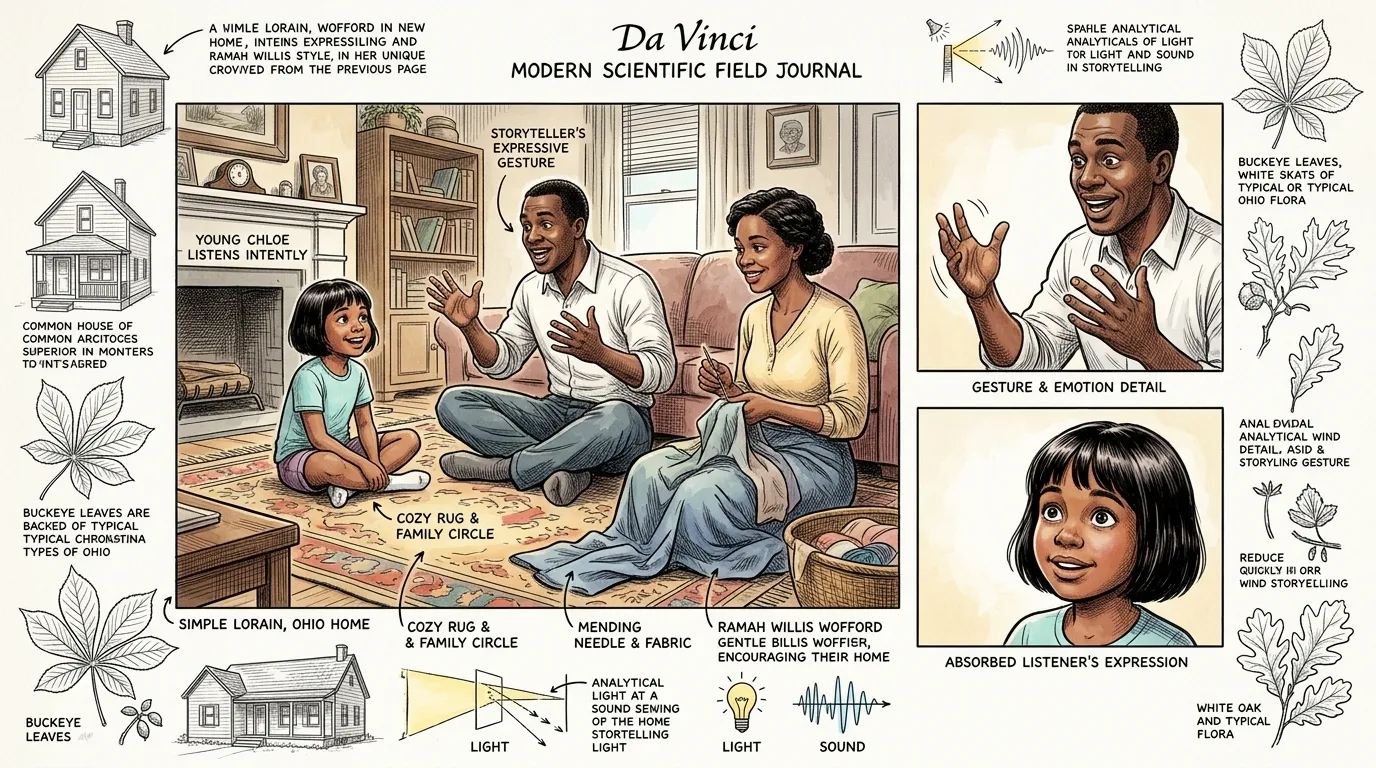
Before she was Toni Morrison, Nobel Laureate, she was Chloe Ardelia Wofford, born in Lorain, Ohio, in 1931. Her childhood was steeped in the oral traditions of her family, a rich tapestry of folklore, music, and ghost stories passed down through generations. This was a world where language was vibrant, a tool for survival, memory, and collective identity against the backdrop of racial segregation and economic hardship. Her parents, George Wofford and Ramah Willis Wofford, instilled in her a profound respect for Black culture and an unshakeable sense of self-worth. This early immersion in storytelling, where narratives were not merely entertainment but vital cultural sustenance, would become the foundational bedrock of her later literary genius, teaching her that stories possessed the power to both preserve the past and illuminate the future.
Biographical Fact: Lorain, Ohio — 1930s. Chloe Wofford's early life, deeply rooted in her family's rich oral storytelling traditions, shaped her foundational understanding of language and narrative.
Page 3
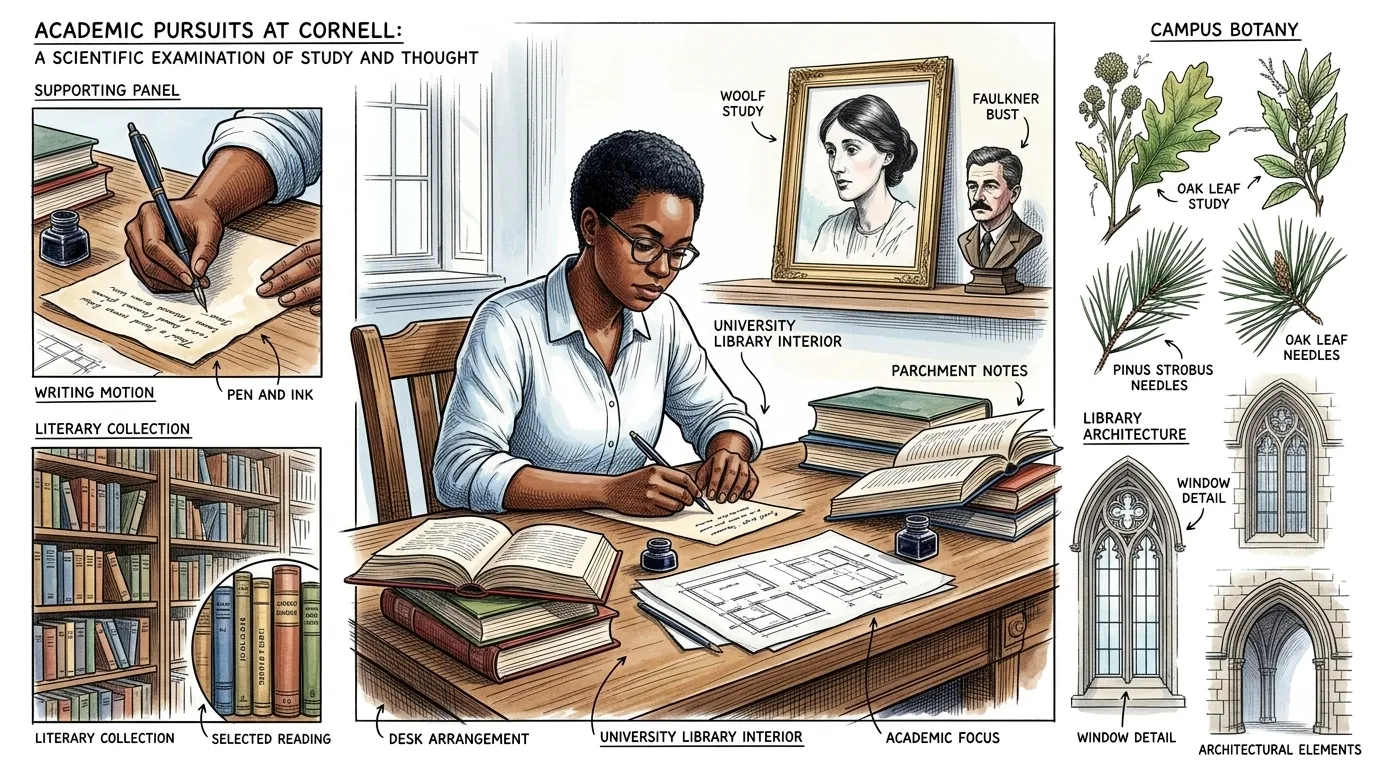
Chloe Wofford pursued higher education with relentless determination, an uncommon path for many Black women of her era. In 1949, she enrolled at Howard University, where she adopted the nickname 'Toni,' believing it would be easier for others to pronounce her given name, 'Chloe.' There, she encountered a vibrant intellectual community, delving into the works of classical and contemporary literature. She continued her academic journey at Cornell University, earning her Master of Arts degree in 1955 with a thesis on the theme of alienation in the works of Virginia Woolf and William Faulkner. This rigorous academic training honed her critical mind and sharpened her understanding of narrative structure and literary power, transforming her into a formidable scholar and laying the groundwork for her own future literary interventions.
Biographical Fact: Howard University (1949-1953) and Cornell University (1953-1955). Toni Morrison's rigorous academic pursuit shaped her critical literary perspective.
Page 4

In 1967, Toni Morrison joined Random House in New York City as a senior editor. This role placed her at the vanguard of American publishing, a position rarely held by Black women at the time. She did not merely edit books; she actively sought out and cultivated a new generation of Black writers, understanding the profound need for diverse voices to be heard in mainstream literature. She championed authors like Nobel laureate Wole Soyinka, Angela Davis, and Gayl Jones, giving them platforms previously denied. Morrison's editorial work was an act of cultural reclamation, curating a literary canon that reflected the complexity and richness of Black lives, challenging the narrow perspectives that had long dominated the industry. Her decisions at Random House reshaped the landscape of American letters.
Biographical Fact: New York City — 1967. Toni Morrison, as a senior editor at Random House, champions and publishes groundbreaking works by Black authors, fundamentally altering the literary mainstream.
Page 5
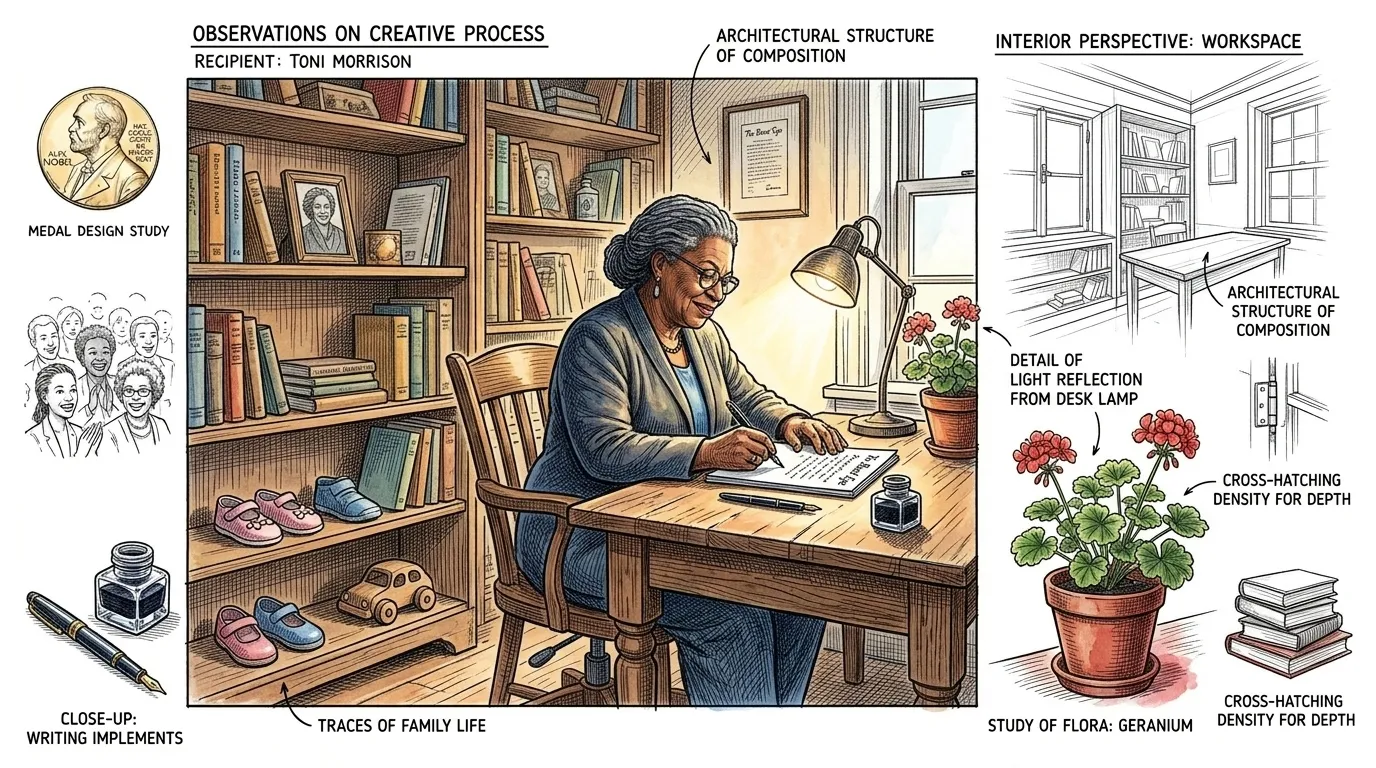
While fostering the careers of other writers, Morrison simultaneously nurtured her own burgeoning creative voice. In 1970, at 39 years old, her first novel, The Bluest Eye, was published. The novel, born from a short story she had written, dared to confront the devastating effects of white beauty standards on a young Black girl in 1940s Ohio. Writing it was a clandestine act, often undertaken in the quiet hours before dawn, while balancing her editorial demands and raising two sons. This act of creation, modest in its initial reception, marked her transition from influential editor to powerful novelist. It was a declaration that stories of marginalization, pain, and yearning held universal resonance, demanding to be told with unflinching honesty and poetic grace.
Biographical Fact: Syracuse, New York — 1970. Toni Morrison publishes her debut novel, The Bluest Eye, a quiet but profound act of literary creation that gave voice to silenced narratives.
Page 6
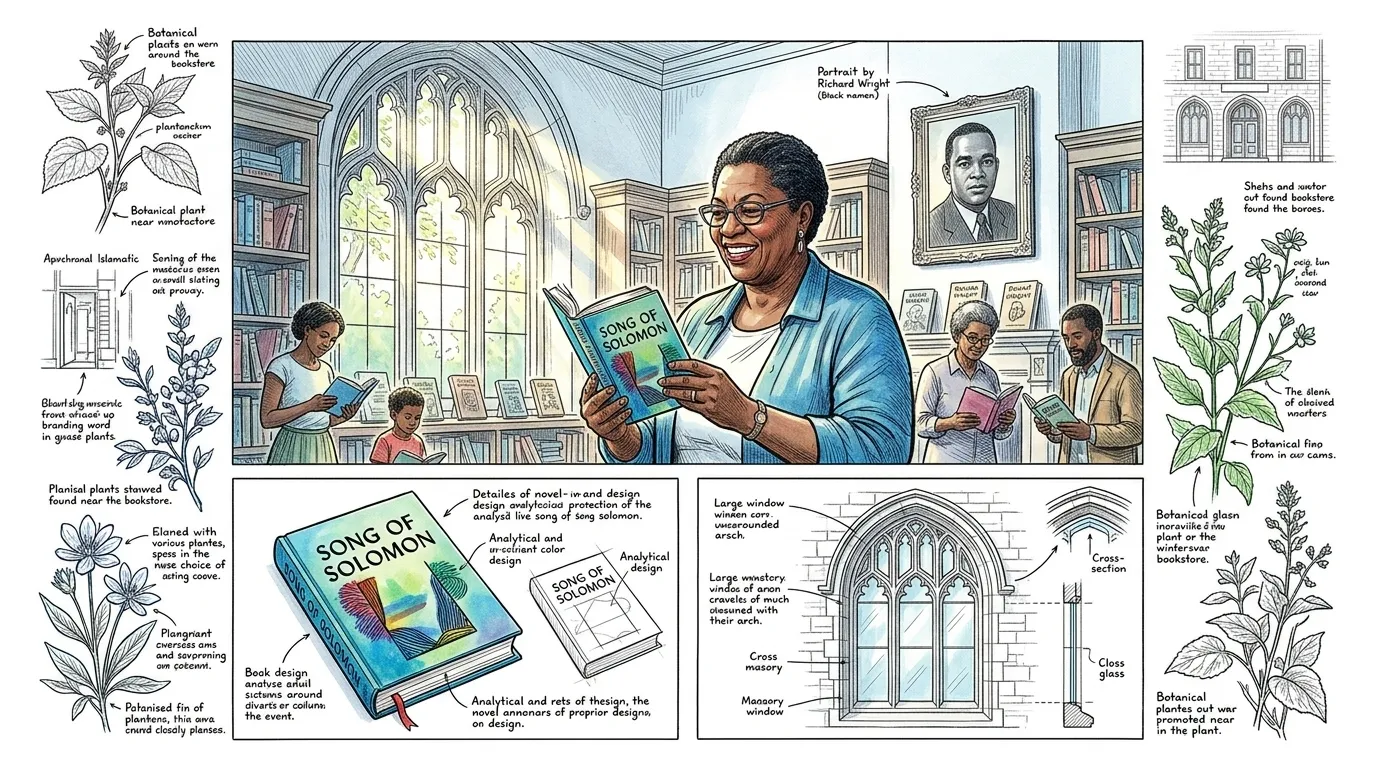
By the mid-1970s, Morrison's novels began to garner significant critical attention. Her third novel, Song of Solomon, published in 1977, represented a watershed moment. This epic tale of an African American man's quest for identity and heritage captivated both critics and the public. It became the first novel by a Black writer since Richard Wright's Native Son (1940) to be chosen as a main selection of the Book-of-the-Month Club, propelling it onto bestseller lists. Song of Solomon went on to win the National Book Critics Circle Award, affirming her as a formidable and distinctive voice in American literature. In that moment, she became impossible to ignore; her storytelling prowess could no longer be confined to niche literary circles.
Biographical Fact: New York City — 1977. With Song of Solomon, Toni Morrison achieves widespread critical and commercial success, securing her place as a major American literary voice.
Page 7
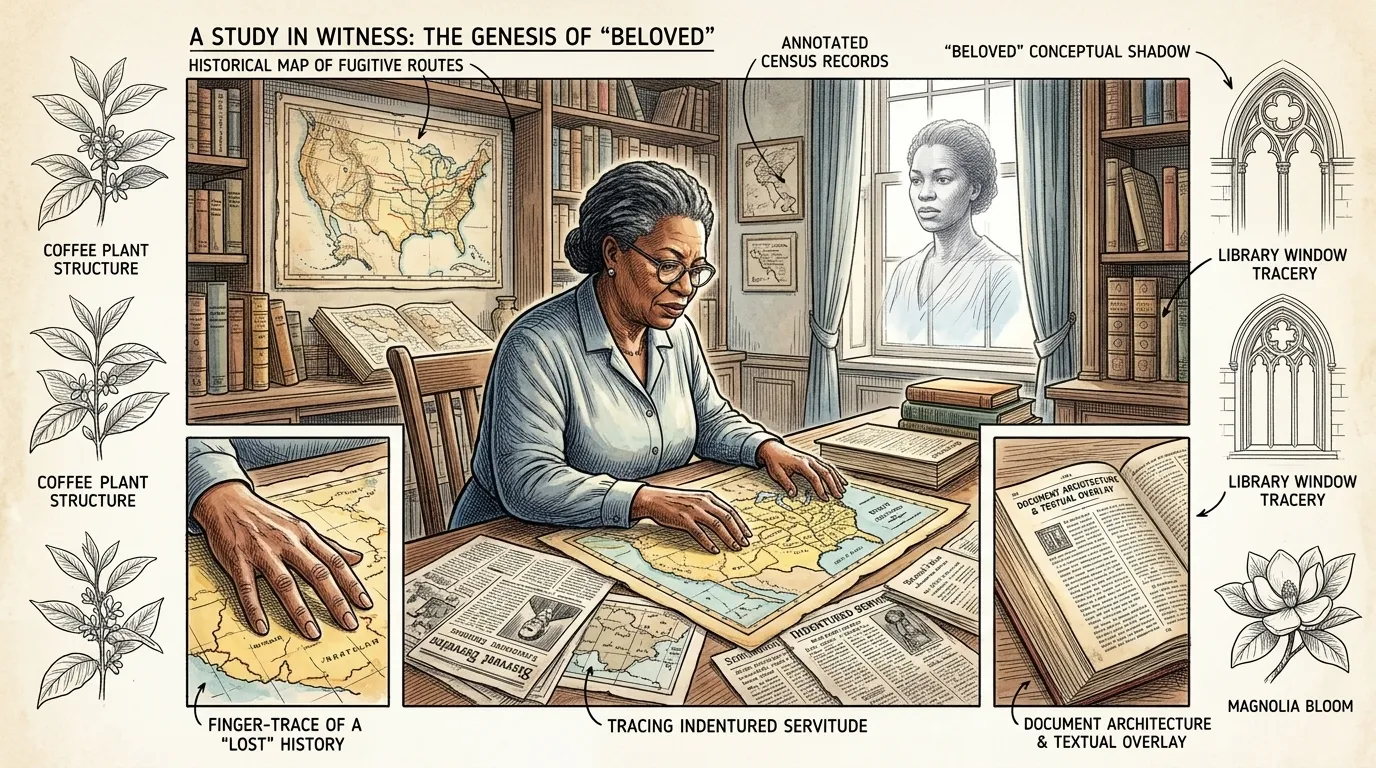
Building upon her established reputation, Morrison embarked on what would become her magnum opus. The research and writing of Beloved, published in 1987, was an intensely demanding and emotionally taxing journey. Inspired by the true story of Margaret Garner, a runaway enslaved woman who chose to kill her child rather than see her returned to slavery, Morrison confronted the brutal legacy of slavery with unflinching honesty and profound artistry. She dared to excavate the psychological trauma and spiritual endurance of those who survived, giving voice to the unspeakable. Beloved was not merely a novel; it was an act of witness, a literary monument to the forgotten, a challenge to America's collective amnesia regarding its most painful history. The world waited for its impact.
Biographical Fact: 1986-1987. Toni Morrison immerses herself in the demanding research and writing of Beloved, confronting the brutal realities of slavery and its enduring psychological scars.
Page 8
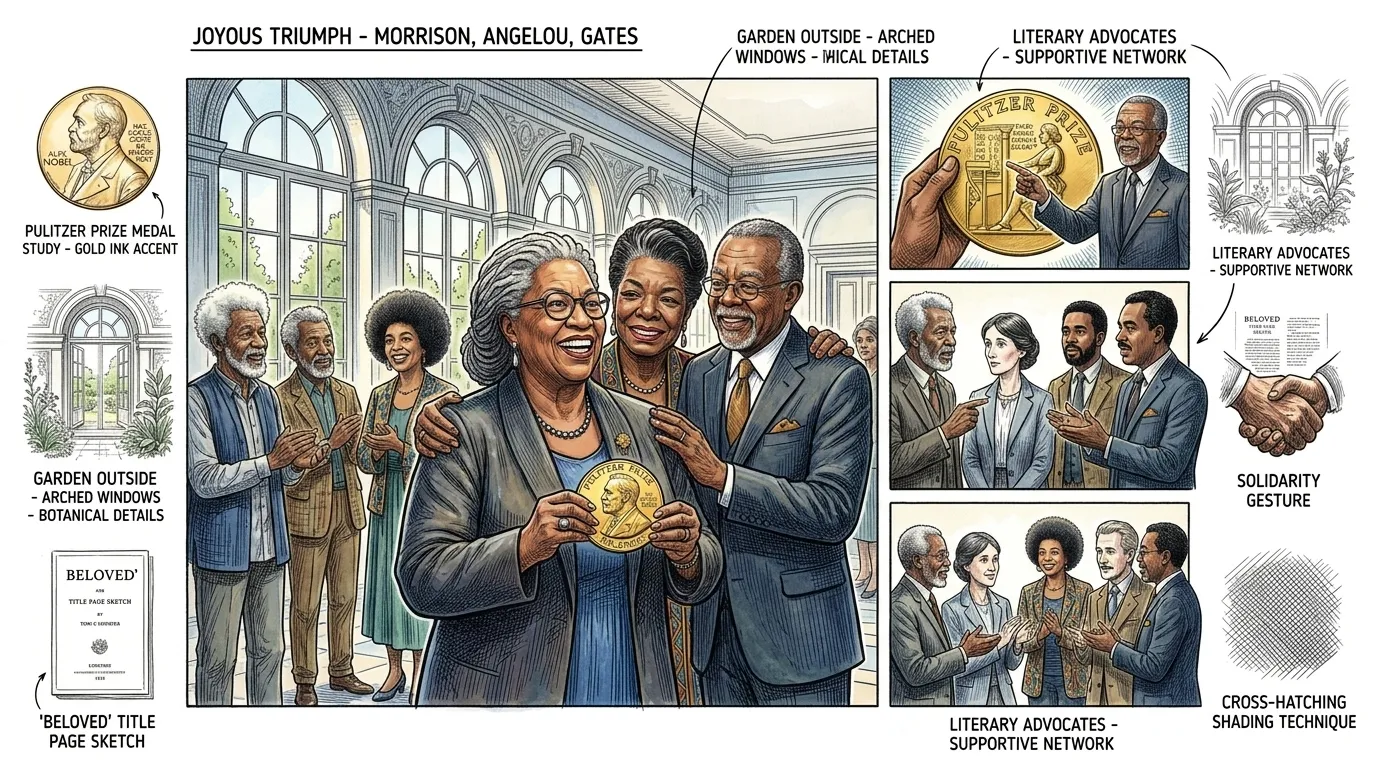
The release of Beloved in 1987 ignited a national conversation. While initially overlooked for some major awards, a letter signed by 48 prominent Black writers and critics, protesting its omission, underscored its profound significance. This collective advocacy, led by Maya Angelou and Henry Louis Gates Jr., amplified the novel's undeniable power. In 1988, Beloved was awarded the Pulitzer Prize for Fiction, a validation of its literary brilliance and cultural necessity. The Pulitzer did more than honor a book; it affirmed the centrality of Black experience and history within the American narrative, forcing a reckoning with the past. Morrison's work was now an indispensable lens through which America viewed itself, prompting a deeper understanding of national identity and historical trauma.
Biographical Fact: New York City — 1988. Beloved wins the Pulitzer Prize for Fiction, solidifying its profound impact on American literature and its re-evaluation of national history.
Page 9
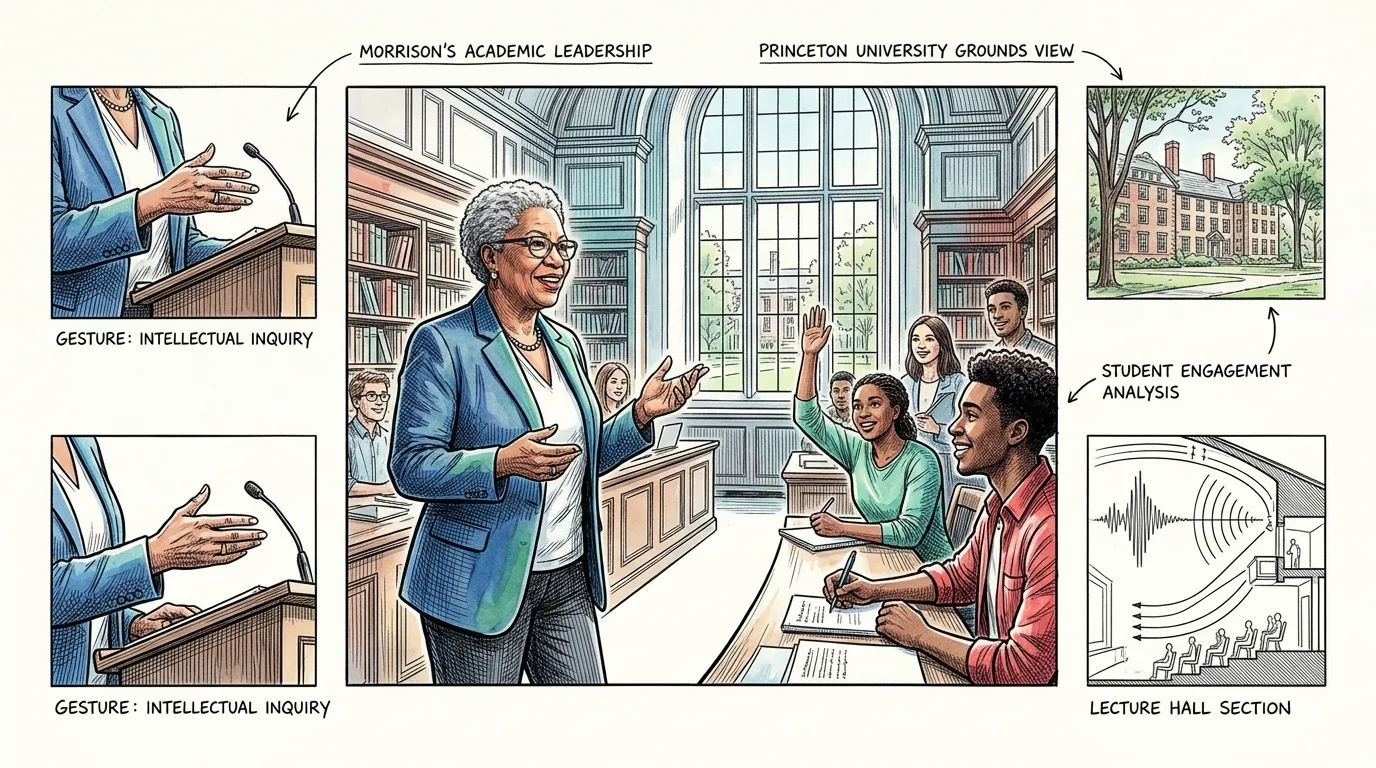
In 1989, Toni Morrison accepted an endowed chair at Princeton University, becoming the Robert F. Goheen Professor in the Humanities. This was a pivotal shift, establishing her not only as a literary giant but also as a formidable public intellectual and academic leader. At Princeton, she shaped the next generation of writers and thinkers, challenging them to confront complex questions of race, class, and gender in their work and lives. Her presence at an Ivy League institution signaled a powerful integration of marginalized voices into the academic mainstream, influencing curriculum and discourse. Morrison's commitment to education and intellectual inquiry extended her reach beyond the printed page, transforming countless students and colleagues through her profound insights and unwavering moral vision. She built bridges for future scholars.
Biographical Fact: Princeton University — 1989. Toni Morrison assumes an endowed professorship, cementing her role as a leading academic and public intellectual, influencing a new generation.
Page 10
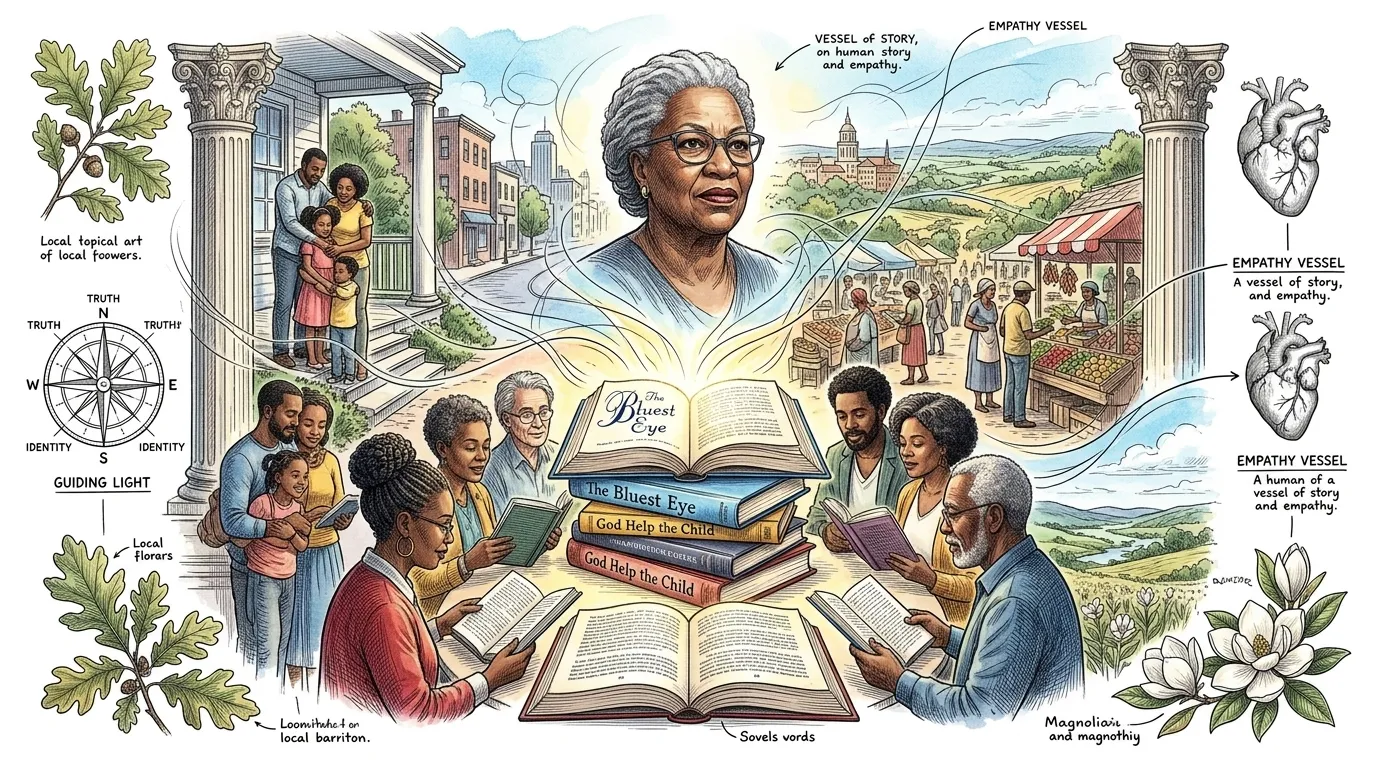
Toni Morrison's passing in 2019 marked the end of an extraordinary life, but not the end of her profound legacy. Her novels, from The Bluest Eye to God Help the Child, stand as monumental contributions to American and world literature. She gave voice to the voiceless, dignity to the marginalized, and challenged foundational assumptions about history, power, and identity. Her fearless exploration of the Black experience illuminated universal truths about humanity's capacity for both cruelty and transcendence. Morrison's work endures as a vital educational tool, a source of solace, and a call to conscience. She did not just write stories; she created entire worlds, leaving an indelible mark that continues to shape how we understand ourselves and the complex tapestry of the human spirit.
Biographical Fact: 2019 and beyond. Toni Morrison's literary legacy endures, her novels continuing to shape discourse, inspire readers, and serve as foundational texts for understanding identity, history, and the human condition.
About this story
- Location: Global
- Audience: general readers
Questions and answers
Read Wonder People on your phone
Wonder People is available on Android. Get Wonder People on Google Play.