Winston Churchill
Winston Churchill — an illustrated biography story, set in Global. 10 illustrated pages, free to read on Wonder People.
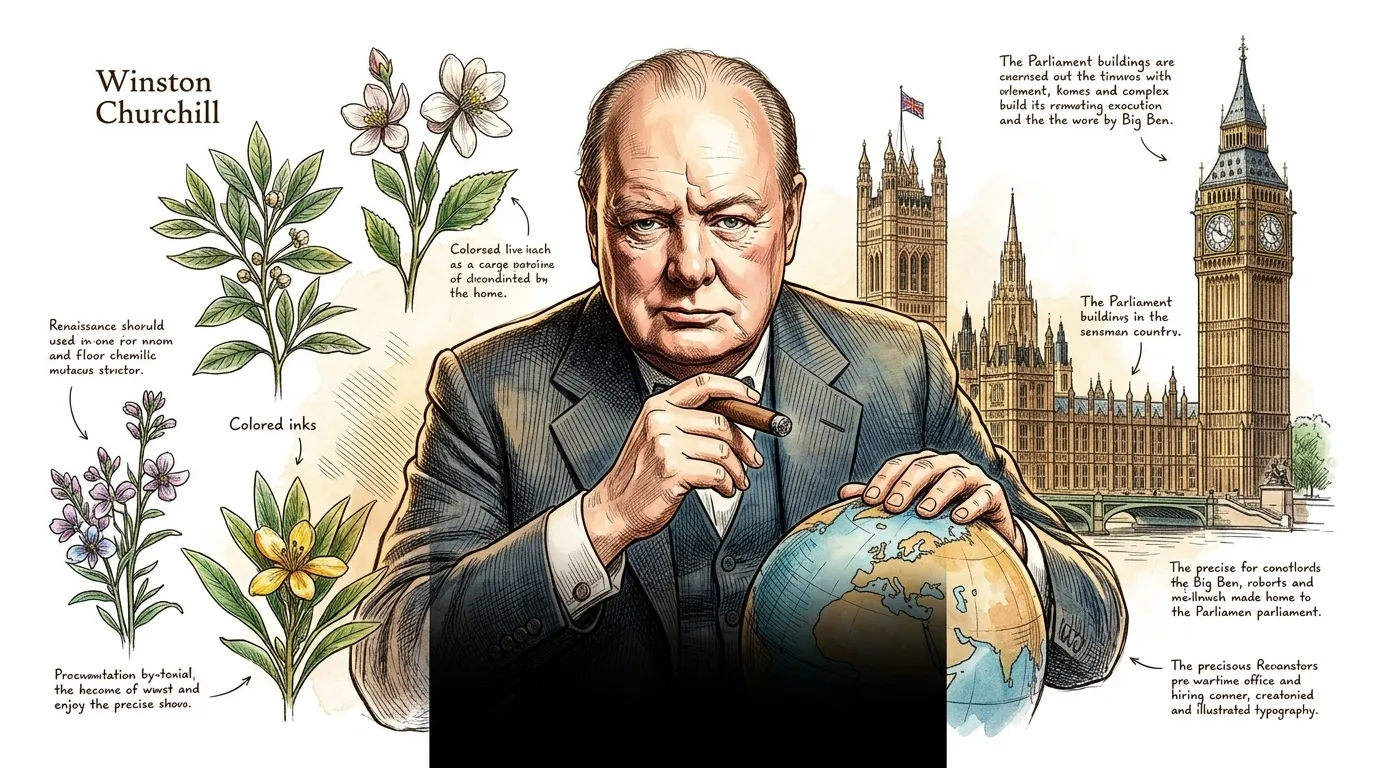
Page 1
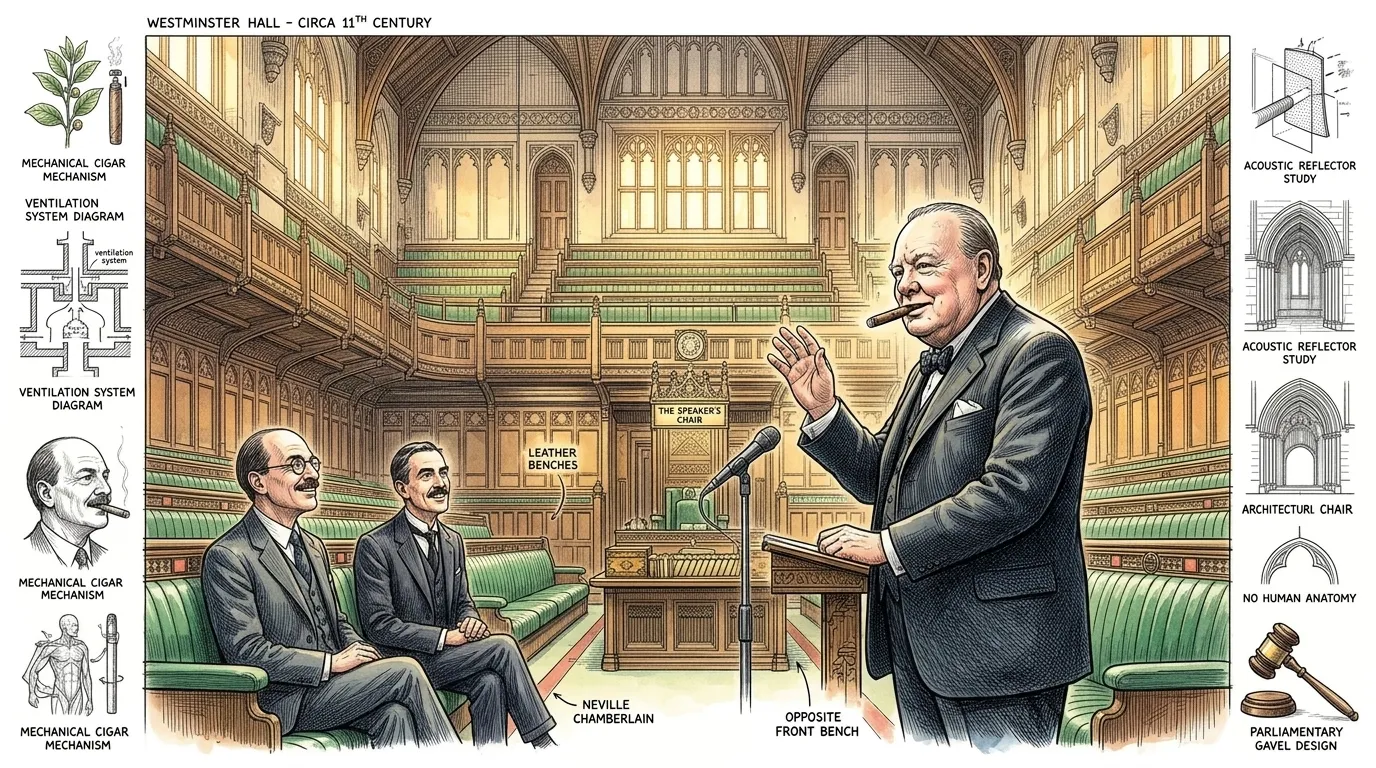
London, June 4, 1940. With France collapsing and Britain facing imminent invasion, Winston Churchill stood before the House of Commons. His voice, unwavering despite the gravity of the moment, projected defiance. He articulated a nation's resolve, declaring Britain would never surrender, preparing its people for a fight 'on the beaches, on the landing grounds, in the fields, in the streets, and in the hills.' This singular speech, delivered to a solemn Parliament including Clement Attlee and Neville Chamberlain, instantly solidified his leadership and galvanized a desperate populace, making him the unyielding symbol of resistance.
Biographical Fact: Winston Churchill's 'We Shall Fight on the Beaches' speech was a pivotal moment in World War II, rallying a nation isolated after the fall of France.
Page 2
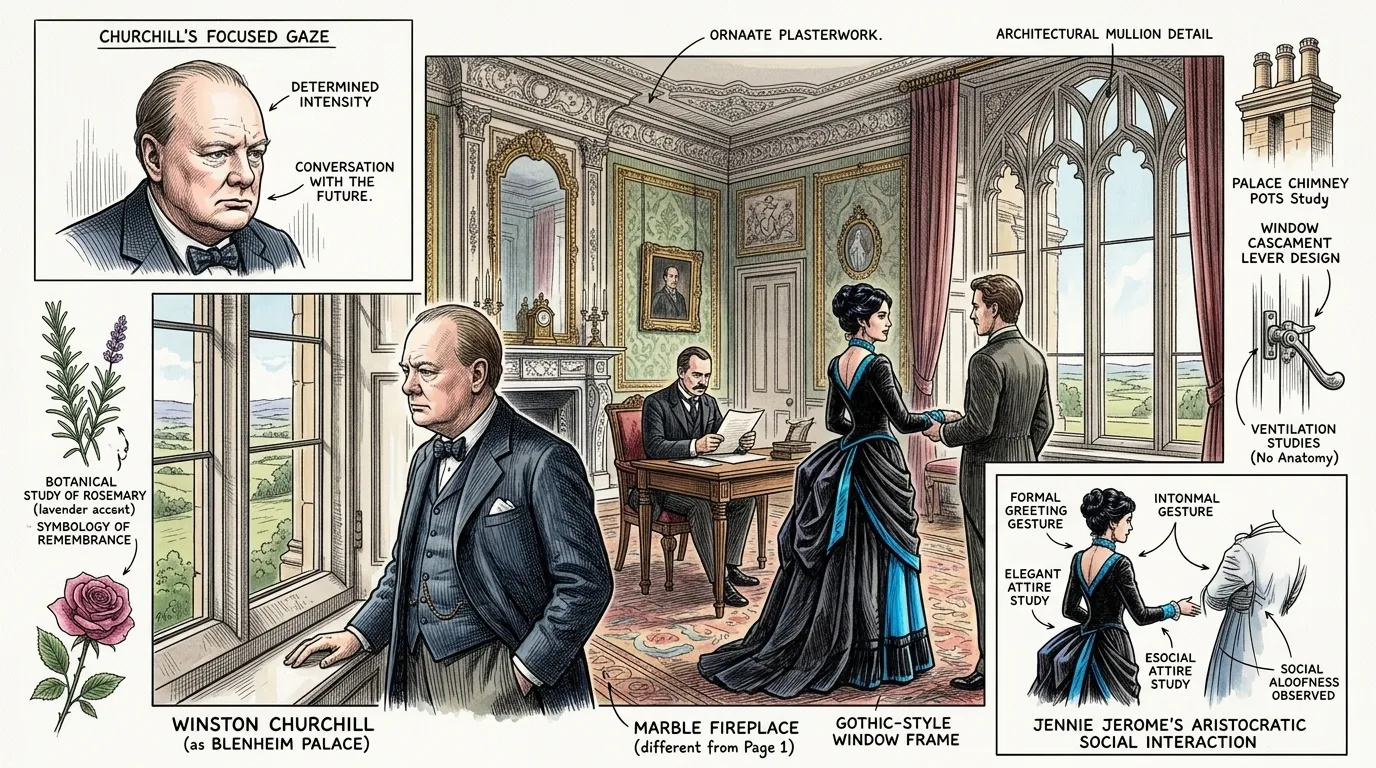
Born at Blenheim Palace in 1874, the grandson of a Duke, Winston Churchill inherited a complex legacy. His early life was shaped by an often distant father, Lord Randolph Churchill, and a glamorous, socially active American mother, Jennie Jerome. This aristocratic yet emotionally sparse upbringing, coupled with his rebellious spirit and strong will, propelled him toward a life of public service. He sought to forge his own path, a drive instilled by a desire to live up to a father he both revered and felt overshadowed by.
Biographical Fact: Churchill's aristocratic birth at Blenheim Palace and his challenging relationship with his father, Lord Randolph Churchill, heavily influenced his ambition and early career choices.
Page 3
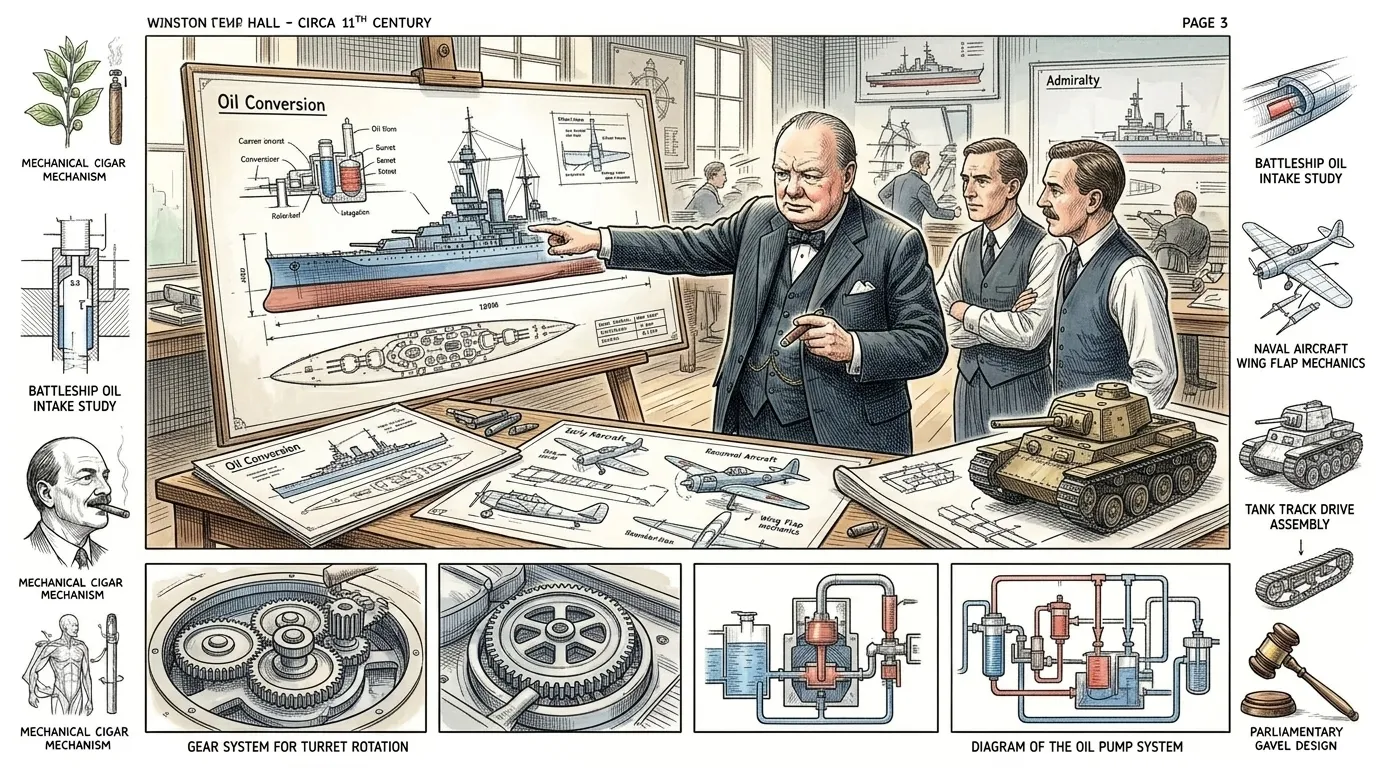
In 1911, Winston Churchill, at 36, became First Lord of the Admiralty, a role that demanded audacious vision. He immediately recognized the coming threat of naval warfare and initiated radical reforms, pushing for the Royal Navy's transition from coal to oil, a highly controversial but prescient decision. He championed new technologies like naval aviation and pushed for the development of the tank, understanding that future conflicts would be fought with unprecedented mechanization. His actions reshaped British naval power for the impending global conflict.
Biographical Fact: As First Lord of the Admiralty, Churchill's strategic foresight led to the modernization of the Royal Navy, including the critical shift from coal to oil fuel.
Page 4
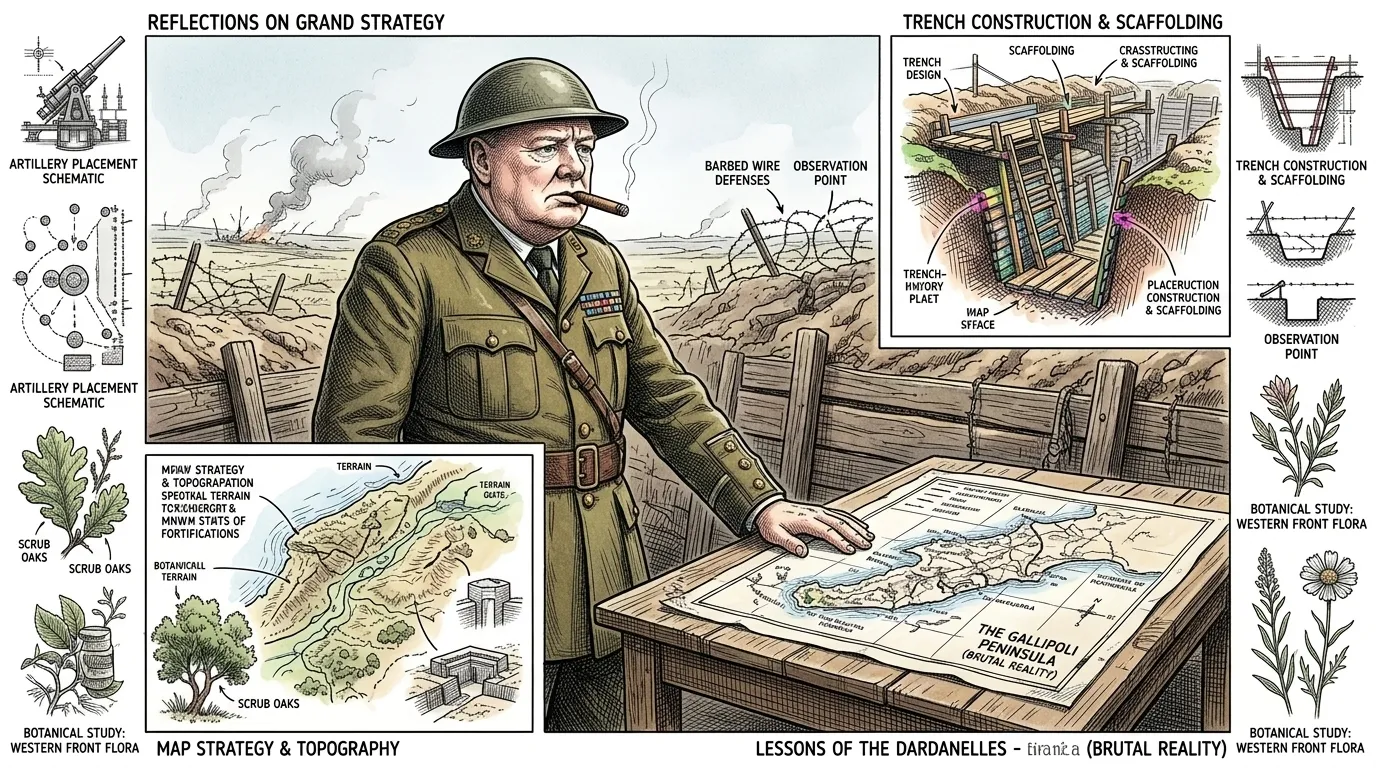
The Dardanelles Campaign of 1915, conceived by Churchill, aimed to knock the Ottoman Empire out of World War I, opening a new front. This ambitious naval and land invasion of the Gallipoli peninsula ultimately failed, resulting in catastrophic Allied casualties and a profound political blow to Churchill. The immense loss of life and the strategic failure led to his resignation from the Admiralty, forcing him into a period of self-reflection and military service on the Western Front, a stark lesson in the brutal realities of grand strategy.
Biographical Fact: The disastrous Gallipoli Campaign, advocated by Churchill, was a significant military and political failure, leading to his temporary removal from high office.
Page 5
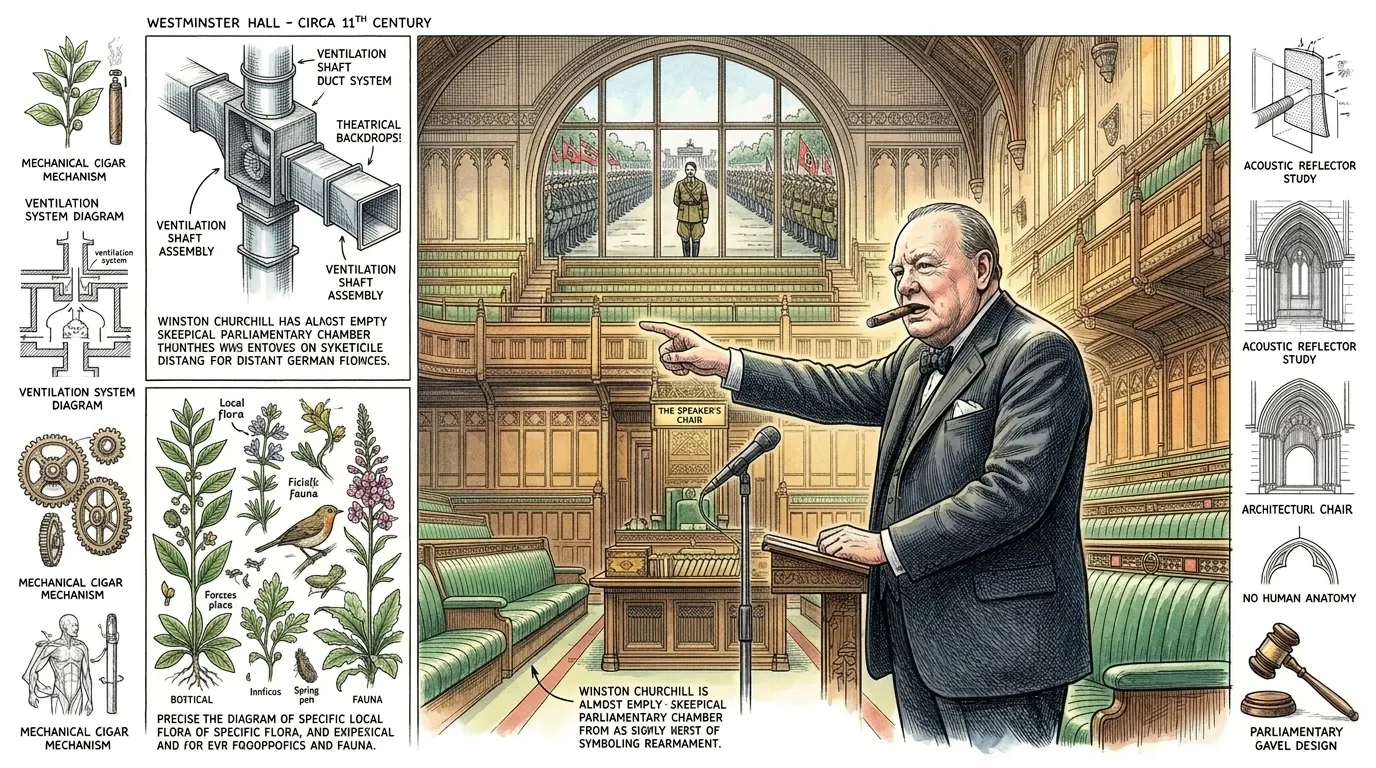
Through the 1930s, as Europe drifted towards catastrophe, Winston Churchill found himself largely isolated in British politics. He became a relentless prophet of doom, warning Parliament and the public about the dangers of German rearmament under Adolf Hitler and the folly of appeasement. His impassioned speeches and articles, often dismissed as warmongering, articulated a clear-eyed understanding of the gathering storm. Despite public and political disdain, he refused to compromise his convictions, establishing himself as a solitary voice of reason amidst a policy of denial.
Biographical Fact: During his 'Wilderness Years' in the 1930s, Churchill tirelessly warned against the rise of Nazi Germany and the dangers of appeasement, often to widespread disregard.
Page 6
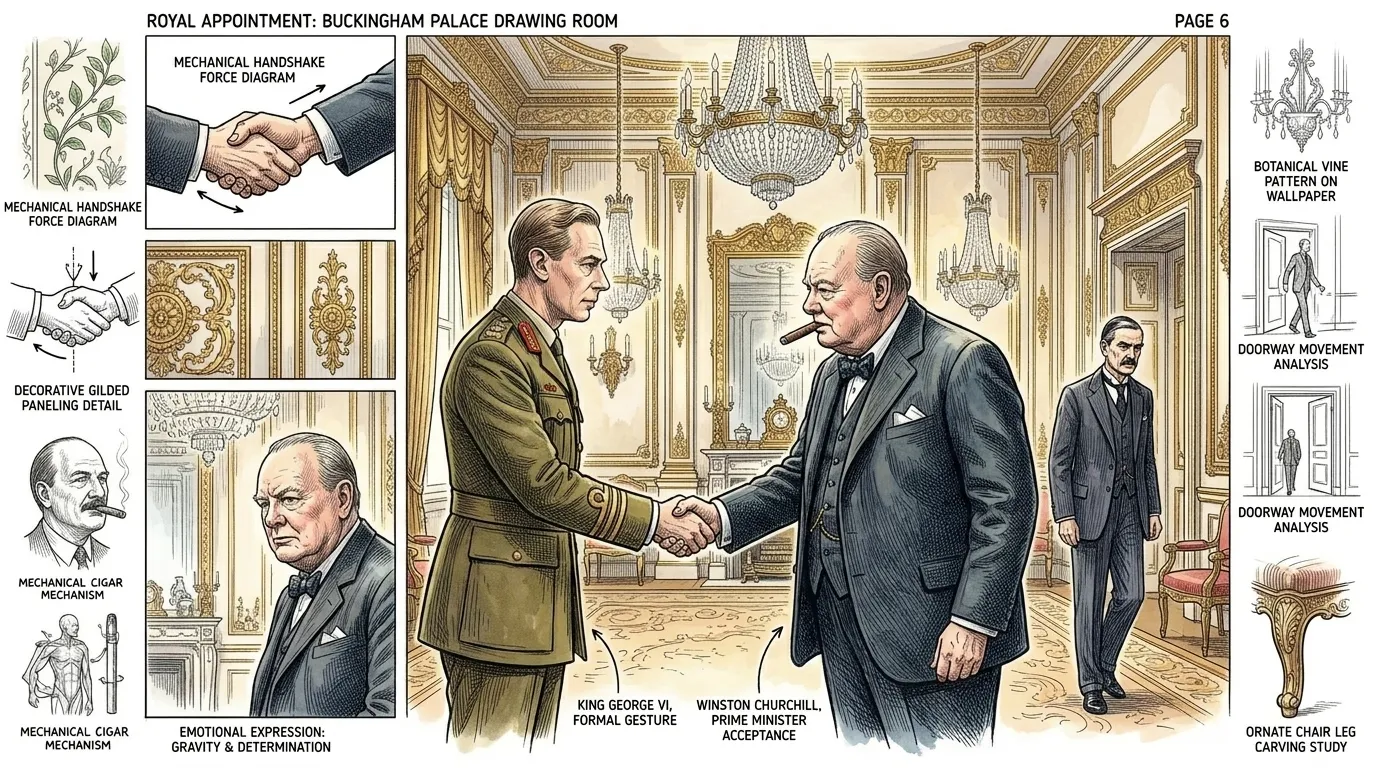
May 10, 1940. Germany launched its blitzkrieg into France and the Low Countries, plunging Europe into its gravest crisis. As Allied defenses crumbled, Prime Minister Neville Chamberlain, his policy of appeasement utterly discredited, resigned. King George VI, after consulting with other political leaders, turned to the one man who had consistently warned of the danger and now possessed the unshakeable resolve required. Winston Churchill, at 65, was summoned to Buckingham Palace, accepting the immense burden of wartime leadership as his nation stood on the precipice.
Biographical Fact: With the fall of France imminent, Winston Churchill was appointed Prime Minister on May 10, 1940, by King George VI, tasked with leading Britain through its darkest hour.
Page 7
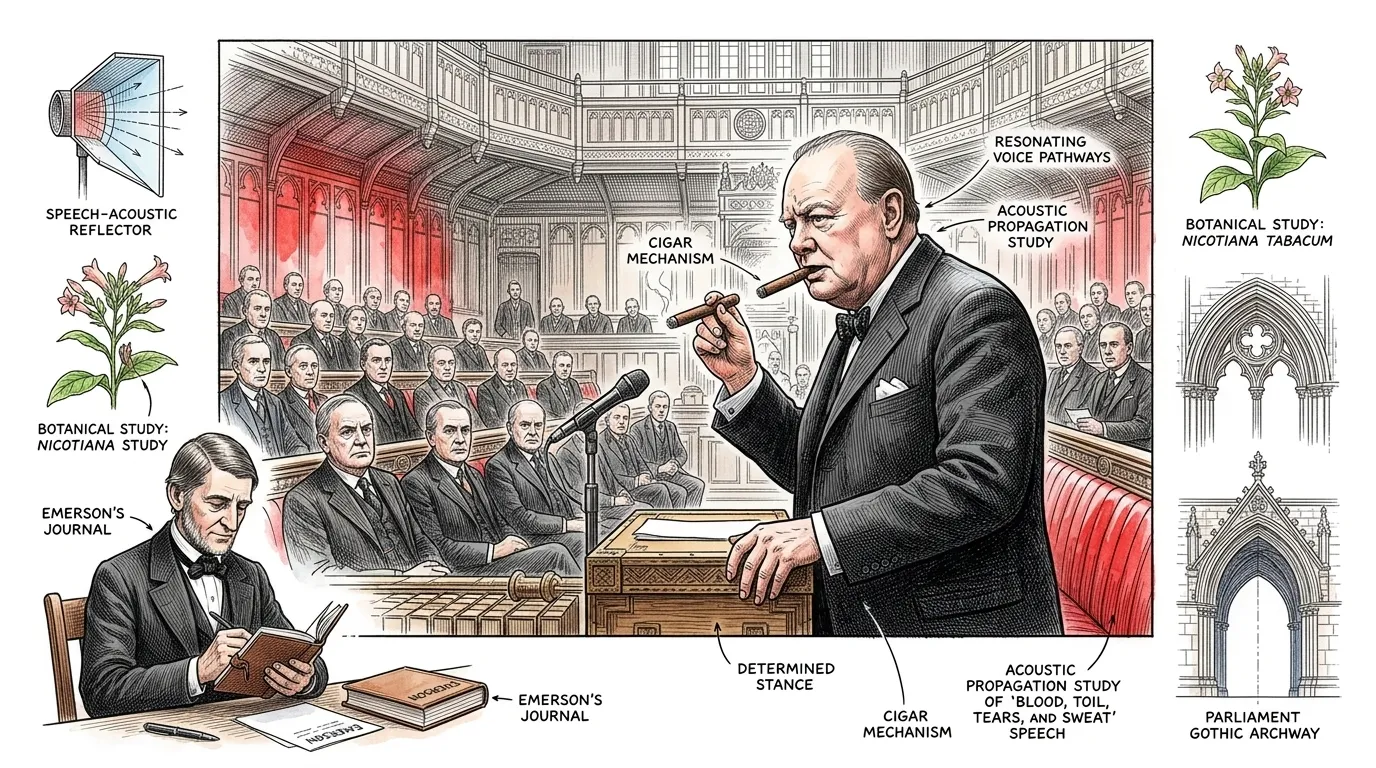
On May 13, 1940, just three days after becoming Prime Minister, Winston Churchill delivered his first address to Parliament. He offered no easy victories, only an unvarnished commitment to struggle. He stated, 'I would say to the House as I said to those who have joined this Government: 'I have nothing to offer but blood, toil, tears and sweat.'' This direct, uncompromising pledge, echoing the brutal honesty he believed necessary, resonated with a nation facing existential threat. He implicitly understood, as the American philosopher Ralph Waldo Emerson once wrote, 'Our chief want in life is somebody who shall make us do what we can.' Churchill now became that force for the British people.
Biographical Fact: Churchill's 'Blood, Toil, Tears, and Sweat' speech, his first as Prime Minister, outlined the grim reality of the war and his unwavering commitment to victory, defining his leadership.
Page 8
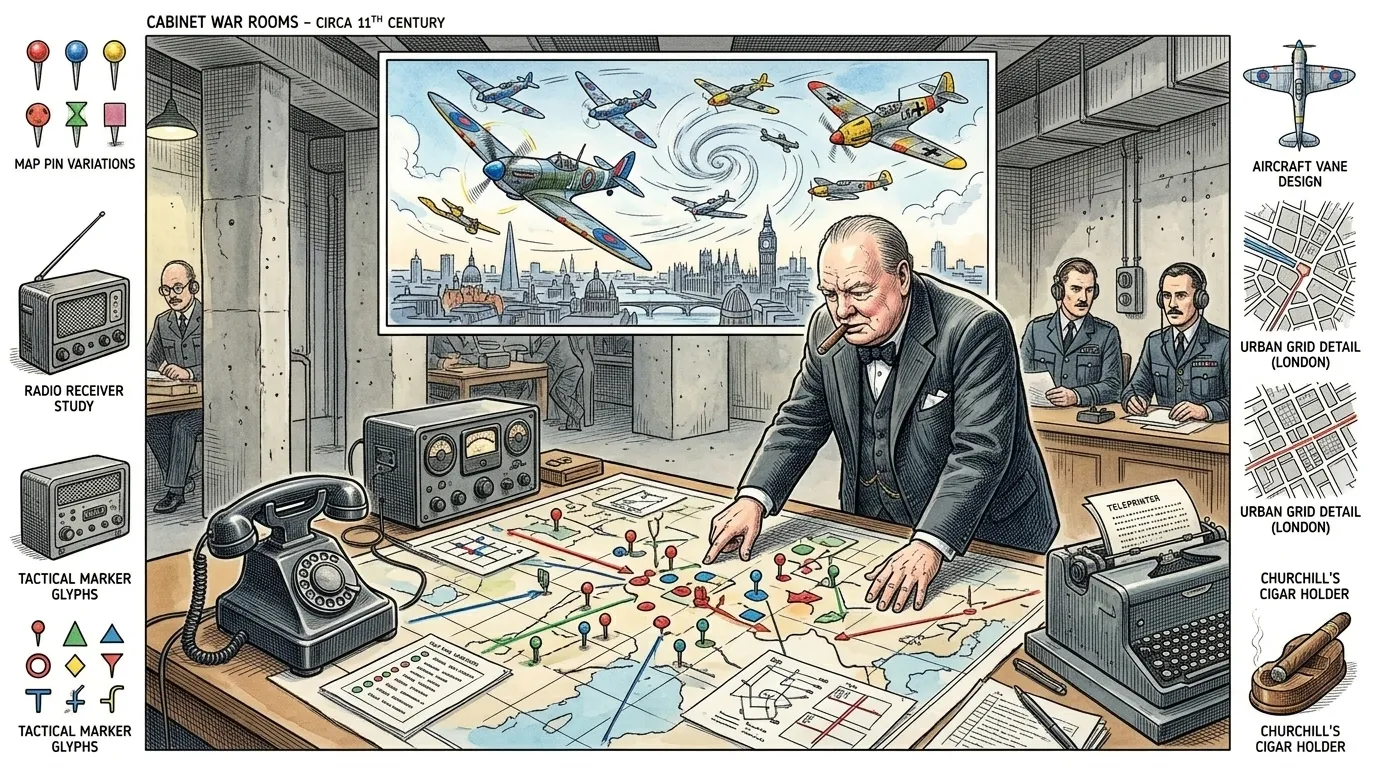
Through the summer and autumn of 1940, Britain endured the relentless aerial onslaught of the Luftwaffe during the Battle of Britain. From the underground Cabinet War Rooms in London, Churchill directed the defense, inspiring fighter pilots and the civilian population through his broadcasts. His leadership, calm amidst chaos, galvanized the nation's resolve. By preventing a successful German invasion, he not only saved Britain but also preserved the last democratic stronghold in Western Europe, ensuring the war continued and establishing a critical turning point.
Biographical Fact: Churchill's steadfast leadership during the Battle of Britain in 1940 was crucial in preventing a German invasion and sustaining the Allied war effort.
Page 9
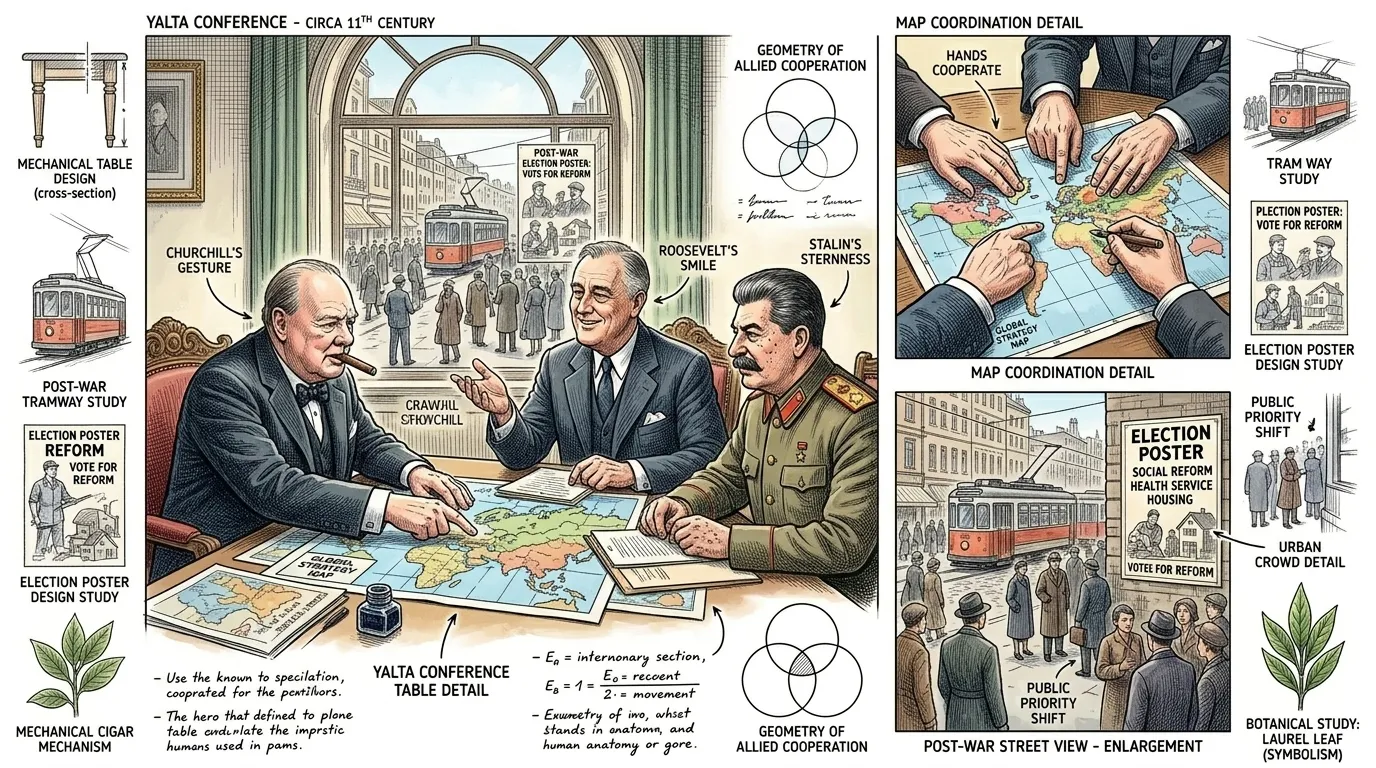
As the war progressed, Churchill forged the crucial 'Grand Alliance' with American President Franklin D. Roosevelt and Soviet Premier Joseph Stalin, coordinating global strategy at conferences like Yalta in 1945. His diplomatic prowess was instrumental in uniting disparate powers against the Axis. Yet, despite leading Britain to victory, the immediate post-war general election in 1945 saw his Conservative Party overwhelmingly defeated. The public, seeking social reform and a new vision for peacetime, rejected their wartime leader, highlighting the complex and sometimes ungrateful nature of democratic politics.
Biographical Fact: Churchill's wartime diplomacy created the Grand Alliance, but the 1945 general election saw his popular rejection as Britain prioritized domestic reconstruction.
Page 10
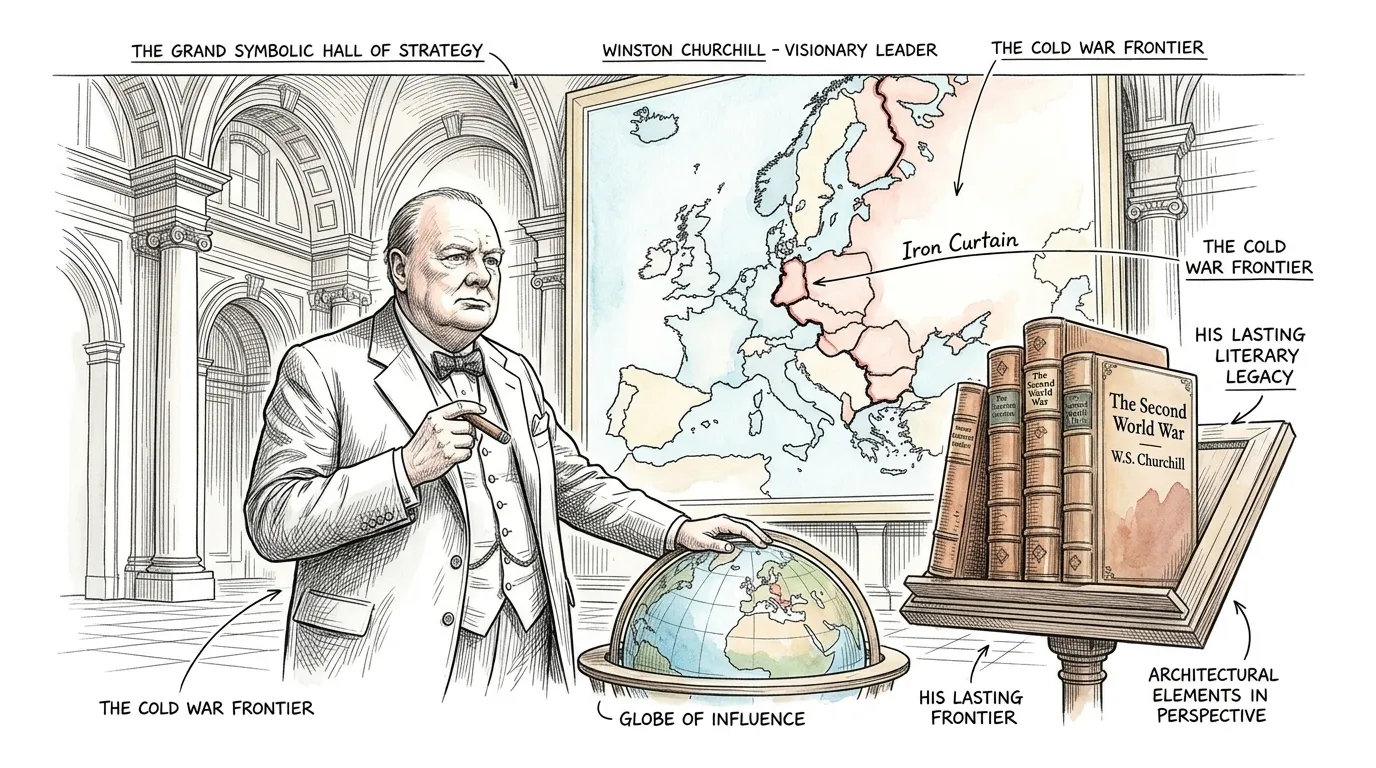
Winston Churchill's legacy endures as a colossus of the 20th century. His unwavering resolve in 1940 saved Western democracy from totalitarianism, forever linking his name with defiance in the face of tyranny. Beyond the war, he coined the phrase 'Iron Curtain,' forewarning the Cold War, and advocated for European unity. His voluminous writings, particularly his six-volume history of World War II, cemented his place as a compelling historian and master orator. He remains a complex, monumental figure whose words and actions continue to resonate, embodying courage and the power of leadership in times of crisis.
Biographical Fact: Churchill's legacy is defined by his wartime leadership, his prescience regarding the Cold War, and his lasting contributions as an orator and historian.
About this story
- Location: Global
- Audience: general readers
Questions and answers
Read Wonder People on your phone
Wonder People is available on Android. Get Wonder People on Google Play.