Wolfgang Amadeus Mozart
Wolfgang Amadeus Mozart — an illustrated biography story, set in Global. 10 illustrated pages, free to read on Wonder People.
Page 1
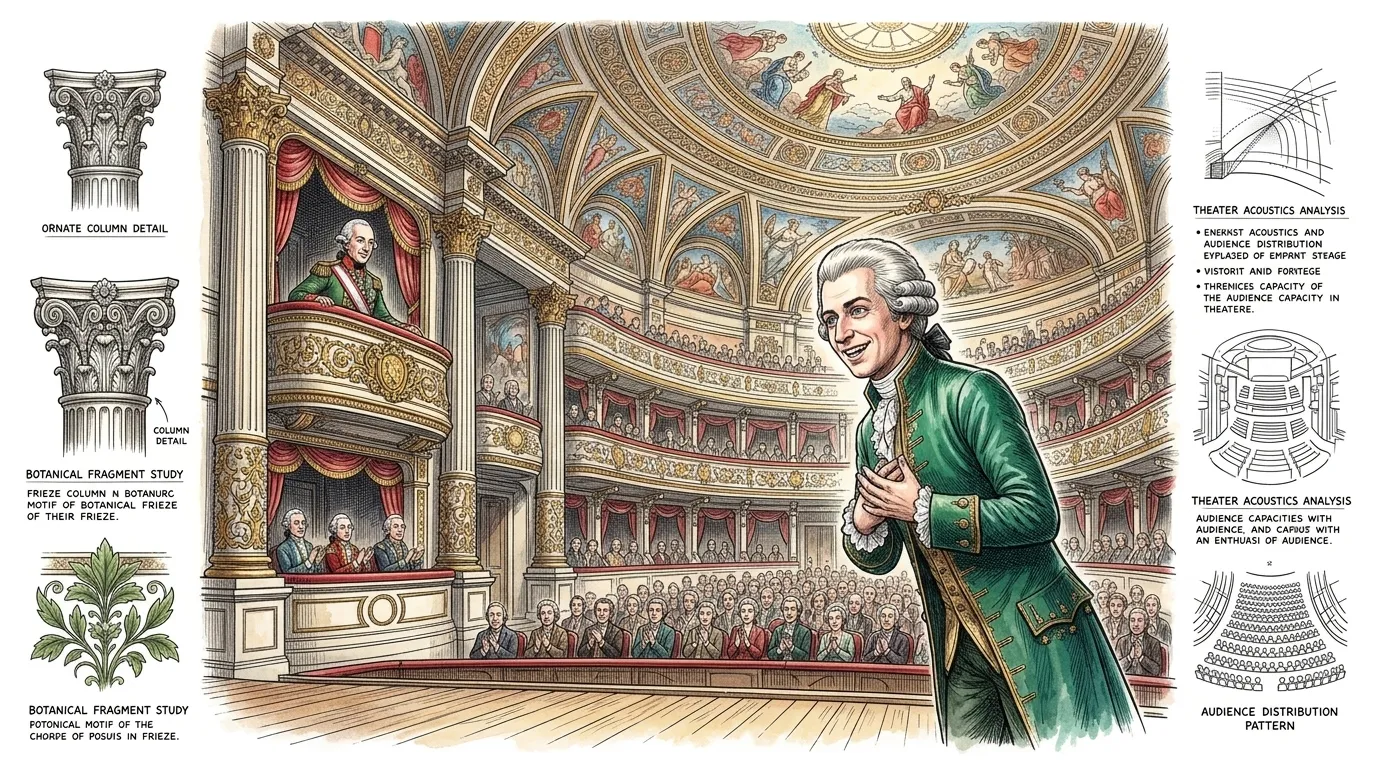
On May 1, 1786, inside Vienna's Imperial Burgtheater, Wolfgang Amadeus Mozart stood before a packed house for the premiere of his opera, Le nozze di Figaro. Emperor Joseph II, a direct patron, observed from his royal box as the overture swelled. The audience, comprising Vienna's elite, erupted in a clamor of applause and cheers for five numbers, demanding encores, signaling an undeniable triumph that instantly cemented Mozart's position as a master of the stage. The sheer audacity and beauty of the work captivated the city, irrevocably altering the trajectory of opera itself.
Page 2
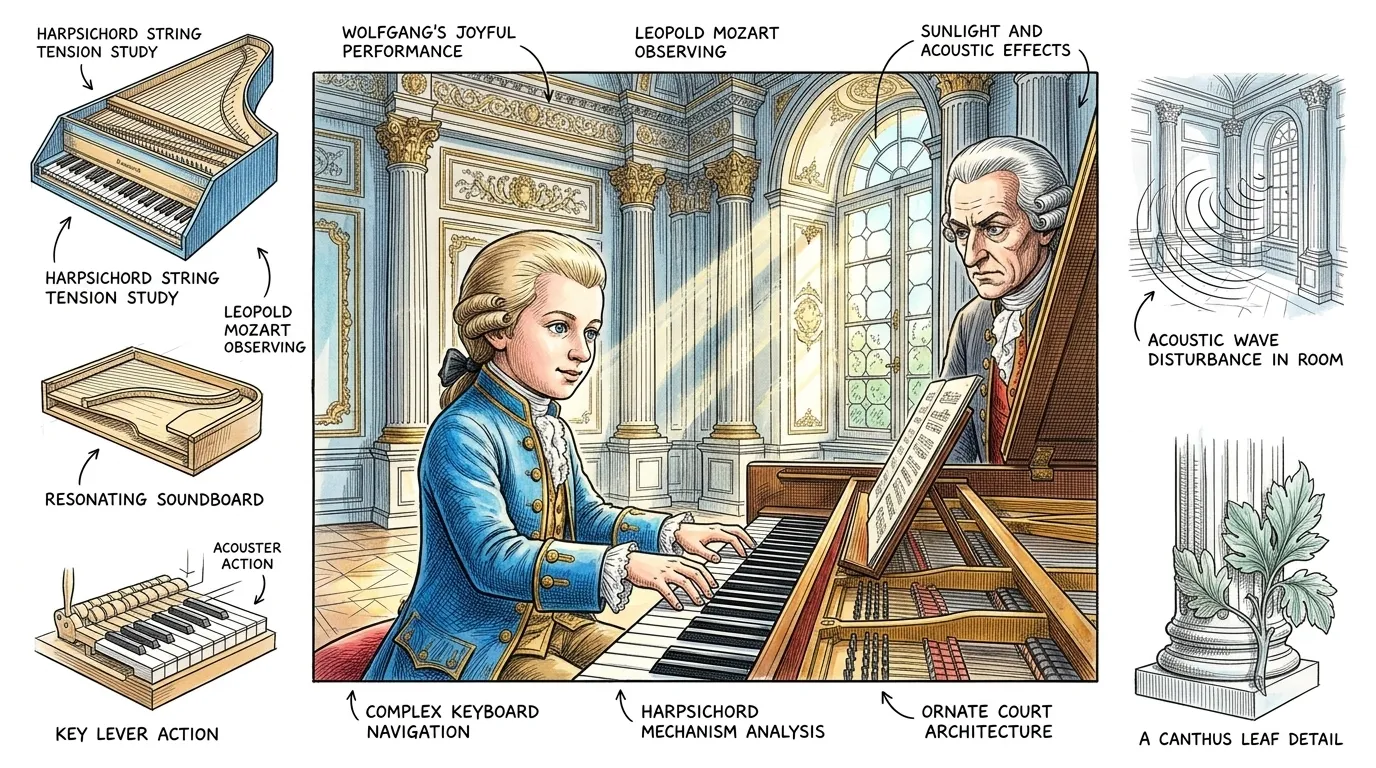
From his earliest years in Salzburg, Austria, Wolfgang Amadeus Mozart demonstrated an almost supernatural gift for music. His father, Leopold Mozart, a respected composer and violinist, recognized this rare talent and meticulously cultivated it, embarking on extensive tours across Europe to showcase his prodigal son. Before the age of ten, young Wolfgang performed for empresses, kings, and dukes in grand European courts, effortlessly composing and improvising, his small hands navigating the harpsichord with uncanny skill. These early encounters forged his understanding of European musical traditions and the demands of aristocratic patronage, shaping both his ambition and his compositional voice.
Page 3
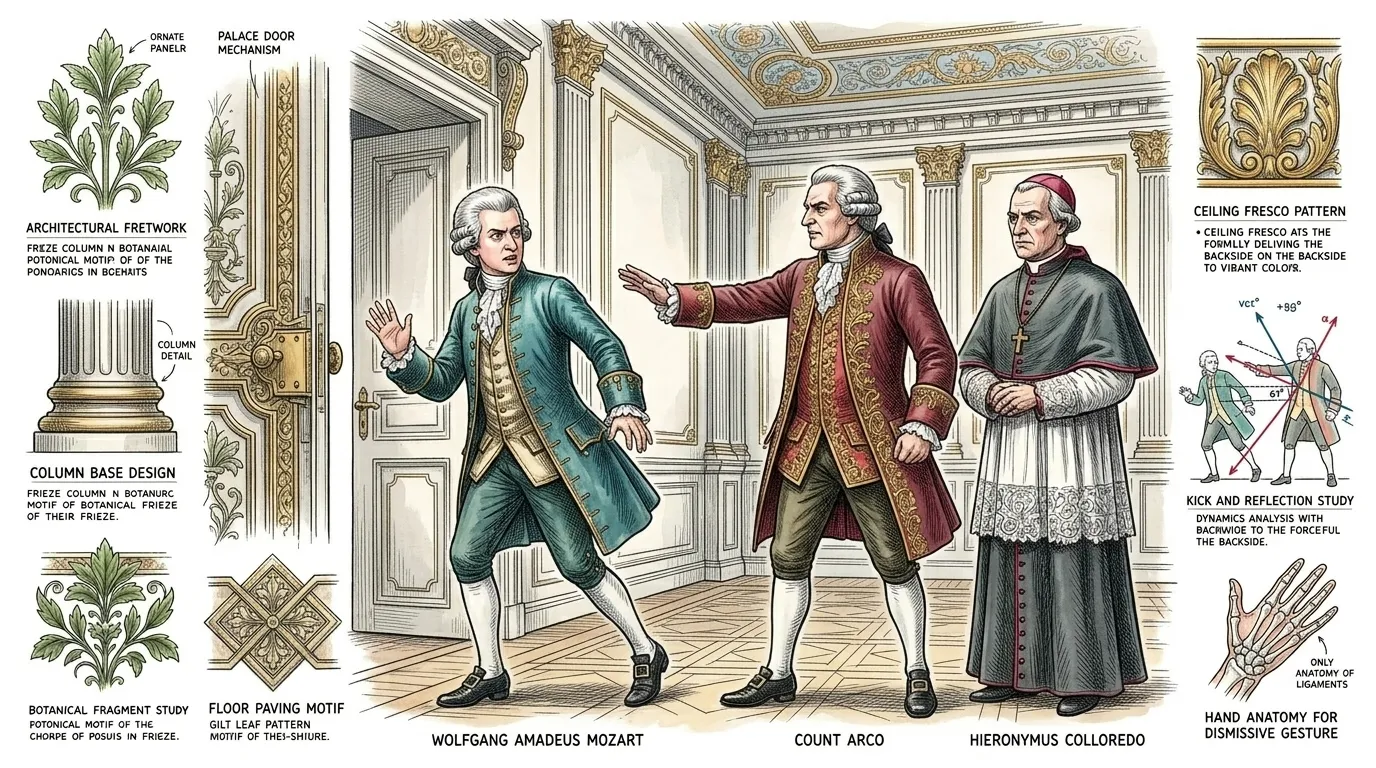
In 1781, Wolfgang Amadeus Mozart made a momentous decision: to sever ties with his demanding employer, Archbishop Colloredo, in Salzburg. After a heated argument in Vienna, Mozart was famously dismissed with 'a kick on the backside' by the Archbishop's steward, Count Arco. This forceful separation marked a pivotal moment, transforming the celebrated Kapellmeister into an independent, freelance artist. It was a perilous step into the uncertain world of self-reliance, yet it was a necessary declaration of artistic freedom that would redefine his career.
Page 4
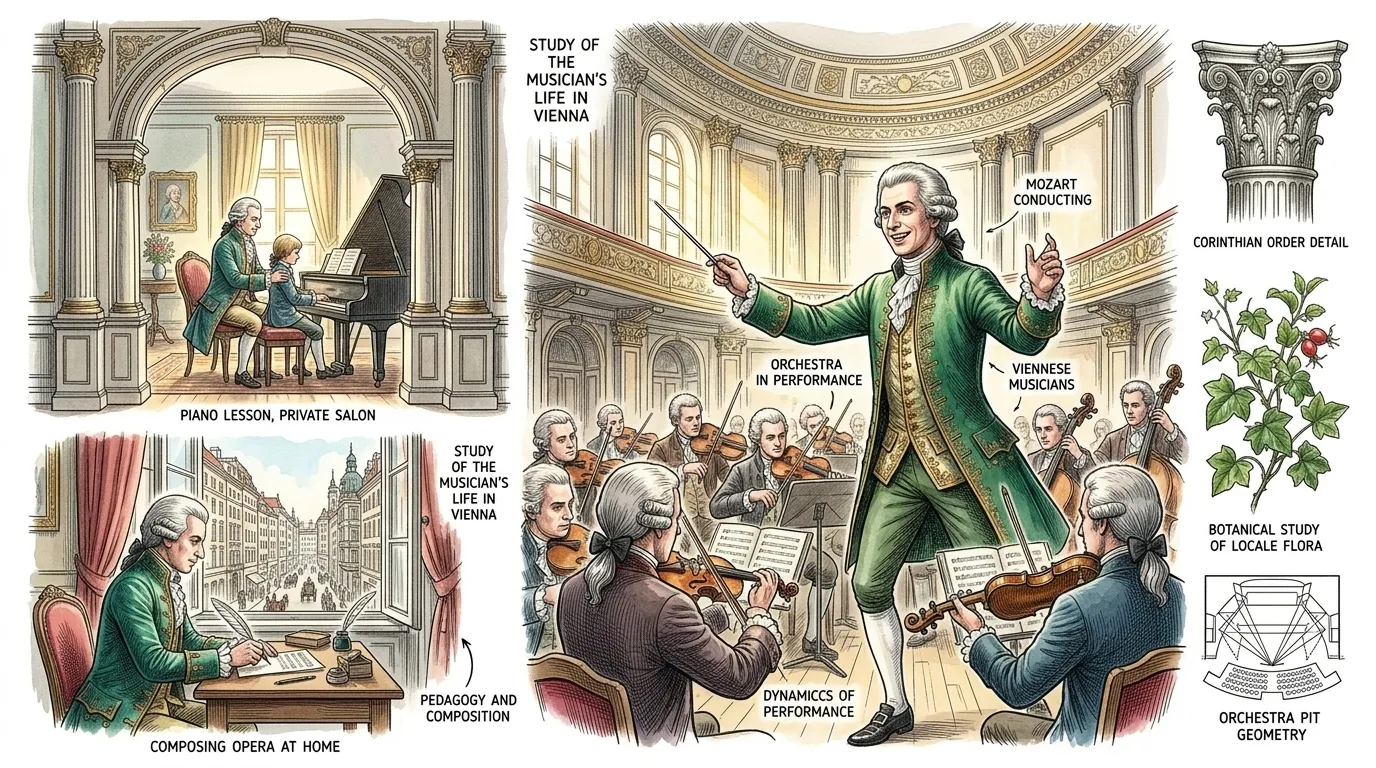
Establishing himself in Vienna, the vibrant musical capital, Mozart immediately plunged into a whirlwind of activity. He supported himself by giving piano lessons, publishing works, and performing in and conducting his own concerts, often featuring new symphonies and concertos. He sought out commissions, cultivated new patrons, and adapted to the demands of a competitive, cosmopolitan city. His opera Die Entführung aus dem Serail (The Abduction from the Seraglio), premiered in 1782, became a resounding success, proving his ability to thrive as an independent artist and captivate the Viennese public.
Page 5
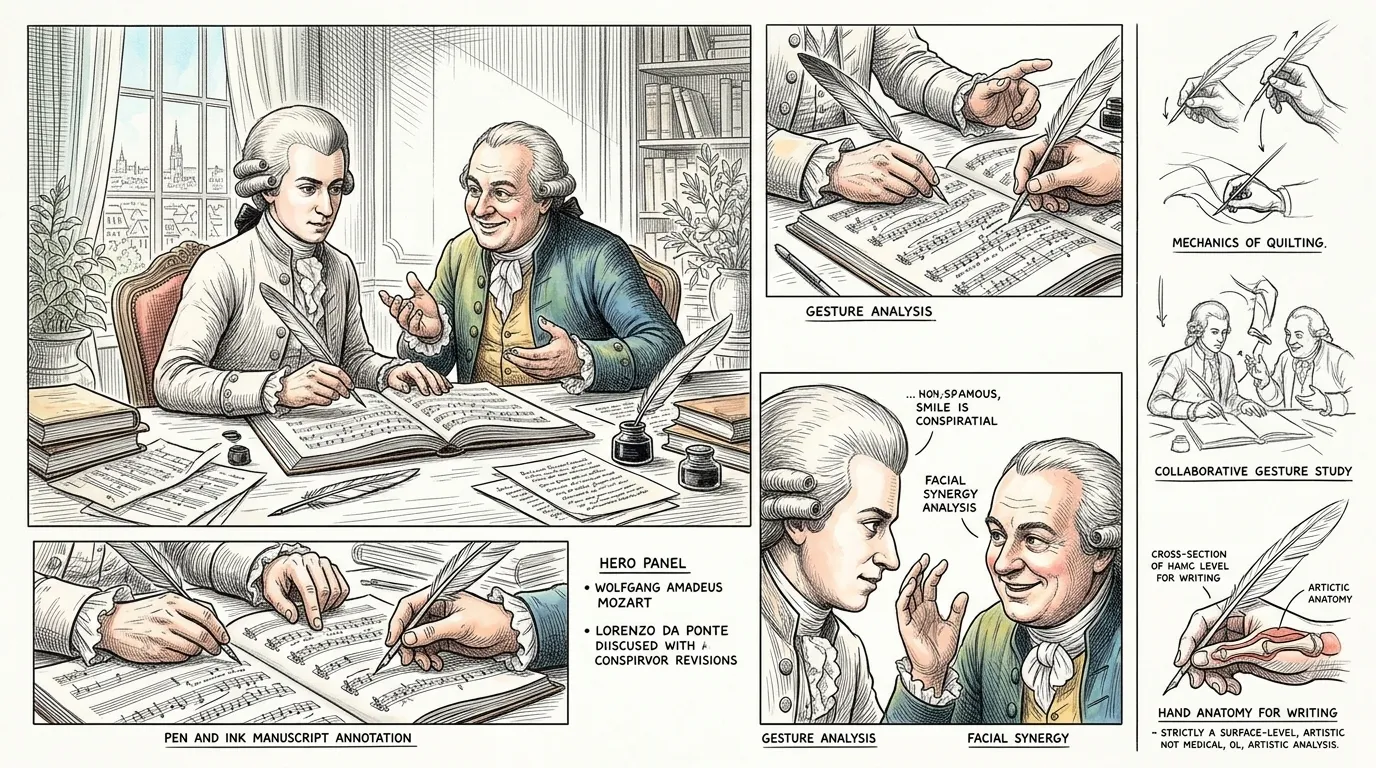
Wolfgang Amadeus Mozart's most celebrated operatic achievements blossomed from his collaboration with the librettist Lorenzo da Ponte. Their partnership, beginning with The Marriage of Figaro, was a rare synergy of dramatic insight and musical genius. Da Ponte crafted plots full of wit, human frailty, and profound emotion, which Mozart then elevated with music of unparalleled depth and characterization. Their creative process involved intense discussions and revisions, culminating in works that defied convention and explored complex human psychology with revolutionary force.
Page 6
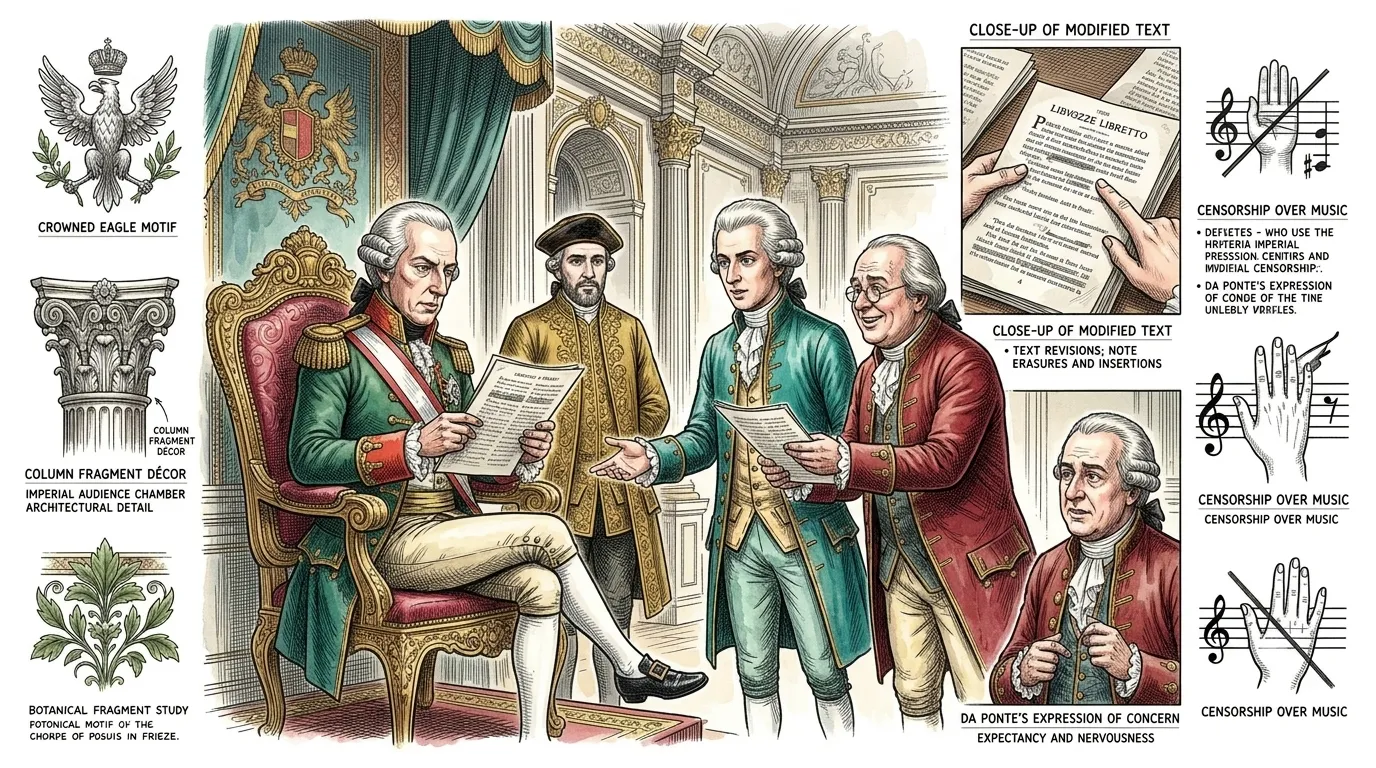
The path to staging The Marriage of Figaro was fraught with political obstacles, due to the play's revolutionary themes of class struggle. Emperor Joseph II initially banned the Beaumarchais play upon which the opera was based. Mozart and Lorenzo da Ponte worked tirelessly, modifying the libretto to appease the court censors while retaining its dramatic core. Their combined efforts, coupled with Mozart's growing reputation and the Emperor's eventual approval, finally secured the coveted commission for the Imperial Burgtheater, a high-stakes gamble that would either solidify Mozart's fame or ruin his standing.
Page 7
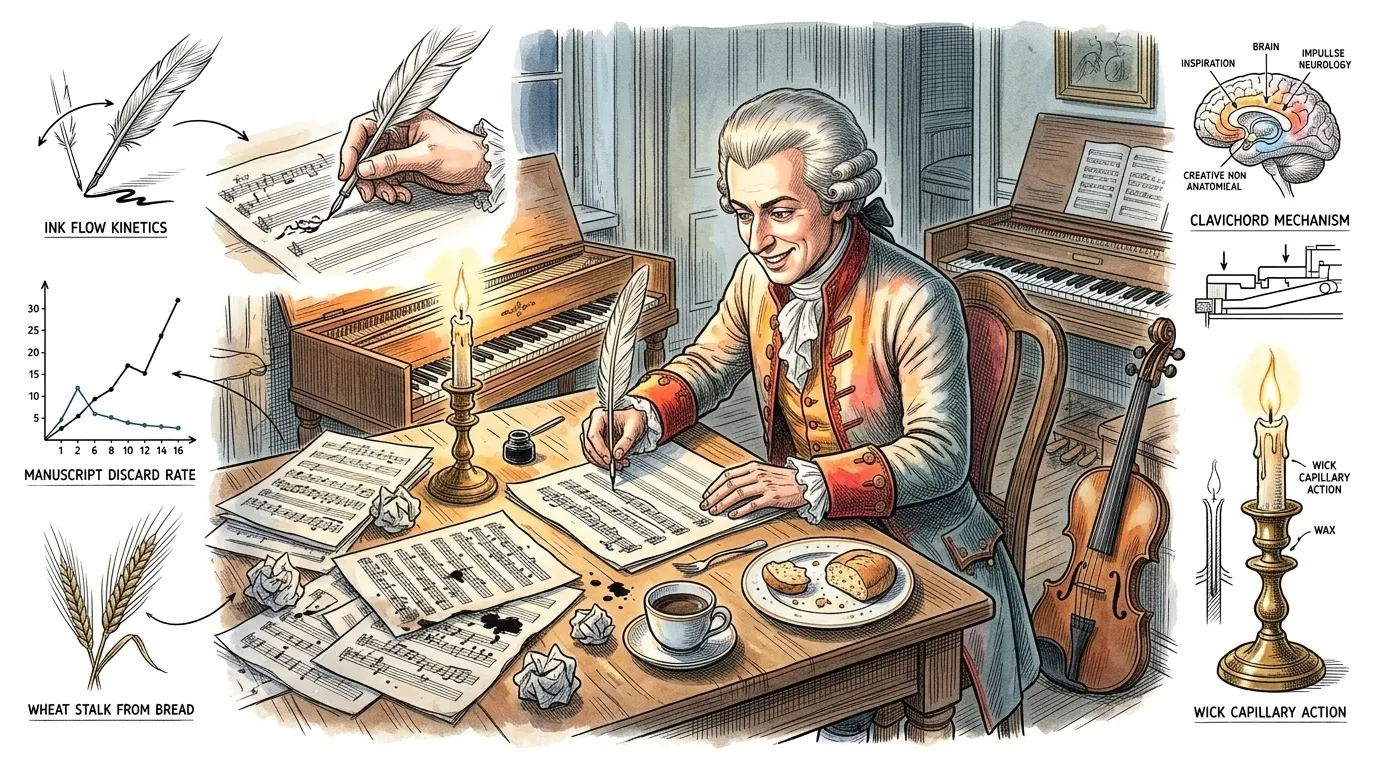
With the commission secured, Wolfgang Amadeus Mozart retreated into a frenzied period of composition for The Marriage of Figaro. He worked day and night, often neglecting sleep and meals, driven by an insatiable creative urge. His small study in Vienna became a crucible of genius, filled with ink-stained manuscripts, quill pens, and discarded ideas. He heard the entire opera in his mind before committing it to paper, meticulously crafting each melody, harmony, and orchestration, driven by the urgency of the deadline and the profound vision of his masterpiece.
Page 8
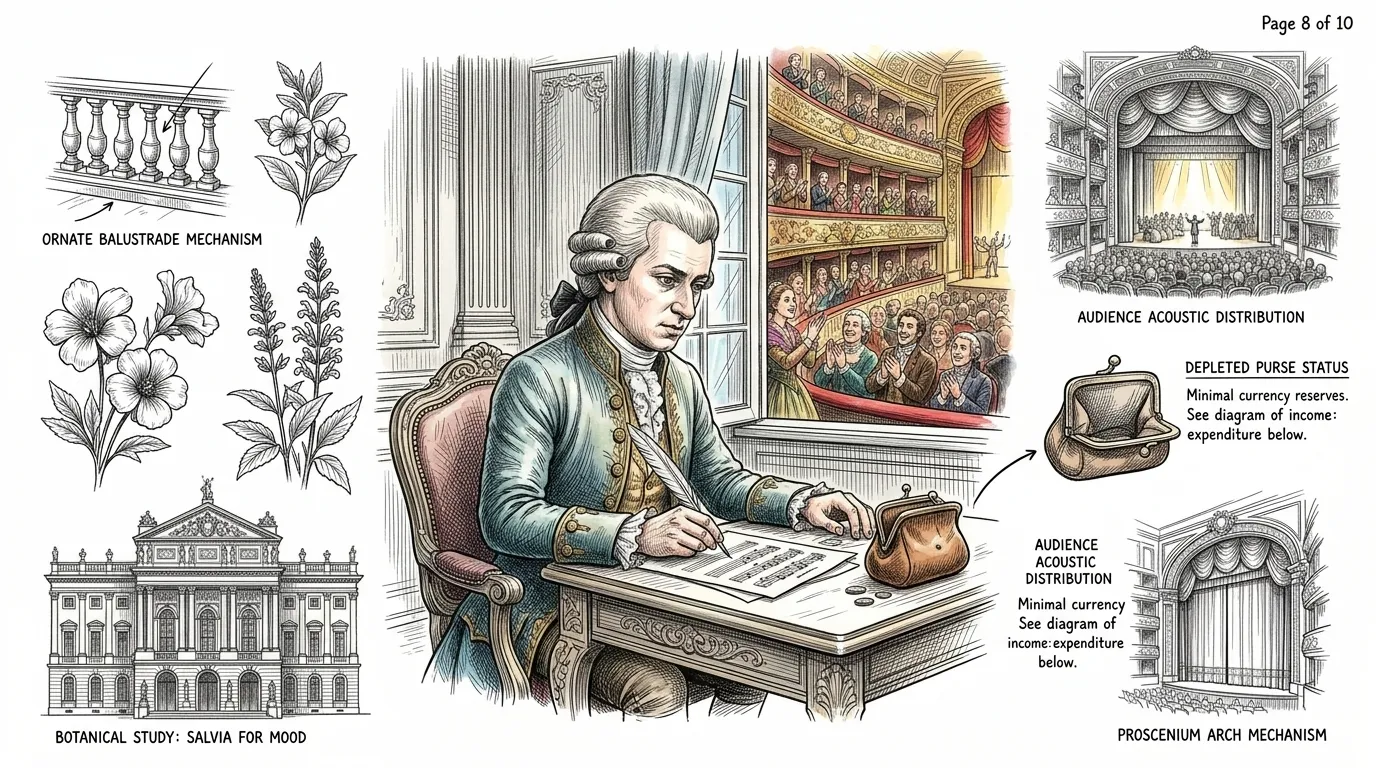
While the premiere of The Marriage of Figaro was an undisputed artistic triumph, the opera's initial run in Vienna was shorter than expected due to political machinations and changing public tastes. Despite later success in Prague, Mozart's financial situation remained precarious. He continued to compose masterpieces like Don Giovanni and Così fan tutte, yet struggled to secure stable employment or consistent patronage. The public's fickle adoration often contrasted sharply with his persistent financial difficulties, illustrating the harsh realities faced by even the greatest independent artists of his era.
Page 9
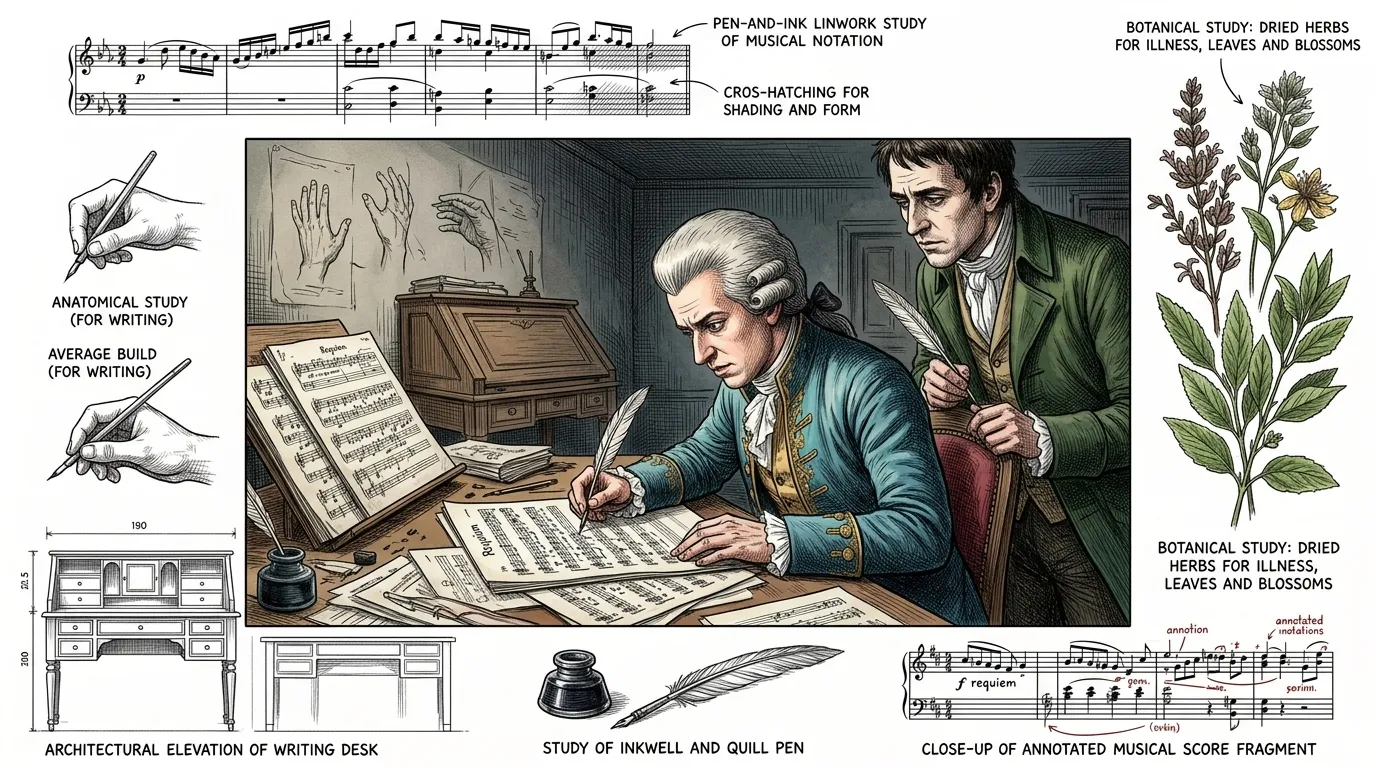
In his final year, 1791, Wolfgang Amadeus Mozart received a mysterious commission to compose a Requiem Mass. Plagued by illness and financial stress, he became convinced he was writing his own funeral music. Despite his deteriorating health, he poured his remaining strength into the work, driven by an otherworldly focus. The Requiem remained unfinished at his death, a powerful, haunting testament to his genius and his profound confrontation with mortality, a work that would be completed by his student, Franz Xaver Süssmayr, and forever deepen his legend.
Page 10
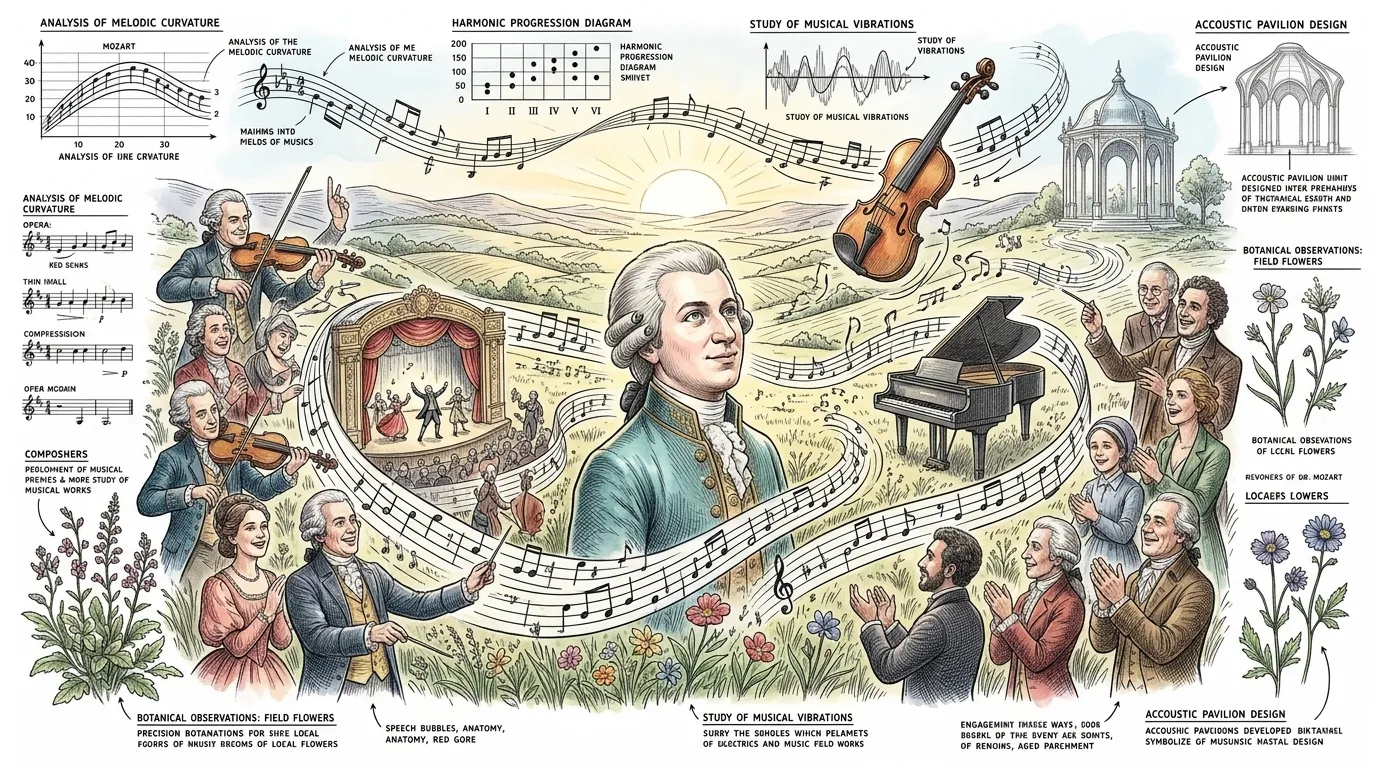
Wolfgang Amadeus Mozart's music, though often undervalued in his lifetime, transcended the 18th century to become a cornerstone of Western culture. His works, spanning symphonies, operas, concertos, and chamber music, are celebrated for their unparalleled melodic beauty, harmonic richness, and dramatic depth. Generations of composers have studied his scores, performers have dedicated their lives to his interpretations, and audiences worldwide continue to be moved by his genius. His impact remains immeasurable, a testament to a life consumed by creation, leaving behind an immortal legacy that continues to resonate across centuries.
About this story
- Location: Global
- Audience: general readers
Questions and answers
Read Wonder People on your phone
Wonder People is available on Android. Get Wonder People on Google Play.