Confucius
Confucius — an illustrated philosophy story. 10 illustrated pages, free to read on Wonder Philosophy.
Page 1
![Why does a philosopher from over two millennia ago still matter? Confucius, born in ancient China [551-479 BCE], shaped not just Chinese thought, but also the…](https://thewonderbooks.com/images/stories/confucius/illustrations/confucius_page_01_v1775193867580.webp "Why does a philosopher from over two millennia ago still matter? Confucius, born in ancient China [551-479 BCE], shaped not just Chinese thought, but also the…")
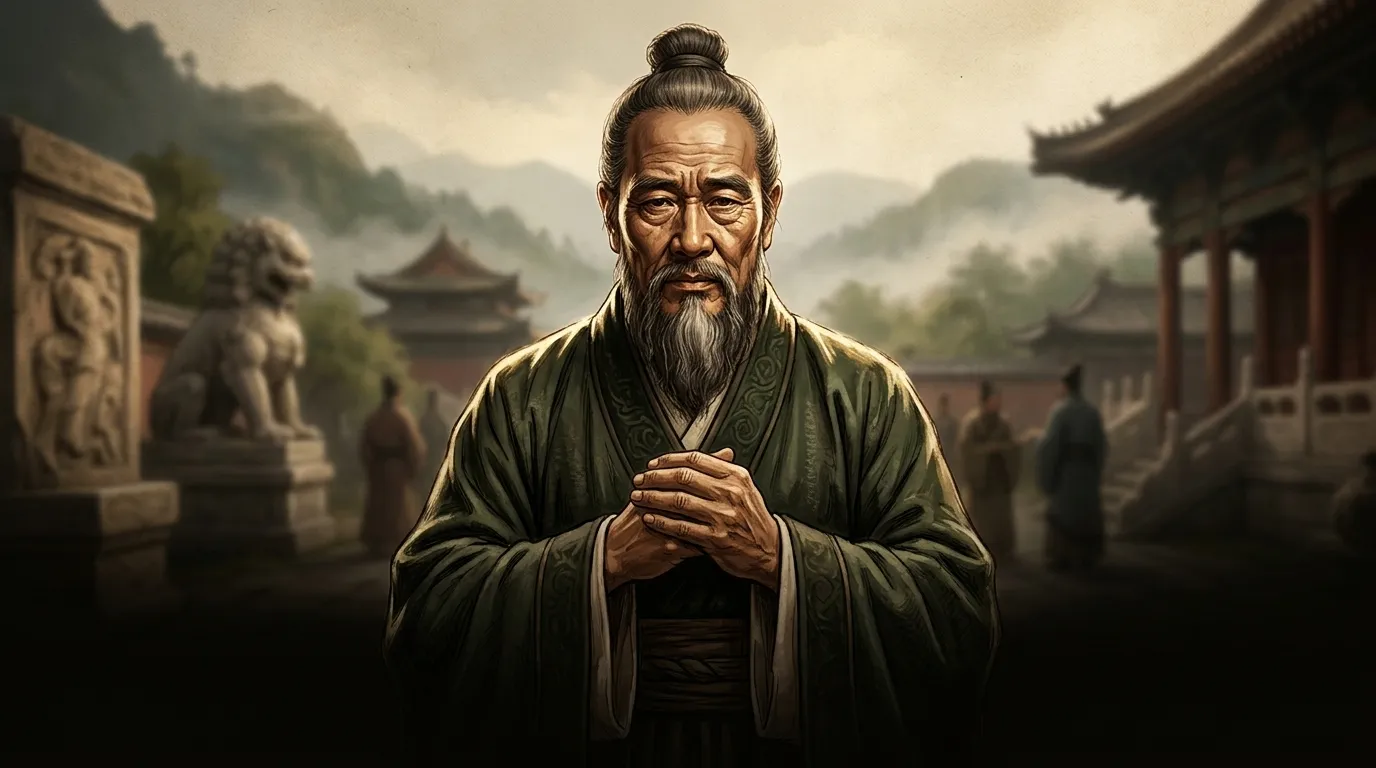
Why does a philosopher from over two millennia ago still matter? Confucius, born in ancient China [551-479 BCE], shaped not just Chinese thought, but also the ethical and political landscapes of East Asia and beyond. His teachings, centered on virtue, social harmony, and the importance of ritual, continue to offer profound insights into how we can live meaningful and ethical lives today. Confucius' philosophy provides a lens through which we can examine our relationships, responsibilities, and the pursuit of personal and societal betterment.
Philosophy Note: Confucius' ideas, known as Confucianism, deeply influenced Chinese culture and governance for centuries.
Page 2
![Confucius, or Kong Qiu, lived during the Spring and Autumn period [c. 771 to 476 BCE], a time of political fragmentation and social upheaval in China.](https://thewonderbooks.com/images/stories/confucius/illustrations/confucius_page_02_v1775193897093.webp "Confucius, or Kong Qiu, lived during the Spring and Autumn period [c. 771 to 476 BCE], a time of political fragmentation and social upheaval in China.")
Confucius, or Kong Qiu, lived during the Spring and Autumn period [c. 771 to 476 BCE], a time of political fragmentation and social upheaval in China. The Zhou dynasty's authority had weakened, leading to constant warfare and moral decay. Witnessing this turmoil, Confucius sought to restore order and harmony by emphasizing moral virtue and proper social relationships. He believed that individuals, through self-cultivation and education, could become virtuous leaders and contribute to a well-ordered society.
Philosophy Note: The Spring and Autumn period was marked by political instability and the decline of traditional values, which deeply concerned Confucius.
Page 3
![At the heart of Confucianism are several key concepts. Ren [仁] is often translated as benevolence, humaneness, or goodness—the virtue of treating others with…](https://thewonderbooks.com/images/stories/confucius/illustrations/confucius_page_03_v1775193924705.webp "At the heart of Confucianism are several key concepts. Ren [仁] is often translated as benevolence, humaneness, or goodness—the virtue of treating others with…")
At the heart of Confucianism are several key concepts. Ren [仁] is often translated as benevolence, humaneness, or goodness—the virtue of treating others with compassion and respect. Li [禮] refers to ritual propriety, encompassing etiquette, ceremonies, and social norms that promote harmony and order. Yi [義] signifies righteousness or moral integrity, guiding individuals to act in accordance with what is just and ethical. These principles form the foundation for personal and social harmony in Confucian thought.
Philosophy Note: Ren, Li, and Yi are the cornerstones of Confucian ethics, guiding behavior and promoting social harmony.
Page 4
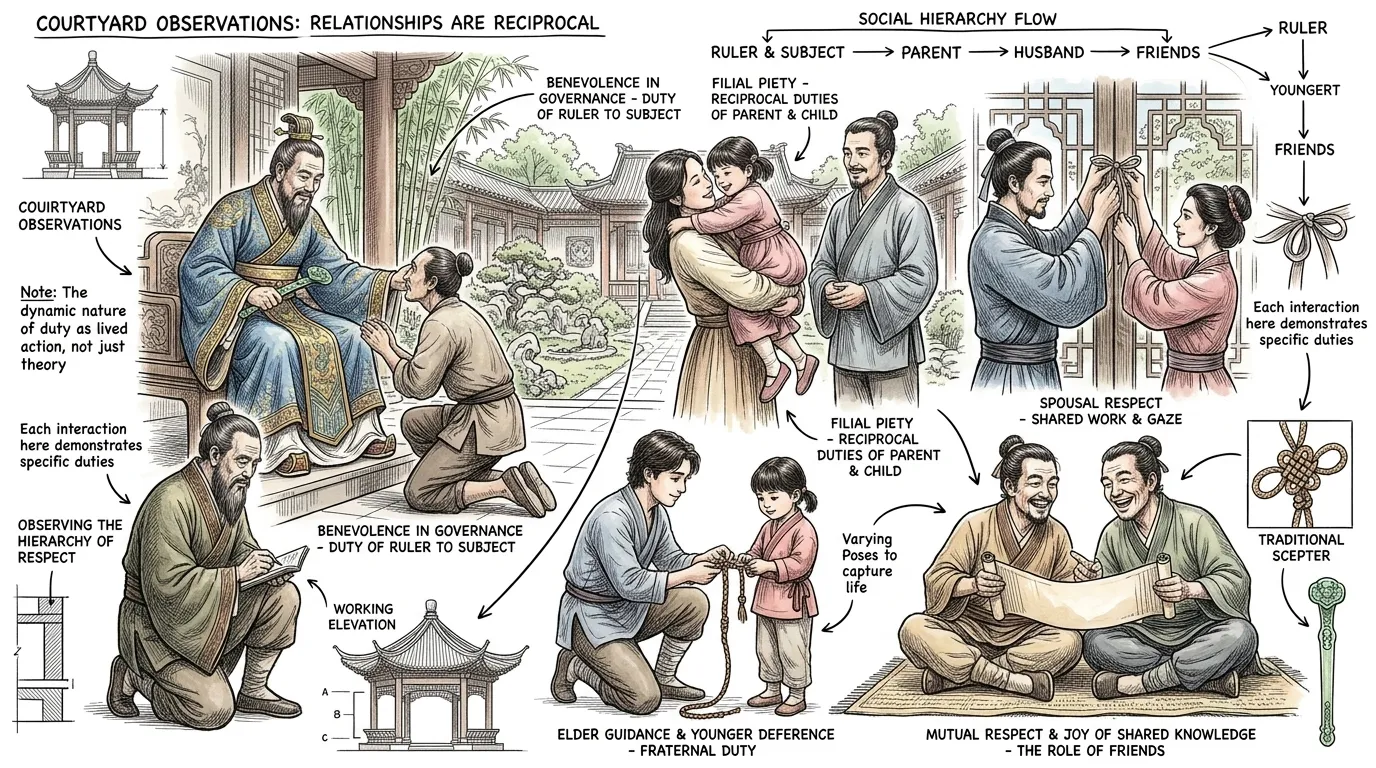
Confucius emphasized the importance of five key relationships: ruler and subject, parent and child, husband and wife, elder sibling and younger sibling, and friend and friend. Each relationship involves reciprocal duties and responsibilities. The superior party (e.g., ruler, parent) has a duty to care for and guide the inferior, while the inferior has a duty to respect and obey the superior. This hierarchical structure aimed to create a stable and harmonious society.
Philosophy Note: The Five Relationships define social roles and responsibilities in Confucian thought, emphasizing hierarchical order and mutual obligations.
Page 5
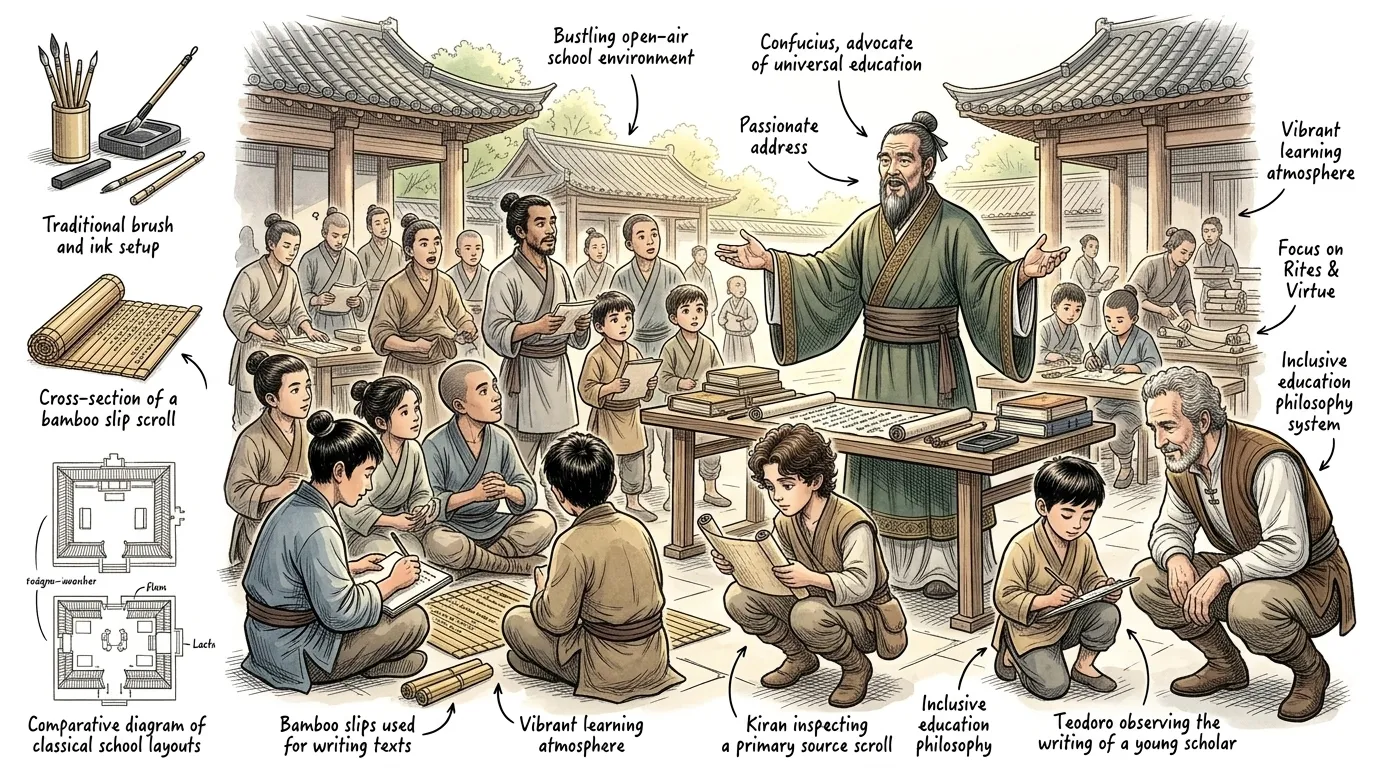
Confucius believed that education was crucial for self-cultivation and the development of virtuous individuals. He advocated for universal education, arguing that all people, regardless of their social status, should have access to learning. Education, according to Confucius, involved not only acquiring knowledge but also cultivating moral character and developing a sense of social responsibility. He saw education as the key to creating a just and harmonious society.
Philosophy Note: Confucius championed education as a means of self-improvement, moral development, and social mobility.
Page 6
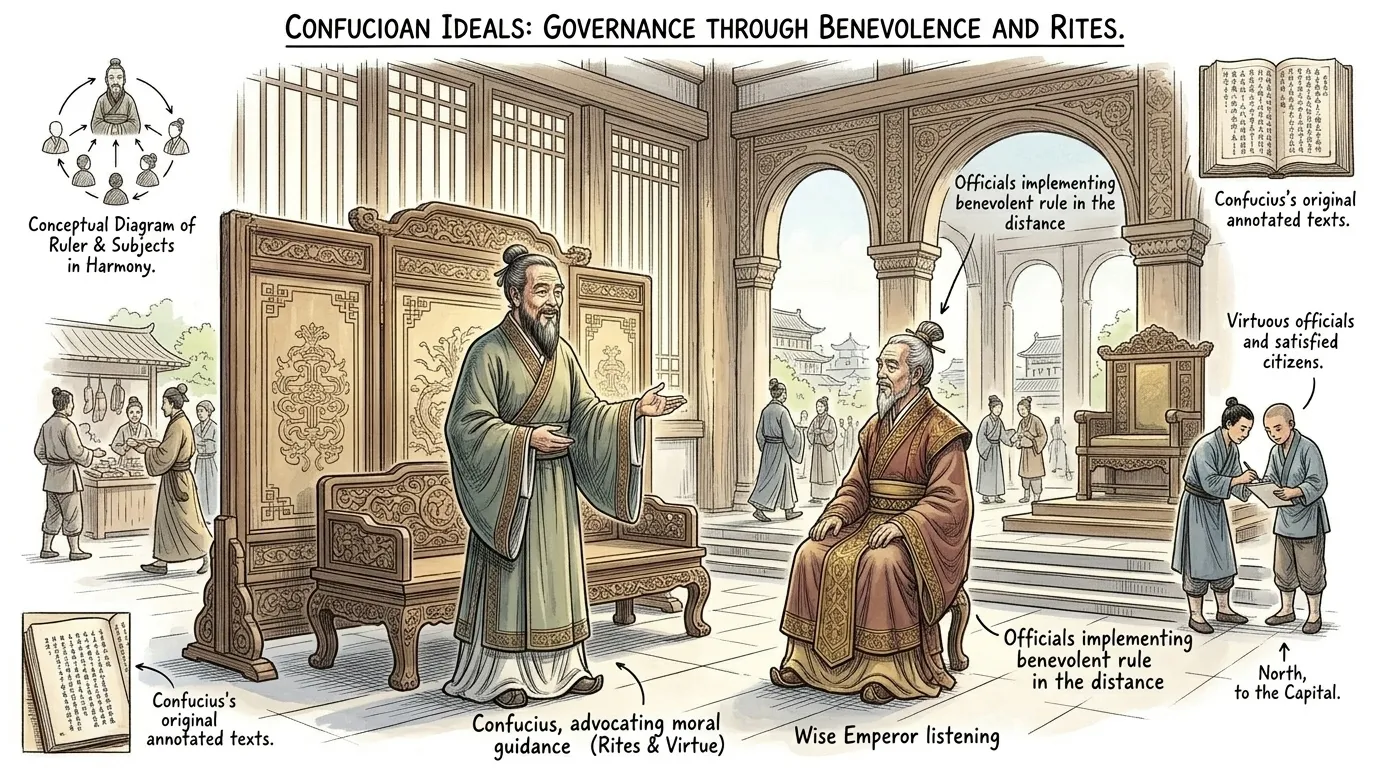
Confucius' teachings had a profound impact on Chinese governance. He believed that rulers should govern through moral example and benevolence rather than through force or coercion. He advocated for the appointment of virtuous and capable officials who would prioritize the well-being of the people. Confucianism became the dominant political ideology in China for centuries, shaping the structure of government and the selection of officials.
Philosophy Note: Confucianism became the official ideology of the Chinese state, influencing governance and the selection of officials for centuries.
Page 7
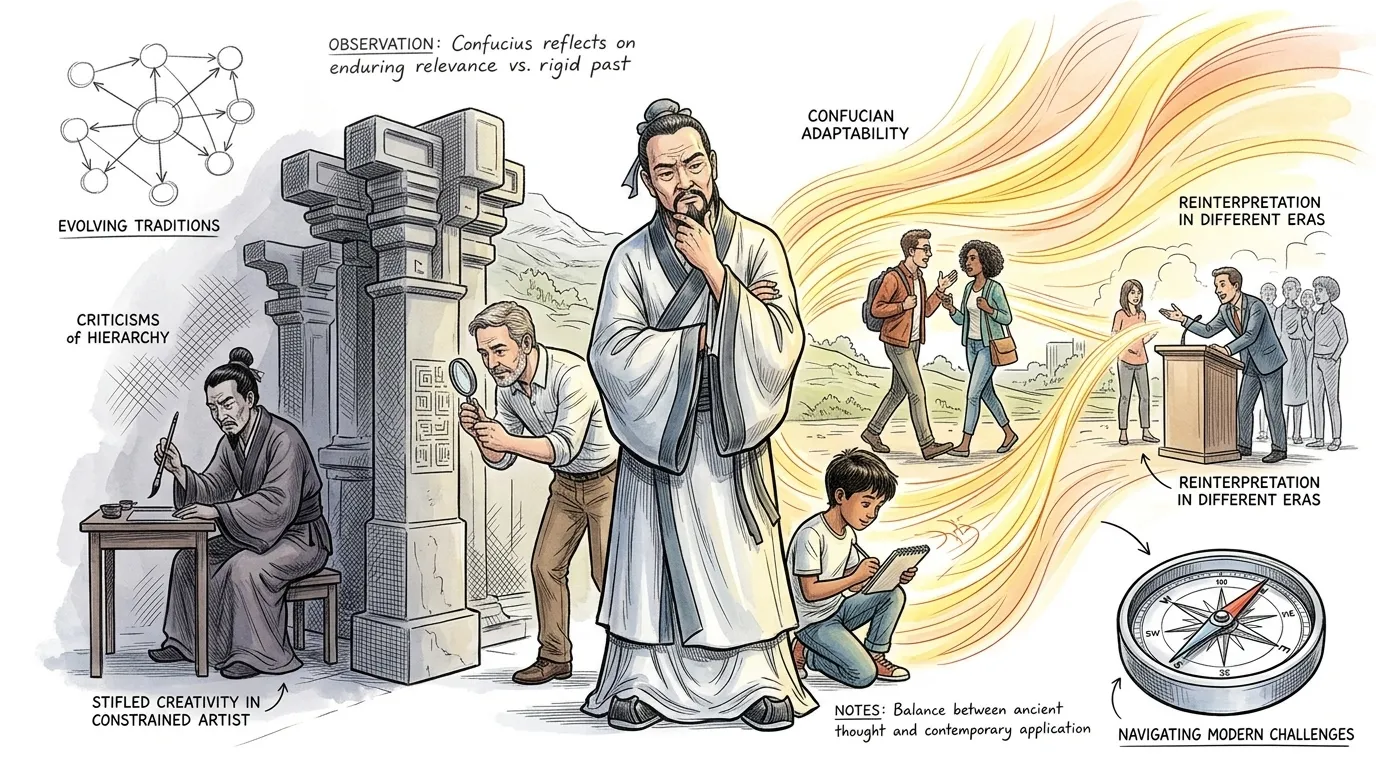
Confucianism has faced criticisms throughout its history. Some have argued that its emphasis on hierarchy and social order can lead to authoritarianism and the suppression of individual freedom. Others have questioned its focus on ritual and tradition, arguing that it can stifle creativity and innovation. However, Confucianism has also demonstrated remarkable adaptability. Over time, it has been reinterpreted and adapted to address changing social and political conditions.
Philosophy Note: Confucianism has faced criticisms regarding its hierarchical nature and emphasis on tradition, but it has also demonstrated adaptability over time.
Page 8
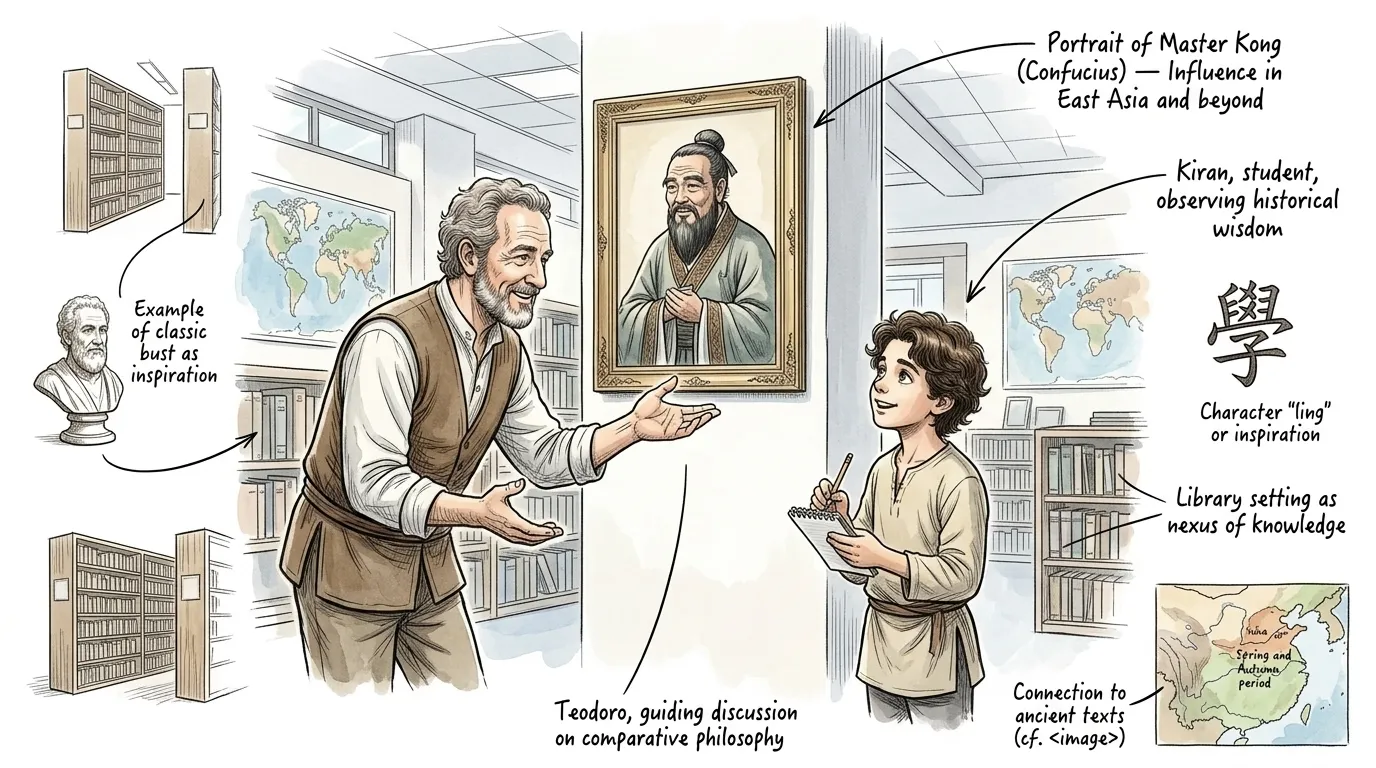
Even today, Confucianism continues to resonate with many people around the world. Its emphasis on ethical conduct, social responsibility, and the importance of education remains relevant in an increasingly complex and interconnected world. As Teodoro says, remembering Confucius's wisdom, 'Real knowledge is to know the extent of one's ignorance.' Embracing this idea encourages lifelong learning and intellectual humility, qualities that are essential for navigating the challenges of the 21st century.
Philosophy Note: Confucian values such as ethical conduct, social responsibility, and education remain relevant in today's world.
Page 9
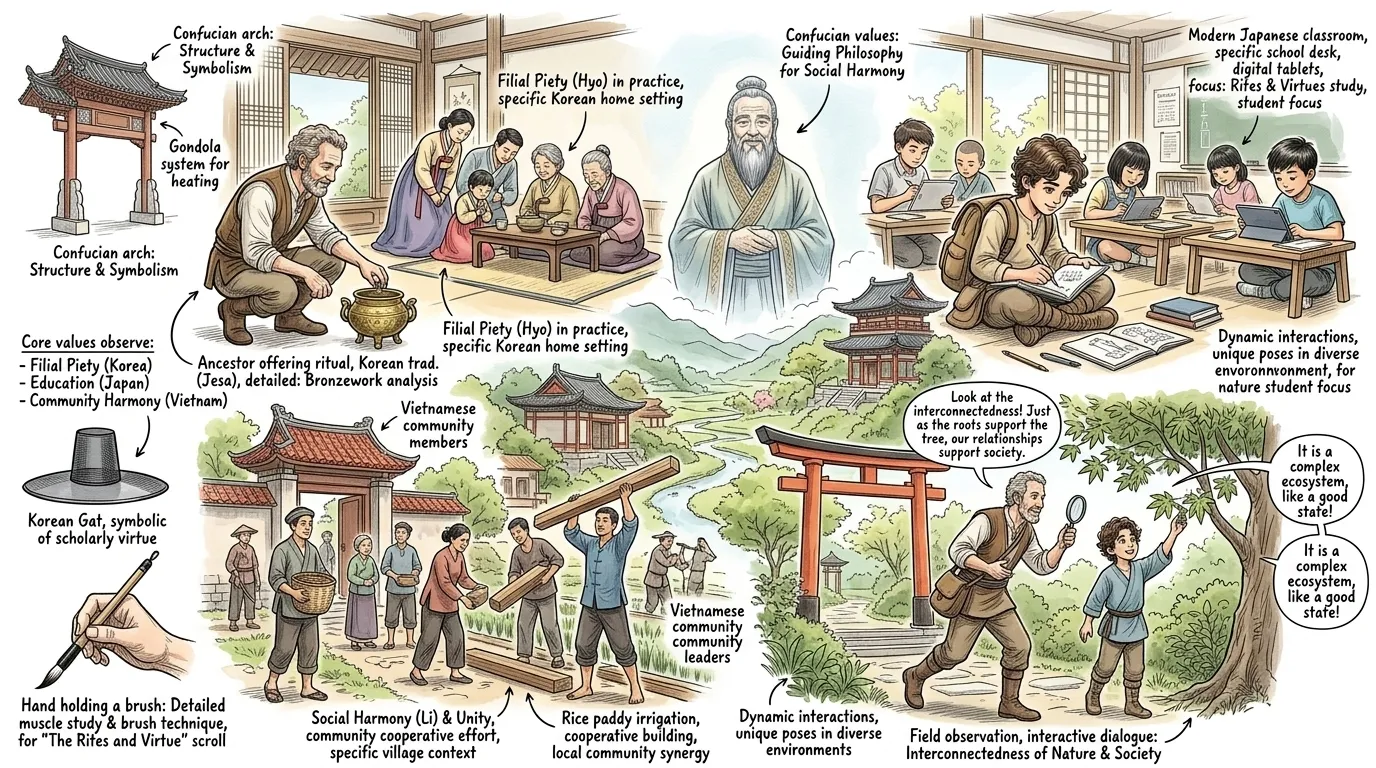
Confucianism has spread far beyond China, influencing cultures and societies across East Asia, including Korea, Japan, and Vietnam. Its emphasis on education and meritocracy has contributed to the economic success of many East Asian countries. Moreover, Confucian values such as filial piety [孝] and respect for elders continue to shape family dynamics and social norms in these regions.
Philosophy Note: Confucianism has had a profound impact on cultures and societies across East Asia, shaping family dynamics, social norms, and governance.
Page 10

The legacy of Confucius endures as a testament to the power of ideas to shape human behavior and societies. His teachings continue to inspire individuals to strive for moral excellence, cultivate harmonious relationships, and contribute to the betterment of the world. As Kiran reflects on Confucius's influence, he understands the importance of striving for knowledge and virtue, echoing the sentiment that philosophy can guide us toward a more fulfilling life.
Philosophy Note: Confucius' legacy continues to inspire individuals to strive for moral excellence, cultivate harmonious relationships, and contribute to the betterment of the world.
About this story
- Audience: kids (ages 6–12)
Questions and answers
Read Wonder Philosophy on your phone
Wonder Philosophy is available on Android and iPhone and iPad. Get Wonder Philosophy on Google Play · Get Wonder Philosophy on the App Store.