Abdus Salam
Abdus Salam — an illustrated science story, set in Global. 10 illustrated pages, free to read on Wonder Science.
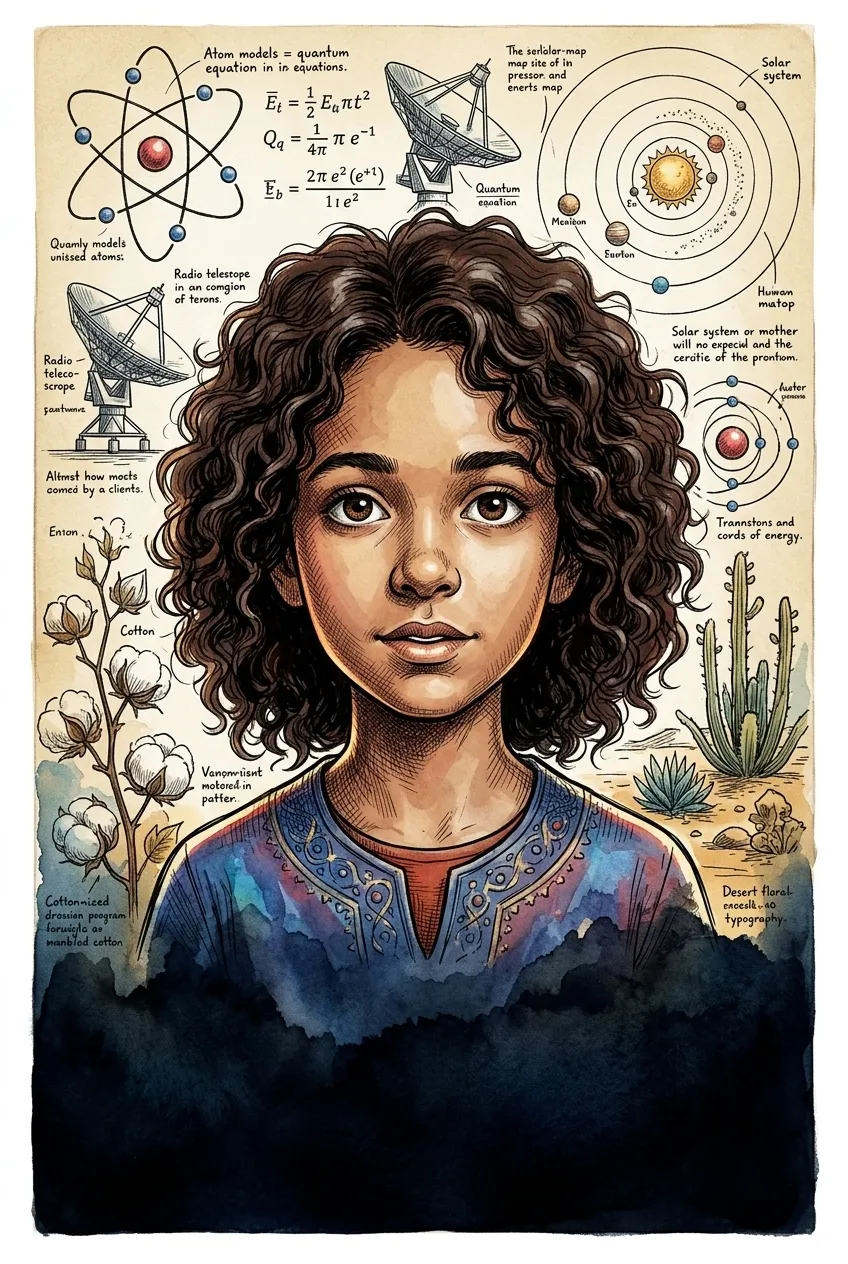
Page 1
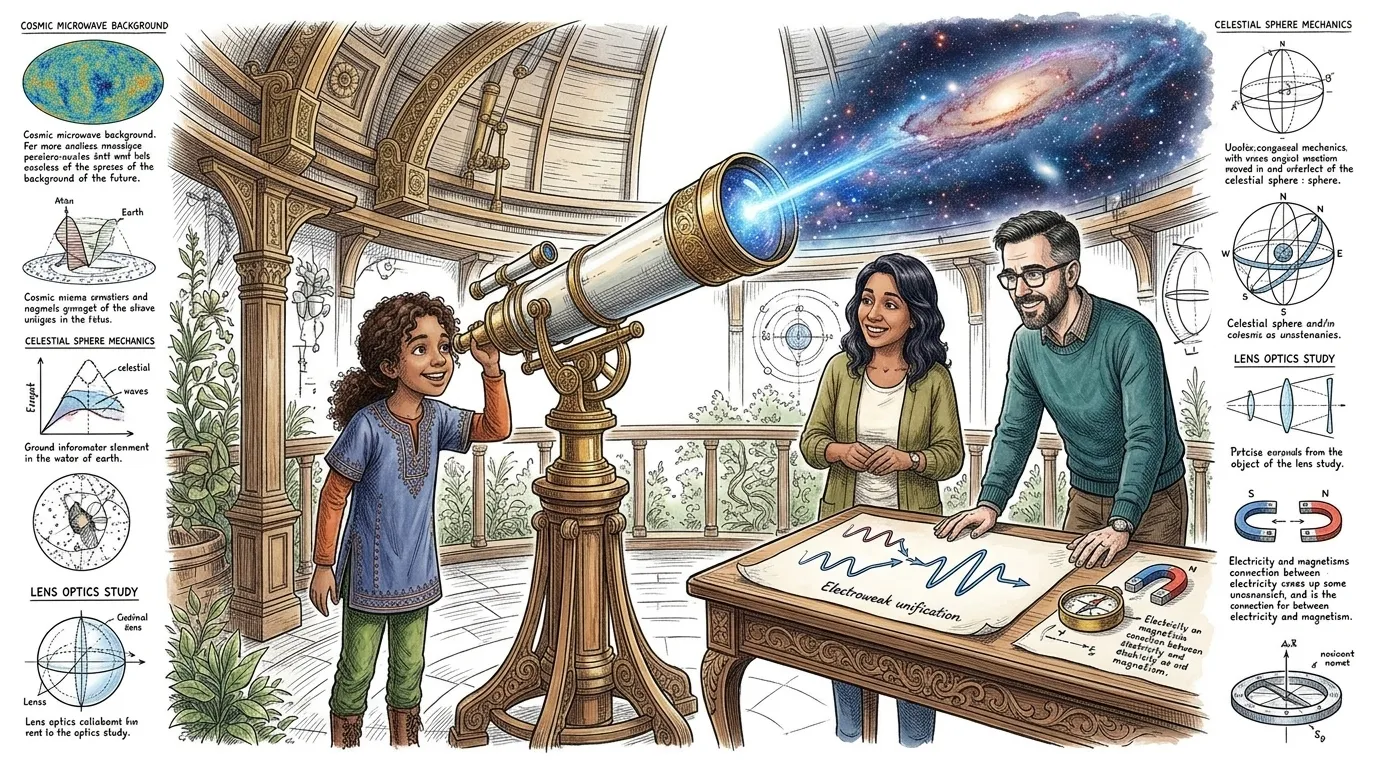
Imagine a beam of light from a distant star, traveling for millions of years, finally reaching Earth. Abdus Salam, a brilliant physicist, dedicated his life to understanding the fundamental forces governing such light and the universe itself. His groundbreaking work unified two of these forces, electromagnetism and the weak nuclear force, into a single, elegant theory. This unification was a monumental achievement, akin to realizing that electricity and magnetism are two sides of the same coin.\n\n Fact: Show the vastness of space to introduce the scale of Salam's work.
Page 2
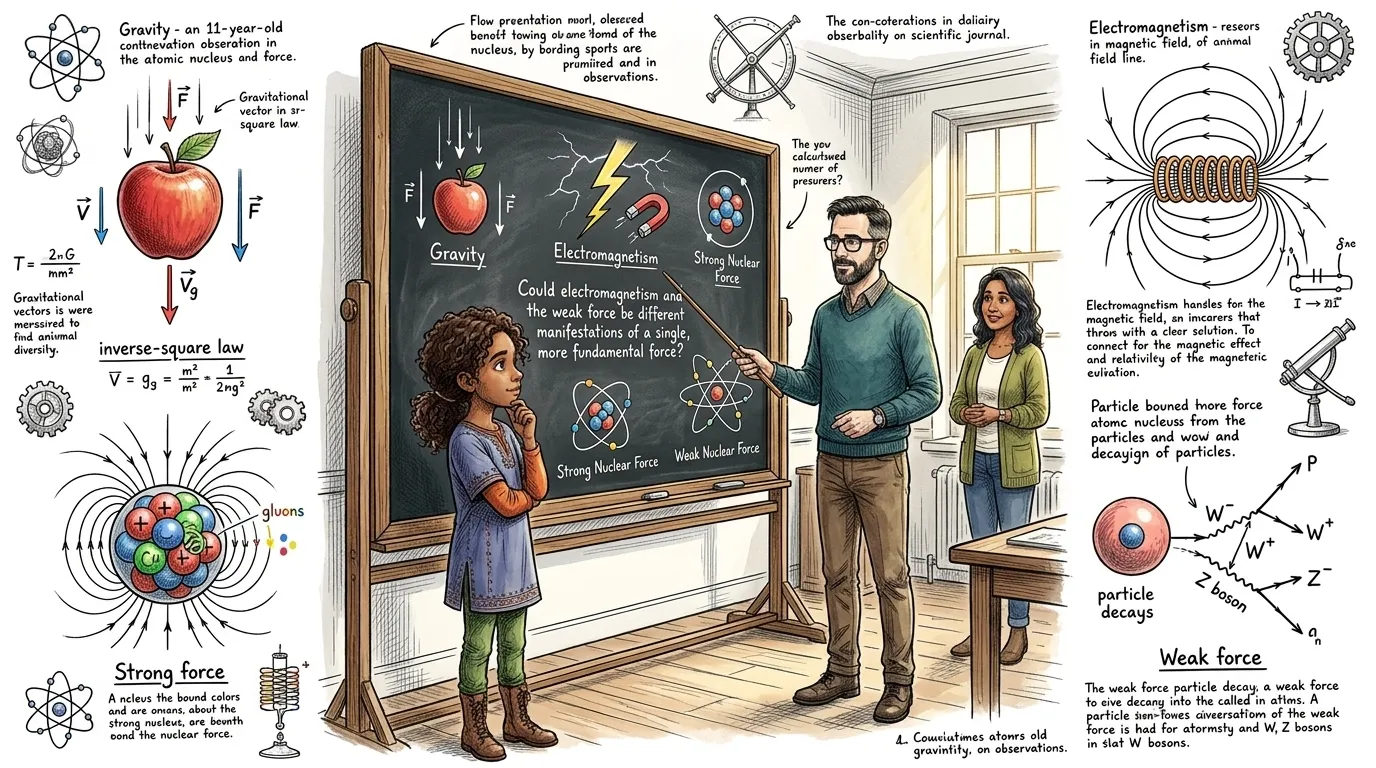
In the mid-20th century, physicists grappled with understanding the fundamental forces of nature. There were four known forces: gravity, electromagnetism, the strong nuclear force, and the weak nuclear force. Electromagnetism explains light, electricity, and magnetism. The weak force governs radioactive decay, a process vital for the Sun's energy production. Salam, along with Sheldon Glashow and Steven Weinberg, asked a profound question: Could electromagnetism and the weak force be different manifestations of a single, more fundamental force?\n\n Fact: Introduce the four fundamental forces and the challenge of unification.
Page 3
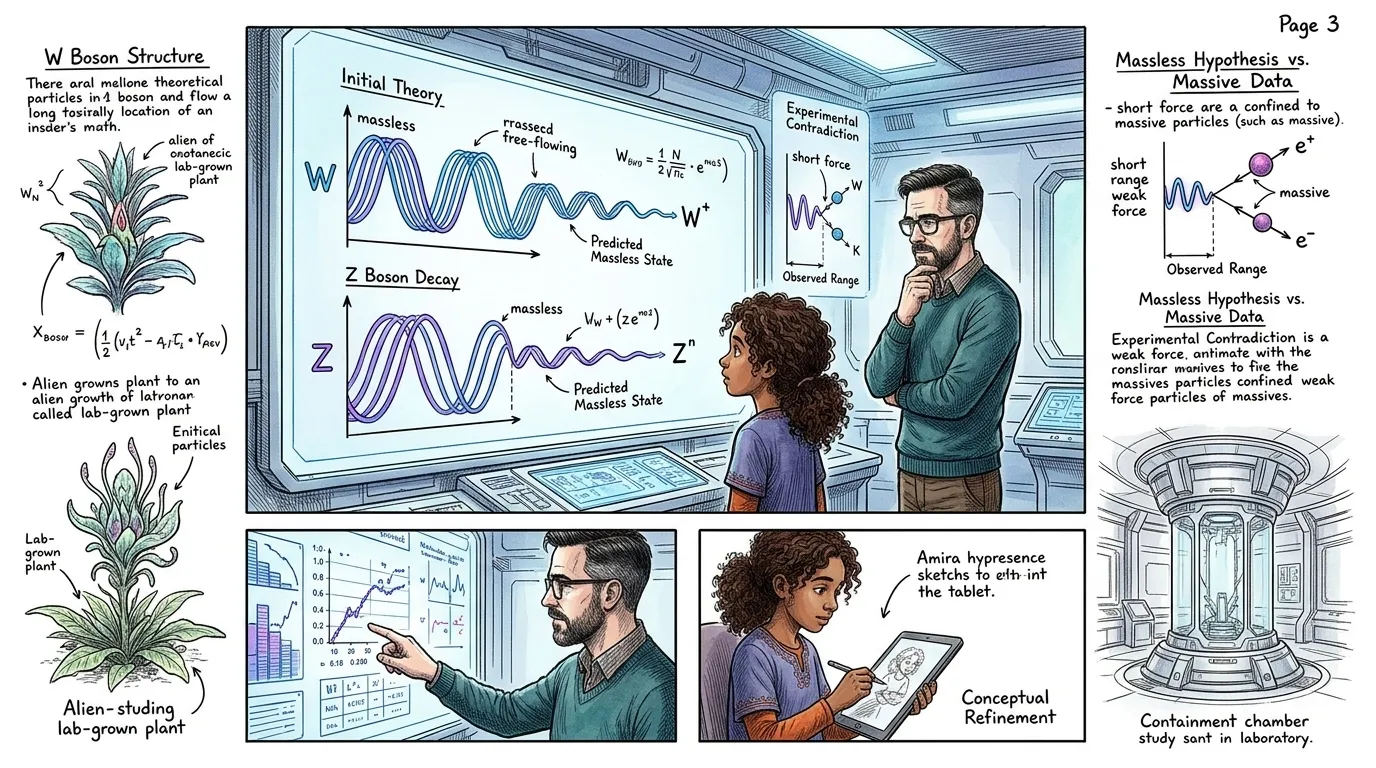
Salam, Glashow, and Weinberg independently proposed a theory that unified electromagnetism and the weak force into the electroweak force. This theory predicted the existence of new particles, the W and Z bosons, which mediate the weak force. However, there was a problem. The theory initially predicted that these particles should be massless, which contradicted experimental evidence. The weak force, unlike electromagnetism, has a very short range, implying that its mediating particles must be massive.\n\n Fact: Explain the electroweak theory and the initial problem of massless particles.
Page 4
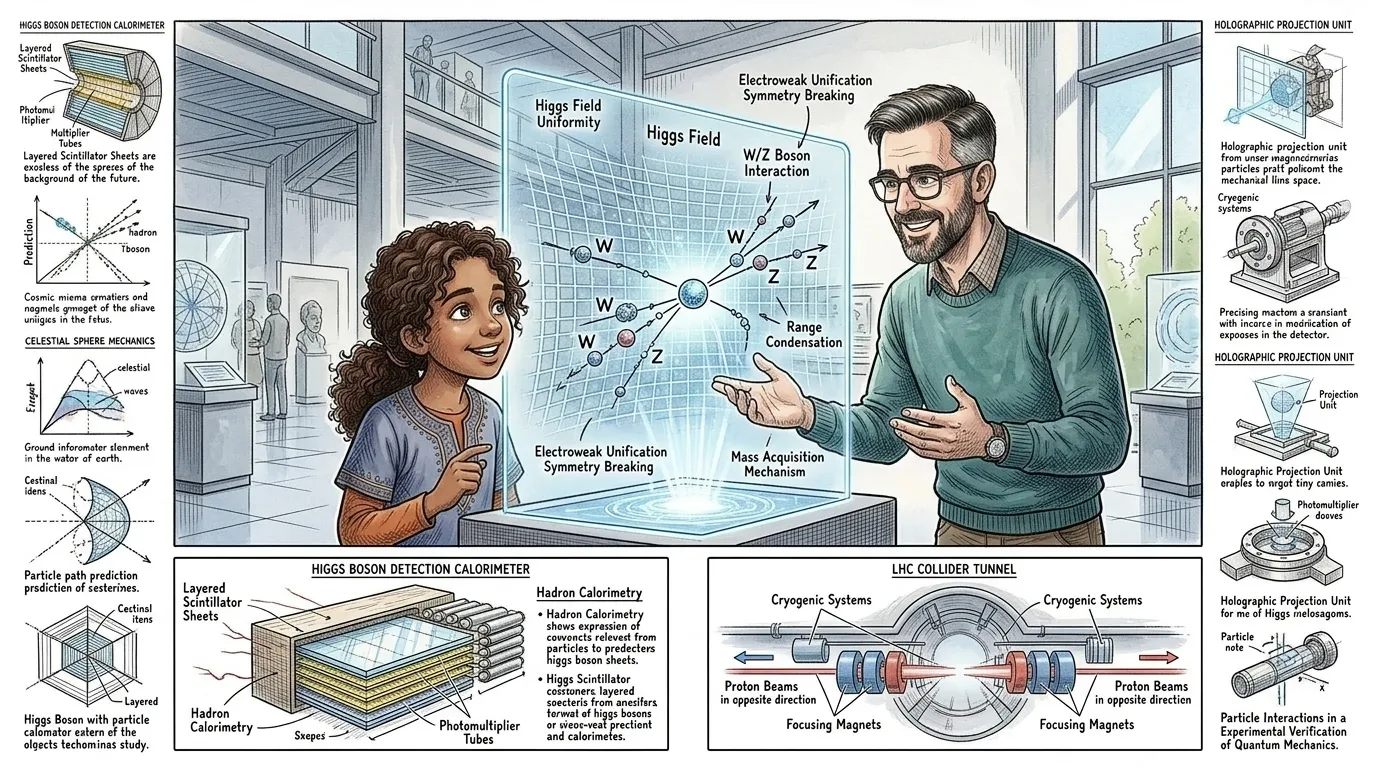
The solution to the massless particle problem came from the work of Peter Higgs and others, who proposed the Higgs mechanism. This mechanism introduces a field, the Higgs field, that permeates all of space. Particles acquire mass by interacting with this field. The W and Z bosons, through their interaction with the Higgs field, gain mass, giving the weak force its short range. This incorporation of the Higgs mechanism made the electroweak theory consistent with experimental observations.\n\n Fact: Introduce the Higgs mechanism and its role in giving mass to particles.
Page 5
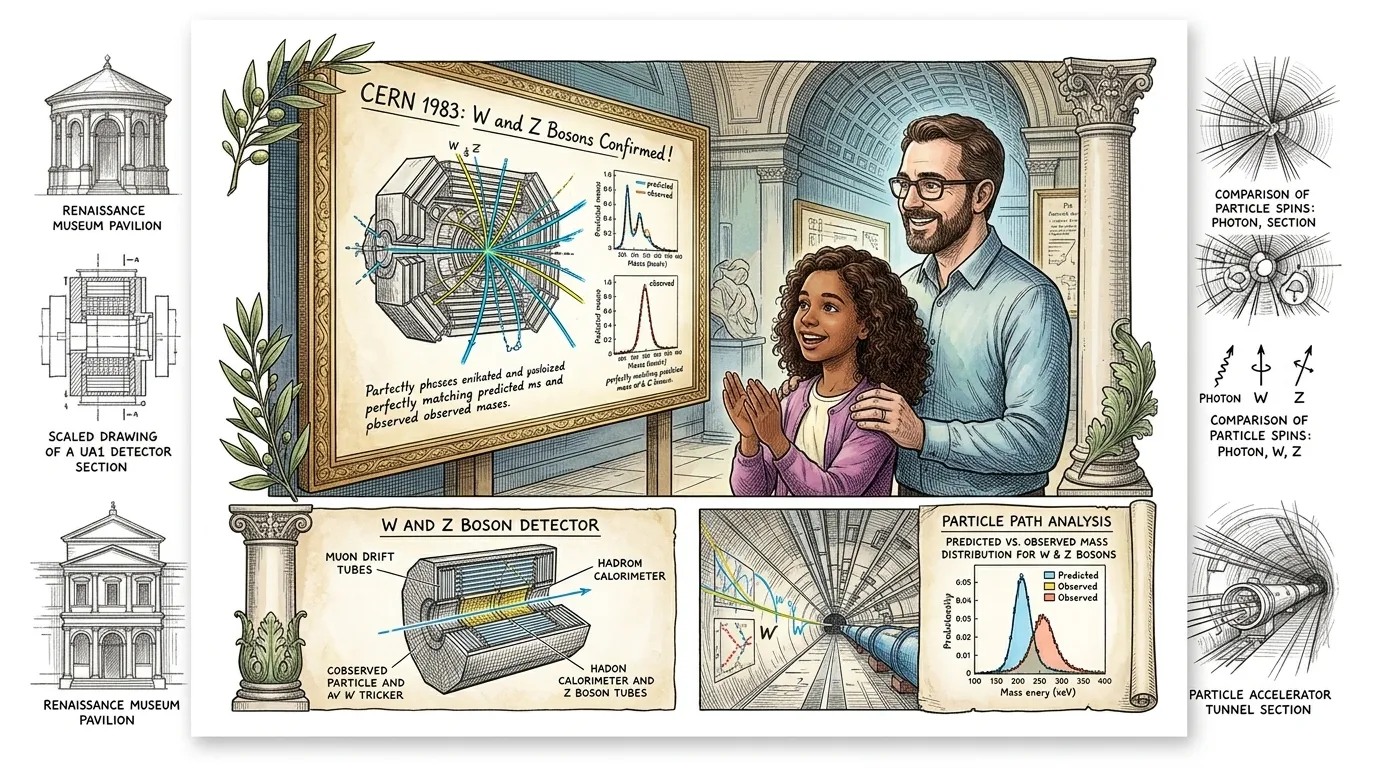
The electroweak theory made precise predictions about the properties of the W and Z bosons. In 1983, experiments at CERN, the European Organization for Nuclear Research, confirmed the existence of these particles with the predicted masses. This was a monumental triumph for the theory and a testament to the power of theoretical physics. The experimental verification solidified the electroweak theory as a cornerstone of the Standard Model of particle physics.\n\n Fact: Show the experimental verification of the W and Z bosons at CERN.
Page 6
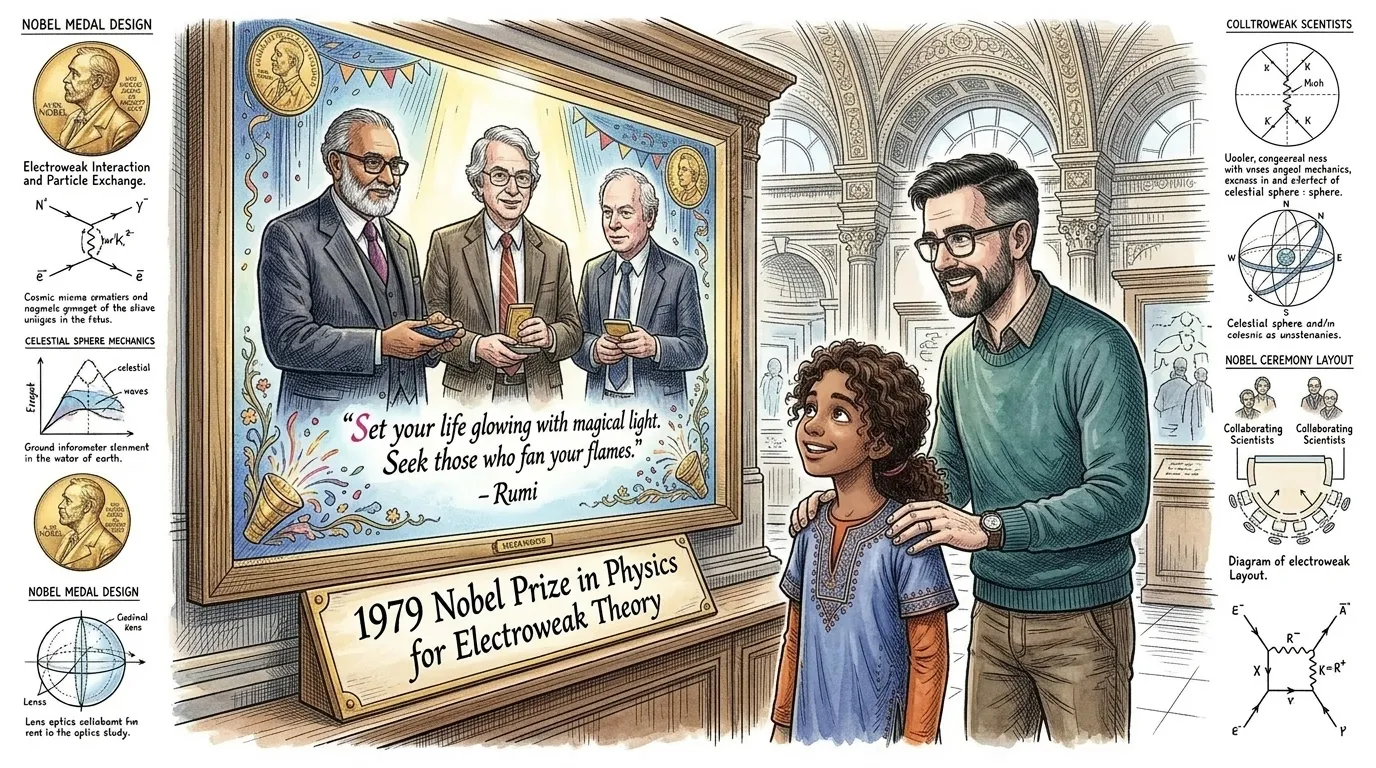
In 1979, Abdus Salam, Sheldon Glashow, and Steven Weinberg were awarded the Nobel Prize in Physics for their contributions to the electroweak theory. Salam was the first Pakistani and the first Muslim to receive a Nobel Prize in science. In his Nobel lecture, Salam emphasized the importance of science for developing countries and the need for international collaboration in scientific research. He quoted the poet Rumi, saying, 'Set your life on fire. Seek those who fan your flames.' He truly believed in the power of collaboration and knowledge to ignite progress.\n\n Fact: Highlight Salam's Nobel Prize and his advocacy for science in developing countries.
Page 7
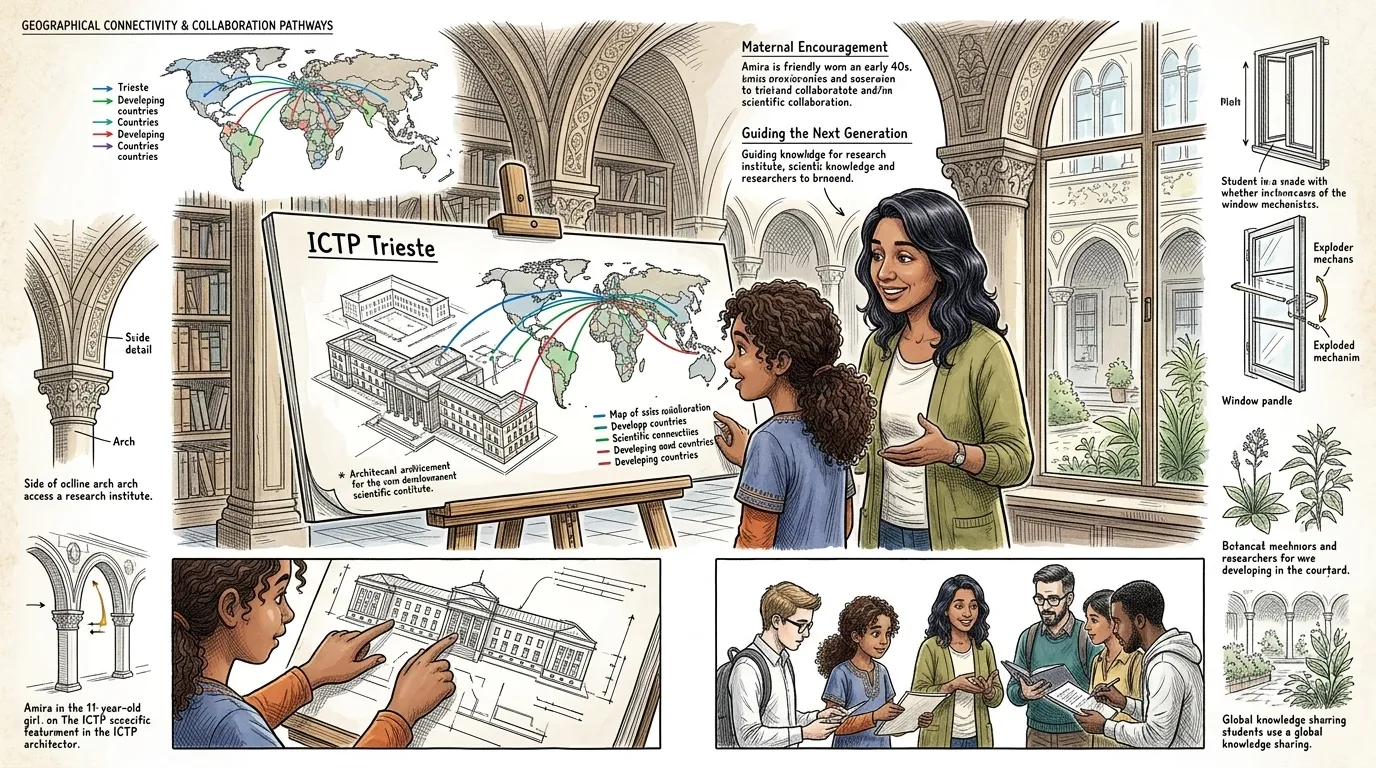
Salam's work extended beyond the electroweak theory. He was a strong advocate for science education and research in developing countries. He founded the International Centre for Theoretical Physics (ICTP) in Trieste, Italy, to promote scientific collaboration between scientists from developed and developing countries. The ICTP has played a crucial role in fostering scientific talent and advancing knowledge in physics and mathematics around the world. He believed that science was a universal language that could bridge cultural and political divides.\n\n Fact: Show Salam's contributions to promoting science in developing countries.
Page 8
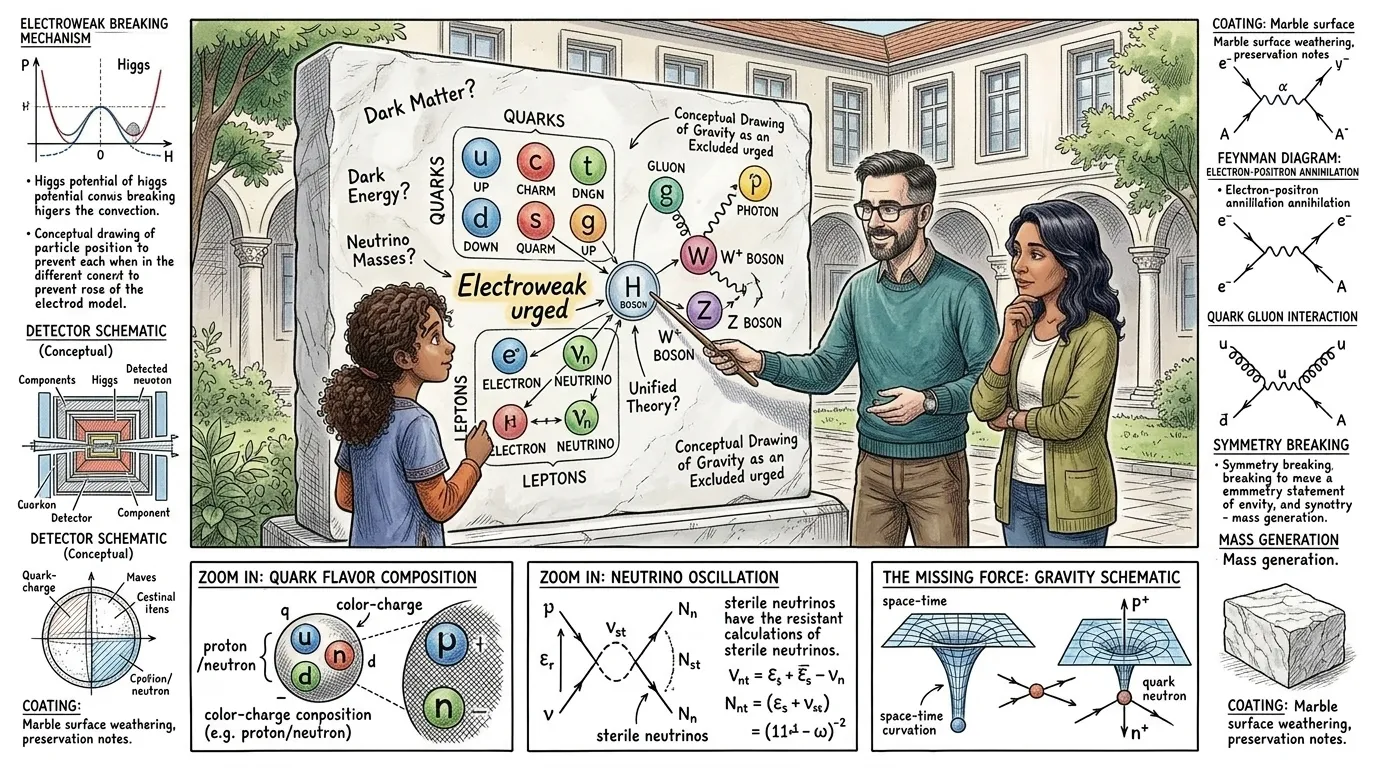
The electroweak theory is a cornerstone of the Standard Model of particle physics, which describes all known fundamental particles and forces, except gravity. While the Standard Model has been remarkably successful, it is not complete. It does not explain dark matter, dark energy, or the origin of neutrino masses. Physicists continue to search for a more complete theory that can unify all the forces of nature, including gravity, into a single, elegant framework.\n\n Fact: Explain the role of electroweak theory in the Standard Model and the search for a unified theory.
Page 9
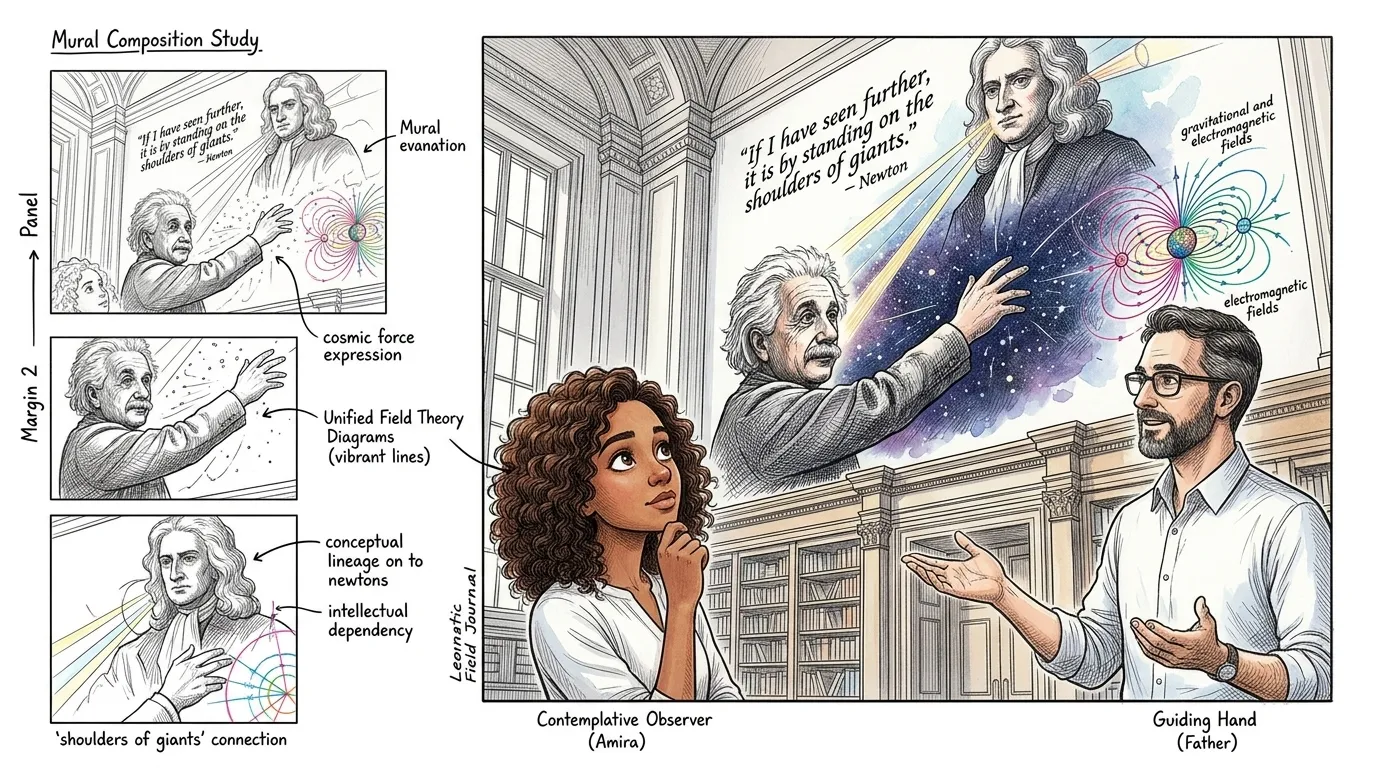
Einstein spent the last decades of his life searching for a unified field theory, a theory that would unify gravity with electromagnetism. While he was unsuccessful, his quest continues to inspire physicists today. The dream of unifying all the forces of nature remains one of the most ambitious and challenging goals in physics. As Salam often said, quoting Isaac Newton, 'If I have seen further, it is by standing on the shoulders of giants.' Every discovery builds upon the work of those who came before.\n\n Fact: Connect Salam's work to the broader goal of unifying all the forces of nature and the legacy of Einstein.
Page 10

Abdus Salam's legacy extends far beyond his scientific achievements. He inspired generations of scientists, particularly in developing countries, to pursue their passion for knowledge and contribute to the advancement of science. His story is a reminder that scientific excellence knows no boundaries and that anyone, regardless of their background, can make a profound impact on the world. As Marie Curie once said, 'Nothing in life is to be feared, it is only to be understood. Now is the time to understand more, so that we may fear less.'\n\n Fact: Conclude with Salam's lasting legacy and the inspiration he provides to future generations.
About this story
- Location: Global
- Audience: kids (ages 6–12)
Questions and answers
Read Wonder Science on your phone
Wonder Science is available on Android. Get Wonder Science on Google Play.