Francis Crick
Francis Crick — an illustrated science story, set in Global. 10 illustrated pages, free to read on Wonder Science.
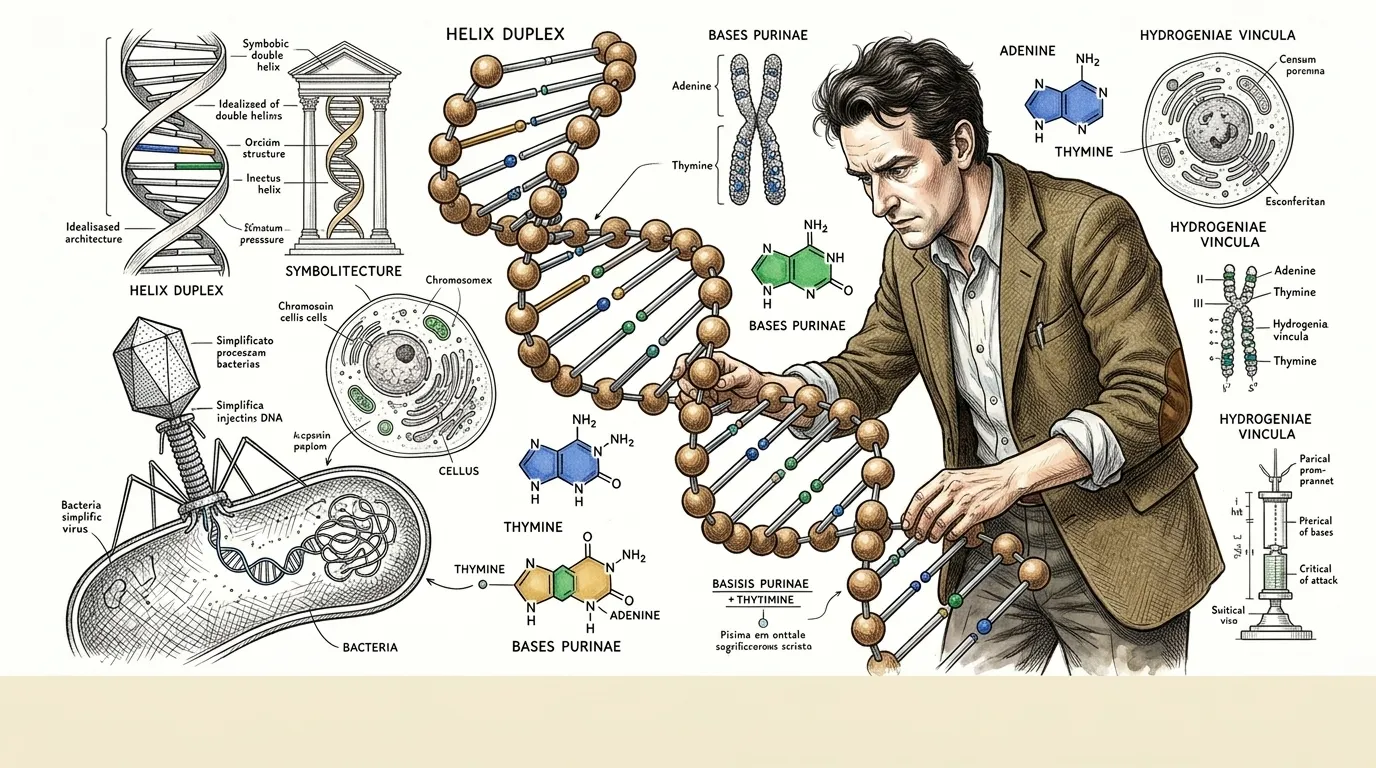
Page 1
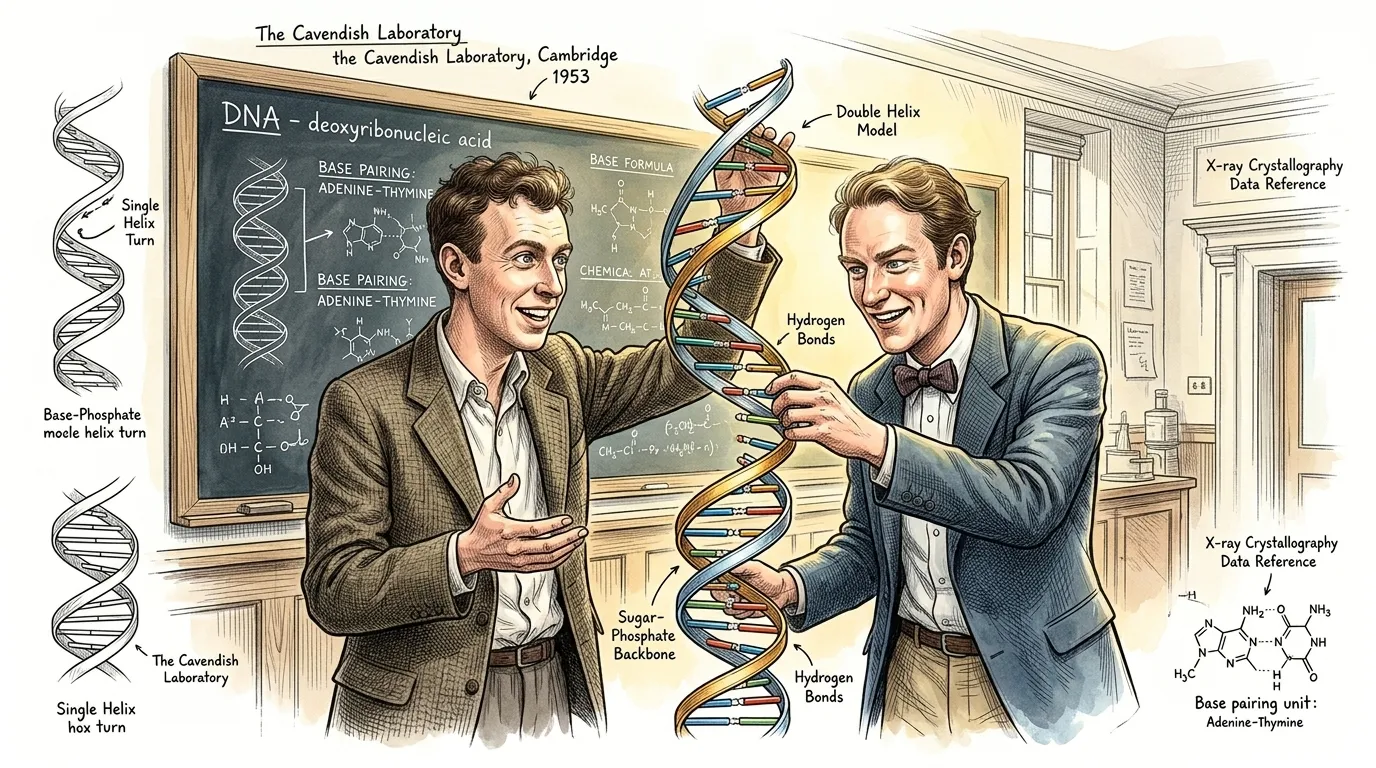
In the spring of 1953, at the Cavendish Laboratory in Cambridge, a profound secret of life was unveiled. Francis Crick, alongside James Watson, conceptualized a structure so elegant and fundamental that it redefined biology. They proposed the double helix model for deoxyribonucleic acid, or DNA, the very molecule carrying our genetic instructions. This was more than a discovery; it was the revelation of life's universal blueprint, an architectural marvel that explained heredity at its most basic chemical level.
Page 2
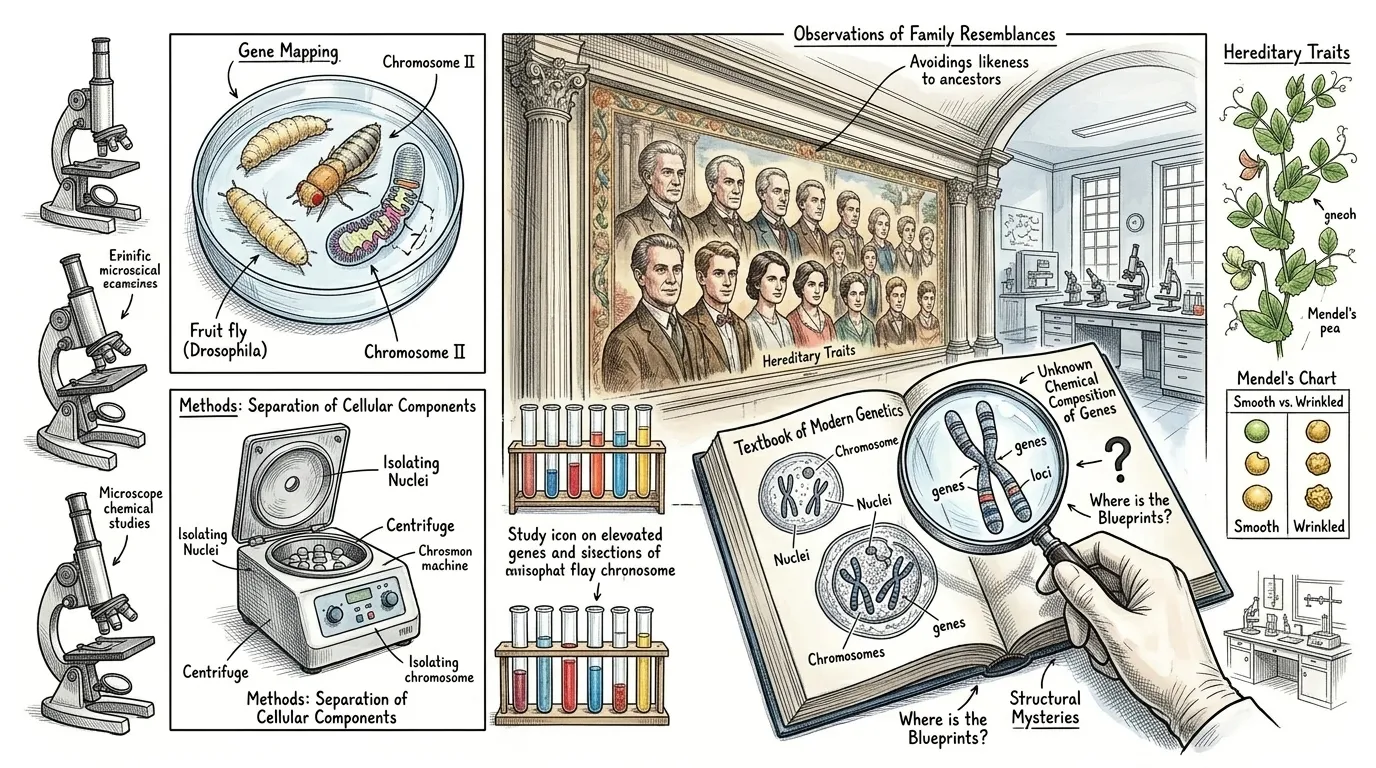
For centuries, the mechanism of heredity remained one of nature's most perplexing riddles. Ancient civilizations observed familial resemblances, but the physical basis of passing traits from one generation to the next was shrouded in mystery. Early 20th-century scientists understood that genes, located on chromosomes within the cell nucleus, were the carriers of hereditary information. However, the precise chemical composition and structure of these genes, and thus how they encoded and transmitted vast quantities of biological data, were completely unknown, setting the stage for one of science's greatest quests.
Page 3
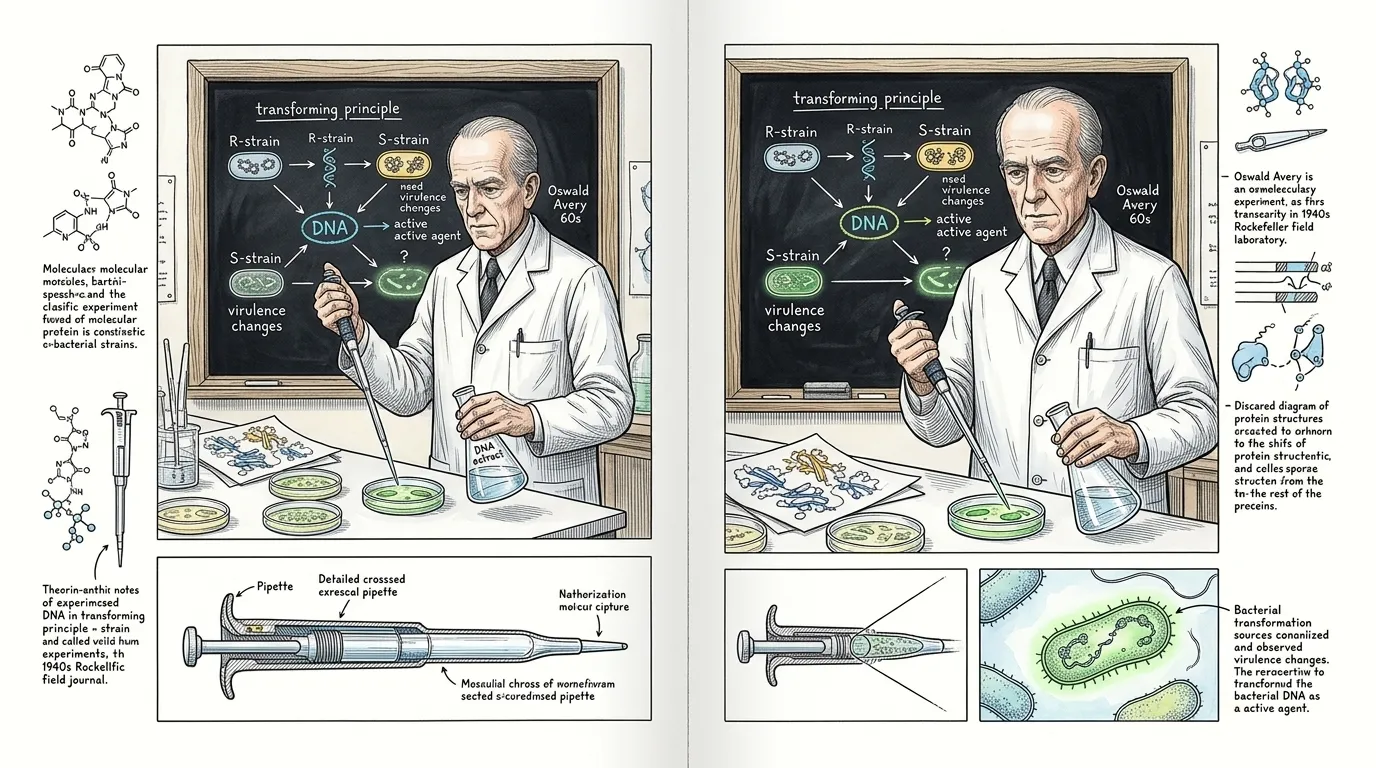
Before Watson and Crick, a critical debate centered on whether genetic information resided in proteins or nucleic acids. Proteins, with their complex and varied structures, seemed the more likely candidates. Yet, groundbreaking experiments challenged this assumption. In 1944, Oswald Avery, Maclyn McCarty, and Colin MacLeod's work at Rockefeller University provided compelling evidence that DNA, not protein, was the 'transforming principle' responsible for bacterial virulence. Their meticulous research, though initially met with skepticism, laid the indispensable groundwork, confirming DNA's role as the fundamental material of inheritance and focusing scientific attention squarely on its structure.
Page 4
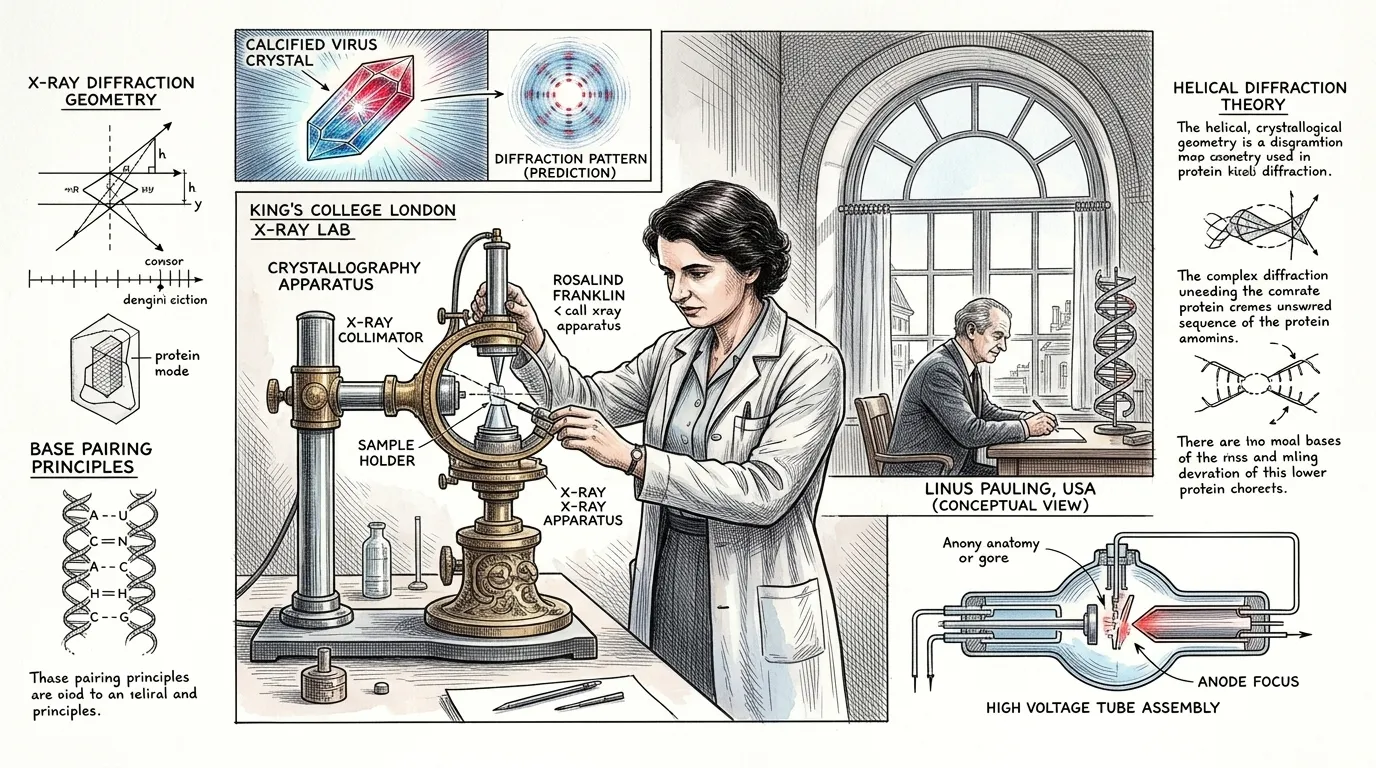
With DNA established as the genetic material, the race to decipher its three-dimensional structure intensified. Scientists around the world recognized that understanding this structure was key to unraveling life's mysteries. Among the leading contenders were Linus Pauling, a brilliant chemist who had already elucidated protein structures; and a team at King's College London, where Rosalind Franklin, a skilled X-ray crystallographer, meticulously captured diffraction images of DNA. Each group approached the problem with unique expertise, fueled by both scientific curiosity and the competitive spirit of discovery, unknowingly converging on a singular, monumental puzzle.
Page 5
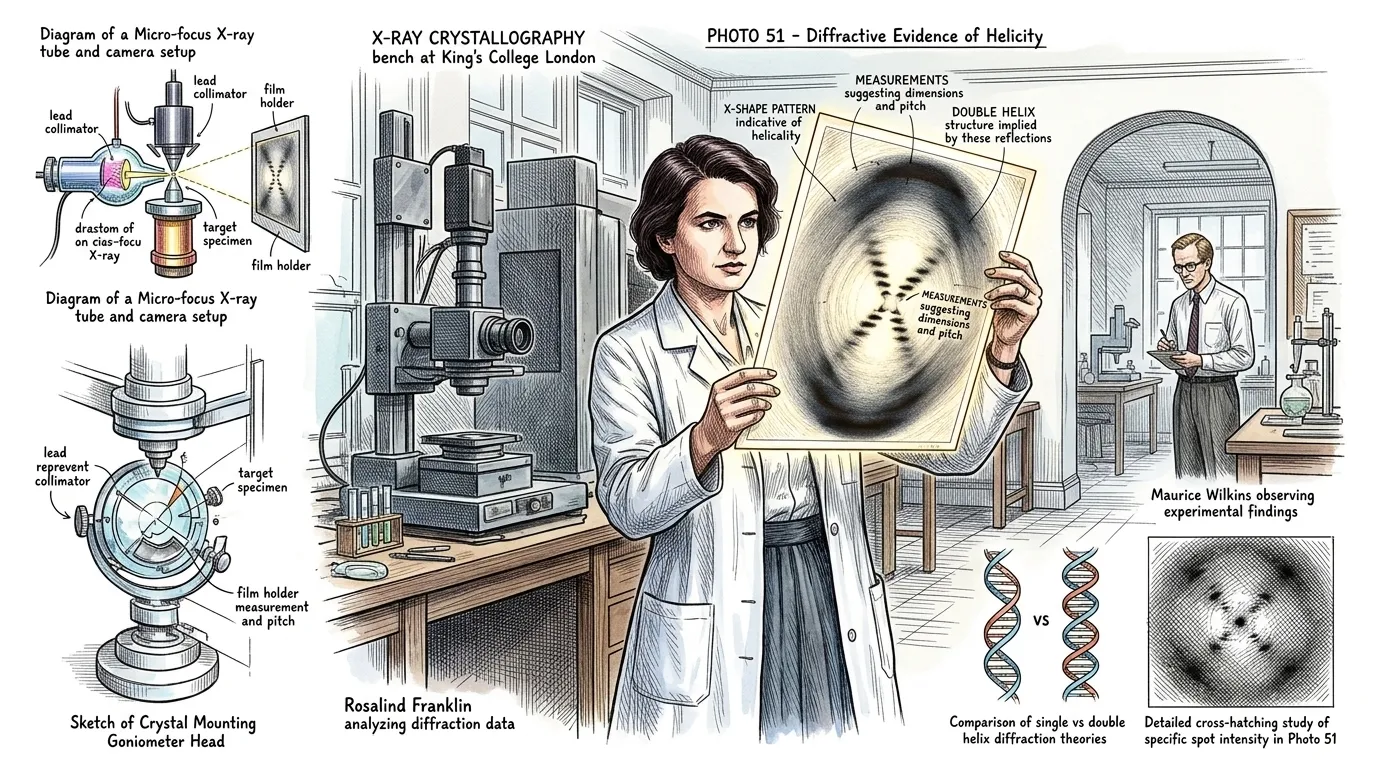
While many sought the DNA structure, Rosalind Franklin's exceptional X-ray diffraction images proved indispensable. Her most famous, 'Photo 51,' taken with unprecedented clarity, showed a distinct X-shaped pattern indicative of a helix. The precise angles and dark reflections within the image offered crucial measurements, suggesting a double helix with specific dimensions. This photograph, though not directly interpreted by Franklin as a double helix initially, became a pivotal piece of evidence. Its data, shared without her direct consent with Watson and Crick via Maurice Wilkins, provided the key empirical basis for their model-building efforts.
Page 6
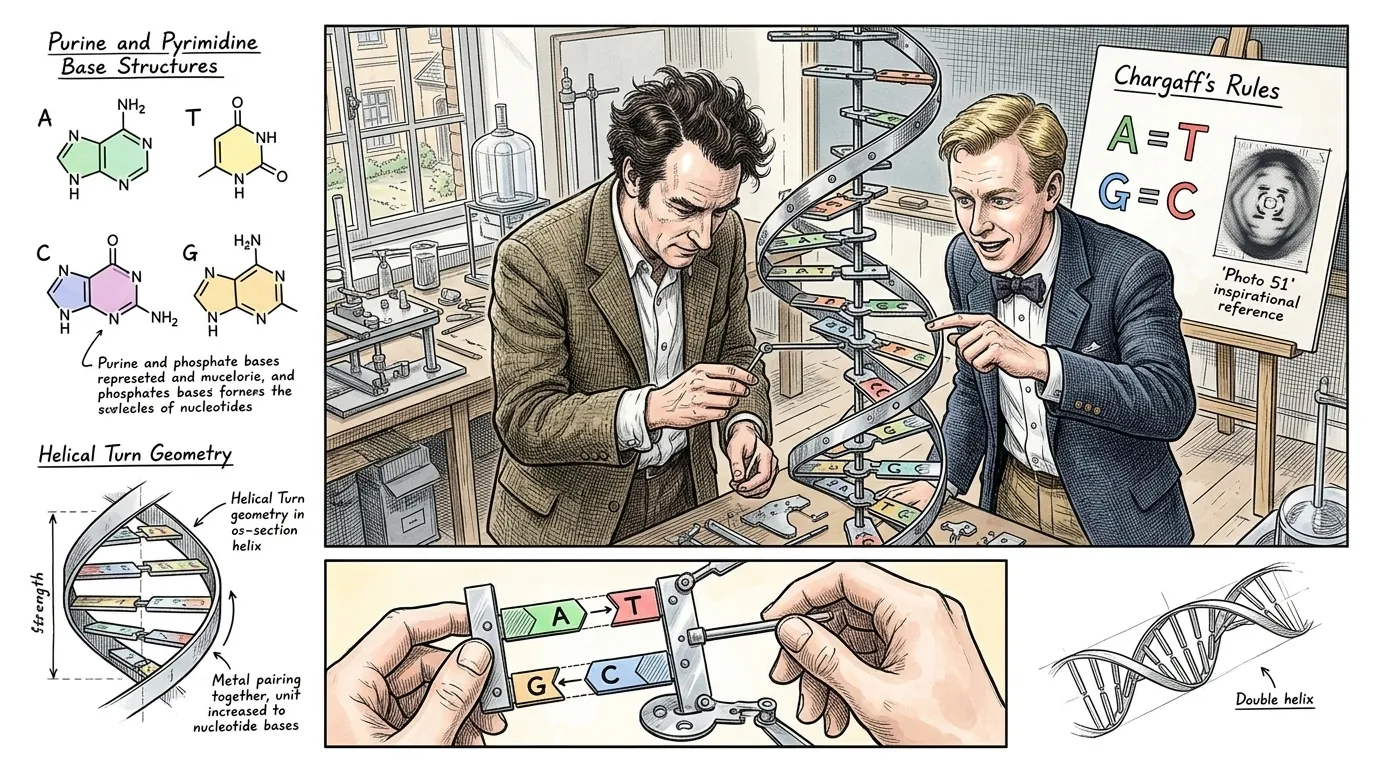
Armed with the X-ray data and crucial biochemical insights, Watson and Crick embarked on an intensive phase of model building. They employed a trial-and-error approach, constructing physical models using metal plates and rods, testing different arrangements of sugar, phosphate, and nucleotide bases. A crucial insight came from Erwin Chargaff's rules, which demonstrated that in DNA, the amount of adenine always equaled thymine, and guanine always equaled cytosine. This 'base pairing' rule, combined with Photo 51's helical pattern, provided the final pieces of the puzzle, guiding them towards a complementary, intertwined structure.
Page 7
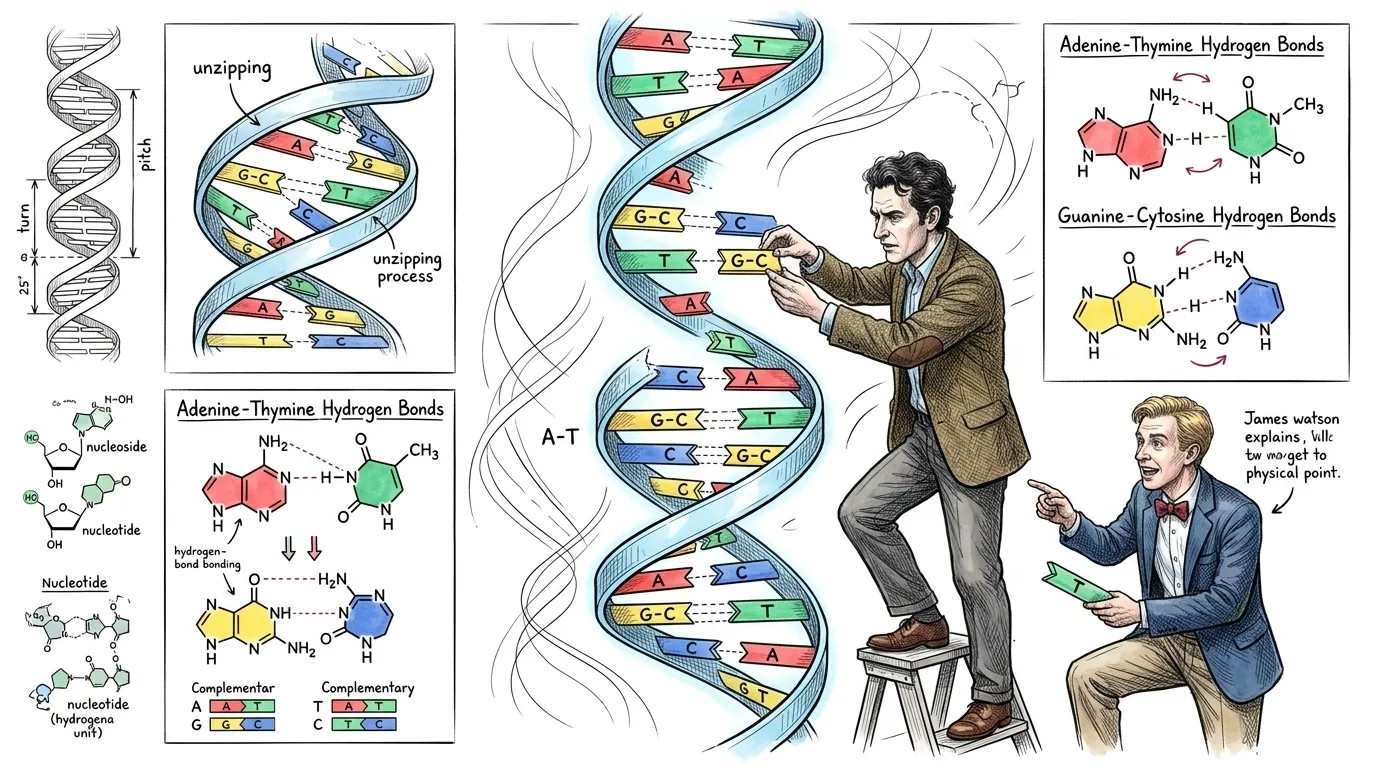
The result was a triumph of scientific deduction and intuition: the double helix. This elegant structure revealed DNA as two sugar-phosphate strands coiled around each other, forming a spiral staircase. The 'steps' of this staircase were made of specific pairs of nitrogenous bases—adenine (A) always bonding with thymine (T), and guanine (G) always bonding with cytosine (C)—held together by hydrogen bonds. This complementary pairing was not merely aesthetically pleasing; it immediately suggested a mechanism for how genetic information could be accurately copied and passed on, a crucial insight into the very essence of life's continuity.
Page 8
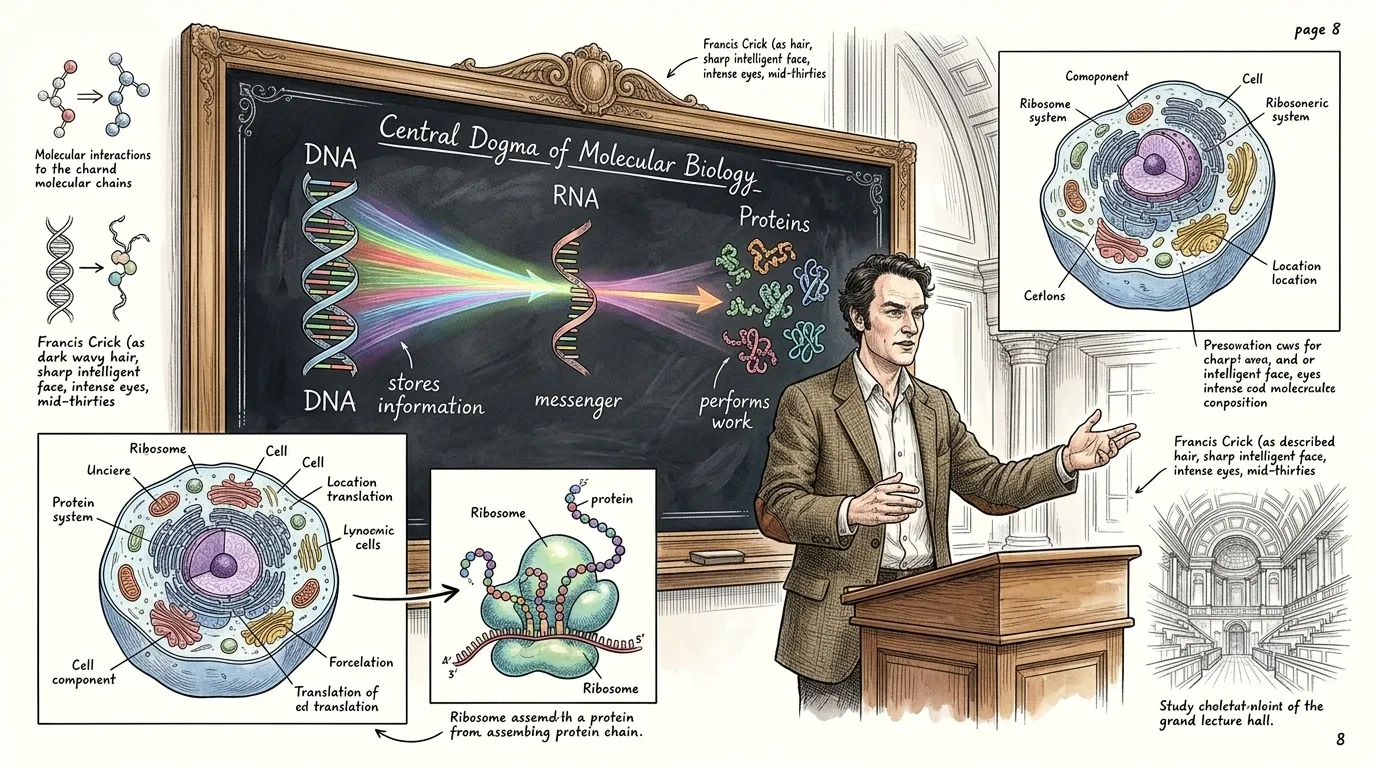
Francis Crick's contributions extended beyond the double helix. In 1957, he proposed the 'Central Dogma of Molecular Biology,' a foundational concept describing the flow of genetic information within a biological system. It posits that information flows generally from DNA to RNA, and then from RNA to protein. DNA stores the information, RNA acts as a messenger, and proteins perform most of the work in the cell and constitute the bulk of cellular structure. This elegant model, initially a hypothesis, has been largely confirmed, providing the universal framework for understanding how genes translate into functional organisms.
Page 9
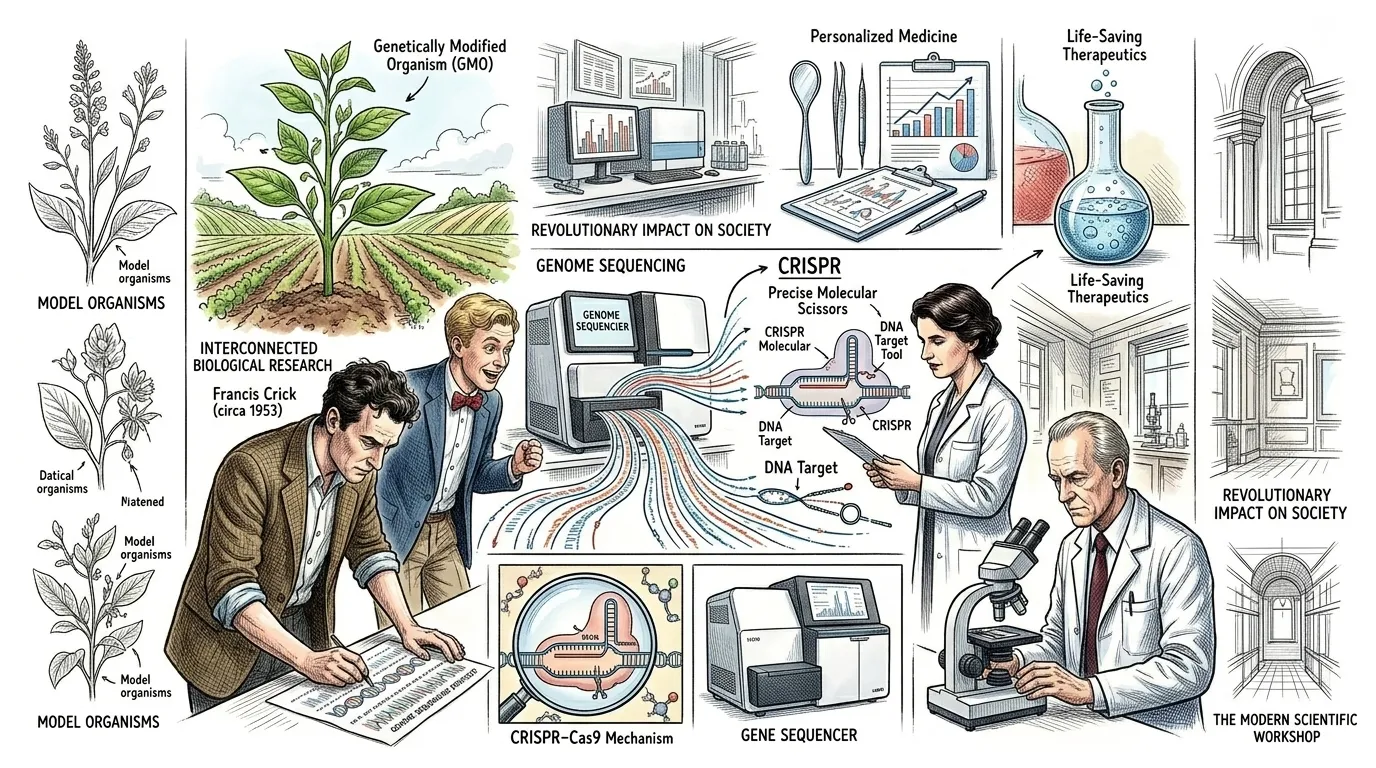
The discovery of DNA's structure and the Central Dogma unleashed an unprecedented era of biological research and technological innovation. Understanding how genetic information is stored and expressed allowed scientists to decode genomes, develop methods for gene editing like CRISPR, and engineer organisms for medical and industrial purposes. From personalized medicine and diagnostic tools to agricultural advancements and the production of life-saving therapeutics, the insights provided by Crick and Watson's work transformed the biomedical landscape, laying the foundation for modern biotechnology and revolutionizing our ability to manipulate life itself.
Page 10
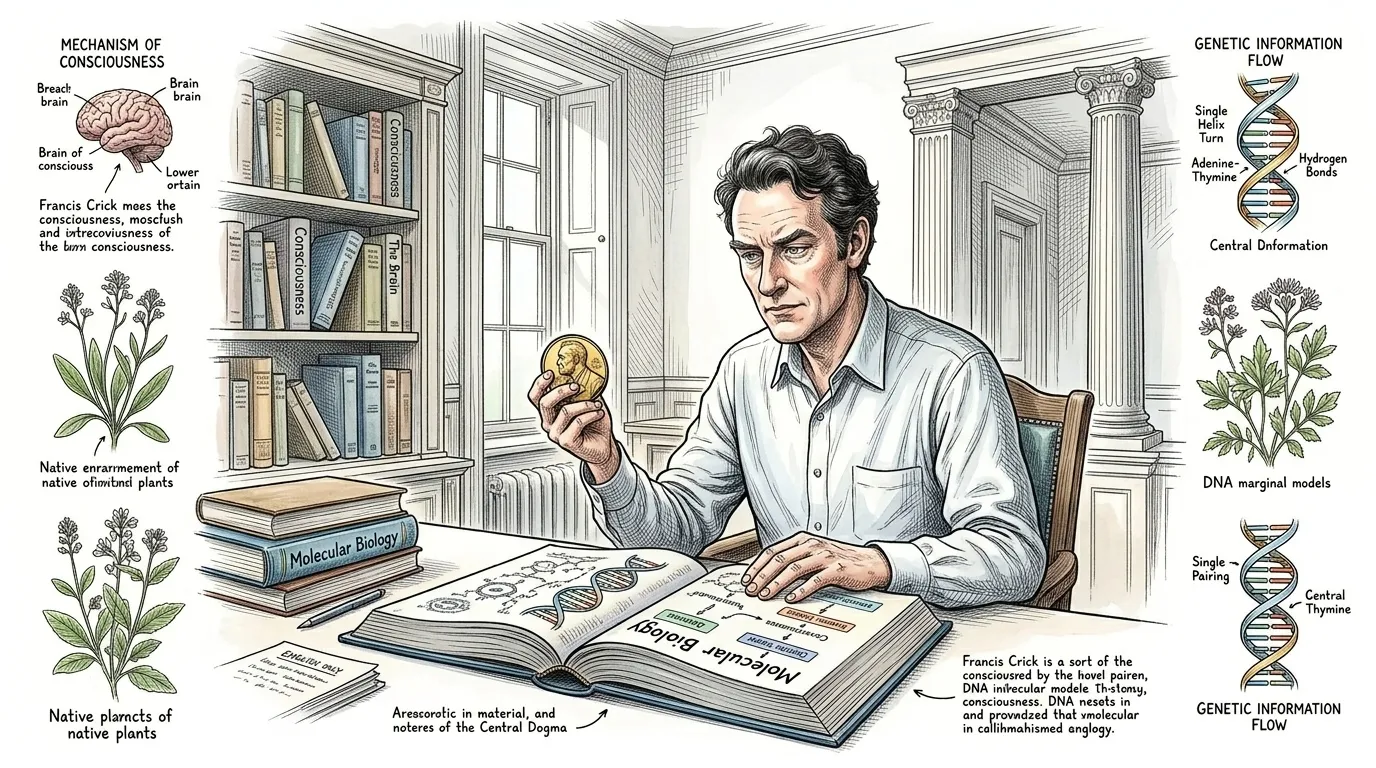
Francis Crick's intellectual curiosity and rigorous approach profoundly reshaped the course of biology. His foundational work on DNA's structure and the Central Dogma not only earned him a Nobel Prize but also inaugurated the age of molecular biology. His legacy extends far beyond the initial discovery; it underpins all subsequent advancements in genetics, medicine, and biotechnology. Yet, Crick also pondered the grander questions, later exploring consciousness and the brain, forever seeking to unravel the fundamental principles governing life. His enduring impact lies in providing the essential framework for understanding ourselves, from the smallest molecule to the most complex aspects of the human mind.
About this story
- Location: Global
- Audience: general readers
Questions and answers
Read Wonder Science on your phone
Wonder Science is available on Android. Get Wonder Science on Google Play.