Francoise Barre-Sinoussi
Francoise Barre-Sinoussi — an illustrated science story, set in Global. 10 illustrated pages, free to read on Wonder Science.
Page 1
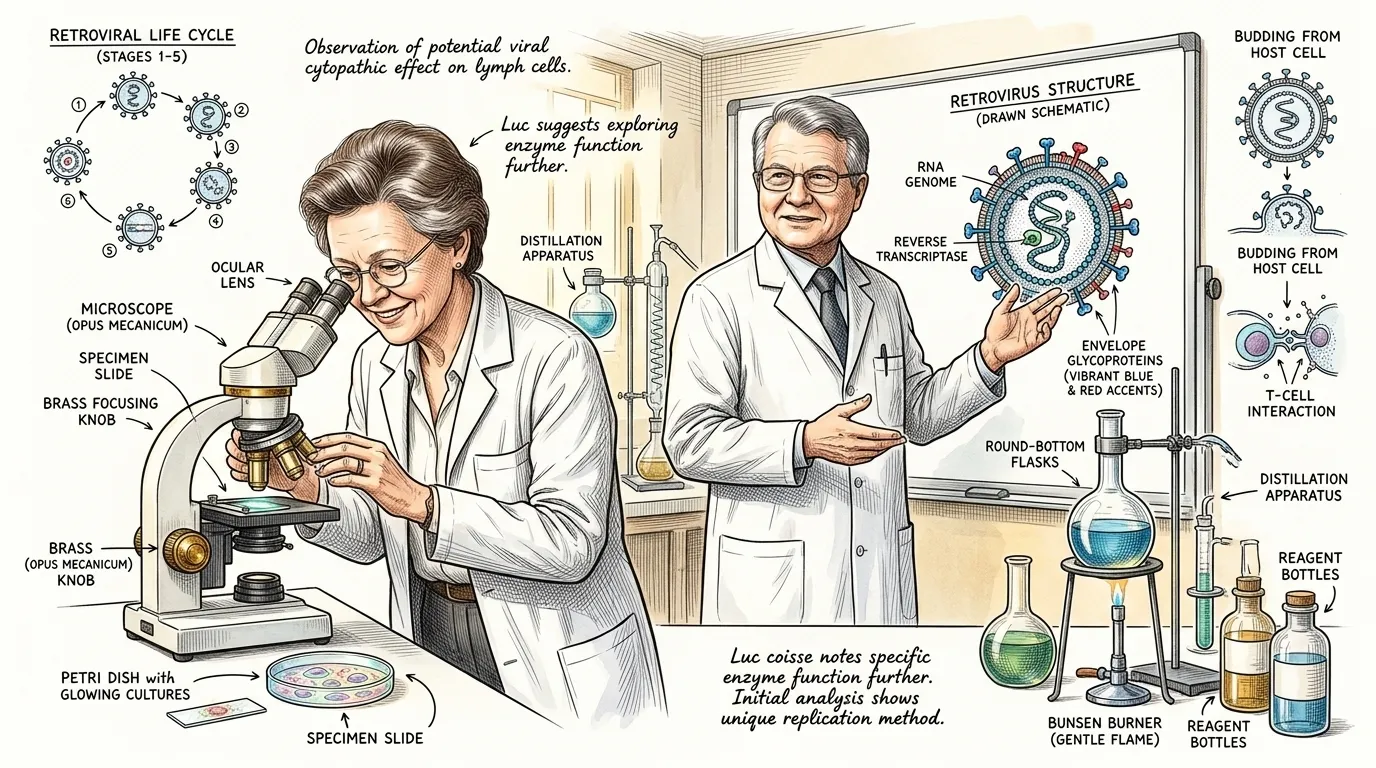
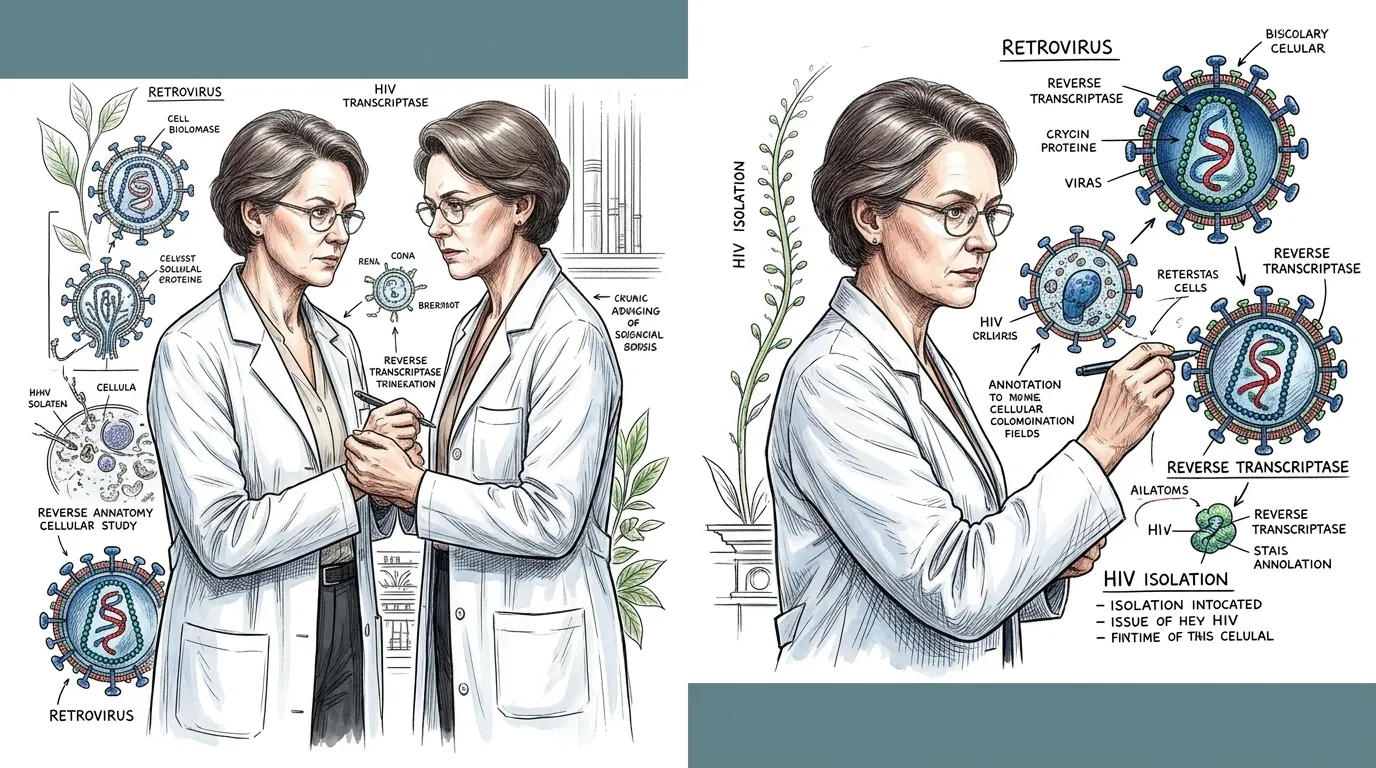
In the spring of 1983, within the quiet intensity of a Parisian laboratory, a scientific breakthrough of monumental significance was unfolding. At the Pasteur Institute, amidst samples from patients suffering from a baffling new immune deficiency, a team led by Luc Montagnier, and critically, by virologist Françoise Barré-Sinoussi, was meticulously searching for a causative agent. Their focus narrowed to a specific type of virus, a retrovirus, previously known to cause various diseases but never before linked to such a devastating human epidemic. This relentless investigation would soon reveal the hidden enemy behind the emerging global health crisis.\n\n Fact: A pivotal moment in virology and public health history.
Page 2
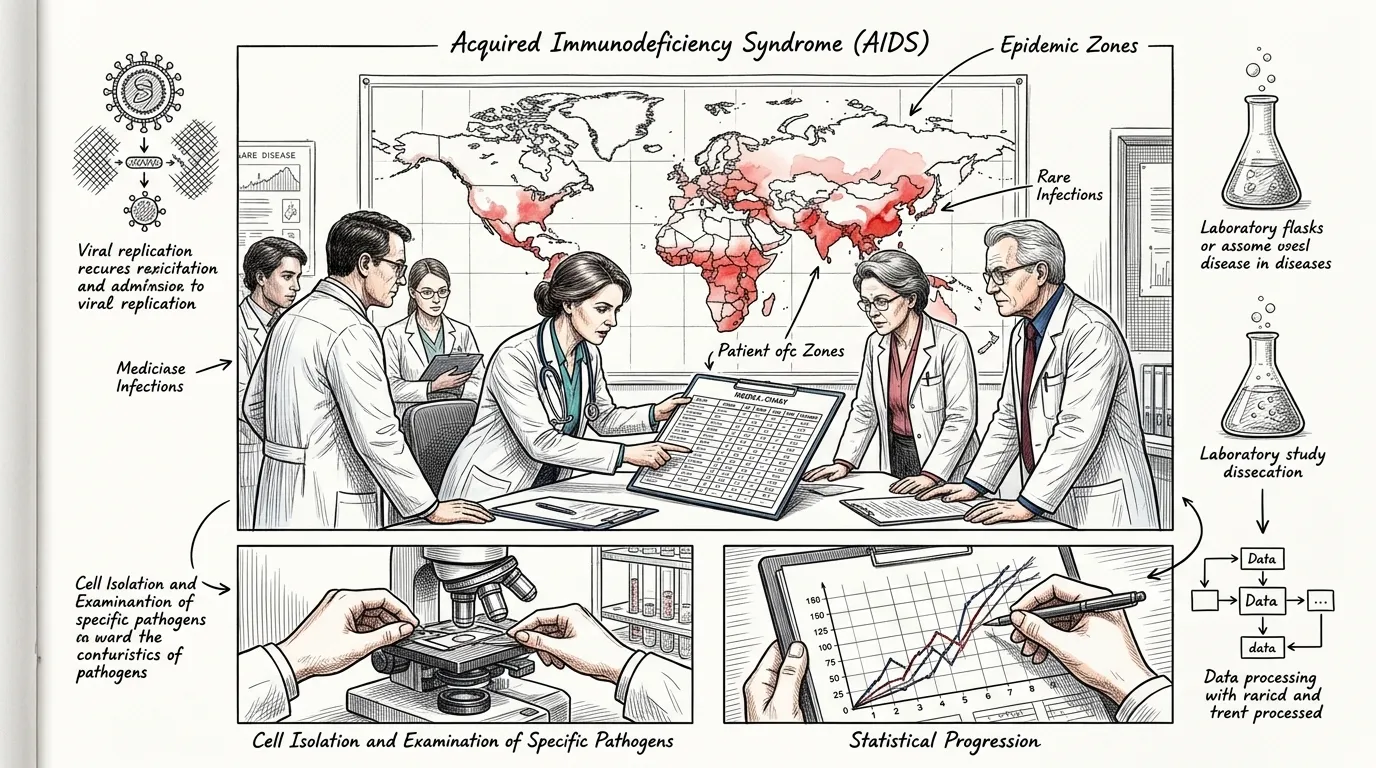
The early 1980s presented medicine with an unprecedented enigma. Across the United States and rapidly in other parts of the world, young, previously healthy individuals began succumbing to rare infections and unusual cancers. This cluster of symptoms defied conventional medical explanation, signaling the emergence of a new, terrifying disease. Initially termed Gay-Related Immune Deficiency (GRID), it soon became clear that this condition, later named Acquired Immunodeficiency Syndrome (AIDS), affected a broader population, rapidly overwhelming healthcare systems and sparking widespread fear and confusion. Scientists urgently sought to identify the root cause of this mysterious collapse of the immune system.\n\n Fact: The initial medical puzzle and global public health crisis.
Page 3
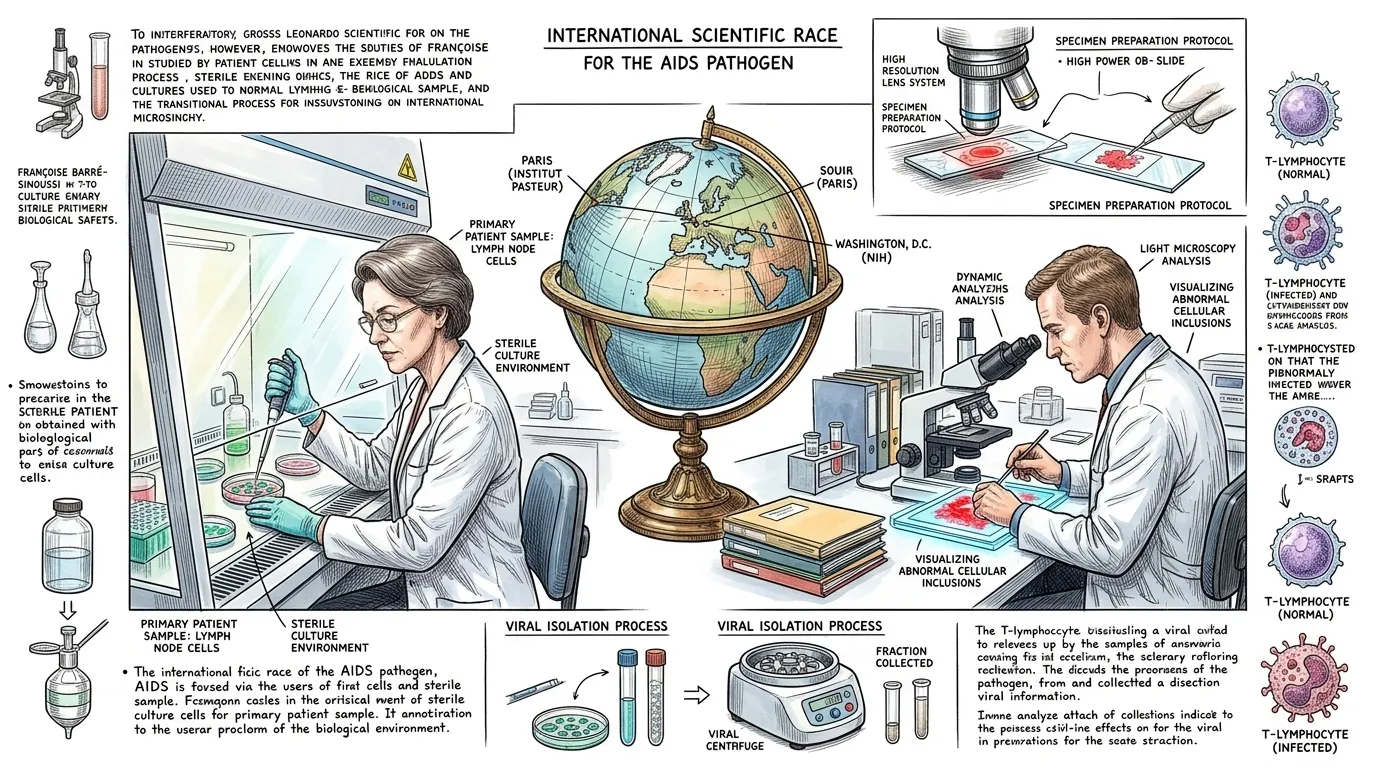
The escalating AIDS crisis ignited a furious international scientific race to pinpoint its etiology. Laboratories in the United States and France emerged as primary contenders, each pursuing their own leads, often with limited communication and intense pressure. Initial hypotheses ranged from environmental toxins to genetic predispositions, yet accumulating evidence increasingly pointed towards an infectious agent, likely a virus. Researchers tirelessly cultured cells, analyzed blood samples, and cross-referenced patient data, all hoping to be the first to unmask the silent pathogen decimating immune systems worldwide. The stakes were impossibly high, with millions of lives hanging in the balance.\n\n Fact: Intense international competition to identify the AIDS pathogen.
Page 4
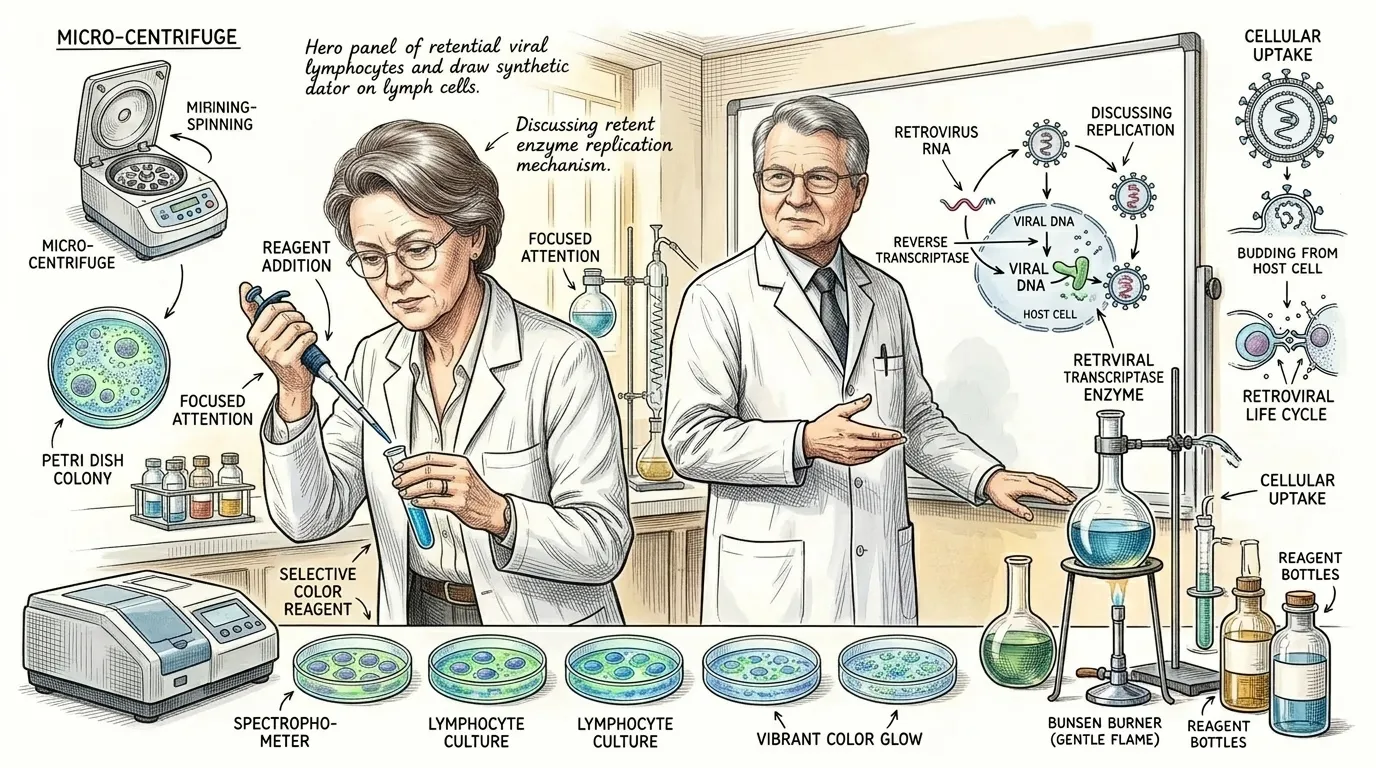
Within the scientific community, the retrovirus hypothesis gained significant traction. Retroviruses, a unique class of RNA viruses, had a profound ability to integrate their genetic material into the host cell's DNA, fundamentally altering cellular function and often leading to chronic diseases. This mechanism, facilitated by an enzyme called reverse transcriptase, explained the insidious, long-term nature of AIDS. Researchers, particularly those at the Pasteur Institute, began to prioritize the search for signs of retroviral activity in patient samples. Their meticulous work involved culturing lymphocytes from affected individuals and assaying for this crucial enzymatic fingerprint, which would serve as direct evidence of a retroviral infection.\n\n Fact: Focusing the search on retroviruses and their unique enzymatic activity.
Page 5
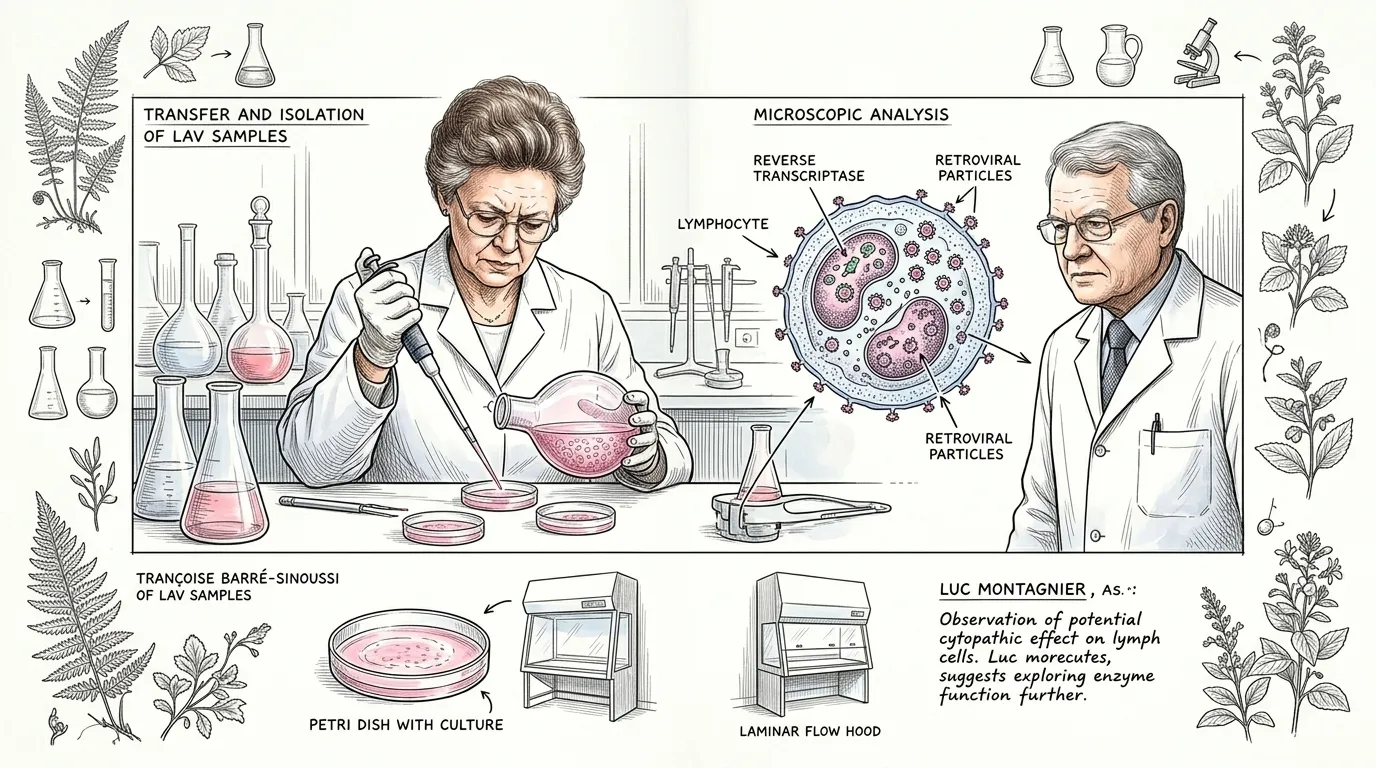
Françoise Barré-Sinoussi, a brilliant virologist, spearheaded the painstaking work of isolating the suspected retrovirus. Her approach involved culturing lymphocytes, a type of white blood cell, obtained from a patient suffering from lymphadenopathy, a precursor to full-blown AIDS. This was a critical step, as the virus was present in extremely low quantities. Her team then painstakingly observed these cultures for signs of viral replication, specifically looking for evidence of reverse transcriptase activity, the signature enzyme of retroviruses. This painstaking process, demanding precision and persistence, was the direct path to uncovering the pathogen.\n\n Fact: The painstaking process of culturing and isolating the unknown retrovirus.
Page 6
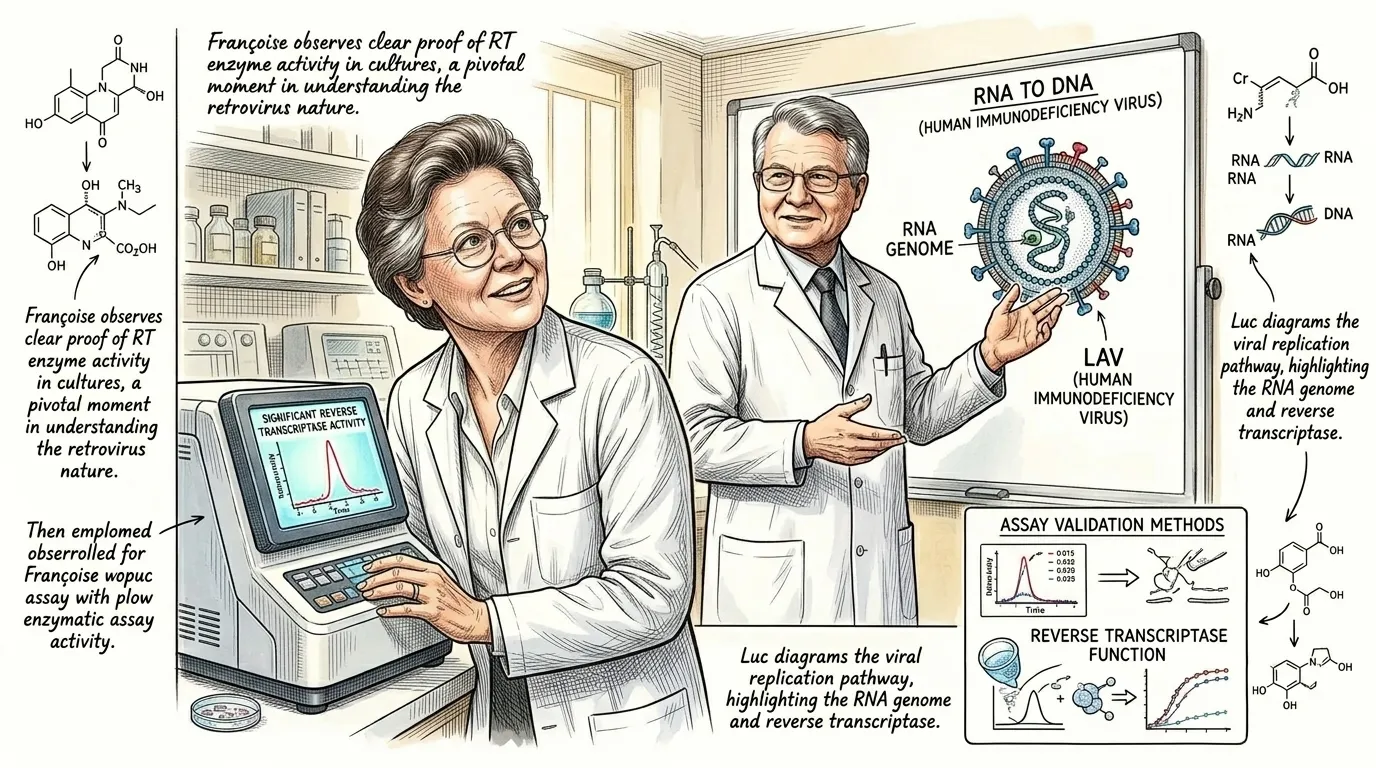
The breakthrough came with the detection of significant reverse transcriptase activity in the cultured lymphocytes. This was the undeniable 'smoking gun' that a retrovirus was actively replicating within these cells, directly linking it to the patient's immune system deterioration. Barré-Sinoussi's team rigorously performed enzymatic assays, measuring the conversion of RNA to DNA, which retroviruses exclusively facilitate. This biochemical signature provided the crucial evidence needed to distinguish their findings from environmental contaminants or other known viruses. The enzyme's presence confirmed the existence of a novel retrovirus, which they initially termed Lymphadenopathy-Associated Virus (LAV), later universally recognized as Human Immunodeficiency Virus (HIV).\n\n Fact: The pivotal detection of reverse transcriptase activity confirming a retrovirus.
Page 7
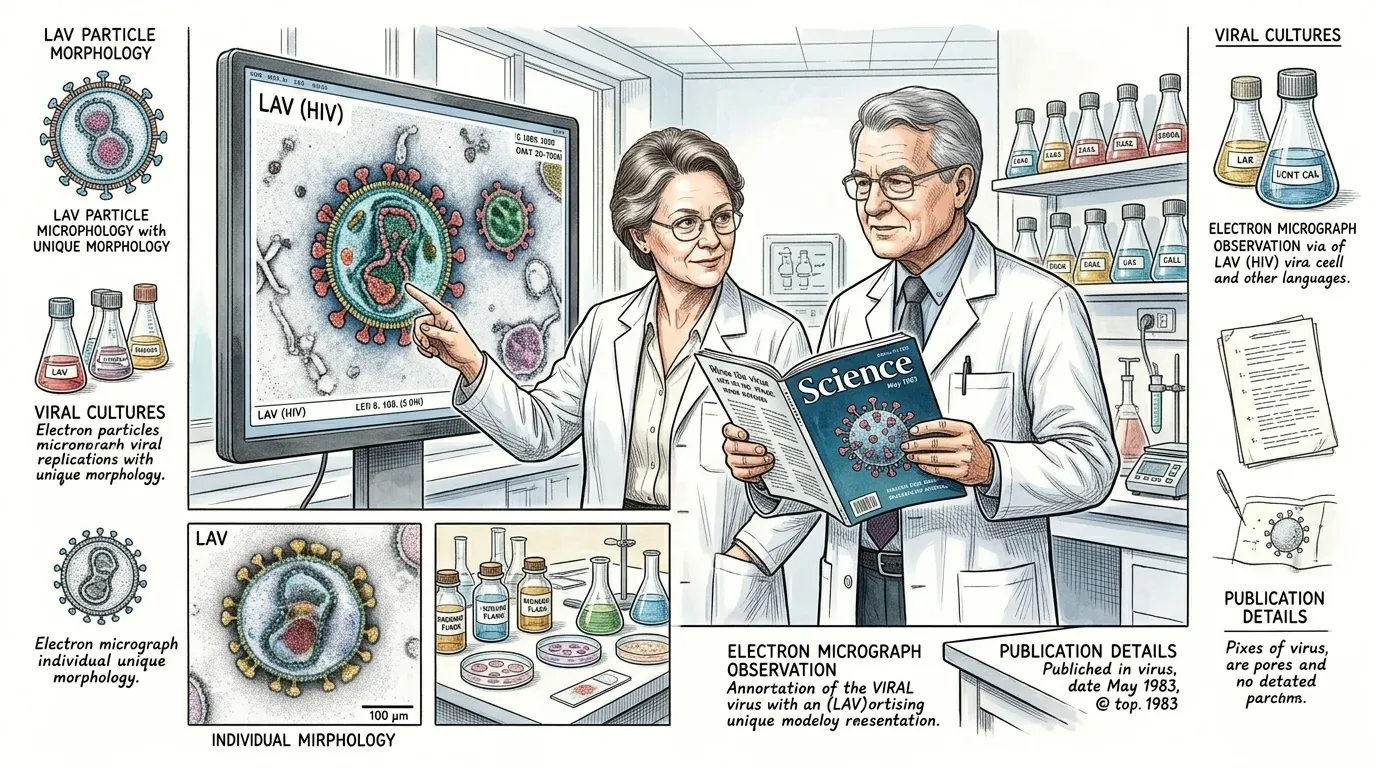
Following the discovery of reverse transcriptase activity, the team successfully cultivated the virus in larger quantities, allowing for its detailed characterization. Electron microscopy confirmed the presence of distinct viral particles, revealing their unique morphology. Further immunological studies demonstrated that antibodies from AIDS patients specifically recognized this newly isolated virus, solidifying its role as the causative agent. The rigorous scientific process, from initial cell culture to biochemical assay and subsequent viral characterization, provided irrefutable evidence. This culminated in the seminal publication in Science magazine in May 1983, formally announcing the discovery of LAV, marking a turning point in the understanding and fight against AIDS.\n\n Fact: Rigorous characterization and publication of the newly identified virus.
Page 8
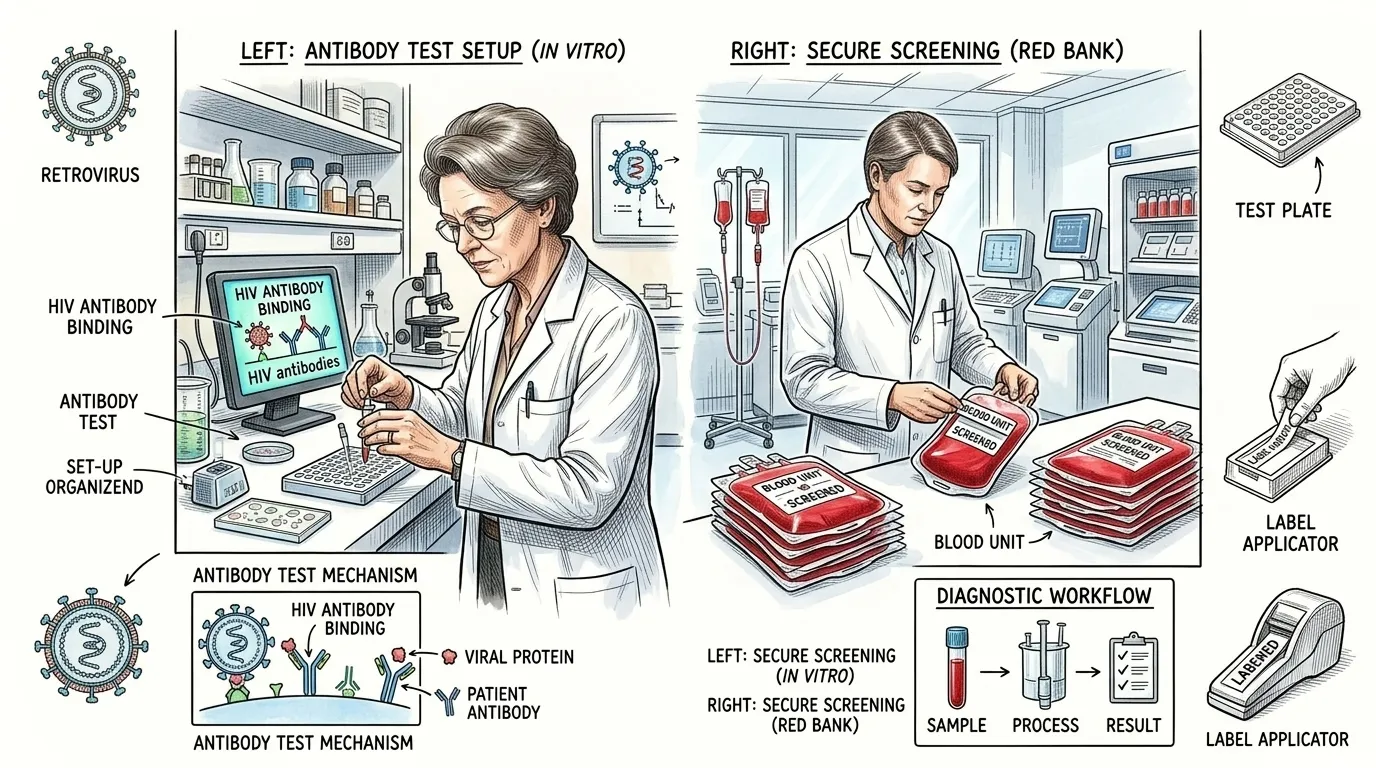
The isolation of HIV rapidly transformed the fight against AIDS, moving from a period of terrifying unknowns to a phase of actionable diagnostics. With the virus identified, scientists could develop specific antibody tests to detect its presence in blood. This monumental achievement, born from Barré-Sinoussi's initial breakthrough, enabled the screening of blood supplies, effectively halting the transmission of HIV through transfusions. Furthermore, diagnostic tests allowed for early identification of infected individuals, crucial for both public health surveillance and, eventually, for guiding patient care. This immediate, life-saving application underscored the profound impact of fundamental scientific discovery on global health.\n\n Fact: The immediate development of diagnostic tests and blood screening.
Page 9
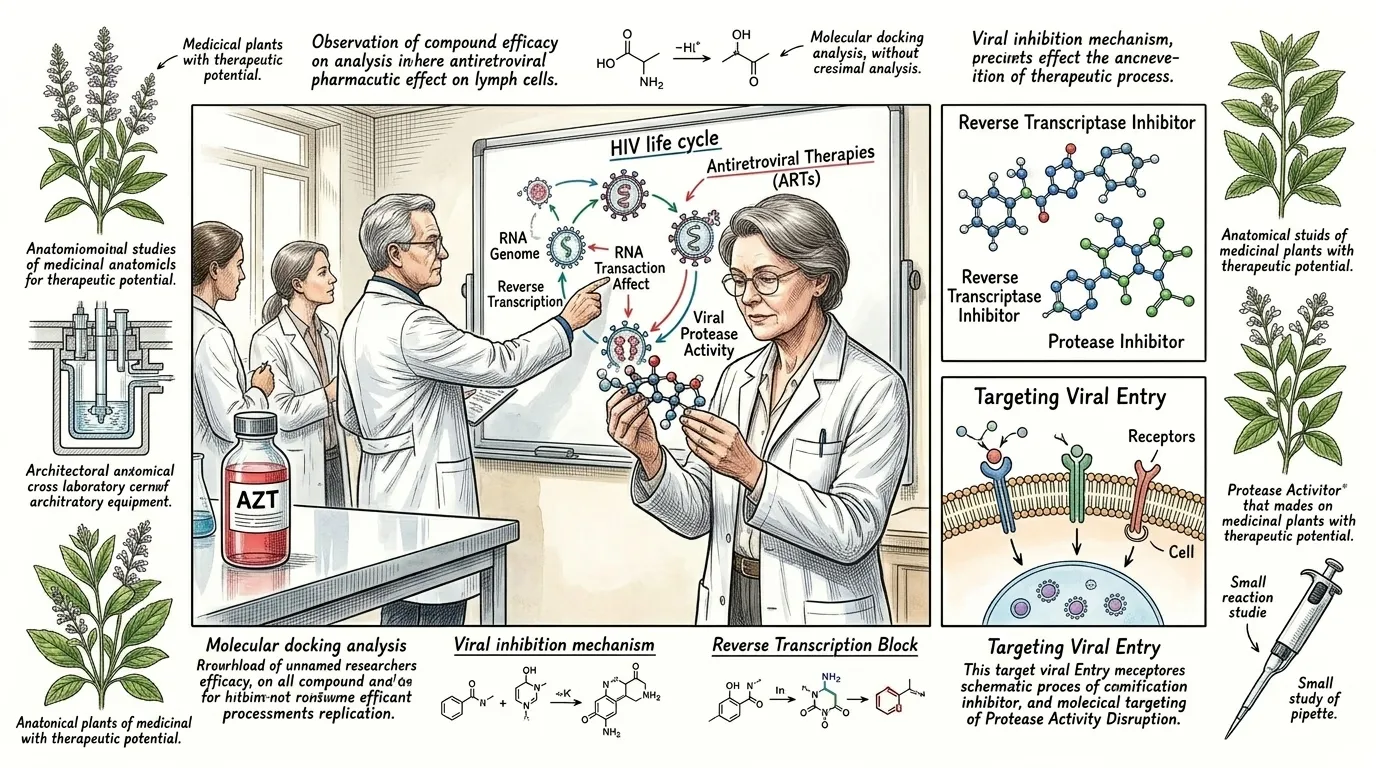
Beyond diagnostics, the understanding of HIV's retroviral nature paved the way for the development of targeted antiretroviral therapies (ART). By comprehending the virus's life cycle, researchers could design drugs to interrupt specific stages, such as reverse transcription or viral protease activity. The first effective drug, AZT, emerged within years, a remarkable speed for pharmaceutical development. Over subsequent decades, a complex cocktail of ARTs transformed HIV infection from a near-certain death sentence into a manageable chronic condition, dramatically extending life expectancies and improving quality of life for millions. This therapeutic revolution stands as a testament to the power of basic science to inform complex medical interventions.\n\n Fact: The development of antiretroviral therapies, transforming HIV treatment.
Page 10
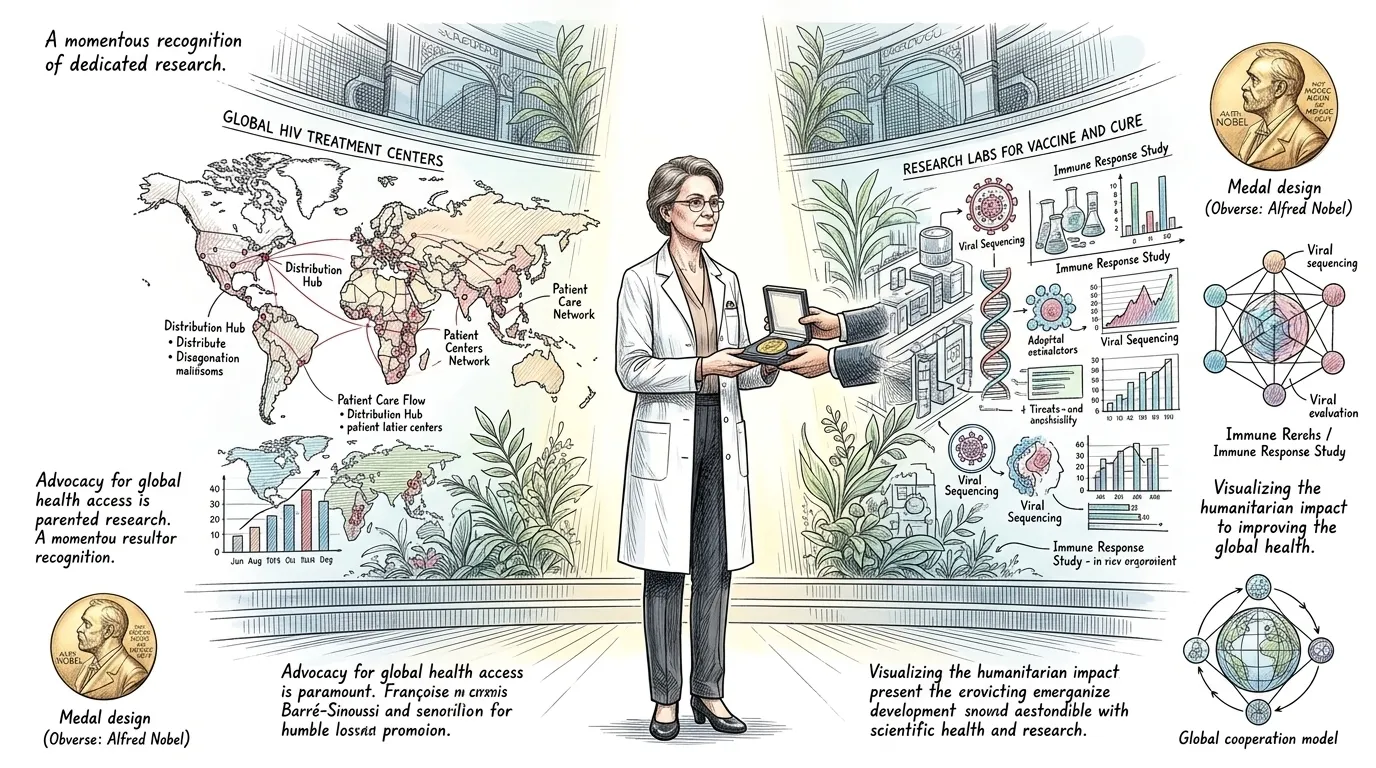
Françoise Barré-Sinoussi's co-discovery of HIV earned her the Nobel Prize in Physiology or Medicine in 2008, a testament to her profound contribution to global health. Her work not only provided the key to understanding AIDS but also laid the foundation for every subsequent diagnostic test, treatment, and preventative measure. Beyond the lab, she has dedicated her career to advocating for universal access to HIV treatment and research towards a vaccine and cure, particularly in resource-limited settings. Her legacy extends far beyond a single discovery; it embodies unwavering scientific rigor, humanitarian commitment, and the transformative power of biomedical research in the face of a global pandemic.\n\n Fact: Nobel recognition, global advocacy, and the enduring impact of HIV research.
About this story
- Location: Global
- Audience: general readers
Questions and answers
Read Wonder Science on your phone
Wonder Science is available on Android. Get Wonder Science on Google Play.