Frederick Sanger
Frederick Sanger — an illustrated science story, set in Global. 10 illustrated pages, free to read on Wonder Science.
Page 1
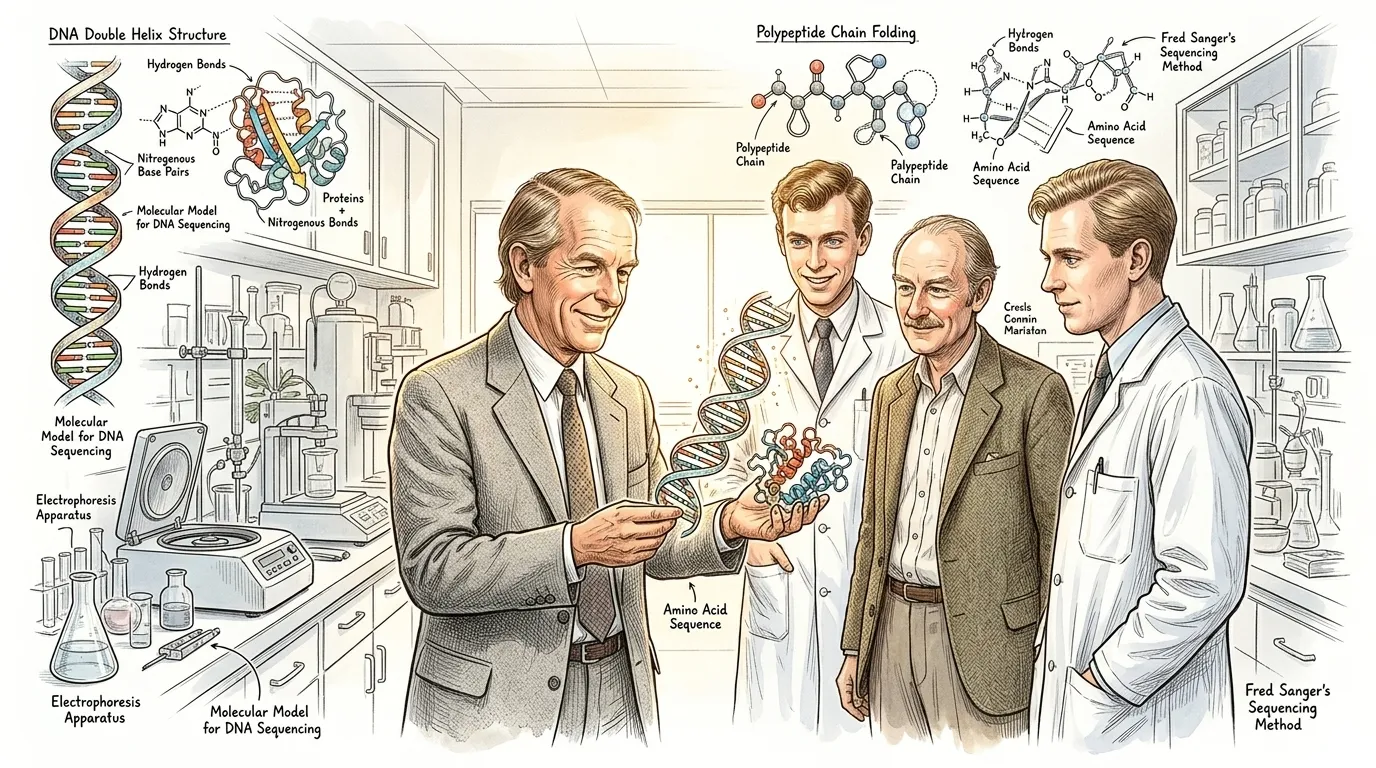
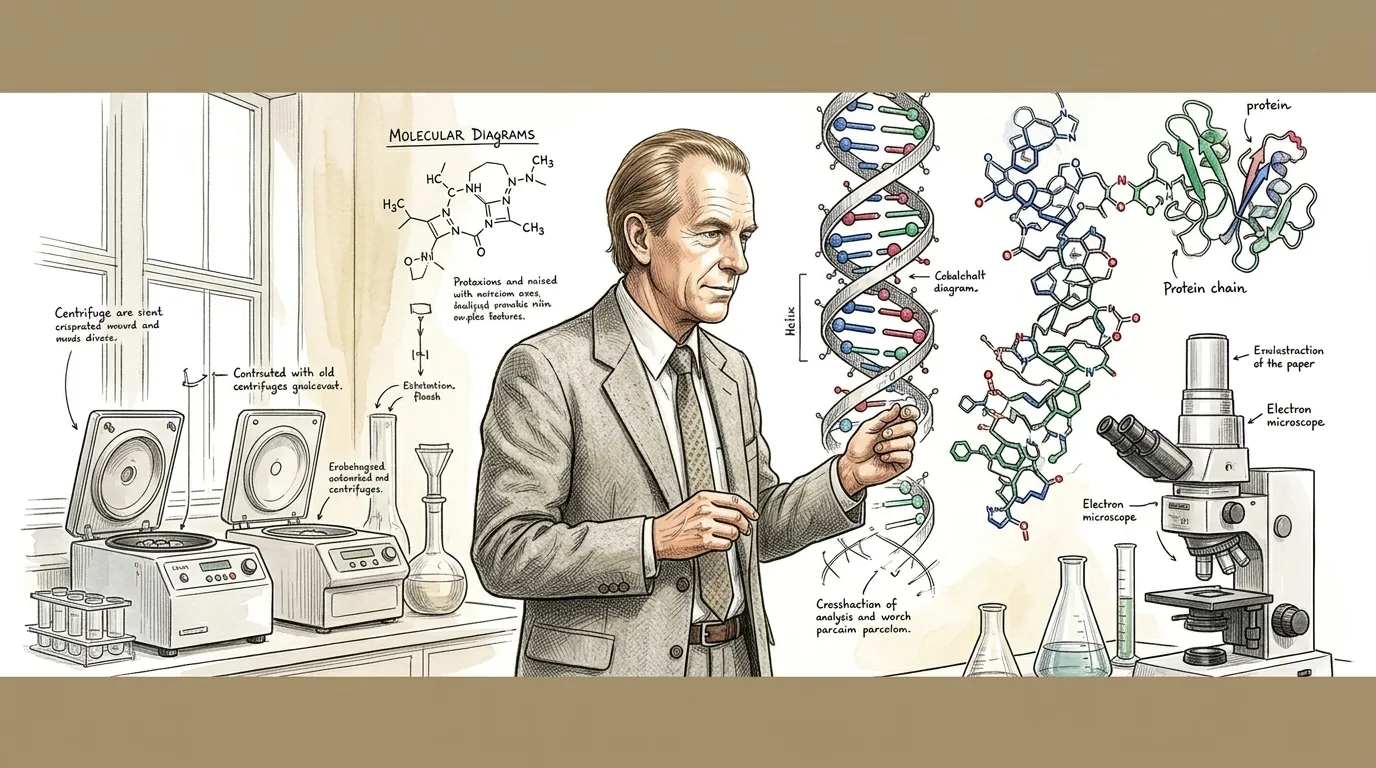
In the annals of molecular biology, few names resonate with the transformative power of discovery as profoundly as Frederick Sanger. His meticulous work, spanning decades, didn't just unravel the structures of life's fundamental molecules; it provided the very tools that would allow humanity to read the blueprints of existence itself. From the intricate folds of proteins to the vast complexity of DNA, Sanger's methods opened entirely new frontiers, forever changing medicine, genetics, and our understanding of evolution. His pioneering techniques earned him two Nobel Prizes in Chemistry, a singular achievement underscoring the monumental impact of his contributions.
Page 2
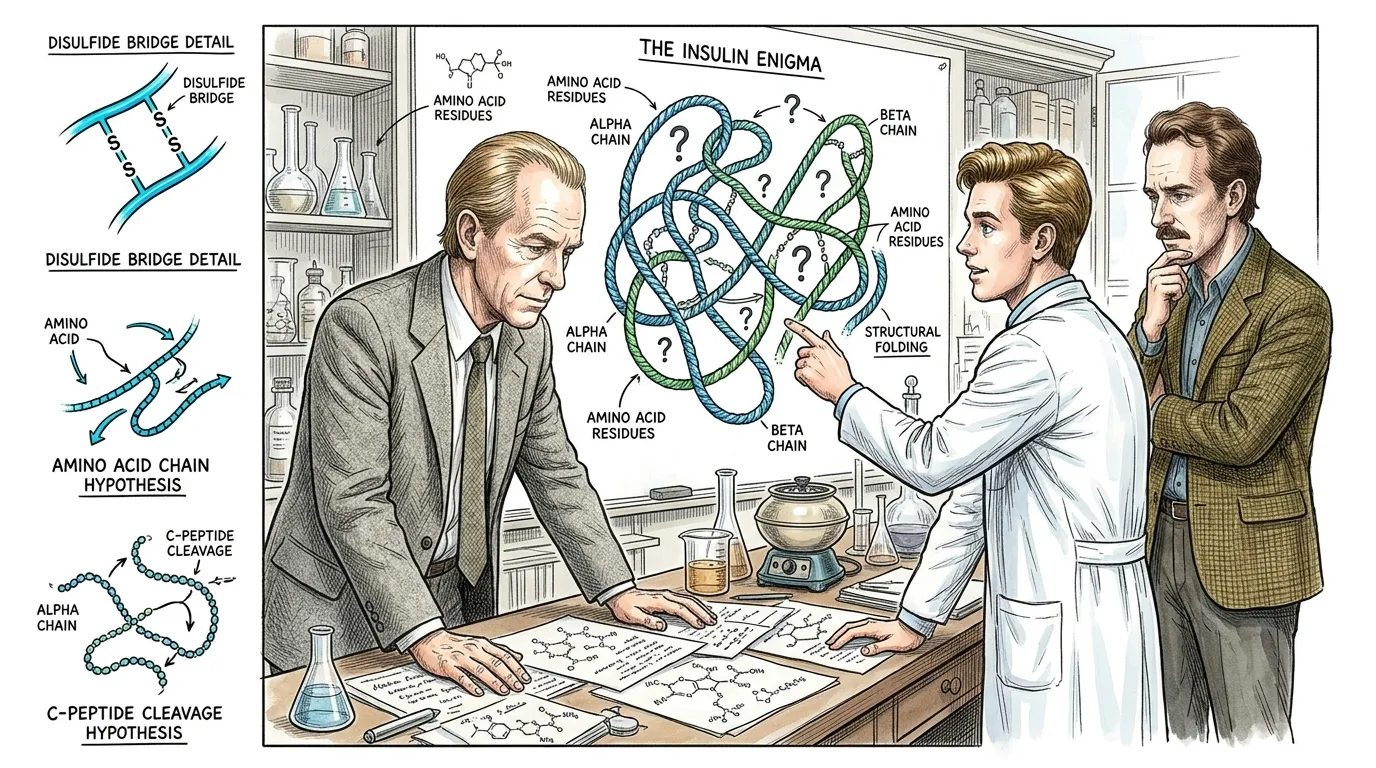
Before Sanger, the intricate architecture of proteins remained an enigma. These complex macromolecules, vital for virtually every biological process, were known to be composed of amino acids, but the precise order—the 'sequence'—of these building blocks was a fundamental mystery. Scientists understood proteins were chains, but the vast number of possible arrangements made decoding them seem insurmountable. Insulin, a relatively small but critical hormone, became a prime target, its function inextricably linked to its precise structure, a puzzle that Frederick Sanger embarked upon in 1943 at Cambridge.
Page 3
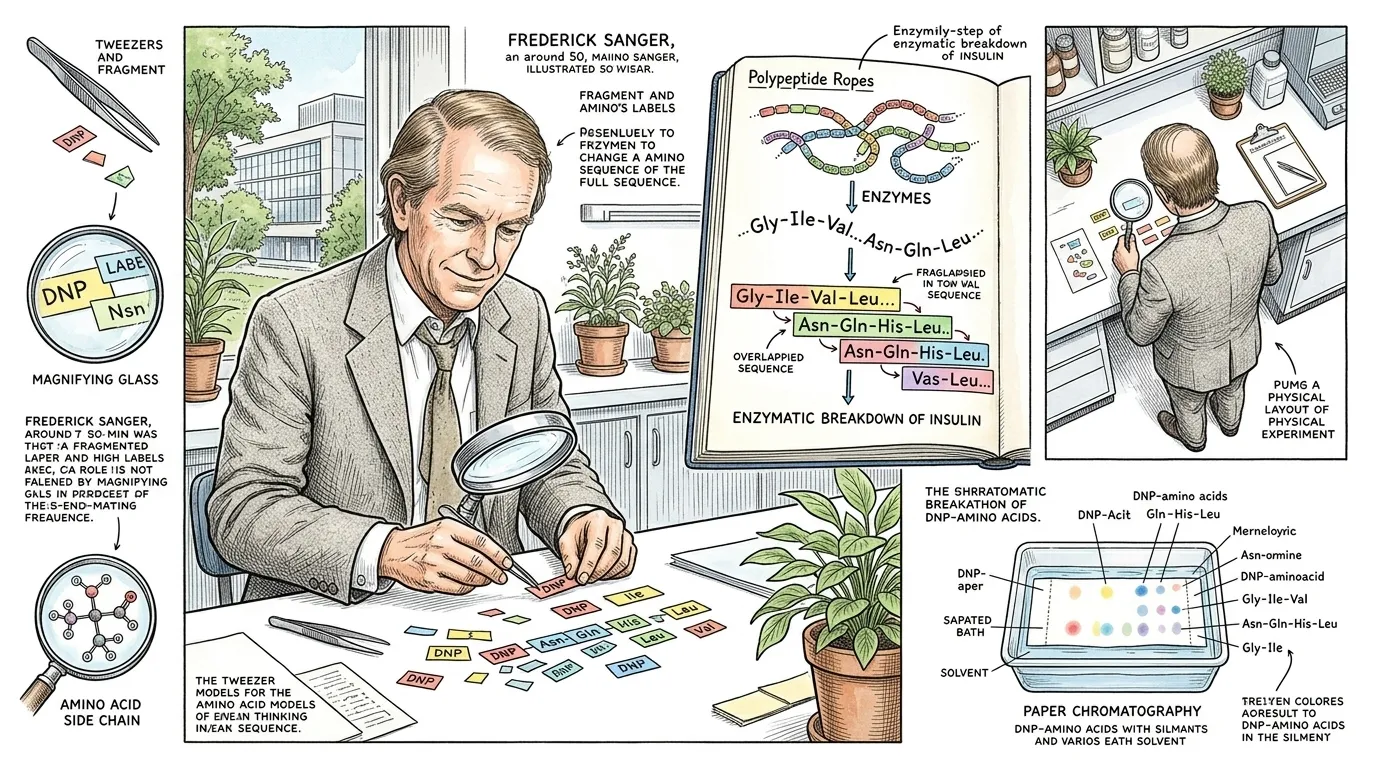
Sanger's breakthrough came through an ingenious, step-by-step deconstruction. He first separated insulin into two distinct polypeptide chains, then used specific enzymes to break these chains into smaller, manageable fragments. By identifying the N-terminal amino acid of each fragment using his newly developed dinitrophenyl (DNP) method, and then overlapping these fragments, he painstakingly pieced together the full sequence. In 1955, after a decade of relentless effort, Sanger unveiled the complete amino acid sequence of bovine insulin—the first protein ever sequenced, a monumental achievement that earned him his first Nobel Prize.
Page 4
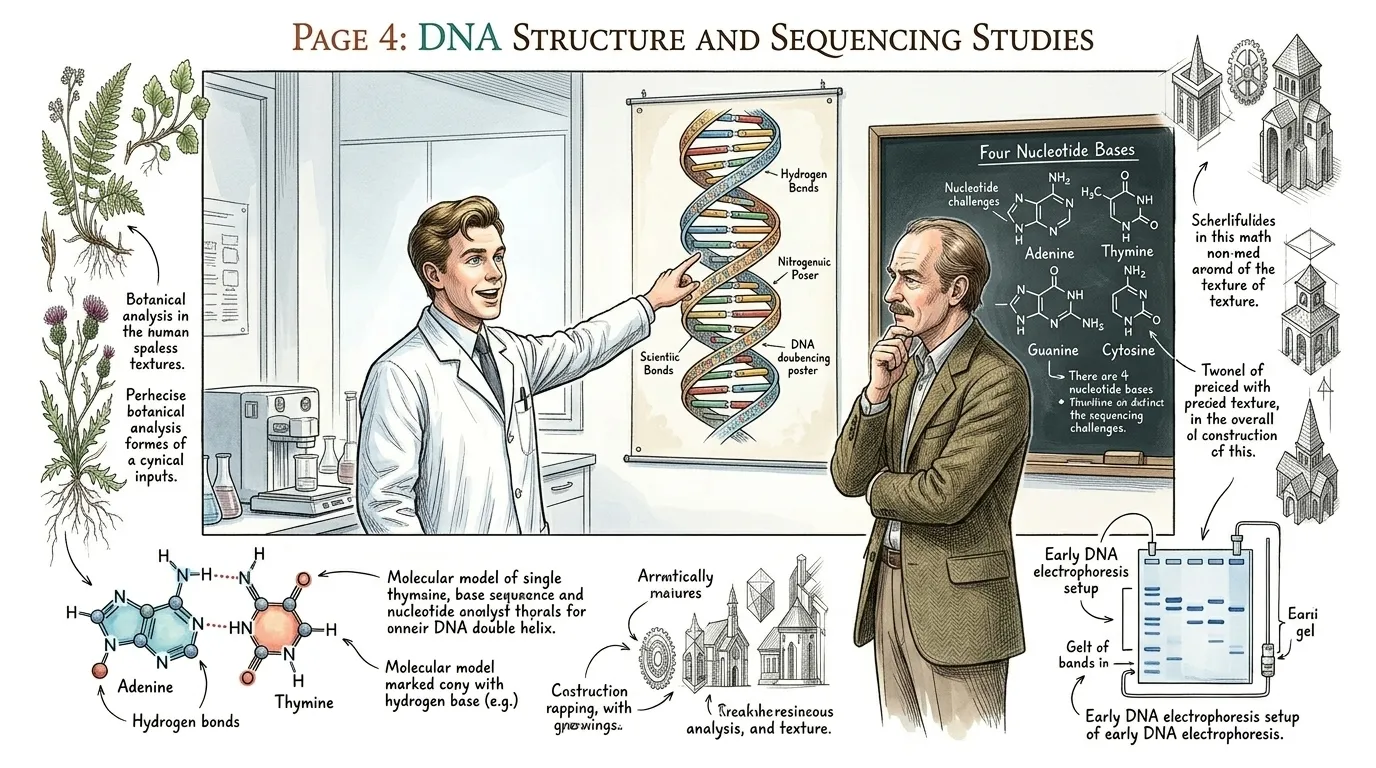
With the structure of DNA elucidated by Watson and Crick in 1953, the focus of molecular biology shifted dramatically from proteins to the very blueprint of heredity. The double helix revealed how genetic information was stored, but the challenge remained: how to read the precise sequence of its nucleotide bases—Adenine, Thymine, Guanine, Cytosine—that spelled out life's instructions. Each organism carried a unique, vast library encoded within its DNA, and unlocking this library required a method as revolutionary as Sanger's protein sequencing, but adapted for a far more complex molecule.
Page 5
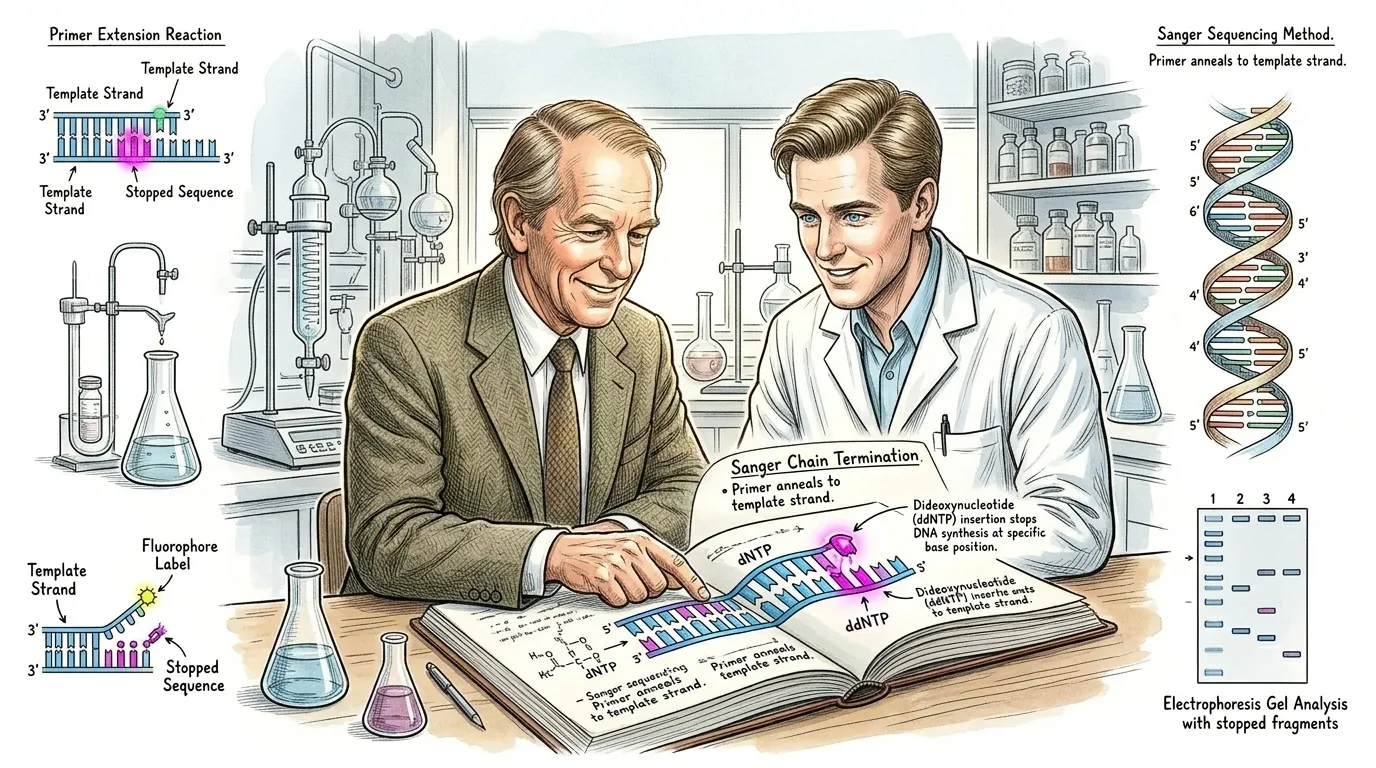
By the 1970s, Sanger was once again at the forefront, grappling with the DNA sequencing problem. His solution, developed with Alan Coulson, was the 'chain-termination method,' or Sanger sequencing. The ingenious core idea was to selectively halt DNA synthesis at specific nucleotides. This was achieved using dideoxynucleotides (ddNTPs), modified DNA building blocks that, once incorporated into a growing DNA strand, prevented any further additions. This created a nested set of DNA fragments, each ending precisely where a ddNTP was incorporated.
Page 6
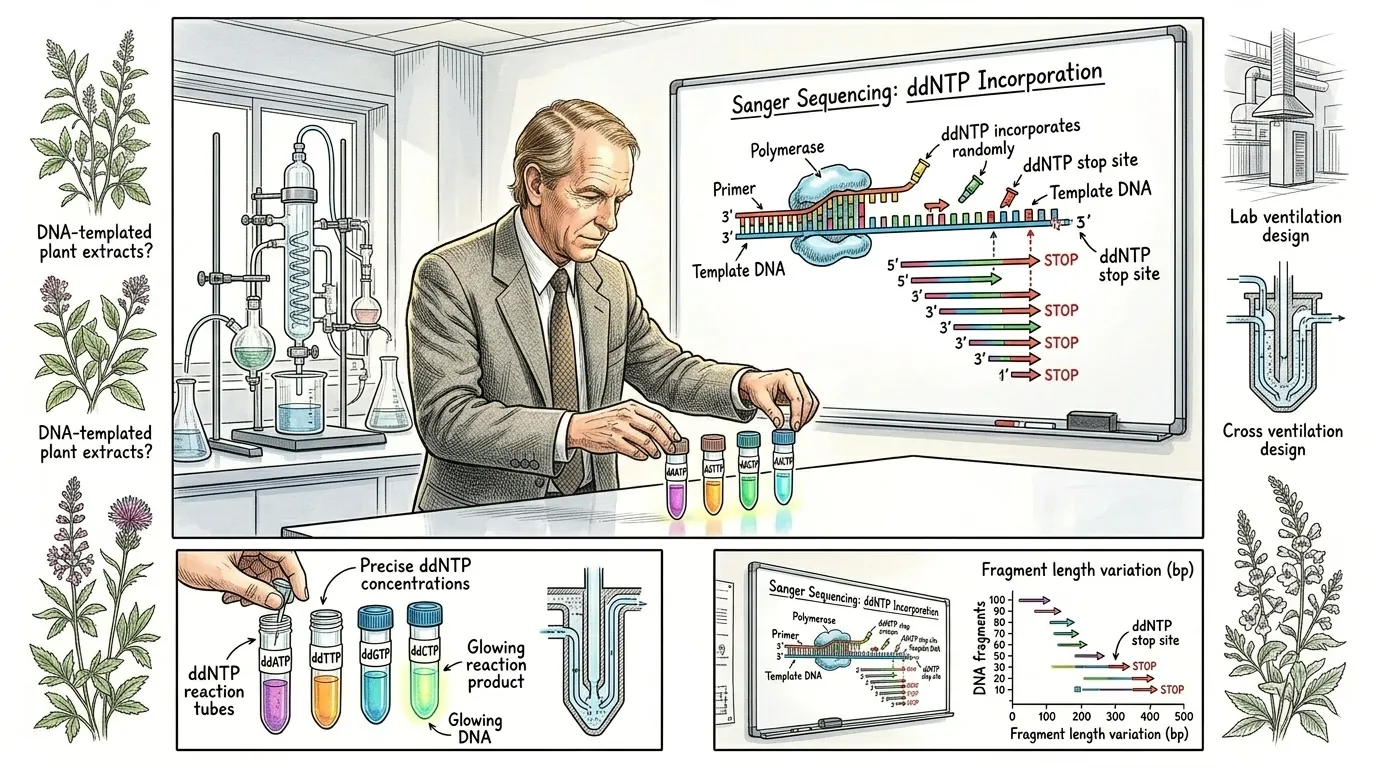
The Sanger method involved four separate reaction tubes, each containing a DNA template, DNA polymerase, primers, normal deoxyribonucleotides (dNTPs), and a small amount of one specific ddNTP (ddATP, ddTTP, ddGTP, or ddCTP). As the DNA polymerase built new strands, it would randomly incorporate either a dNTP or a ddNTP. When a ddNTP was incorporated, synthesis ceased, generating a collection of fragments of varying lengths, all ending with the same base, specific to that reaction tube.
Page 7
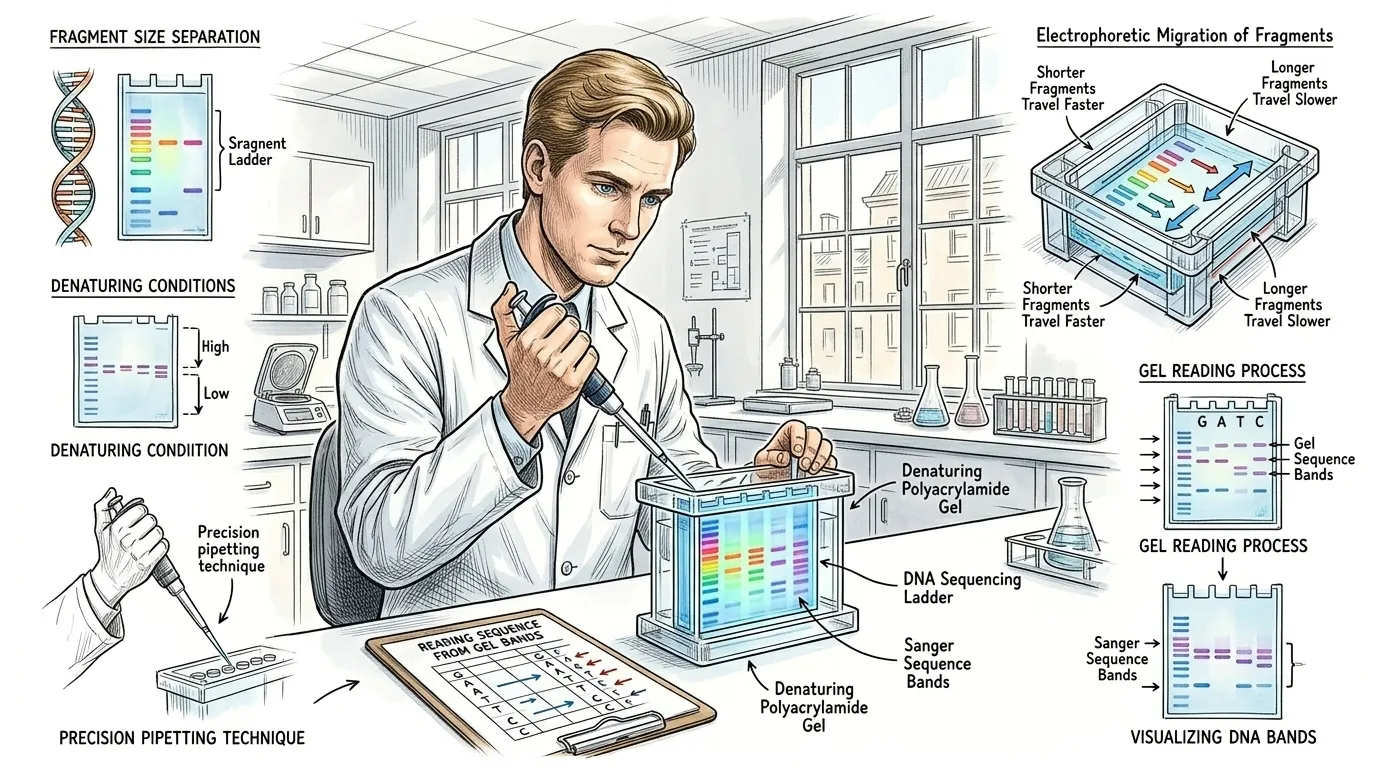
Once the fragments were generated, the next crucial step was separation. The contents of each reaction tube were run through a denaturing polyacrylamide gel in a process called gel electrophoresis. An electric current propelled the negatively charged DNA fragments, with shorter fragments traveling faster and further through the gel's matrix. This separated them by size, creating a ladder of distinct bands. By then visualizing these bands, for instance, through radioactivity or fluorescent dyes, scientists could read the DNA sequence base by base.
Page 8
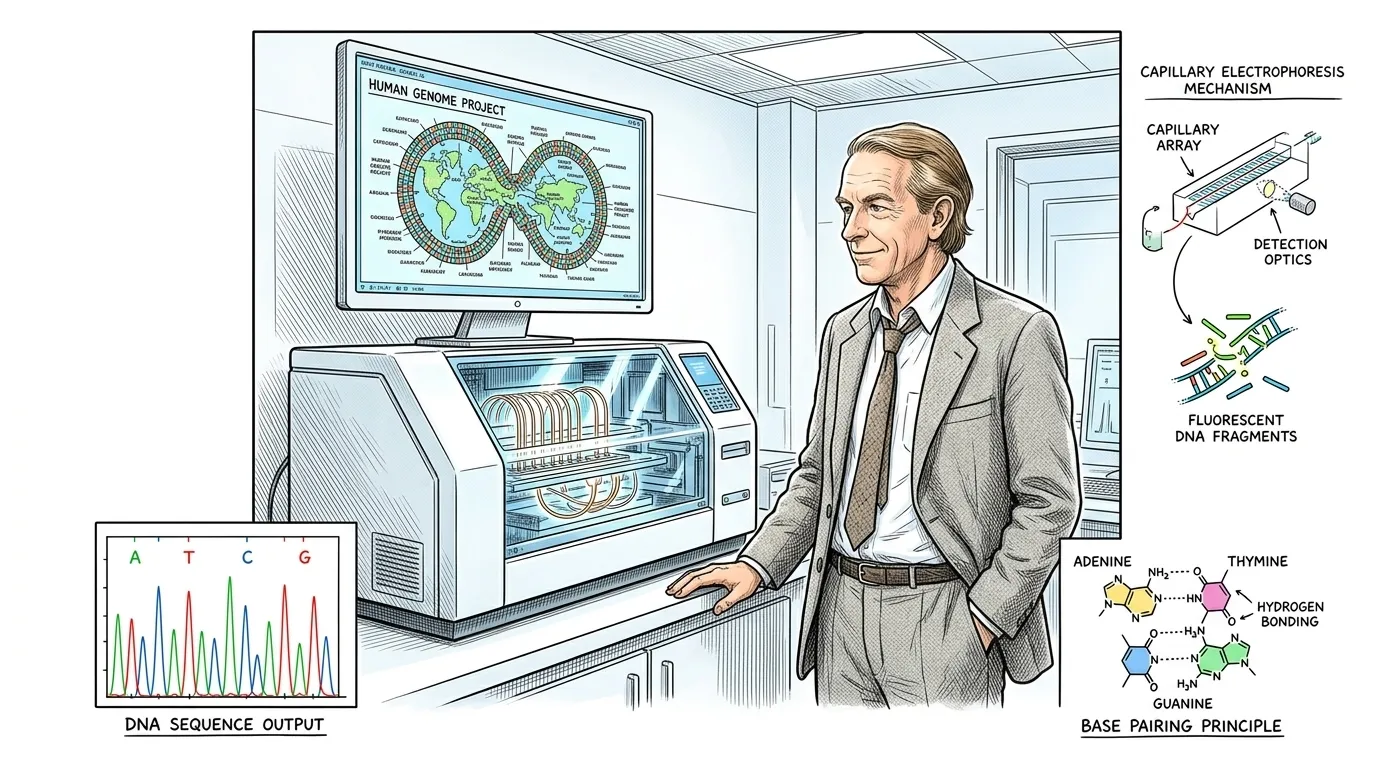
Sanger's method, initially painstaking and manual, proved remarkably robust and adaptable. With the advent of fluorescently tagged ddNTPs and automated capillary electrophoresis machines in the late 1980s, DNA sequencing transformed into a high-throughput process. This automation was pivotal for ambitious undertakings like the Human Genome Project, launched in 1990. Without Sanger's fundamental insights and the subsequent technological advancements based on his method, mapping the entire three-billion-base pair human genome would have been an unthinkable task.
Page 9
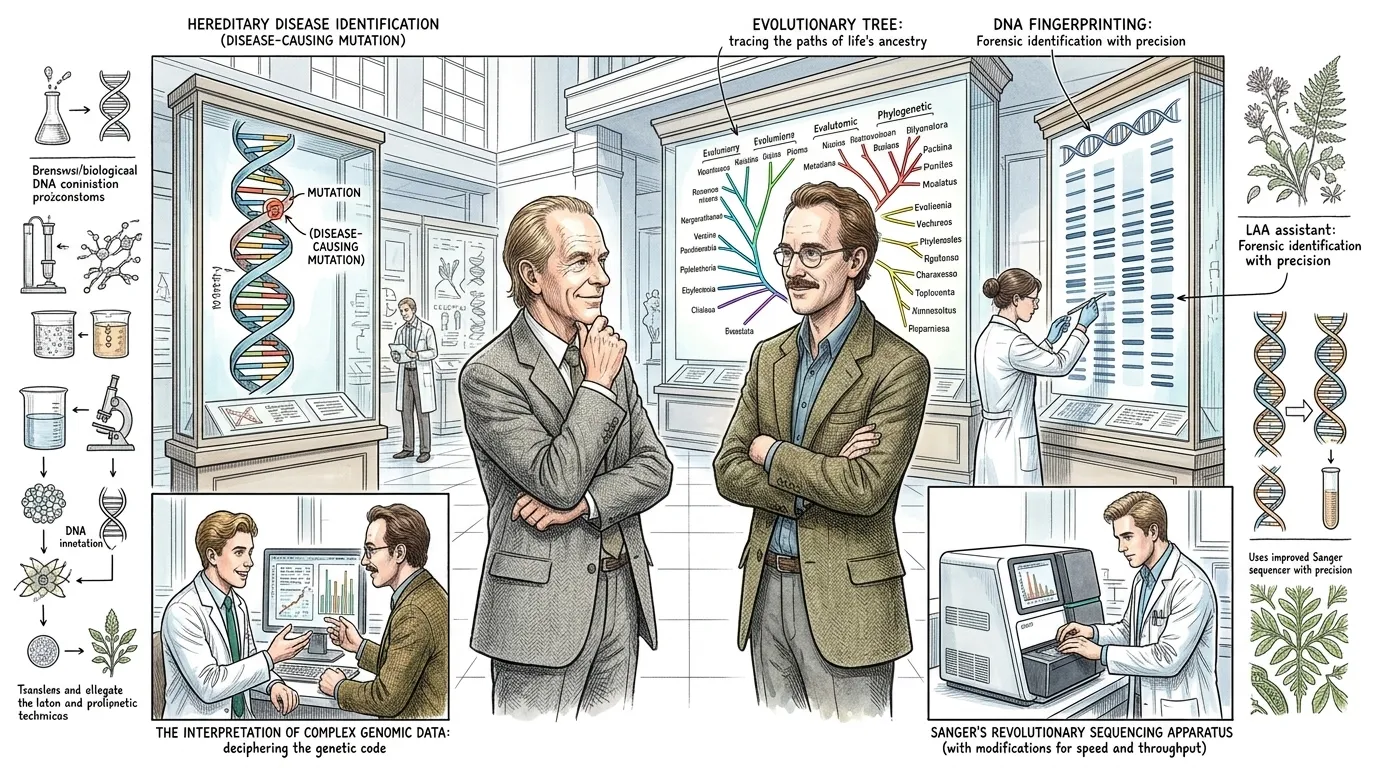
The ability to rapidly sequence DNA transformed biology into the age of genomics. It became possible to identify genetic mutations responsible for diseases, from cystic fibrosis to cancer, enabling earlier diagnosis and targeted therapies. Evolutionary biologists could trace ancestry and species relationships with unprecedented precision, while forensics utilized DNA fingerprinting for criminal investigations. Sanger's methodology provided the bedrock for these fields, illuminating the subtle variations in DNA that underpin both individual identity and the vast tapestry of life.
Page 10
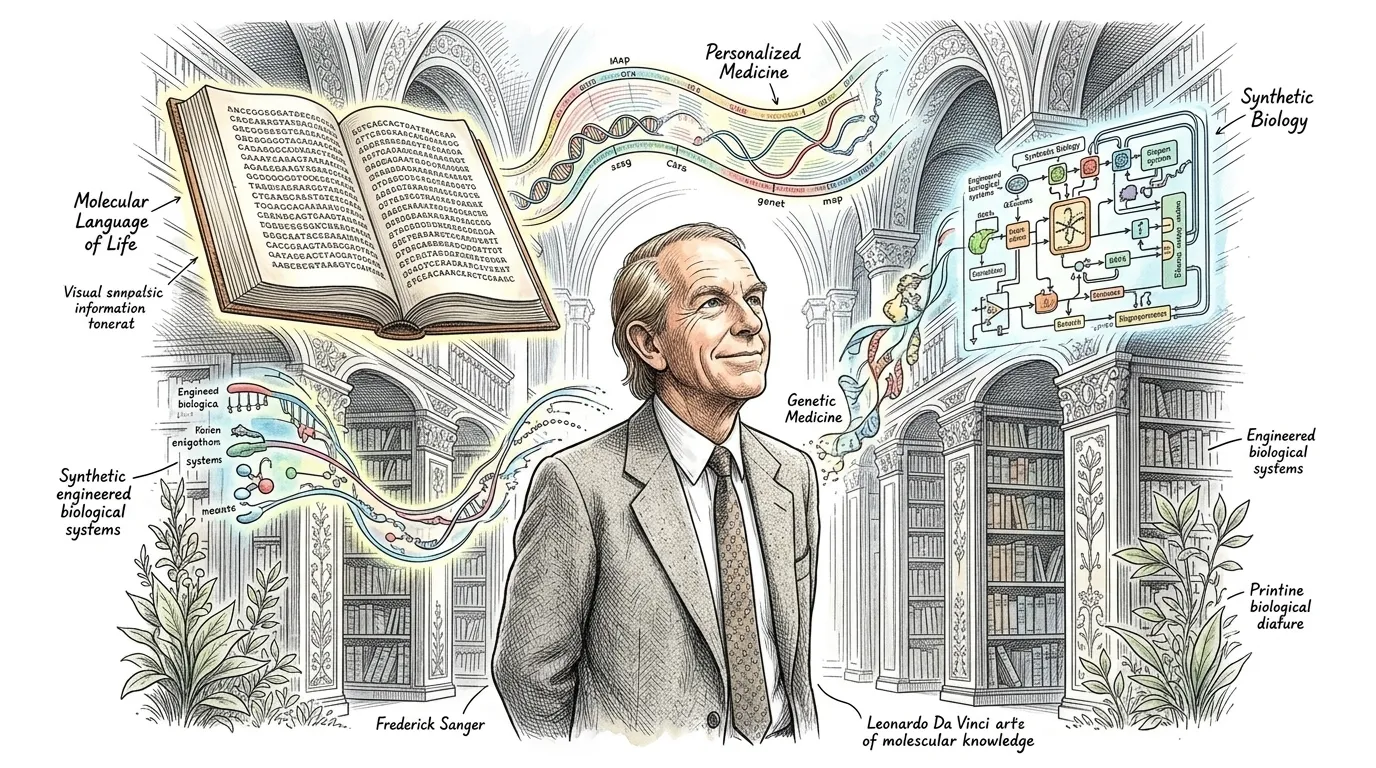
Frederick Sanger's indelible mark on science is the gift of readability. He provided the dictionary and grammar for the molecular language of life, transforming incomprehensible complexity into discernible information. His methods, though refined, remain fundamental to modern sequencing, underpinning personalized medicine, synthetic biology, and our continuous quest to understand disease, development, and diversity. Sanger's work didn't merely advance science; it redefined the very questions we could ask, launching an era where life's most profound secrets are progressively revealed, one sequence at a time.
About this story
- Location: Global
- Audience: general readers
Questions and answers
Read Wonder Science on your phone
Wonder Science is available on Android. Get Wonder Science on Google Play.