Shirley Ann Jackson
Shirley Ann Jackson — an illustrated science story, set in Global. 10 illustrated pages, free to read on Wonder Science.

Page 1

In the mid-1990s, at the U.S. Nuclear Regulatory Commission (NRC) headquarters in Washington D.C., a pivotal shift in national safety governance was underway. At the helm was Dr. Shirley Ann Jackson, the first woman and first African American to chair the formidable agency, tasked with safeguarding the nation's nuclear power and materials. Her appointment by President Bill Clinton in 1995 marked a critical juncture, as she immediately initiated rigorous new protocols to strengthen reactor safety and emergency preparedness, directly impacting public welfare and national security.
Page 2

Shirley Ann Jackson's journey began in Washington D.C. in 1946, amidst an era of profound social change and entrenched racial segregation. From an early age, her parents instilled in her a deep curiosity for science and a commitment to academic excellence, providing supplementary educational resources and unwavering support. This foundational encouragement became crucial as Jackson navigated a public education system that, while providing a strong academic base, existed within a society actively limiting opportunities for Black women in STEM fields.
Page 3
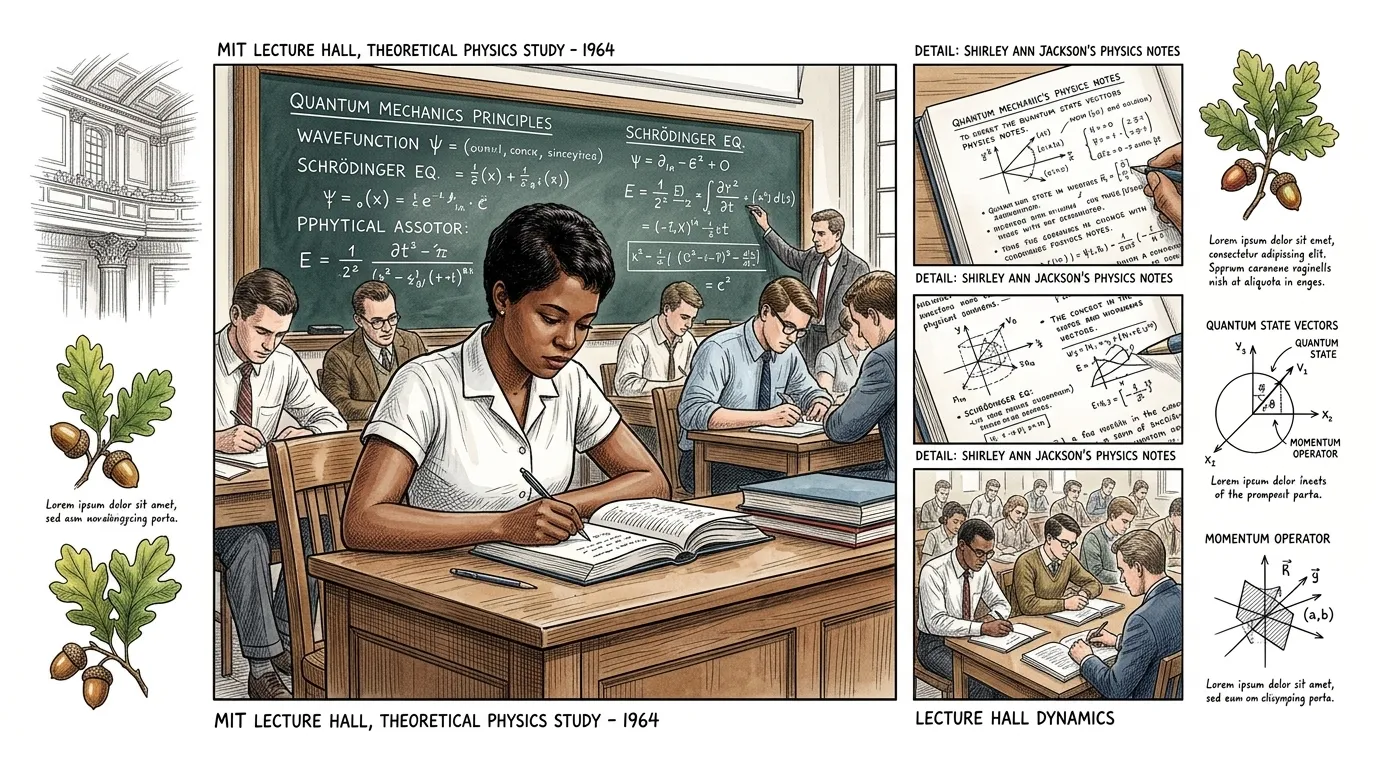
In 1964, Jackson entered the Massachusetts Institute of Technology (MIT), a bastion of scientific and engineering prowess, but also a predominantly white male institution. As one of fewer than twenty African American students and the only Black woman studying theoretical physics, her resilience was tested daily amidst both academic rigor and social isolation. Despite these challenges, Jackson excelled, her intellectual brilliance shining through as she pursued her bachelor's degree in Physics.
Page 4
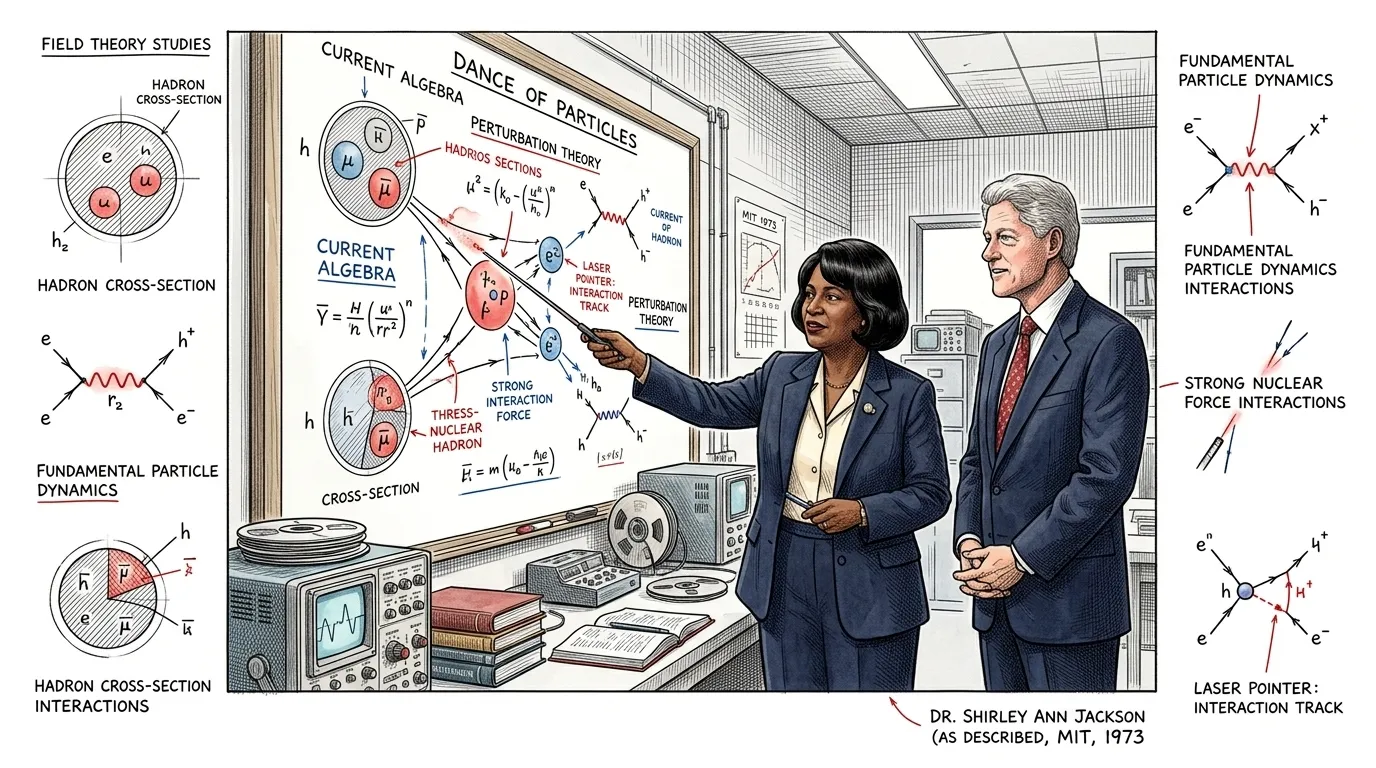
Jackson continued her studies at MIT, earning her Ph.D. in Theoretical Elementary Particle Physics in 1973, making her the first African American woman to achieve this distinction from the institution. Her doctoral research delved into the complex world of hadrons, the composite particles that make up the nucleus of atoms, using current algebra and perturbation theory. This profound work contributed to the understanding of strong nuclear forces, revealing the intricate dance of fundamental particles and their interactions.
Page 5
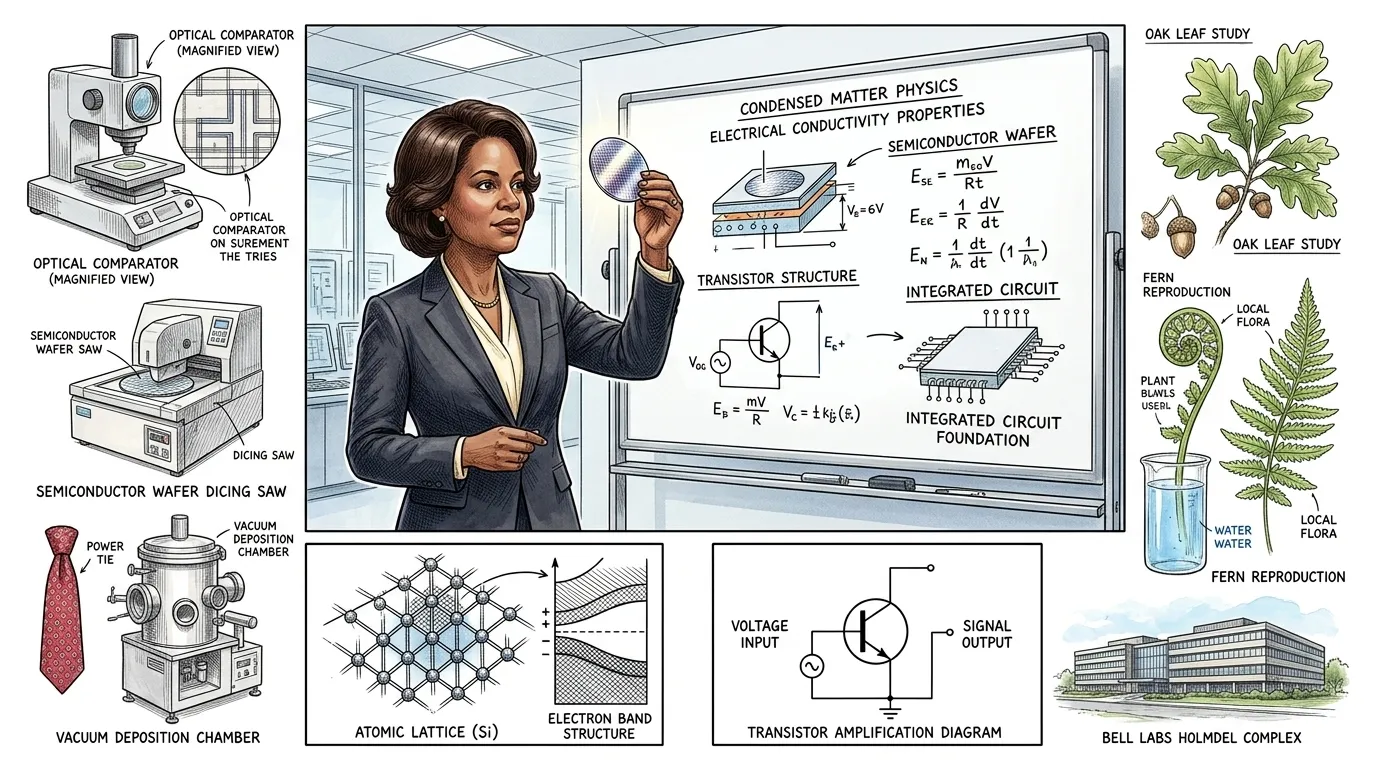
Following her groundbreaking Ph.D., Dr. Jackson joined AT&T Bell Laboratories in 1976, an epicenter of innovation and scientific discovery. Here, her research shifted towards condensed matter physics, focusing on the fundamental optical and electronic properties of various materials, including semiconductors. Semiconductors, crucial components in modern electronics, exhibit unique electrical conductivity between that of a conductor and an insulator, forming the bedrock of transistors and microchips.
Page 6
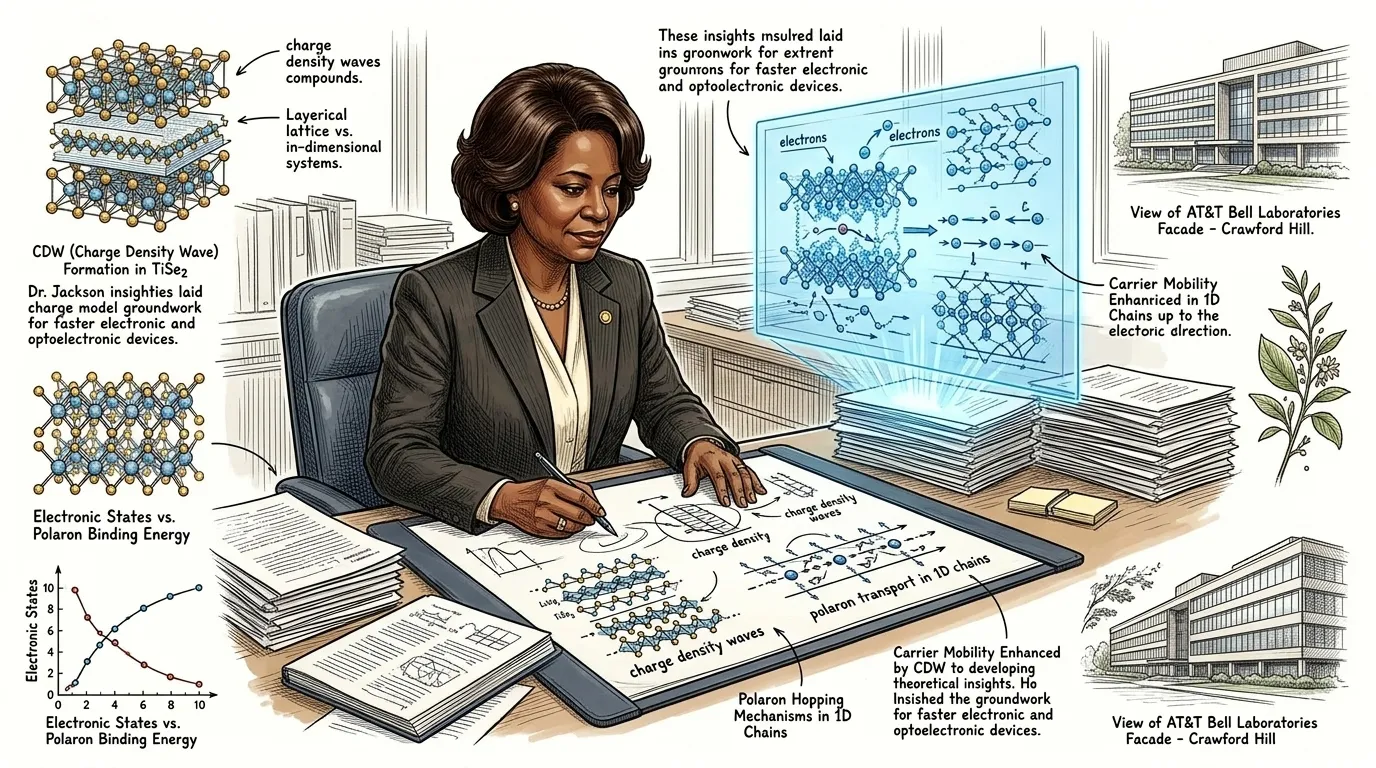
At Bell Labs, Dr. Jackson's theoretical work was instrumental in advancing the understanding of charge density waves in layered compounds and polaron transport in one-dimensional systems. Her models provided crucial insights into how electrons move and interact within complex material structures, explaining phenomena that had previously puzzled scientists. These theoretical advancements laid critical groundwork, guiding experimentalists and influencing the development of faster, more efficient electronic and optoelectronic devices.
Page 7
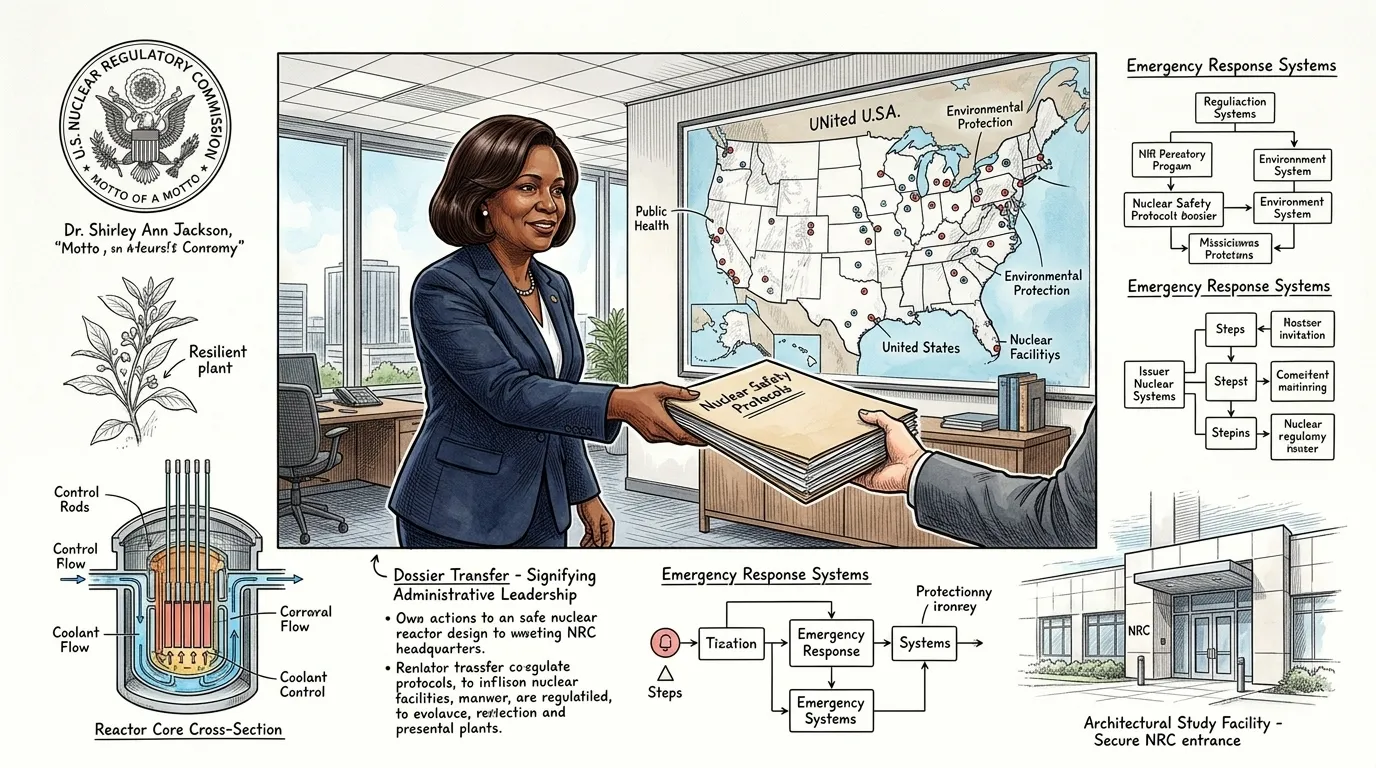
After a distinguished career at Bell Labs and a professorship at Rutgers University, Dr. Jackson transitioned into a new realm of impact: public service. Her profound scientific expertise, combined with her exceptional leadership qualities, made her an ideal candidate to chair the U.S. Nuclear Regulatory Commission. The NRC is a fiercely independent agency responsible for ensuring the safe use of nuclear materials and protecting public health and the environment, a role requiring both deep technical understanding and unwavering administrative resolve.
Page 8

As NRC Chair, Dr. Jackson spearheaded numerous initiatives that fundamentally reshaped nuclear safety and security. She emphasized a 'safety culture' where every aspect of operation, from design to daily maintenance, prioritized hazard prevention. Her tenure saw the implementation of more robust regulatory frameworks for nuclear power plants and the secure management of radioactive waste, bolstering public confidence and setting international benchmarks. Her actions reinforced the NRC's global standing as a leader in nuclear oversight.
Page 9

In 1999, Dr. Jackson embarked on another pioneering leadership role, becoming the President of Rensselaer Polytechnic Institute (RPI), the oldest technological research university in the United States. She was the first African American woman to lead a major technological research university. Under her visionary 'Rensselaer Plan,' RPI underwent a monumental transformation, attracting world-class faculty, enhancing research infrastructure, and fostering interdisciplinary collaborations that propelled the institution into the top tier of global technological universities.
Page 10
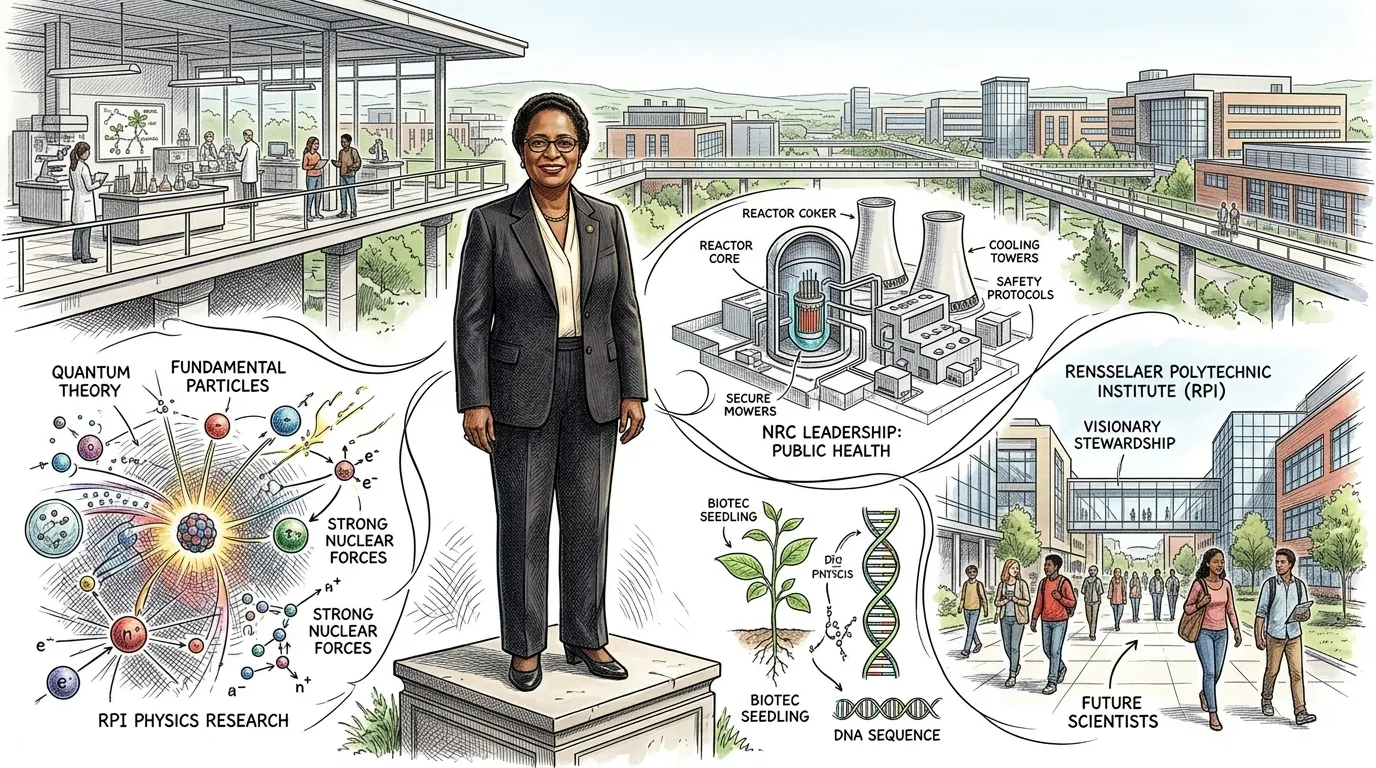
Dr. Shirley Ann Jackson's multifaceted career exemplifies a profound commitment to scientific advancement, public service, and educational transformation. From her foundational theoretical physics research that illuminated the behavior of matter at its most fundamental level, to her critical leadership in nuclear safety and her visionary stewardship of a leading technological university, her impact is undeniable. She stands as a towering figure, inspiring countless aspiring scientists and leaders, particularly women and minorities, to break barriers and shape the future of science and technology.
About this story
- Location: Global
- Audience: general readers
Read Wonder Science on your phone
Wonder Science is available on Android. Get Wonder Science on Google Play.