CRISPR Gene Editing
CRISPR Gene Editing — an illustrated inventions story, set in Global. 10 illustrated pages, free to read on Wonder Inventions.
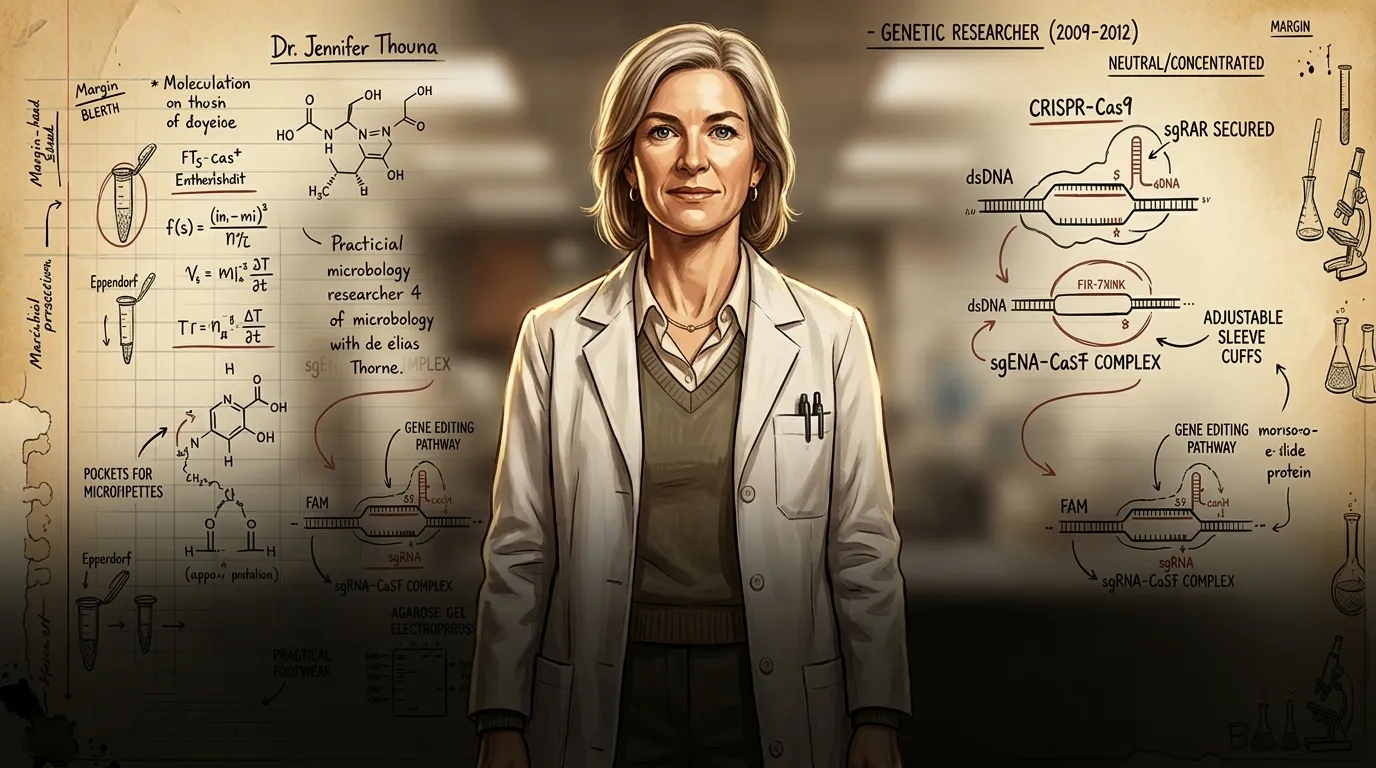
Page 1
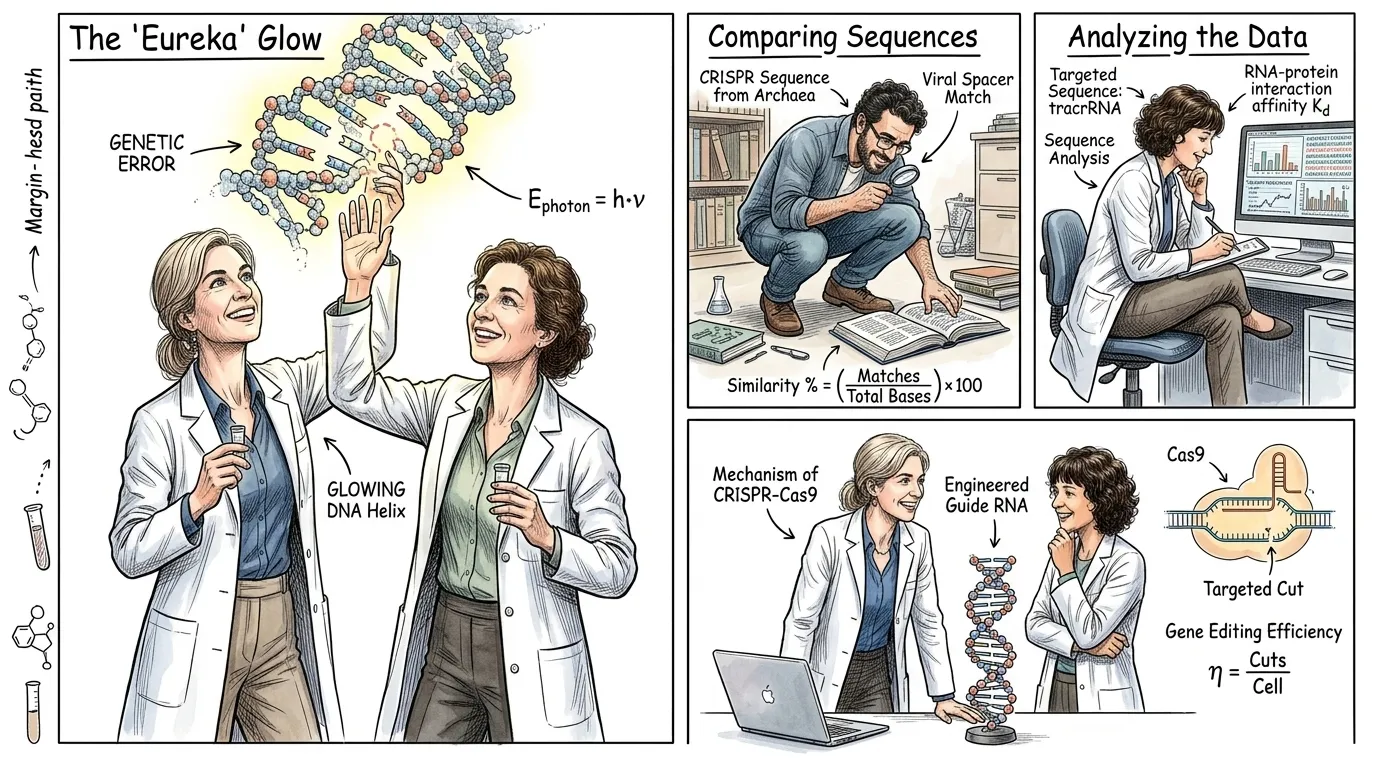
For centuries, humanity has grappled with the devastating impact of genetic diseases—conditions written into the very blueprint of life, once considered immutable. From cystic fibrosis to Huntington's disease, these afflictions represented a frontier beyond the reach of conventional medicine, locking individuals into predetermined fates.
"Dr. Jennifer Doudna, her gaze fixed on a complex molecular model, articulated the scale of the challenge: "Imagine a vast book of life, billions of letters long, where a single misplaced comma or an incorrect word can lead to profound suffering. Our dream was to find a molecular editor precise enough to correct these errors, without rewriting entire chapters.""
Page 2
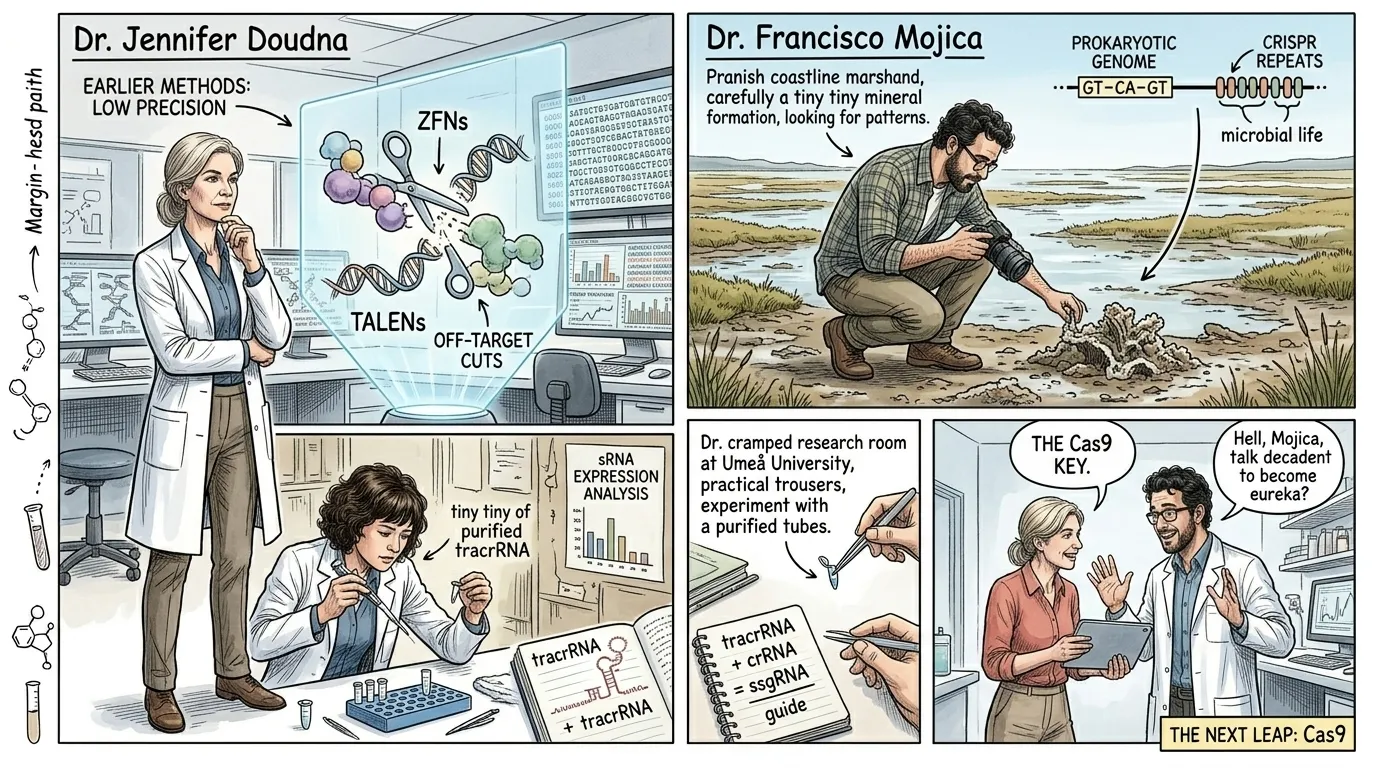
Before CRISPR, scientists possessed rudimentary tools for gene alteration, but they were akin to using a blunt instrument for delicate surgery. Methods like zinc finger nucleases and TALENs could target DNA, yet their complexity, cost, and often imprecise nature limited their therapeutic potential, leaving many genetic ailments beyond effective intervention.
"Dr. Doudna gestured to a holographic projection of earlier gene-editing techniques. "We could induce changes, certainly, but it was often a gamble. The molecular scissors we had weren't truly programmable; they lacked the exquisite specificity required to pinpoint a single faulty gene amidst thirty thousand, without causing collateral damage elsewhere in the genome.""
Page 3
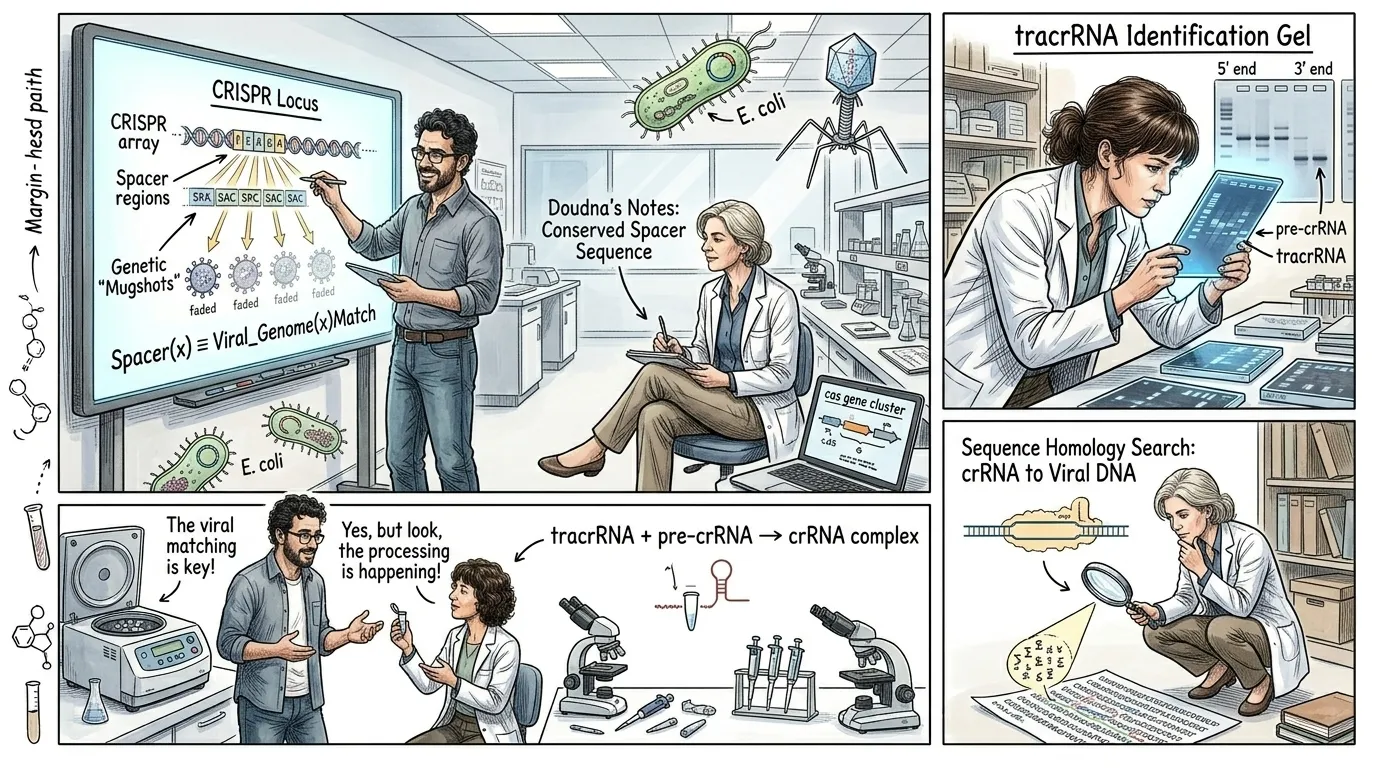
The true breakthrough arrived not from synthetic design, but from an unexpected natural phenomenon observed in the microscopic world: bacteria. Scientists, notably Dr. Francisco Mojica, began noticing peculiar, repeating DNA sequences within bacterial genomes, interspersed with unique 'spacer' regions derived from invading viruses. This was the first hint of an elegant, adaptive immune system.
""What we were seeing," Dr. Mojica explained in a historical simulation, sketching on a digital whiteboard, "were genetic 'mugshots' of past viral attacks. The bacteria were essentially archiving pieces of viral DNA, embedding them within their own genome. This was a form of memory, a historical record of invaders." He tapped the repeating sequences on the screen. "It seemed the bacterial immune system, a complex knowledge system, had the key to precise defense.""
Page 4
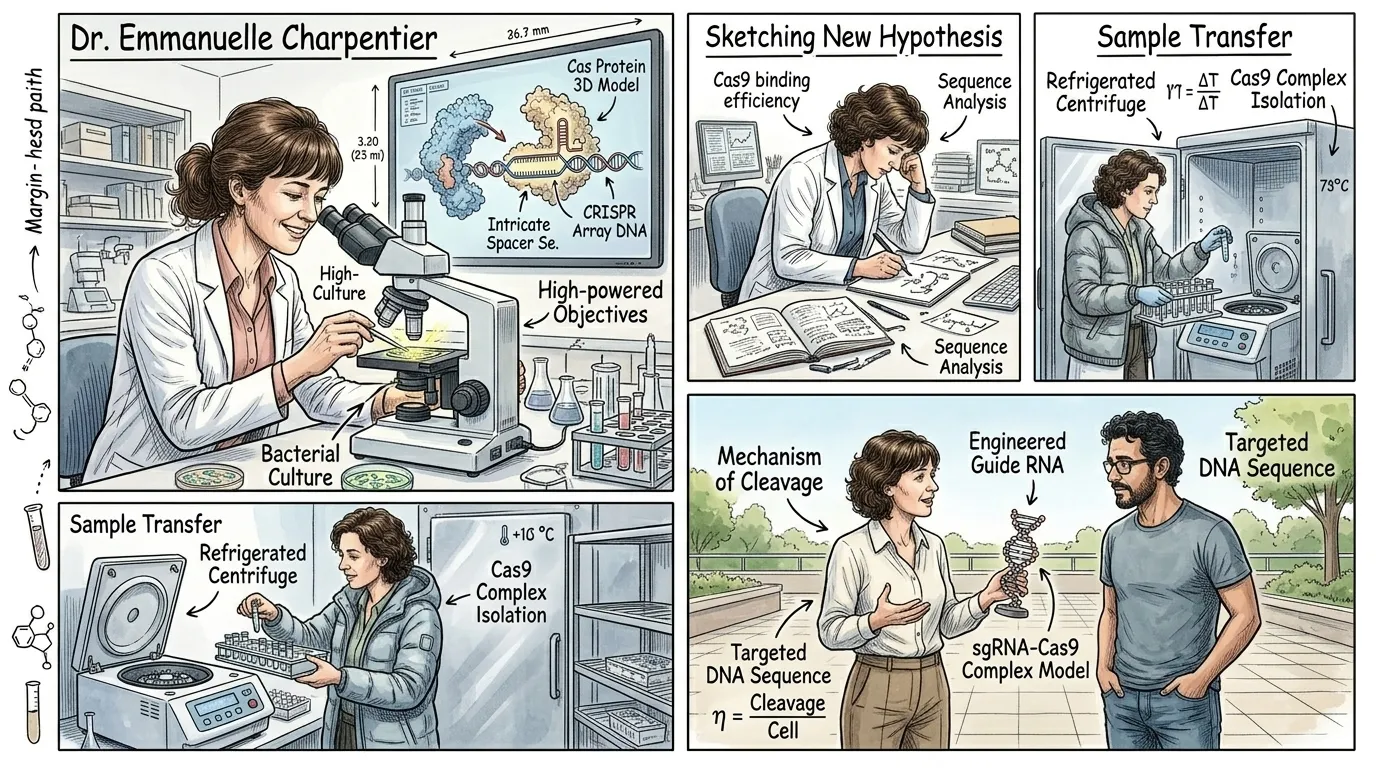
These repeating sequences, collectively termed CRISPR (Clustered Regularly Interspaced Short Palindromic Repeats), were intriguing, but their mechanism remained elusive. The crucial missing pieces were the 'CRISPR-associated' or Cas proteins—a family of enzymes found near the CRISPR arrays. Researchers theorized these proteins were the effectors, the molecular machinery that utilized the stored viral DNA information.
"Dr. Emmanuelle Charpentier, meticulously analyzing bacterial cultures, stated, "We knew the spacers were key. They were the unique identifiers. But how did the bacterium use them? We hypothesized the Cas proteins were the agents, the 'hands' that would interact with this genetic library to neutralize invaders. Identifying their precise roles became our absolute focus.""
Page 5
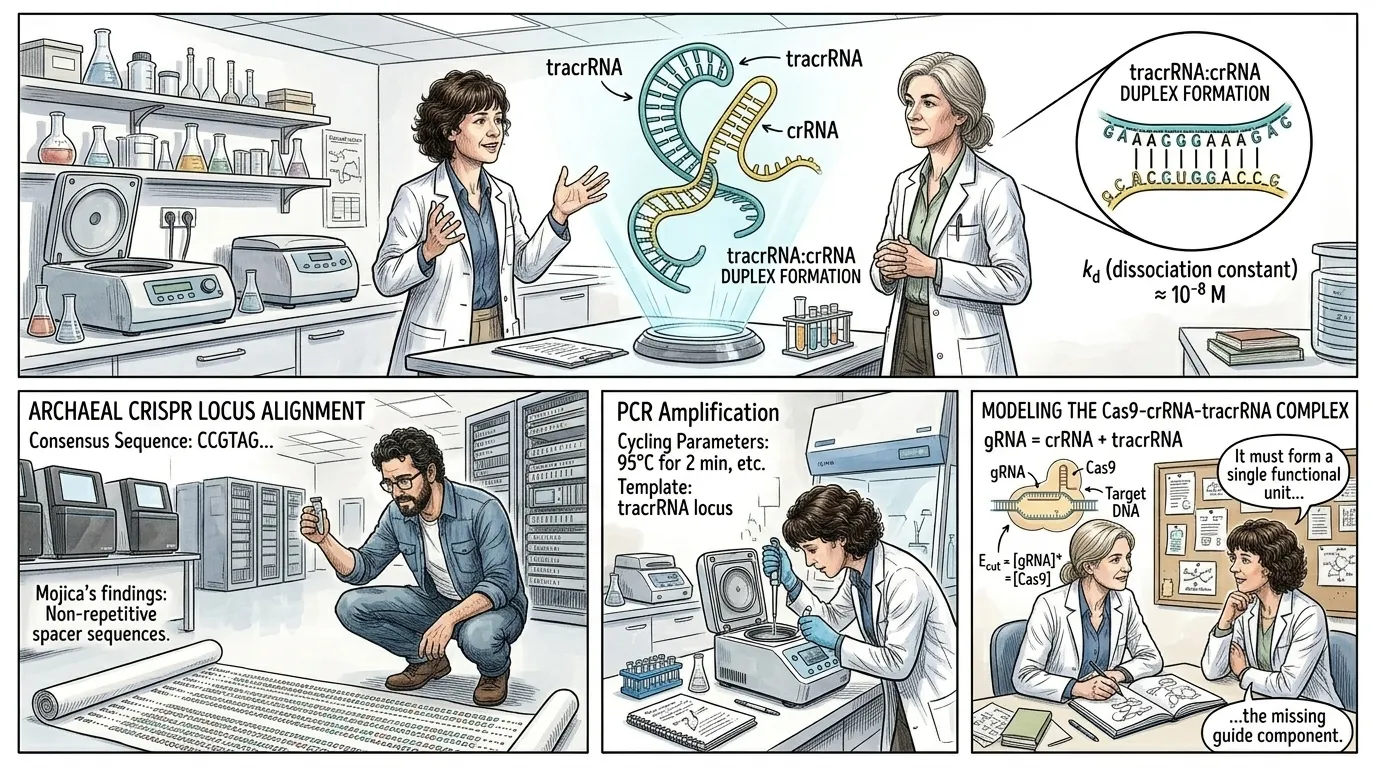
A pivotal discovery came from Emmanuelle Charpentier's laboratory, where she identified a critical RNA molecule, tracrRNA (trans-activating CRISPR RNA), that worked in tandem with the CRISPR RNA (crRNA) derived from the spacer sequences. This partnership was essential for guiding the Cas9 enzyme to its target, forming a ribonucleoprotein complex.
""It was like finding the missing piece of a molecular puzzle," Dr. Charpentier explained, showing a diagram of the two RNA molecules. "The crRNA carried the target sequence, the 'address' to find the viral DNA. But the tracrRNA, this previously unknown component, was the adapter, the scaffold that allowed the crRNA to bind effectively with Cas9. Without it, Cas9 was blind." She continued, "This dual-RNA structure was the critical link we needed to understand Cas9's operation.""
Page 6
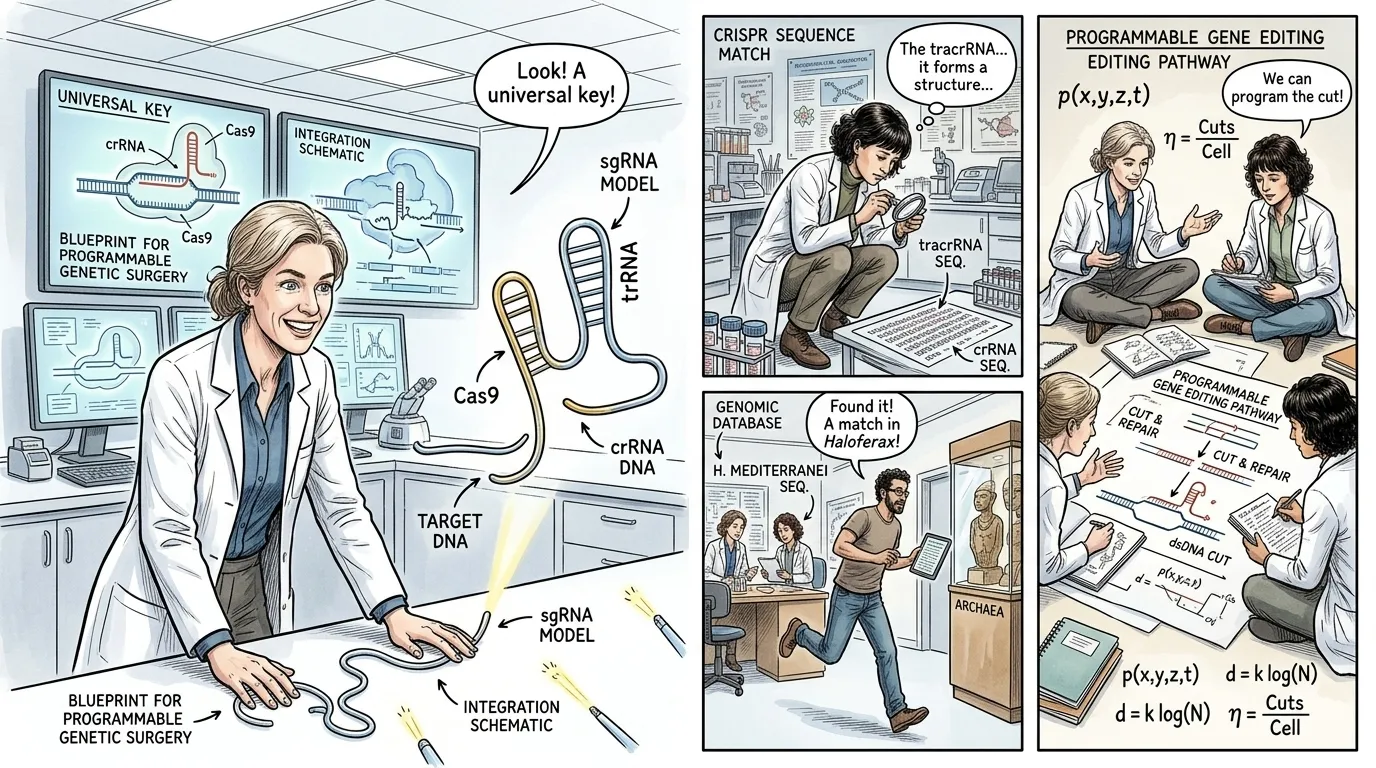
Building on Charpentier's insights, Jennifer Doudna's team made a revolutionary simplification: they engineered a single guide RNA (sgRNA) by fusing the crRNA and tracrRNA into one chimeric molecule. This elegant design made the CRISPR-Cas9 system far more practical and programmable, transforming it from a bacterial defense system into a universal gene-editing tool.
""The single guide RNA was our 'aha!' moment," Dr. Doudna announced, holding up a simplified 3D model. "By linking the target-finding crRNA and the Cas9-binding tracrRNA, we created a universal key. This single molecule could now instruct Cas9 exactly where to cut, anywhere we wanted in the genome. It was the blueprint for programmable genetic surgery.""
Page 7
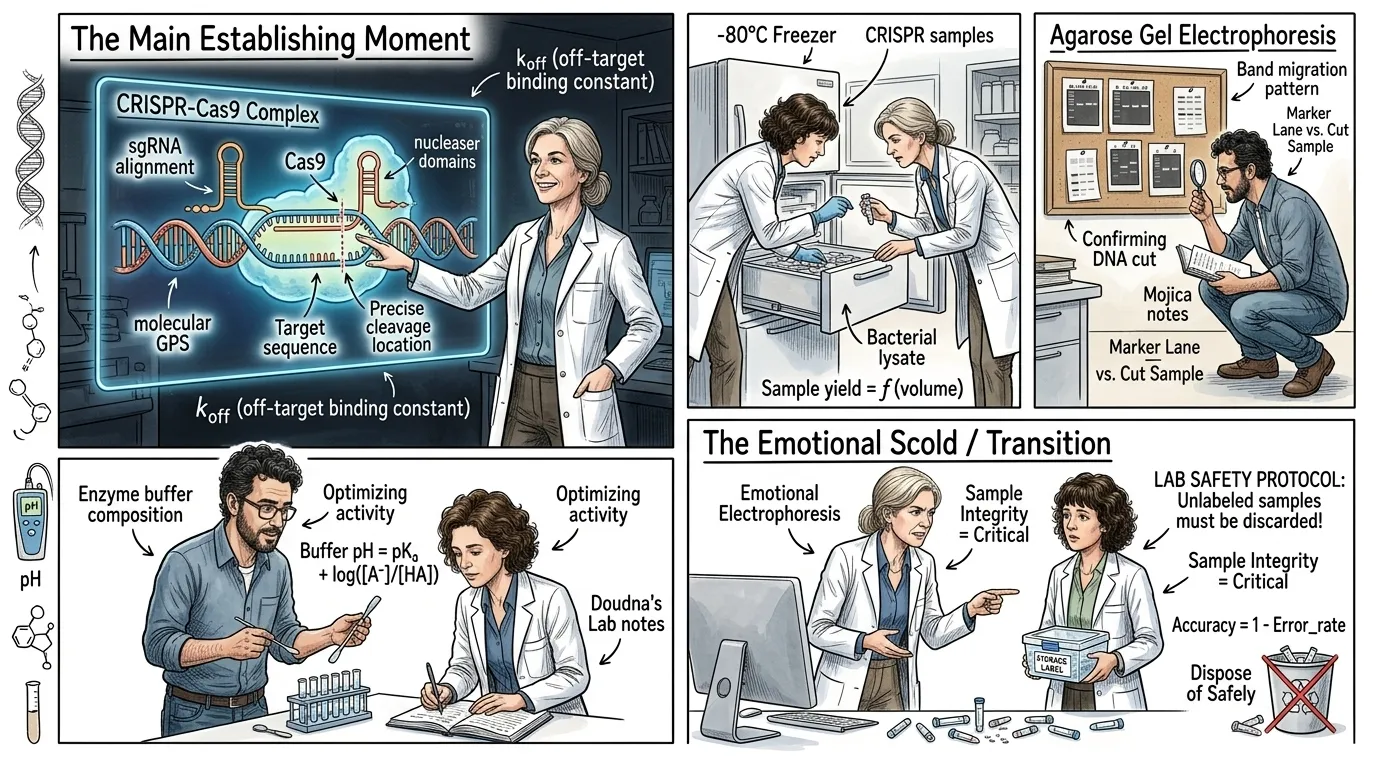
With the sgRNA in hand, the CRISPR-Cas9 mechanism could be fully orchestrated. The sgRNA binds precisely to its complementary target DNA sequence within the cell's genome. This binding event acts as a beacon for the Cas9 enzyme, which then precisely cleaves both strands of the DNA at the specified location, creating a double-strand break.
"Dr. Doudna, pointing to a dynamic simulation on a large screen, elaborated: "Here, you see the sgRNA—our molecular GPS—snapping into place on the target DNA. This precisely positions the Cas9 enzyme, activating its nuclease domains like molecular scissors. The result is a clean, targeted cut in the DNA. It's an unprecedented level of control over the genome.""
Page 8
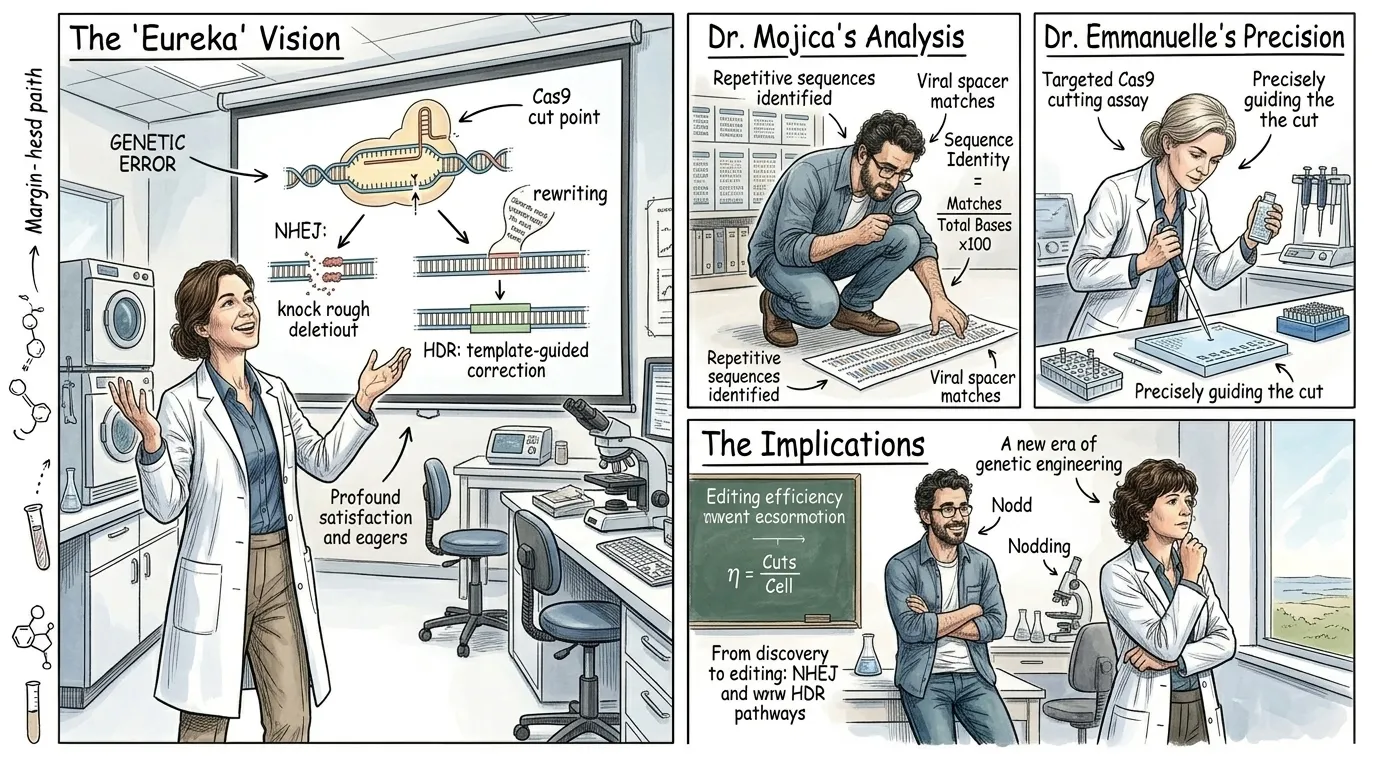
Once Cas9 makes its precise cut, the cell's natural repair machinery springs into action. Scientists can then exploit these repair pathways. Non-homologous end joining (NHEJ) often leads to small insertions or deletions, effectively 'knocking out' a gene. Alternatively, by providing a template, homology-directed repair (HDR) can be co-opted to insert entirely new, desired genetic sequences.
"Reflecting on the transformative power of this control, Dr. Charpentier commented, "This isn't just about cutting; it's about rewriting. We had successfully harnessed the bacterial immune system, which we first observed as early as Page 3, and engineered its core principle for human benefit. As the famed French chemist Louis Pasteur once said, 'Chance favors the prepared mind.' Our understanding of that natural bacterial defense system prepared us to envision its application for gene therapy." She added, "This engineered control allows us to either disable a faulty gene or even insert a corrected version, fundamentally changing the genetic instruction set.""
Page 9
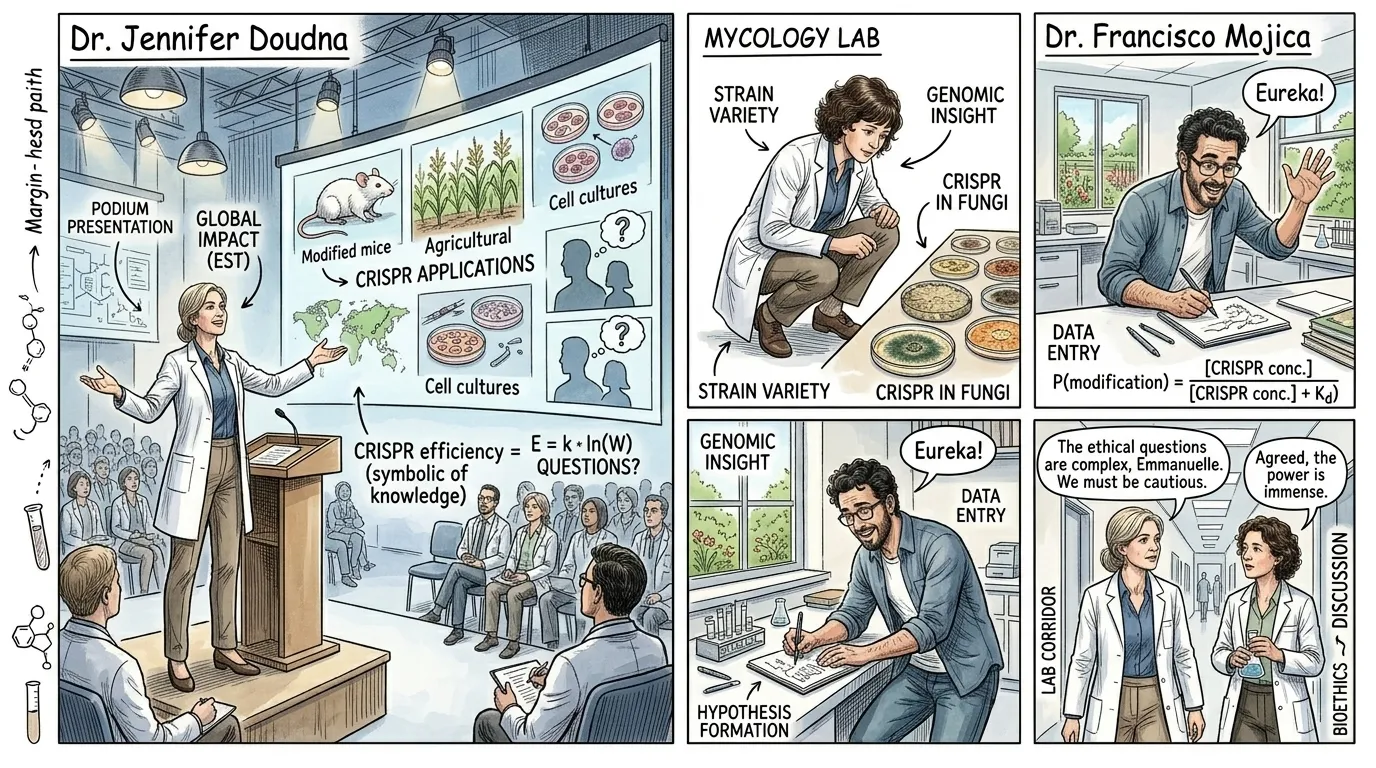
Following the groundbreaking 2012 publication by Doudna and Charpentier, the CRISPR-Cas9 system was swiftly adapted for use in eukaryotic cells by several labs, including those of Feng Zhang and George Church. This rapid expansion ignited a global scientific revolution, promising unprecedented avenues for treating genetic diseases, engineering crops, and understanding fundamental biology.
"Dr. Doudna, her expression a mix of awe and deep consideration, spoke about the immediate aftermath: "The scientific community's response was electrifying. Within months, labs worldwide were applying this technology to everything from mice to monkeys. But this unprecedented power also opened up profound ethical questions about altering the human germline, raising urgent discussions we continue to navigate today.""
Page 10
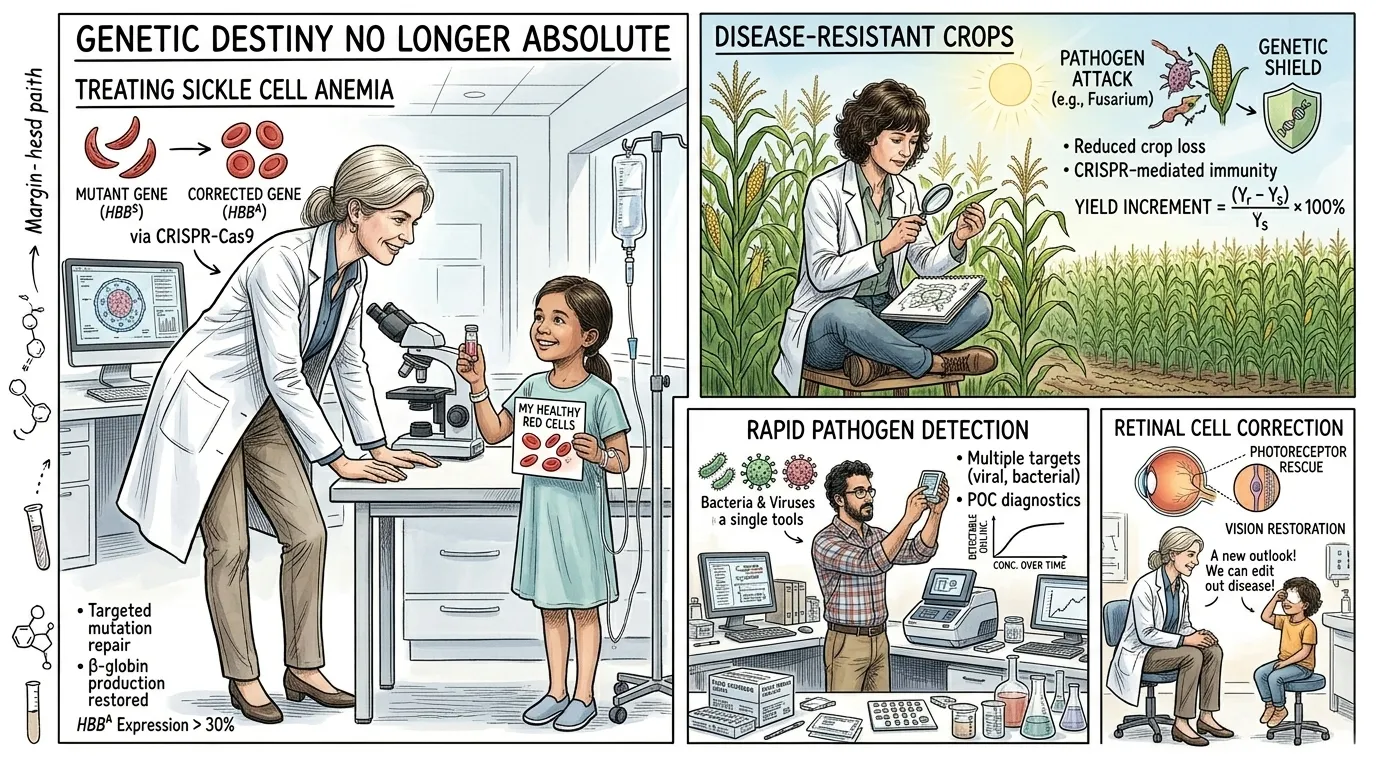
CRISPR gene editing stands as one of the most profound biological breakthroughs of the 21st century. From clinical trials aimed at curing sickle cell anemia and rare genetic blindness to engineering disease-resistant crops and advanced diagnostic tools, CRISPR has fundamentally reshaped our ability to interact with the very essence of life. Its legacy is still unfolding, promising a future where genetic destiny may no longer be absolute.
"This final page serves as a reflection on impact, without additional dialogue, emphasizing the visual narrative of its diverse applications."
About this story
- Location: Global
- Audience: general readers
Questions and answers
Read Wonder Inventions on your phone
Wonder Inventions is available on Android. Get Wonder Inventions on Google Play.