Dialysis Machine
Dialysis Machine — an illustrated inventions story, set in Global. 10 illustrated pages, free to read on Wonder Inventions.
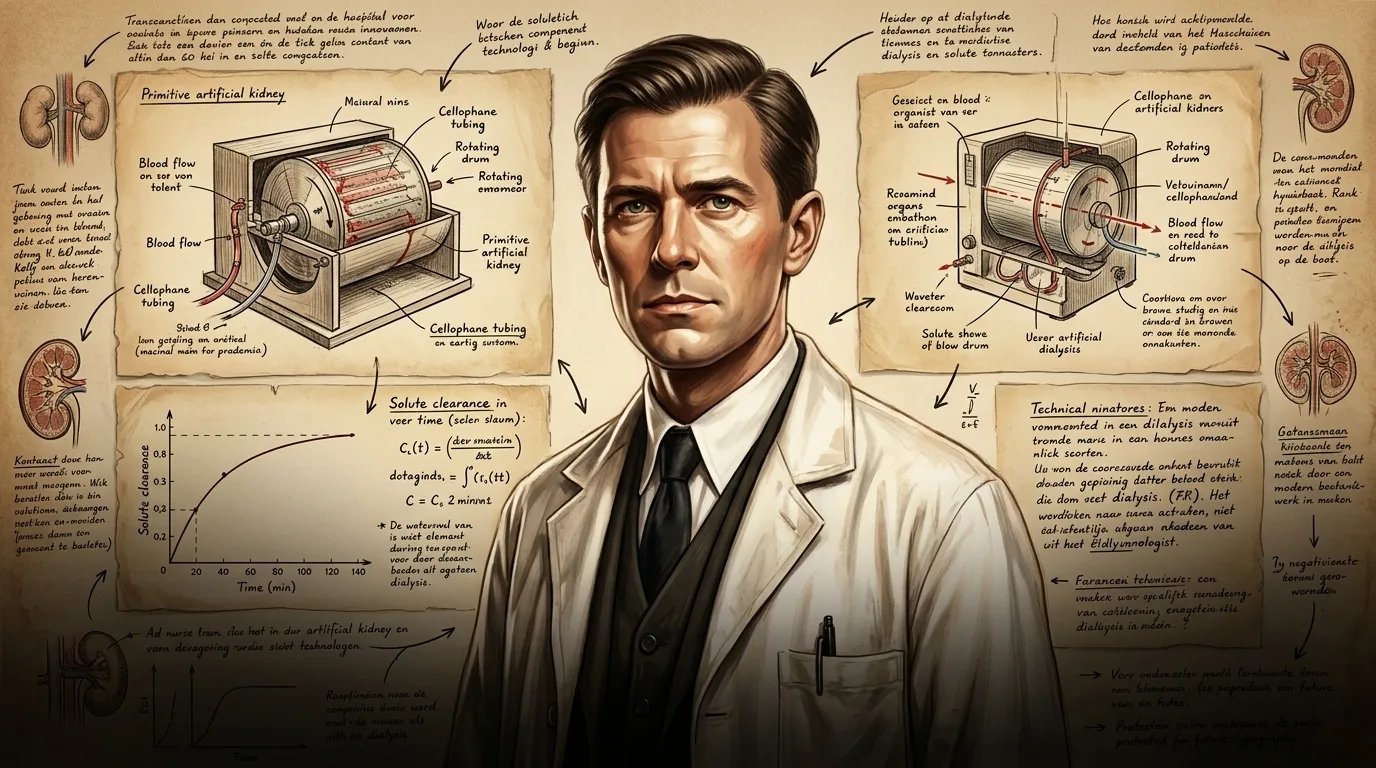
Page 1
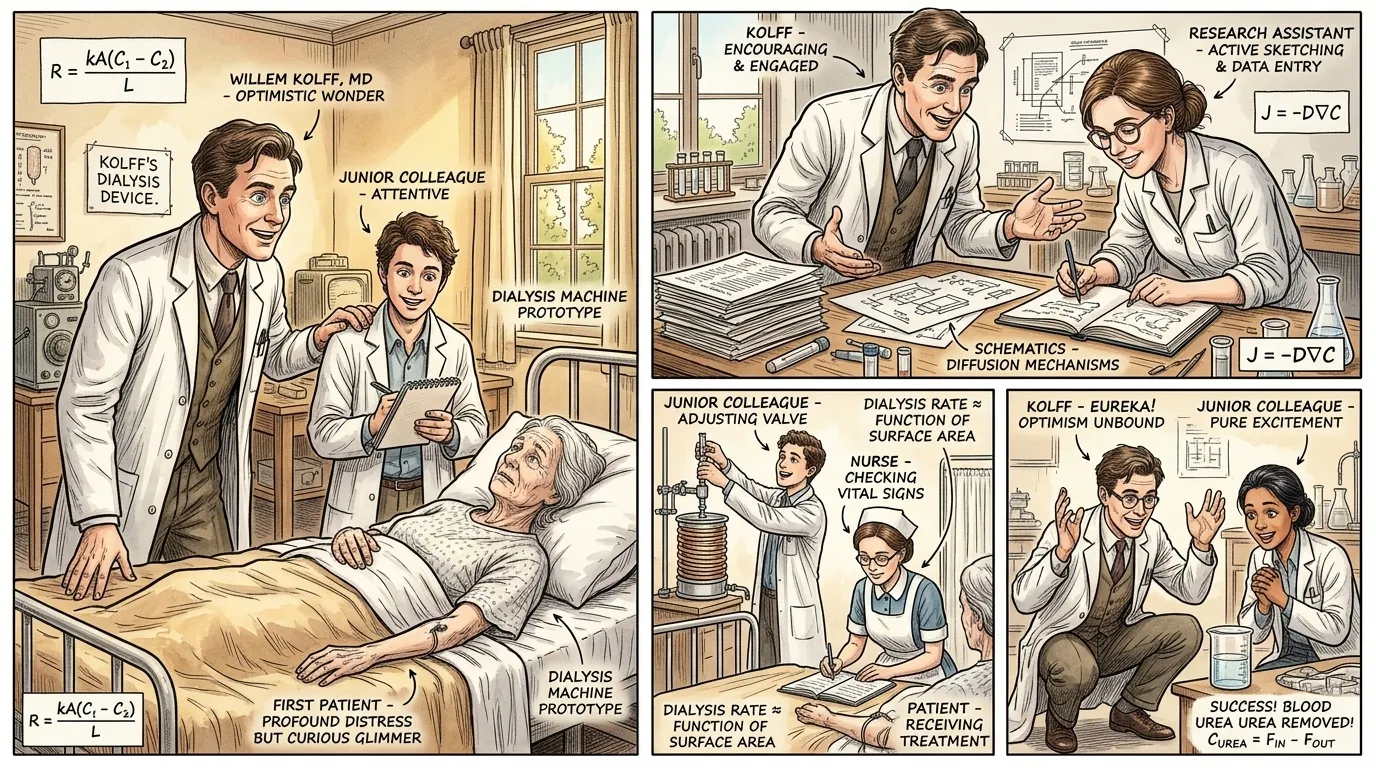
Before the mid-20th century, a diagnosis of kidney failure was a death sentence. The body, unable to filter waste, would slowly poison itself, leading to a grim, inevitable decline. It was a tragedy that Dutch physician Willem Kolff witnessed repeatedly, driving him to seek a radical solution.
"Dr. Kolff, observing a patient in profound distress, murmured to a junior colleague, 'We must find a way to cleanse the blood. Their own bodies are turning against them.'"
Page 2
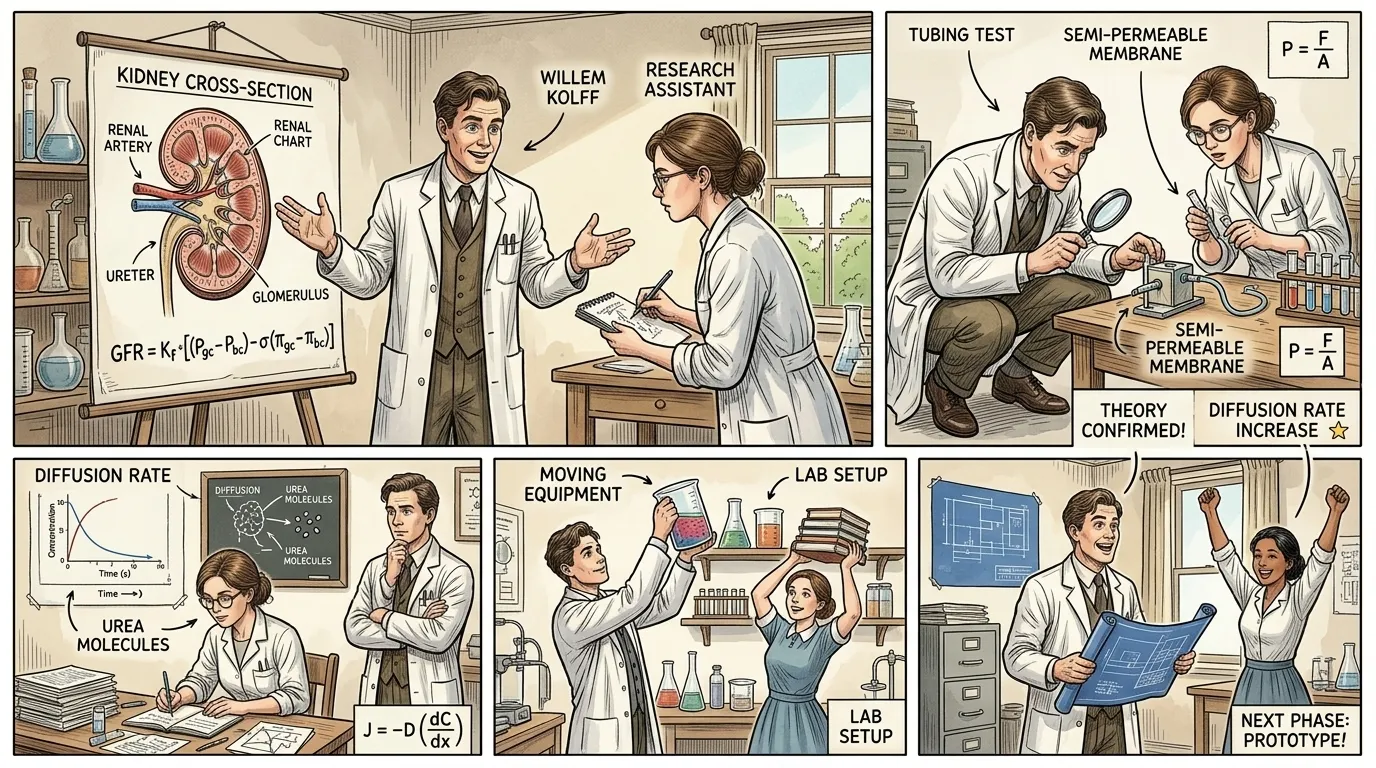
The human kidneys are remarkable filters, tirelessly removing metabolic waste, excess salts, and water from the blood, essential for maintaining life. When they fail, these toxins accumulate, causing uremia, a deadly condition. For centuries, medicine offered little beyond palliative care for this silent killer.
"Kolff, gesturing towards a simplified anatomical chart, explained to his research assistant, 'Think of the kidneys as a complex sieve, selectively holding back vital components while letting the poisons pass. Our challenge is to replicate that selective permeability outside the body.'"
Page 3
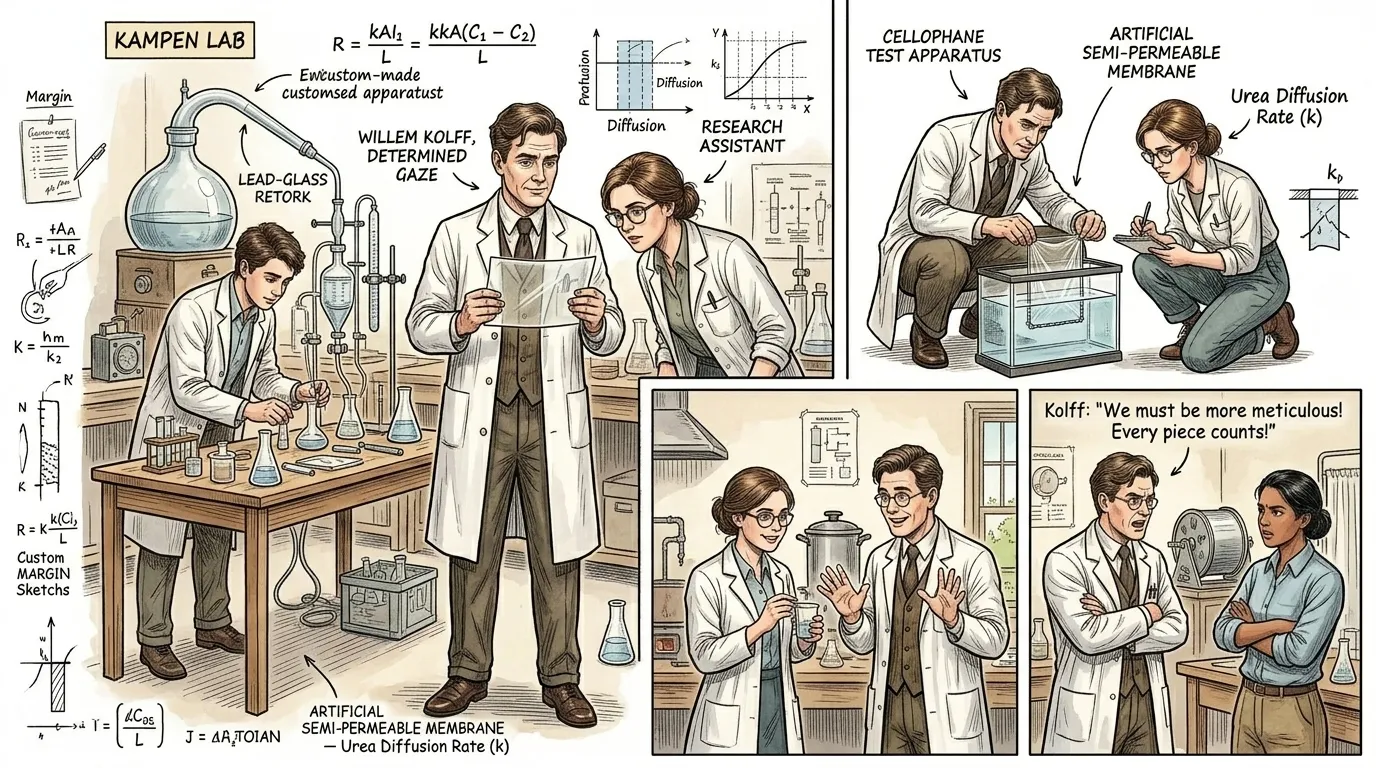
Amidst the chaos of World War II, with resources scarce and an occupying army, Kolff's quest for an artificial kidney was an act of profound dedication. He experimented with myriad materials, from sausage casings to cellophane film, seeking a membrane that possessed the crucial selective permeability.
"Holding up a thin, translucent sheet of cellophane, Kolff mused to his team, 'As Leonardo da Vinci said, "Simplicity is the ultimate sophistication." This humble material, discarded from a sausage factory, might hold the key. It allows the small molecules of waste to pass, but crucially, not the larger blood cells and proteins.'"
Page 4
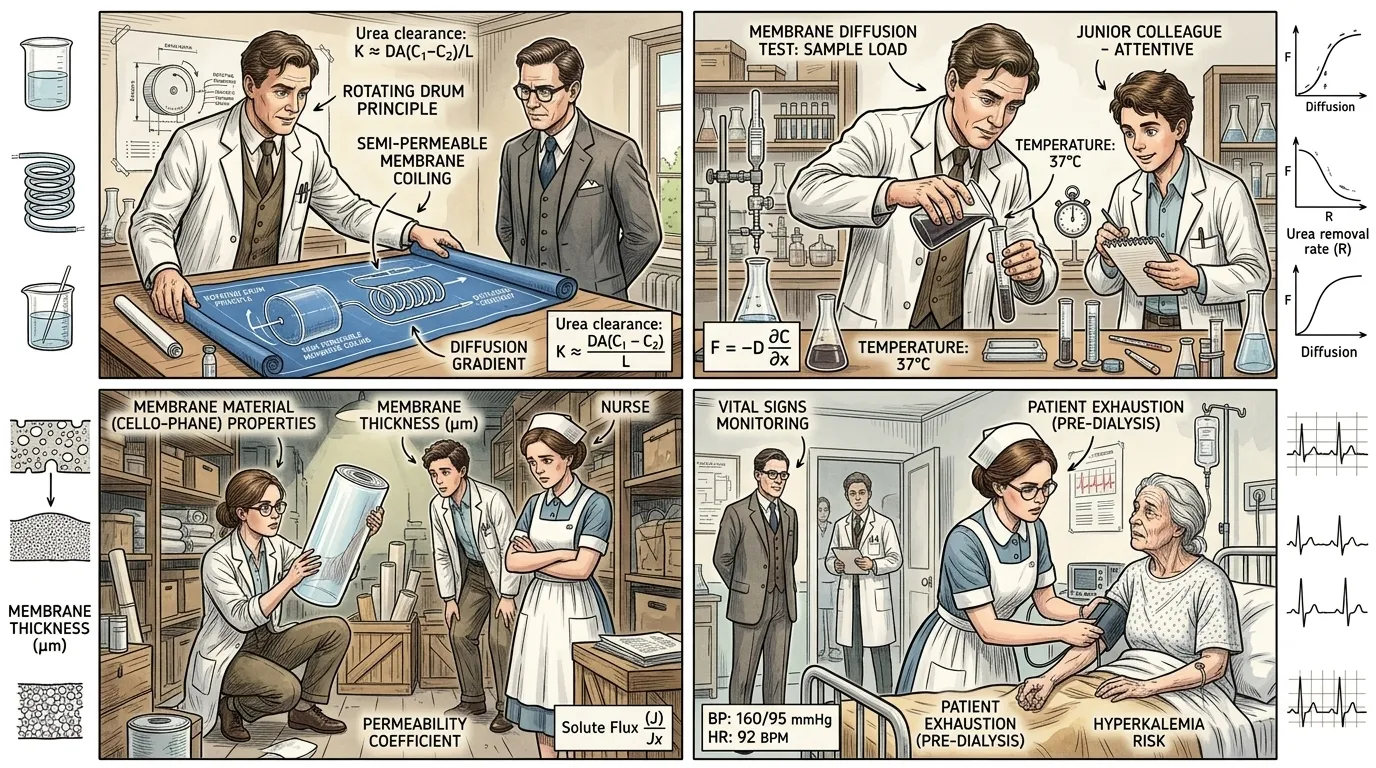
Kolff's pivotal insight was to create a design that maximized the surface area for diffusion while allowing continuous blood flow. He conceptualized a large, rotating drum, around which a long, coiled cellophane tube would be wound, constantly bathed in a cleansing fluid.
"Presenting a detailed blueprint to a hospital administrator, Kolff explained, 'The rotating drum ensures that every section of the cellophane membrane is continuously exposed to fresh dialysate. It's an elegant solution to a complex problem, allowing us to mimic the kidney's filtering process dynamically.'"
Page 5
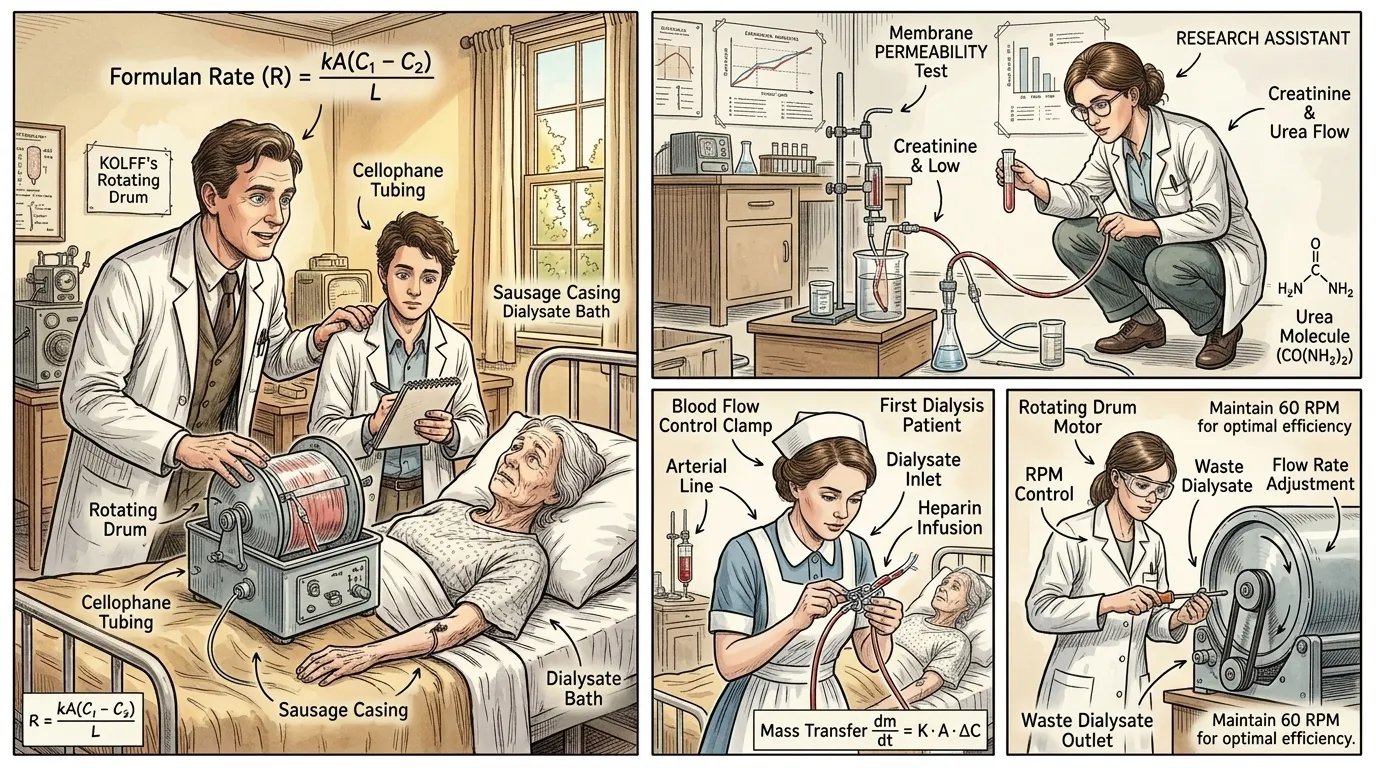
The Dialysis Machine operates on the principle of diffusion, the passive movement of molecules from an area of higher concentration to an area of lower concentration across a semi-permeable membrane. Blood from the patient is pumped through the cellophane tubing, while a specially formulated dialysate solution flows around it.
"A nurse, demonstrating the machine's operation, carefully adjusted a clamp and said, 'The blood, rich in toxins, enters this tubing. The dialysate, on the other side of this membrane, has no toxins, creating a concentration gradient. That difference is what pulls the poisons out of the patient's blood.'"
Page 6
Beyond the mechanical ingenuity, the dialysate solution itself was a chemical marvel. Meticulously formulated to mimic healthy blood plasma, minus the waste products, it contained specific concentrations of salts, glucose, and buffers. This precise composition was vital to ensure only toxins diffused out, and essential substances remained in the patient's blood.
"Kolff, overseeing a technician carefully mixing chemicals, emphasized, 'The dialysate is not mere water. It is a precisely balanced solution. Too much sodium, too little glucose, and we risk electrolyte imbalances that could be as deadly as the uremia itself. It must draw out the bad, without removing the good.'"
Page 7
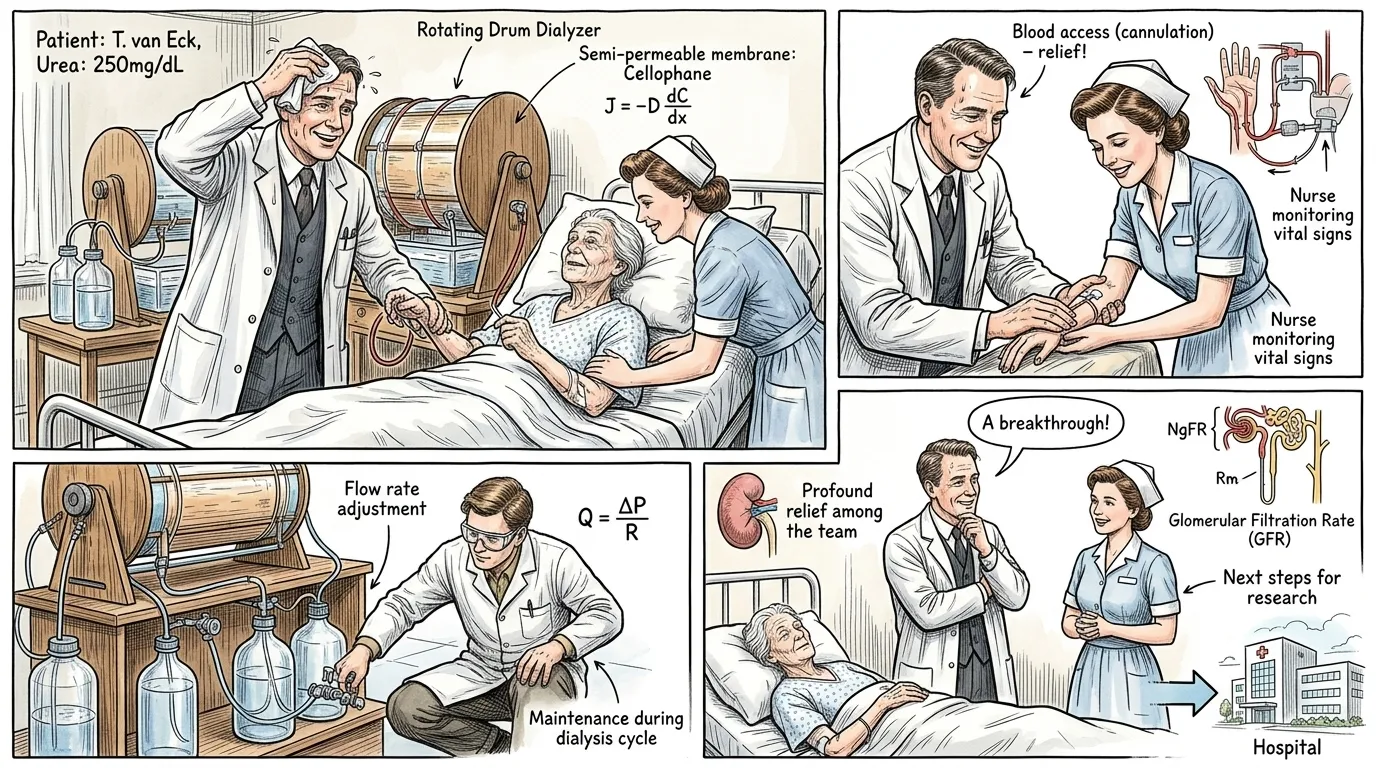
On September 11, 1945, in the liberated Netherlands, Kolff achieved his greatest triumph. A 67-year-old woman, suffering from acute renal failure and in a uremic coma, became the recipient of the first successful human dialysis treatment. After an eleven-hour session, she regained consciousness, a moment of unprecedented medical victory.
"After hours of anxious waiting, Kolff, wiping sweat from his brow, observed the patient stir. He turned to his nurse with a relieved smile, 'Her eyes are open. She's lucid. We've brought her back. This is definitive proof. It's working.'"
Page 8
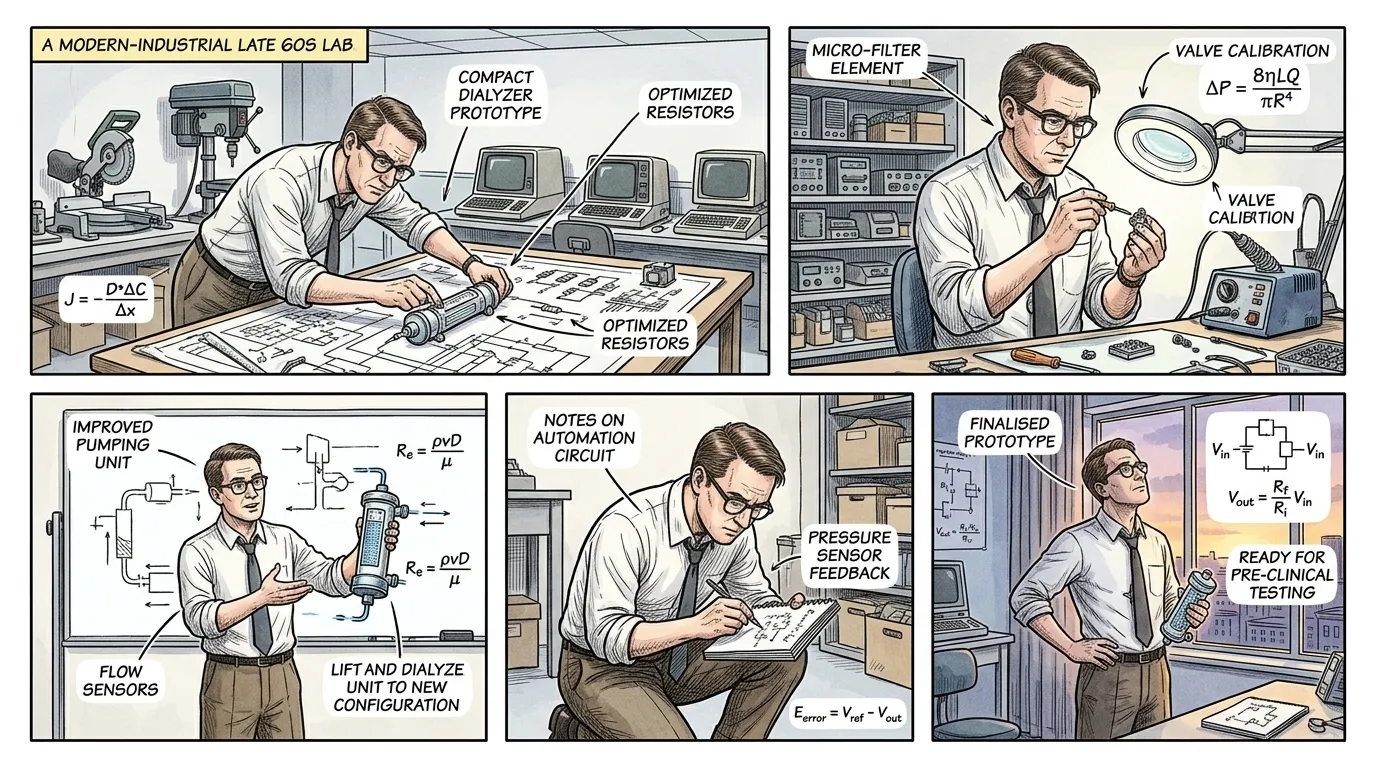
Early dialysis machines were cumbersome, required vast amounts of blood, and often led to complications. Post-war, the focus shifted from acute, temporary treatment to chronic, long-term care, necessitating safer, more compact, and more efficient designs. This push led to significant engineering advancements, including the development of better membranes and automated controls.
"A leading biomedical engineer, reviewing schematics in the late 1960s, remarked, 'Kolff's genius gave us the core principle. Our task now is refinement. How do we reduce the size, minimize blood loss, and make this intricate process accessible for routine, repeatable treatments, not just emergencies?'"
Page 9
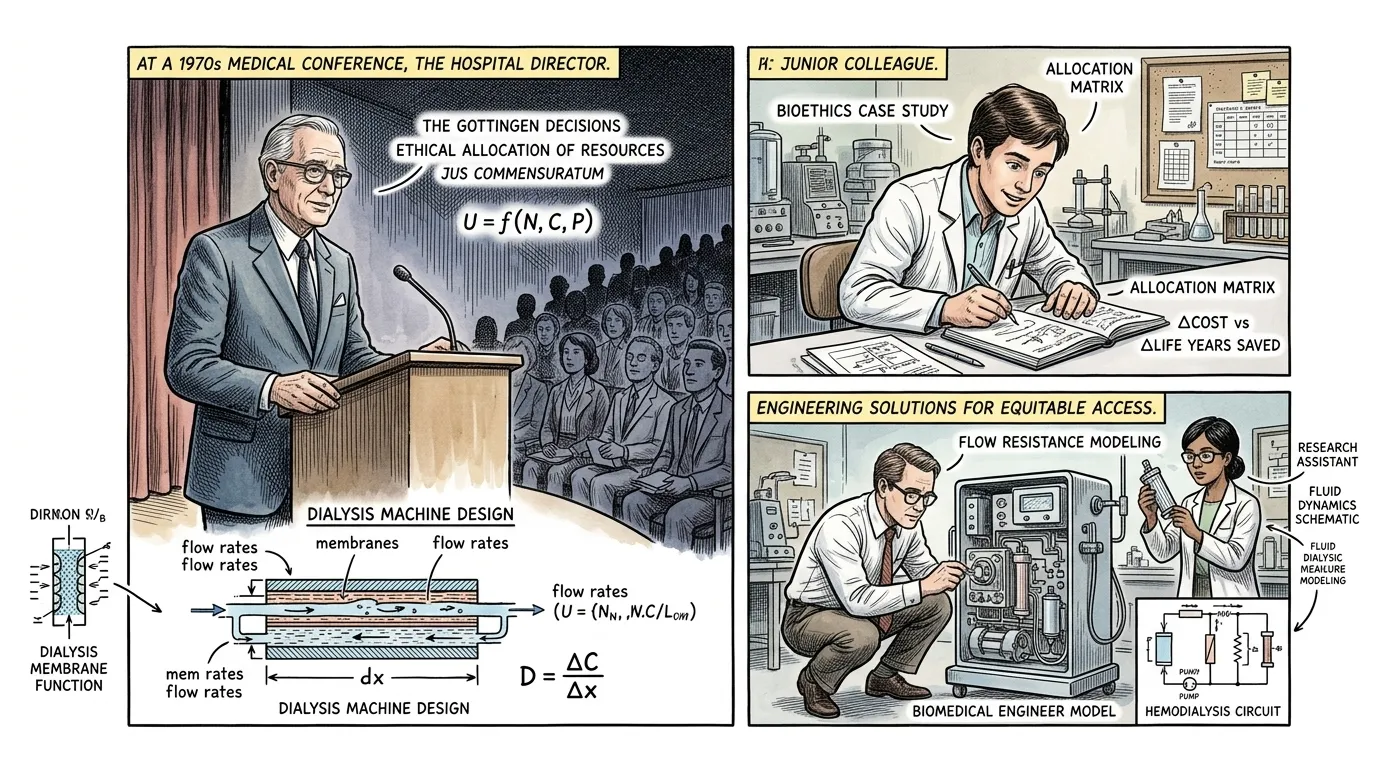
As dialysis became more effective, a profound ethical crisis emerged: the machines were expensive and scarce, forcing doctors and 'admissions committees' to make agonizing decisions about who lived and who died. This era highlighted the tension between medical capability and societal resource allocation.
"A compassionate hospital director, speaking at a medical conference in the 1970s, reflected, 'The early days of dialysis forced us into impossible choices, weighing one life against another. 'The arc of the moral universe is long, but it bends toward justice,' as Martin Luther King Jr. famously said. We must strive to ensure this life-saving treatment is a right, not a privilege.'"
Page 10
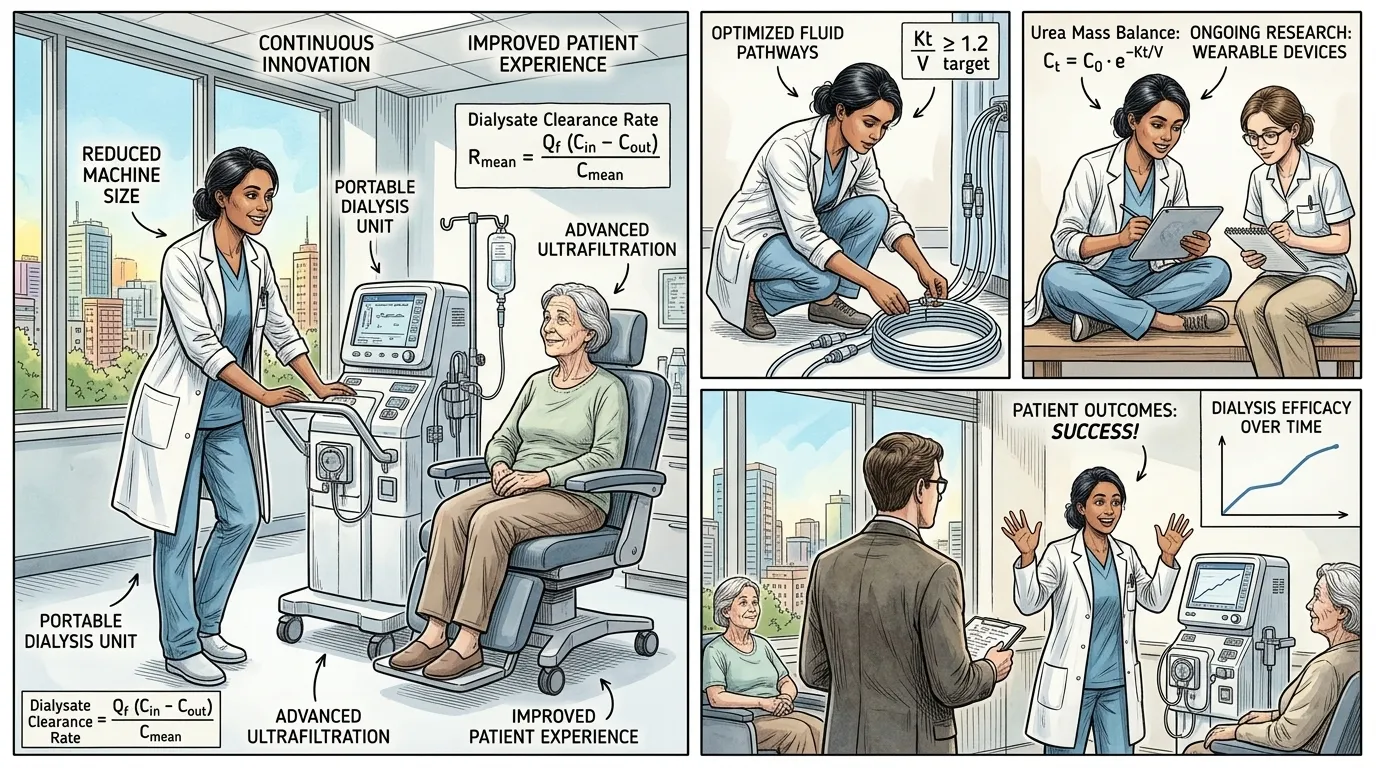
Today, dialysis machines sustain the lives of millions worldwide, transforming a fatal diagnosis into a manageable chronic condition. From hospital clinics to home-based treatments, Kolff's invention continues to evolve. Research pushes towards even greater portability, wearable artificial kidneys, and ultimately, organ regeneration, forever changing the landscape of renal care.
"A modern nephrologist, looking at an advanced dialysis unit, remarked, 'Kolff's ingenuity didn't just invent a machine; he sparked a revolution. We've come so far, yet the journey continues. The goal remains the same: to give every patient the chance at a full, healthy life, free from the burden of kidney failure.'"
About this story
- Location: Global
- Audience: general readers
Questions and answers
Read Wonder Inventions on your phone
Wonder Inventions is available on Android. Get Wonder Inventions on Google Play.