DNA Sequencing
DNA Sequencing — an illustrated inventions story, set in Global. 10 illustrated pages, free to read on Wonder Inventions.
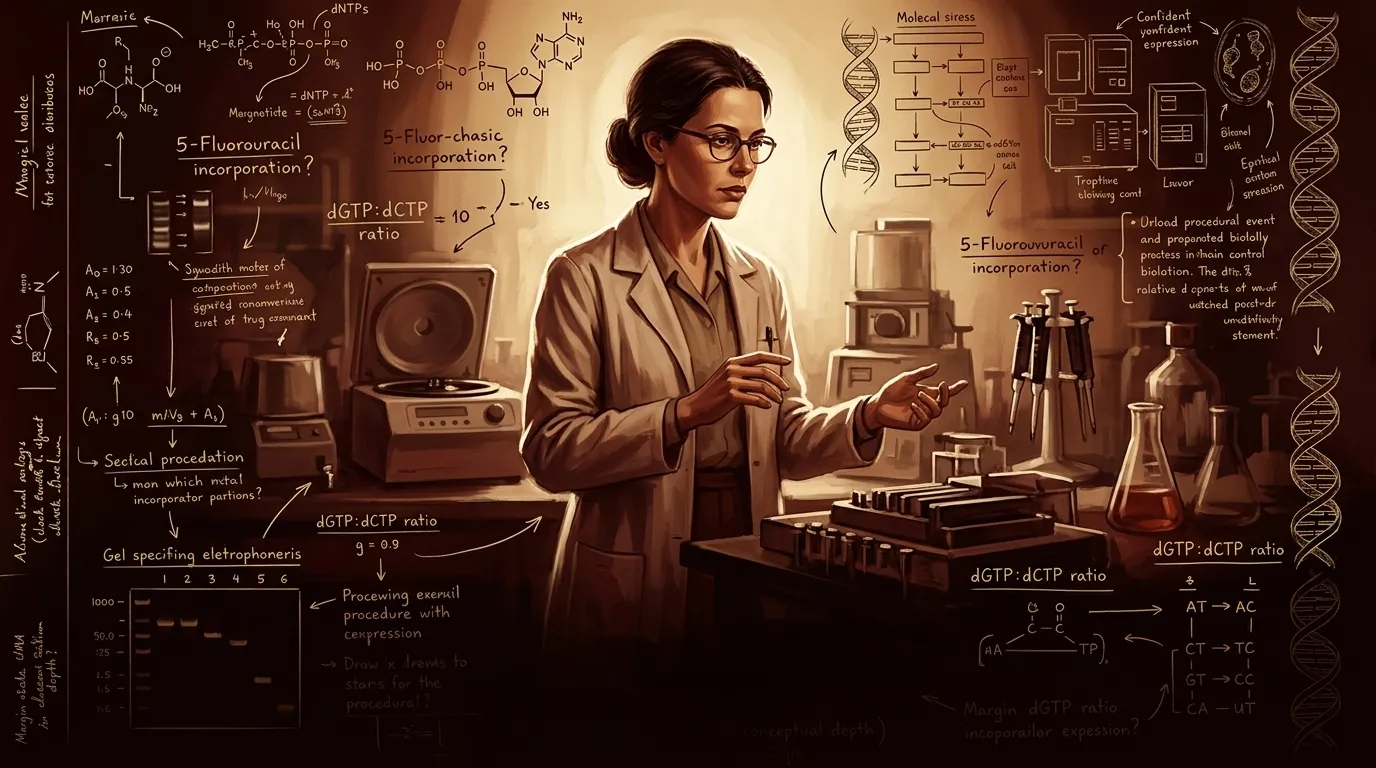
Page 1
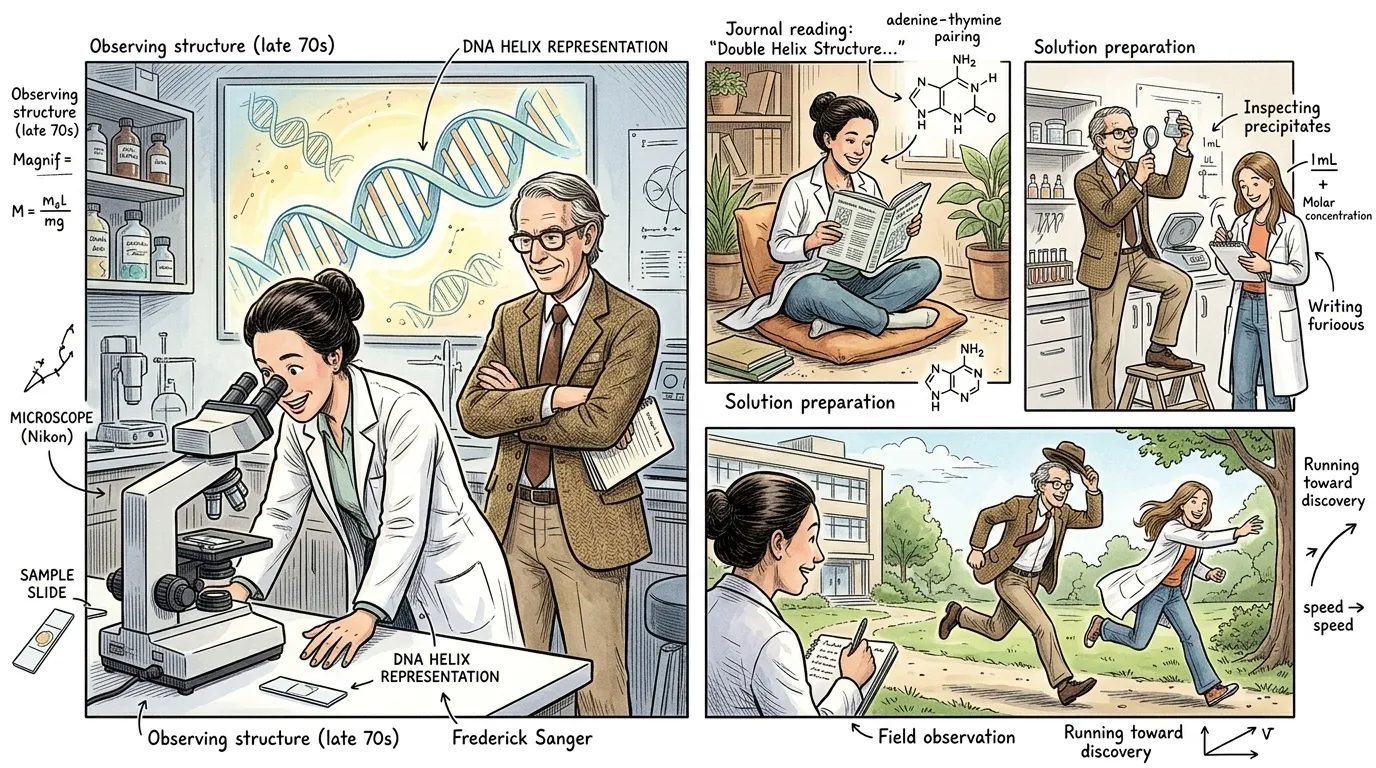
Before the late 1970s, deciphering the exact sequence of DNA, the fundamental blueprint of all life, presented an enormous scientific challenge. Scientists understood DNA's double-helix structure, yet reading the precise order of its billions of chemical 'letters' remained elusive. This profound limitation hampered understanding of genetic diseases, evolutionary pathways, and basic biological processes at their core. The ability to accurately read this code was crucial for the future of medicine and biological discovery.
"'The sheer scale of the genetic code seemed insurmountable,' mused Dr. Eleanor Vance, a hypothetical contemporary researcher, to her colleague, gesturing towards a vast, abstract representation of DNA. 'Knowing the structure was a monumental leap, but to understand its language, base by base, was truly the ultimate frontier of our era.'"
Page 2
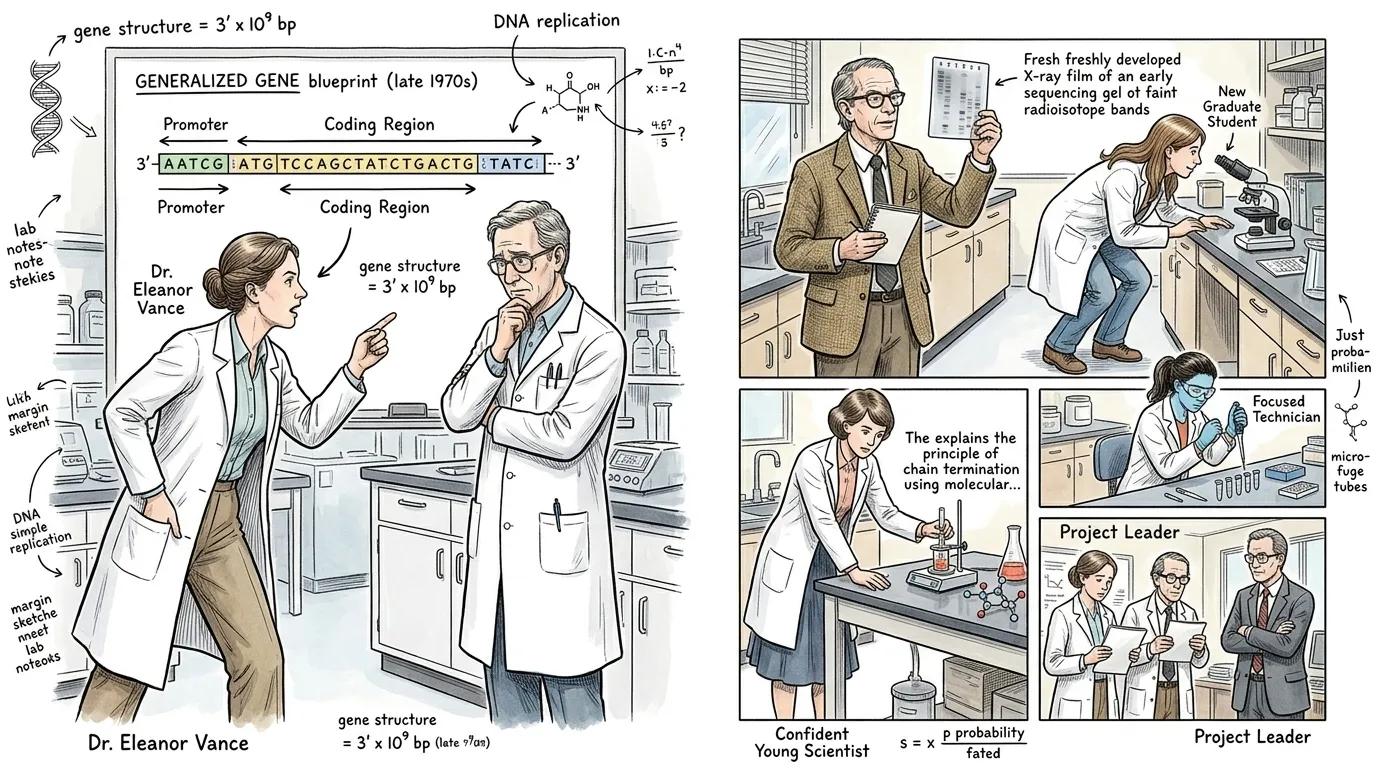
For decades, despite groundbreaking discoveries like the double helix structure by Watson and Crick, the vast majority of genetic information remained inaccessible. Researchers faced an invisible alphabet, knowing the letters existed (Adenine, Thymine, Cytosine, Guanine) but lacking any method to arrange them in order. This severely constrained progress in understanding hereditary conditions and even basic cellular functions. Progress demanded a revolutionary approach to biochemistry.
"'Without the sequence, our understanding was fragmented,' observed Dr. Vance, pointing to a diagram of a generalized gene. 'We could identify genes, but not their specific instructions. It was like having a dictionary without knowing how words are formed.' Her colleague nodded, 'Indeed, Dr. Vance. The challenge was not merely identifying the letters, but arranging them into coherent sentences of life.'"
Page 3
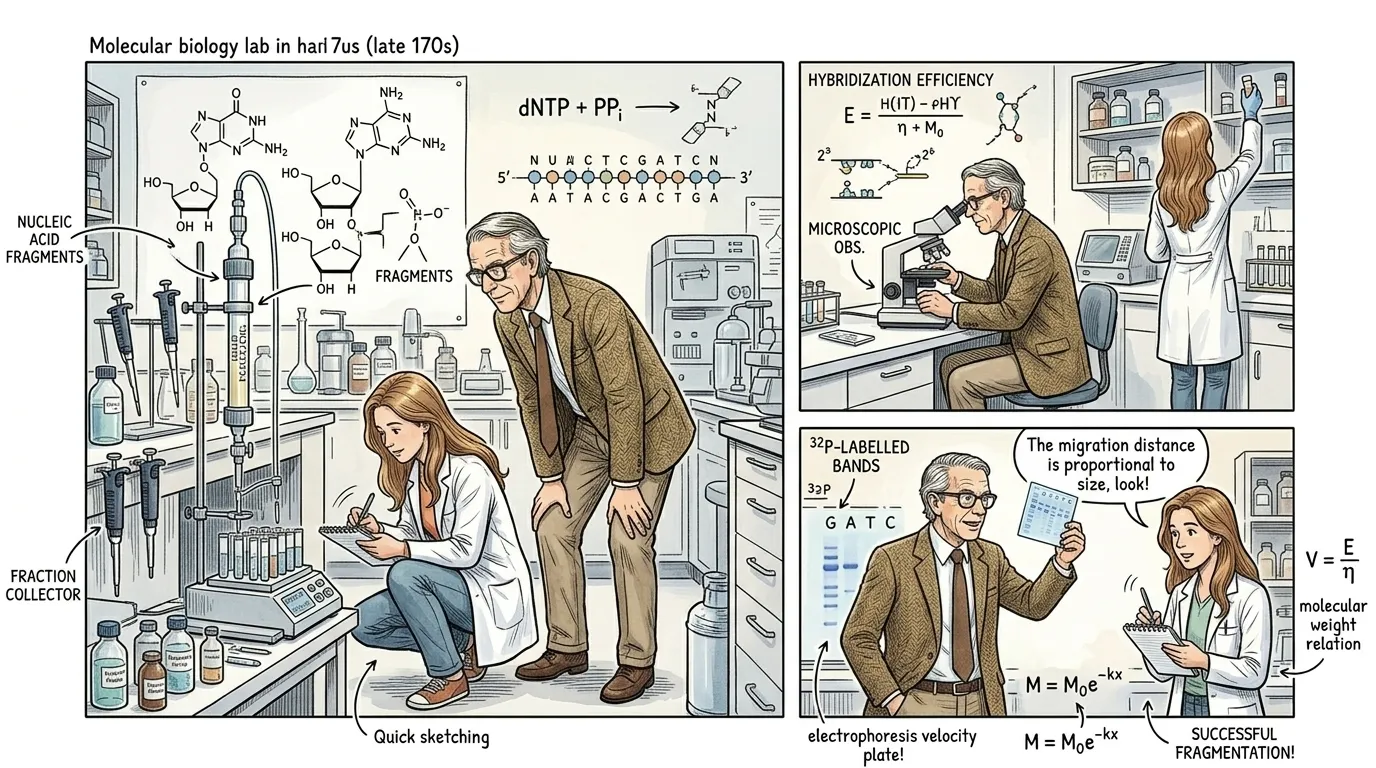
The path to sequencing DNA was pioneered by Frederick Sanger, a British biochemist already renowned for his work on protein sequencing, including insulin. Sanger, driven by an insatiable curiosity about biological information, recognized the parallels between protein and nucleic acid structures. He dedicated years to developing methods that could systematically break down these complex molecules and reveal their underlying order. His prior Nobel Prize-winning work on protein sequencing provided a conceptual foundation.
"'The core principle,' Sanger himself might have explained to a junior colleague, 'is finding a way to create a series of fragments, each incrementally longer than the last, terminating at a specific point.' He paused, adjusting his spectacles. 'As Aristotle once said, 'The whole is greater than the sum of its parts,' and to truly understand the whole of DNA, we must first understand its individual, ordered parts.'"
Page 4
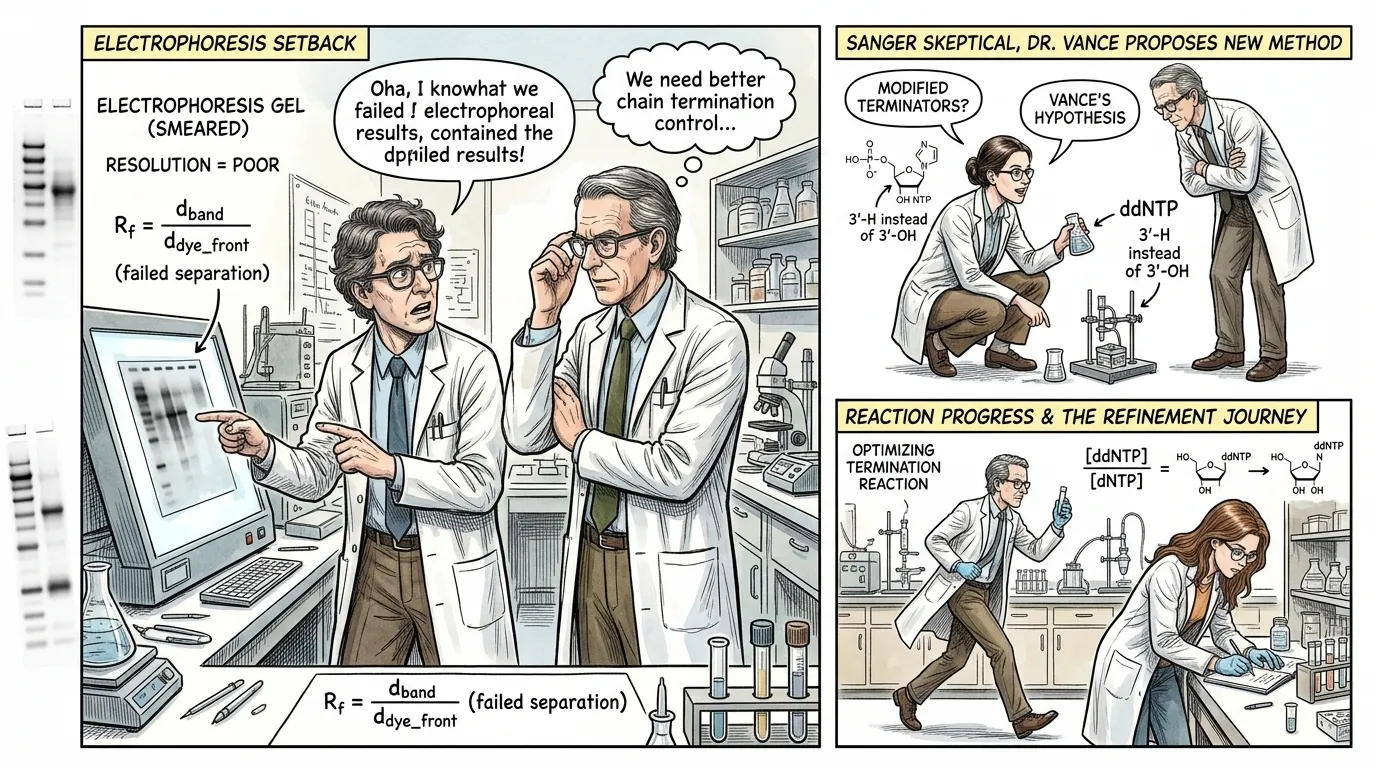
Sanger's journey was far from immediate success. Initial attempts to sequence DNA were fraught with technical difficulties, primarily due to the molecule's immense size and complexity compared to proteins. Early enzymatic and chemical degradation methods yielded inconsistent or incomplete results. The sheer scale of DNA fragments and the lack of precise separation techniques meant that obtaining a clear, readable sequence was an almost insurmountable hurdle, leading to numerous failed experiments and redesigns. Each setback, however, refined his understanding.
"'Our early protocols often resulted in a jumbled mess of fragments, indistinguishable from one another,' a senior researcher might have commented to Sanger during a lab meeting, pointing to a blurred, smudged electrophoresis gel. Sanger, ever patient, replied, 'The challenge lies in achieving absolute specificity for each termination point. We need a 'molecular ruler' of unprecedented precision.'"
Page 5
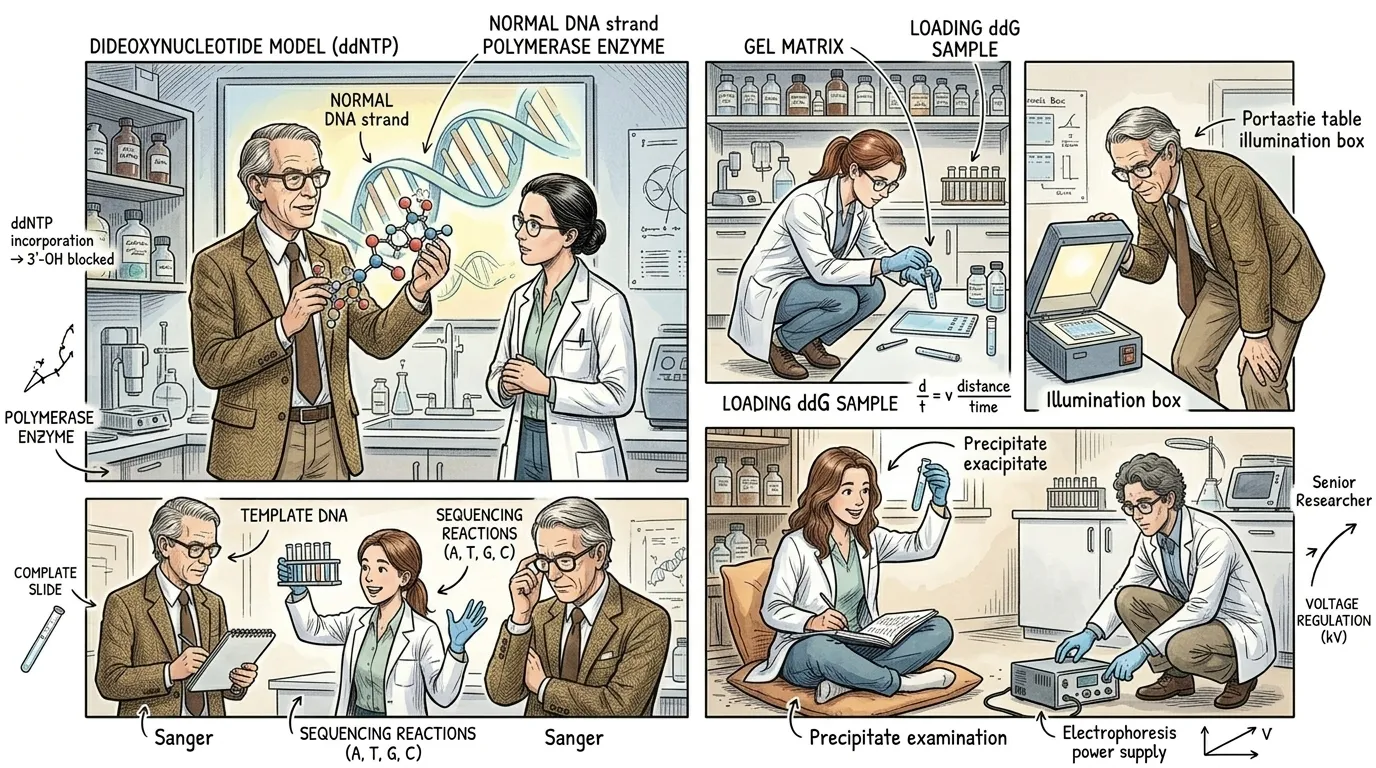
The pivotal breakthrough arrived with the development of the 'dideoxy' method, also known as chain-termination sequencing, in 1977. Sanger's team realized that modified nucleotides, called dideoxynucleotides (ddNTPs), lacked a crucial hydroxyl group required for DNA strand elongation. When a ddNTP was incorporated during DNA synthesis, the process would irrevocably stop. This ingenious mechanism allowed for the creation of DNA fragments that terminated specifically at every instance of a particular base.
"Holding up a model of a dideoxynucleotide, Sanger explained to a new graduate student, 'This small molecular alteration, the absence of a single hydroxyl group, is our key. It acts as a deliberate roadblock in the replication process.' He gestured towards a diagram. 'It forces the polymerase to stop, creating a precisely terminated fragment. This is how we begin to read the sequence.'"
Page 6
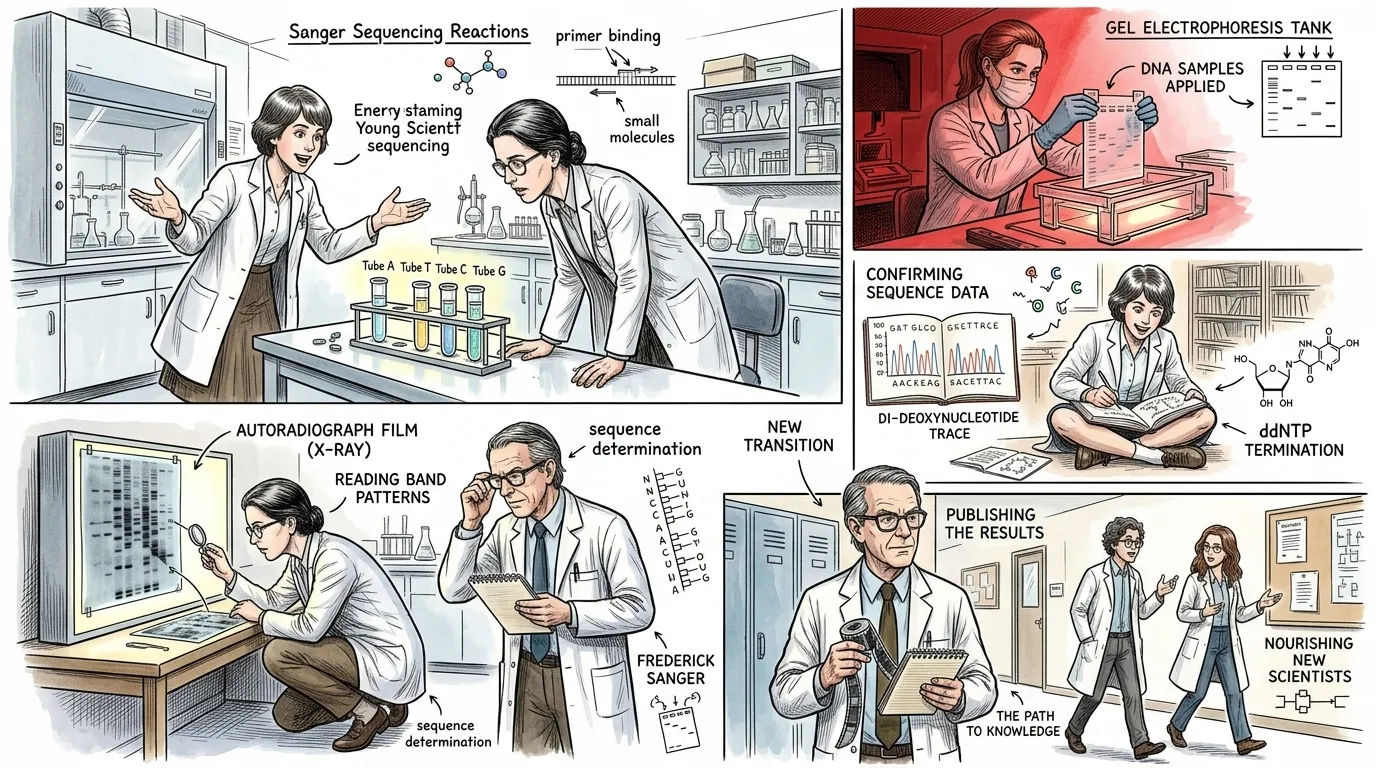
The Sanger sequencing method began with a single-stranded DNA template, a primer, DNA polymerase, and a mixture of all four deoxynucleotides (dNTPs). Crucially, four separate reaction tubes were prepared, each containing a small, limiting amount of one specific dideoxynucleotide (ddATP, ddTTP, ddCTP, or ddGTP). As DNA polymerase synthesized new strands, it would randomly incorporate either a dNTP or a ddNTP. When a ddNTP was incorporated, the chain elongation terminated immediately.
"'Imagine each tube as a race,' explained a confident young scientist to a visiting colleague, indicating four distinct reaction vessels. 'In one tube, a few runners are forced to stop at every 'A' marker, creating fragments of every possible length ending in A.' She pointed. 'The other tubes do the same for T, C, and G. This generates a complete ladder of fragments for each base type.'"
Page 7
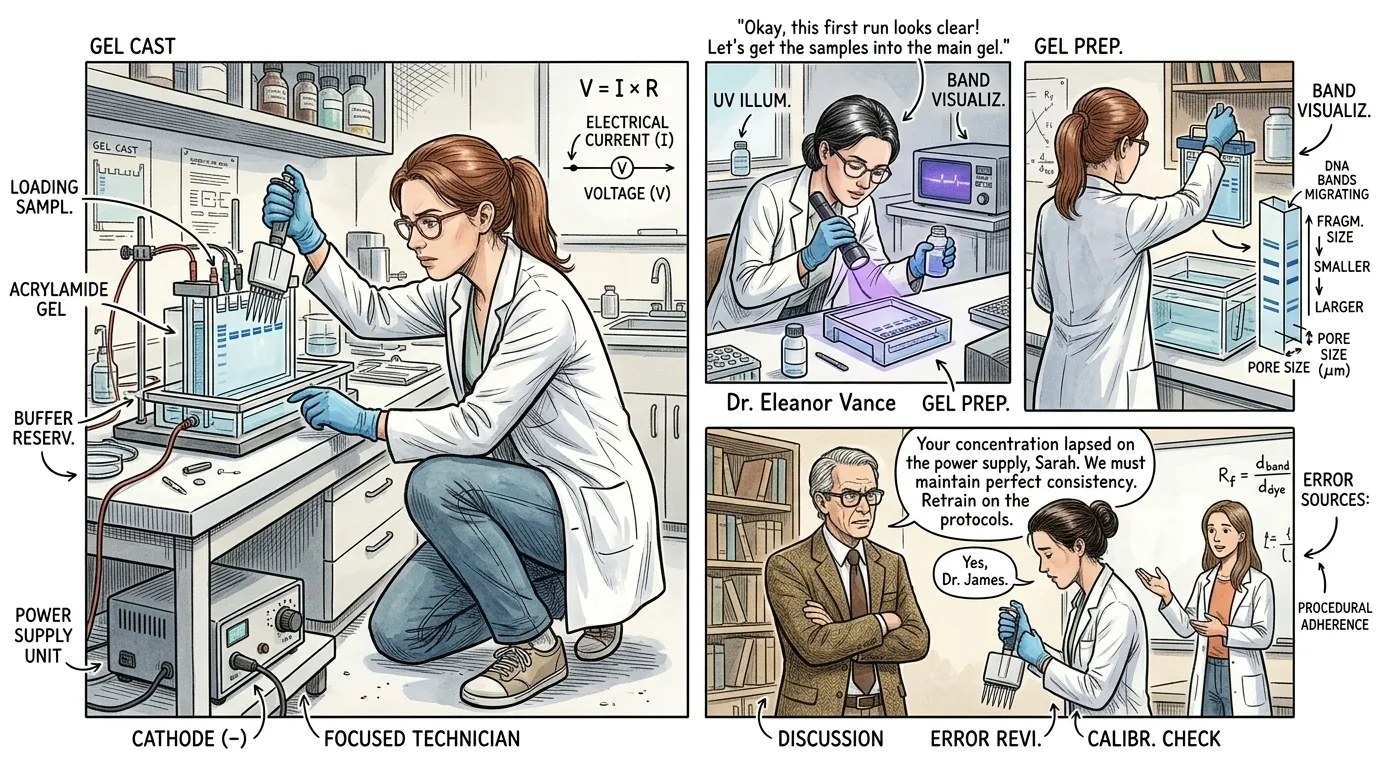
After the fragment generation, the contents of each of the four reaction tubes were loaded into separate lanes of a polyacrylamide gel. An electric current was then applied, causing the negatively charged DNA fragments to migrate through the gel. Smaller fragments, encountering less resistance, traveled faster and further down the gel than larger fragments. This process, known as gel electrophoresis, separated the fragments by size, effectively creating a ladder of DNA segments.
"'The gel acts as a molecular sieve,' explained a focused technician, carefully loading samples onto a large, transparent gel. 'By separating these fragments from smallest to largest, we create a visual representation of all the termination points.' He adjusted a dial. 'Each band on the gel corresponds to a precise position of a base in the original DNA sequence. This is where the code becomes legible.'"
Page 8
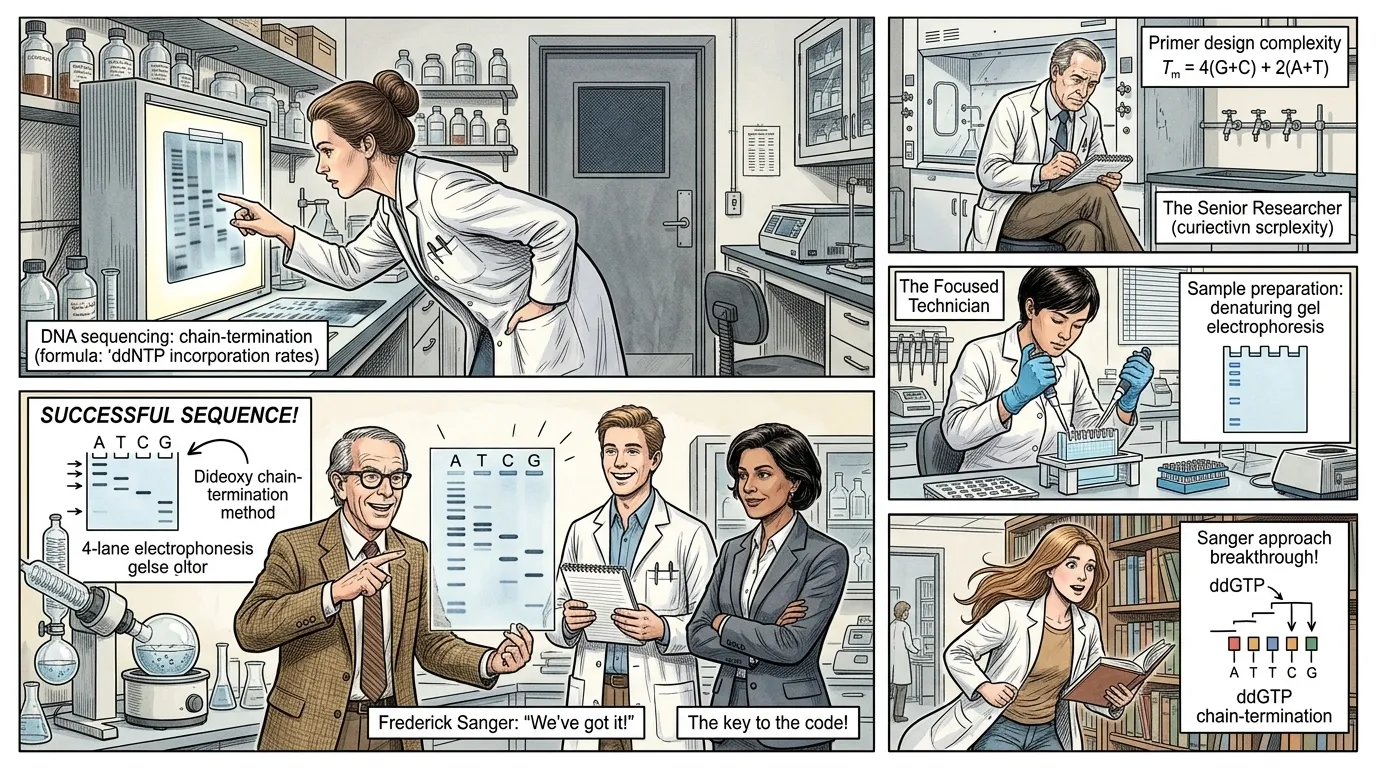
Once the electrophoresis was complete, the gel was developed, often using autoradiography with radioactive labels or, later, fluorescent dyes, to visualize the DNA bands. By reading the sequence of bands from the bottom of the gel (the smallest fragments) upwards, across the four lanes, the exact order of the nucleotides (A, T, C, G) could be determined. This systematic readout provided an unprecedented view into the genetic code, transforming biological research. The previously invisible alphabet was now meticulously laid bare.
"'This column of illuminated bands is our genetic sentence,' a jubilant Frederick Sanger might have declared to his team, triumphantly pointing to a developed gel. 'Reading from the shortest fragment to the longest, we can reconstruct the precise order of bases. The language of life, once hidden, is now revealed.' He emphasized, 'This ability will redefine our understanding of biology and medicine.'"
Page 9
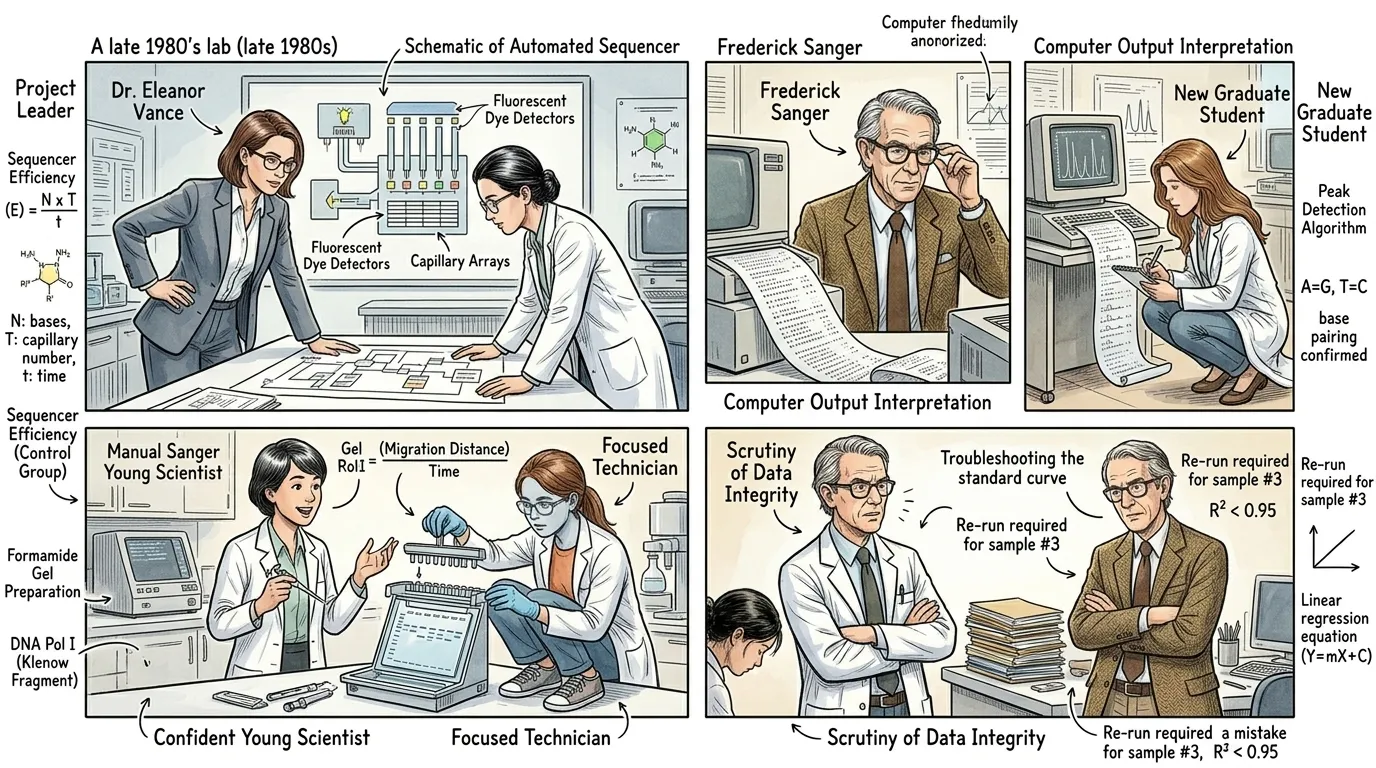
Sanger sequencing rapidly became the gold standard, leading to widespread adoption and, eventually, automation. The introduction of fluorescent dyes for labeling ddNTPs and capillary electrophoresis allowed machines to read sequences continuously, dramatically increasing throughput. This technological leap was instrumental in enabling monumental projects like the Human Genome Project, launched in 1990. For the first time, scientists envisioned sequencing the entire human genetic blueprint, promising revolutionary insights into health and disease.
"'The automation of Sanger sequencing transformed a painstaking manual process into an industrial pipeline,' observed a project leader, gesturing towards a schematic of early automated sequencers. 'This was the critical scale-up that made the Human Genome Project conceivable. Before, it was a dream; now, it was a tangible, if immense, undertaking.'"
Page 10
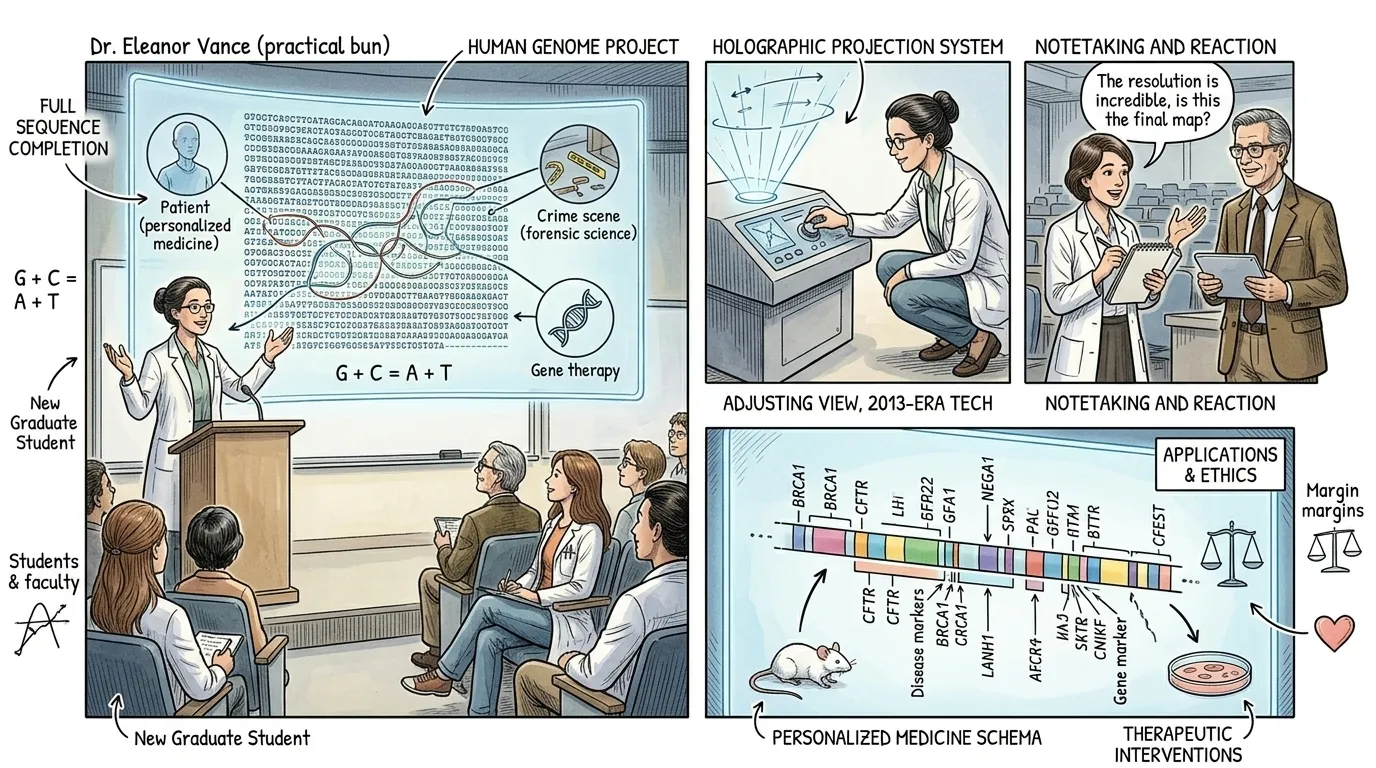
The completion of the Human Genome Project in 2003, largely built upon the foundations of Sanger sequencing, marked the dawn of the genomics era. This achievement, combined with subsequent next-generation sequencing technologies, profoundly transformed biology and medicine. DNA sequencing now underpins genetic disease diagnosis, personalized medicine, forensic science, infectious disease tracking, and the development of gene therapies. From a seemingly insurmountable challenge, DNA sequencing has evolved into an indispensable tool, continuously expanding our understanding of life itself.
"Dr. Vance, now a venerated professor, concluded her lecture, 'Frederick Sanger's pioneering work, initially a painstaking craft, became the bedrock for understanding the very language of life. His method, like a Rosetta Stone for genetics, gave us the ability to read the past, diagnose the present, and anticipate the future of human health.'"
About this story
- Location: Global
- Audience: general readers
Questions and answers
Read Wonder Inventions on your phone
Wonder Inventions is available on Android. Get Wonder Inventions on Google Play.