Who Were the 10 Greatest Pharaohs in Ancient Egypt?
Ancient Egypt's pharaohs shaped one of history's most enduring civilizations. Here are ten of the most impactful rulers who left their mark.
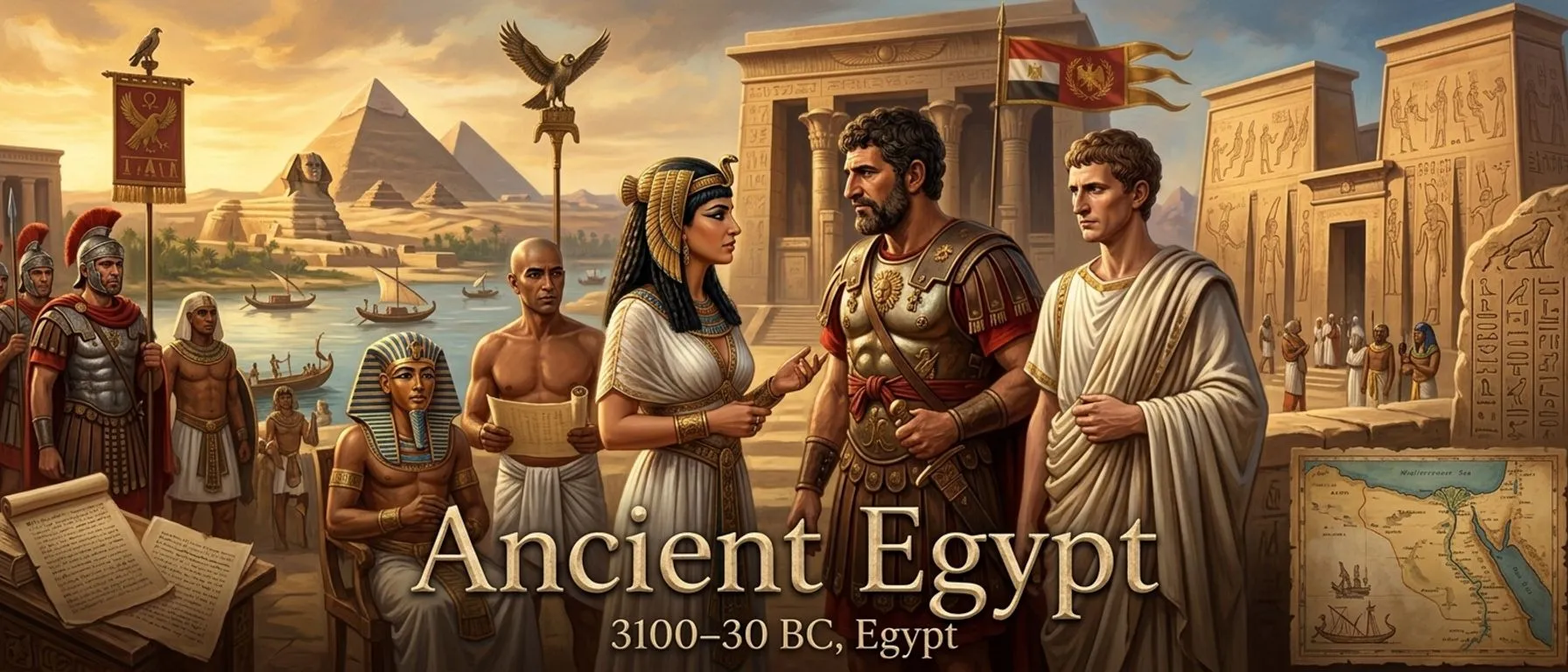
Ancient Egypt, a civilization that spanned millennia, was defined by its powerful pharaohs. These rulers were not just political leaders; they were seen as divine intermediaries, responsible for maintaining cosmic order. Understanding their reigns is key to grasping the monumental achievements, cultural shifts, and enduring legacy of this captivating era. While a definitive list of the "greatest" is subjective and open to debate, ten pharaohs consistently stand out for their profound impact on Egypt's history, their monumental building projects, military prowess, or unique contributions. We will explore those ten, from the earliest unifiers to the last queens.
- Narmer
- Khufu
- Hatshepsut
- Amenhotep III
- Akhenaten
- Seti I
- Ramesses II
- Ramesses III
- Sobekneferu
- Cleopatra VII
Narmer
Often credited with the unification of Upper and Lower Egypt around 3100 BCE, Narmer is a pivotal figure in the very beginning of dynastic Egypt. His reign marked the transition from pre-dynastic chiefdoms to a unified kingdom under a single ruler, setting the stage for thousands of years of pharaonic rule. The famous Narmer Palette, a ceremonial slab depicting his triumph, is one of the earliest historical documents, showcasing the symbols and iconography that would define Egyptian kingship for centuries. Without Narmer, the concept of a unified Egypt, ruled by a pharaoh, might never have taken hold.
Khufu
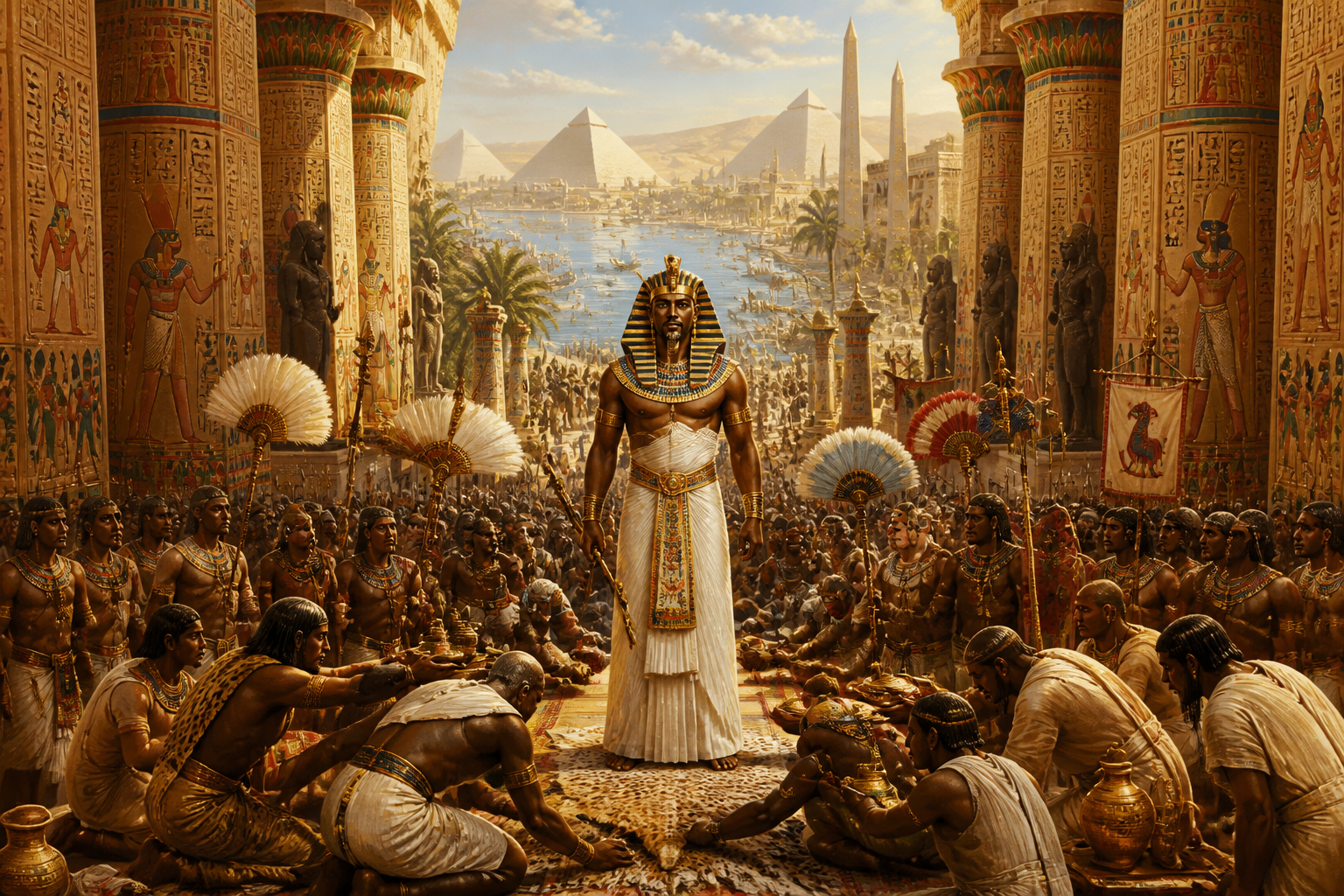
Khufu, known to the Greeks as Cheops, reigned during the Fourth Dynasty of the Old Kingdom and is synonymous with one of the most iconic structures ever built: the Great Pyramid of Giza. This colossal monument, an engineering marvel of its time, stands as a testament to his power, organizational capabilities, and the advanced state of Egyptian society during his rule. While little is known about his personal life or other achievements, the sheer scale and longevity of his pyramid solidify his place among the greatest pharaohs. His vision initiated an era of monumental construction that far surpassed any previous architectural endeavors.
Hatshepsut
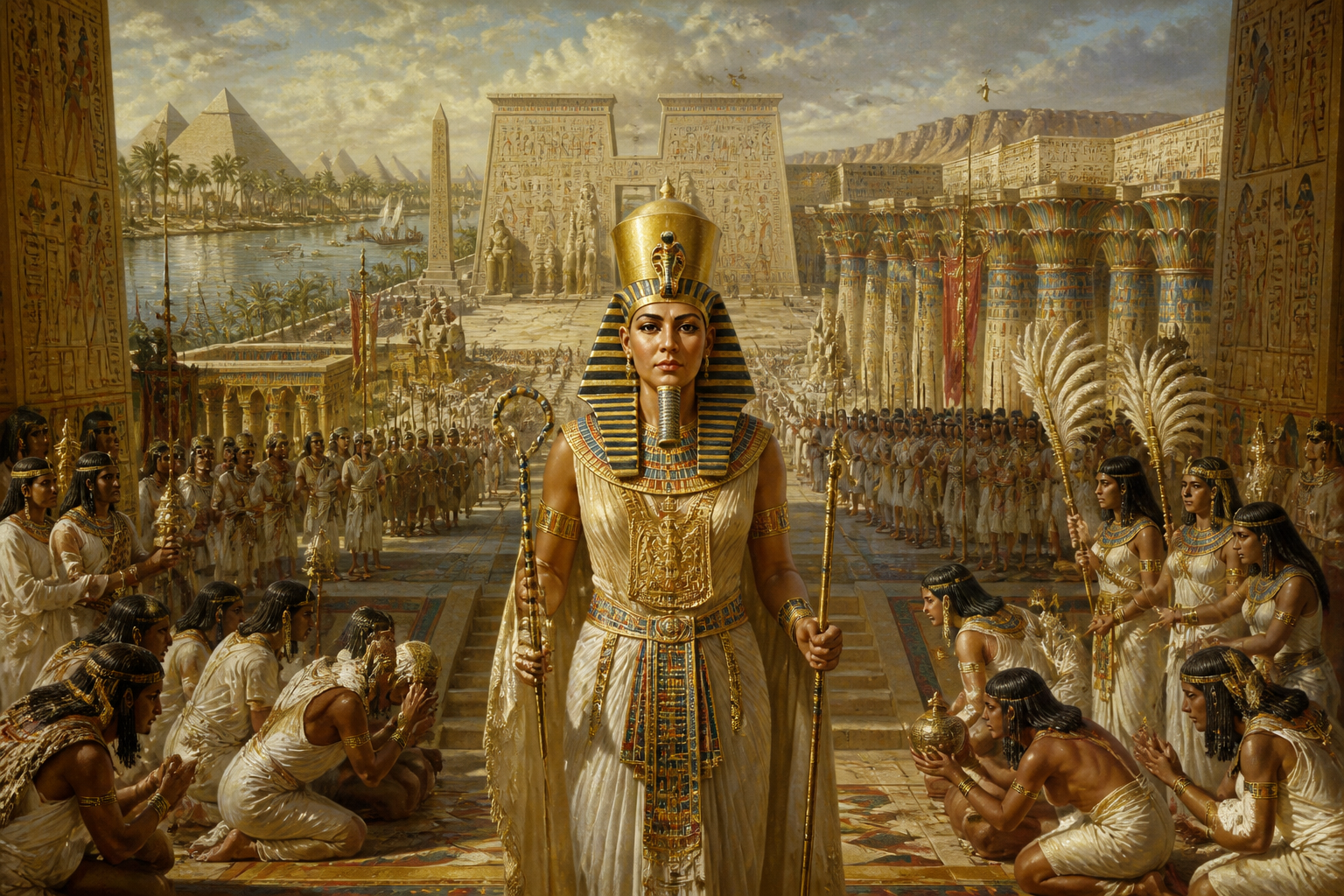
Hatshepsut stands out as one of the few female pharaohs to rule in her own right, challenging traditional gender roles in a male-dominated society. During her reign in the New Kingdom, she brought unprecedented prosperity and stability to Egypt. She oversaw ambitious building projects, including her magnificent mortuary temple at Deir el-Bahari, and launched successful trade expeditions, most notably to the Land of Punt, which brought exotic goods back to Egypt. Her rule was characterized by peace and economic growth, a significant departure from the military campaigns often favored by her male predecessors and successors.
Amenhotep III
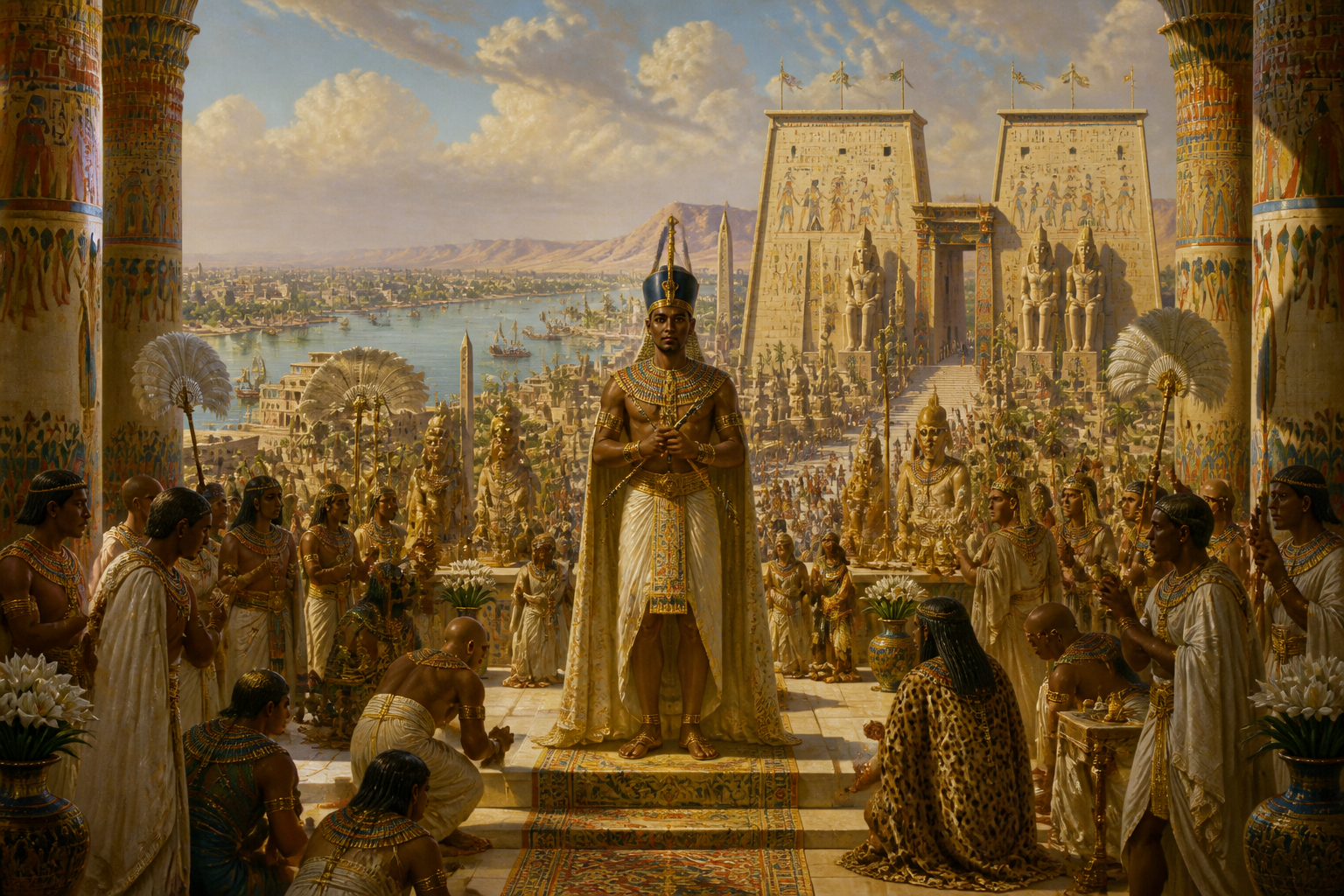
Amenhotep III presided over a period of unparalleled wealth and artistic flourishing, the pinnacle of the Eighteenth Dynasty's power and influence. His reign was marked by diplomatic marriages and extensive international relations, maintaining Egypt's status as a dominant world power. He was a prolific builder, commissioning numerous temples and monuments, including parts of the Luxor Temple and the Colossi of Memnon. Unlike Hatshepsut's focus on trade and internal development, Amenhotep III's greatness lay in consolidating Egypt's imperial status and fostering an era of artistic sophistication and cultural grandeur that few rulers could match. You can learn more about this era in Amenhotep III in the Wonder Egypt library.
Akhenaten
Akhenaten, initially known as Amenhotep IV, instigated one of the most radical religious and political reforms in ancient Egyptian history. He abandoned the traditional polytheistic religion in favor of a monotheistic worship of the Aten, the sun disk, moving the capital to a new city, Akhetaten (modern Amarna). This dramatic shift, often called the Amarna Period, had profound effects on Egyptian art, religion, and governance, though it was largely reversed after his death. His reign, detailed in Akhenaten, represents a singular moment of ideological upheaval, a stark contrast to the traditional stability sought by other pharaohs. His wife, Nefertiti, and the influence she wielded, are also central to understanding this period, though she was never pharaoh herself. The subsequent discovery of his son's tomb, The Discovery of Tutankhamun's Tomb, brought this period into modern renown.
Seti I
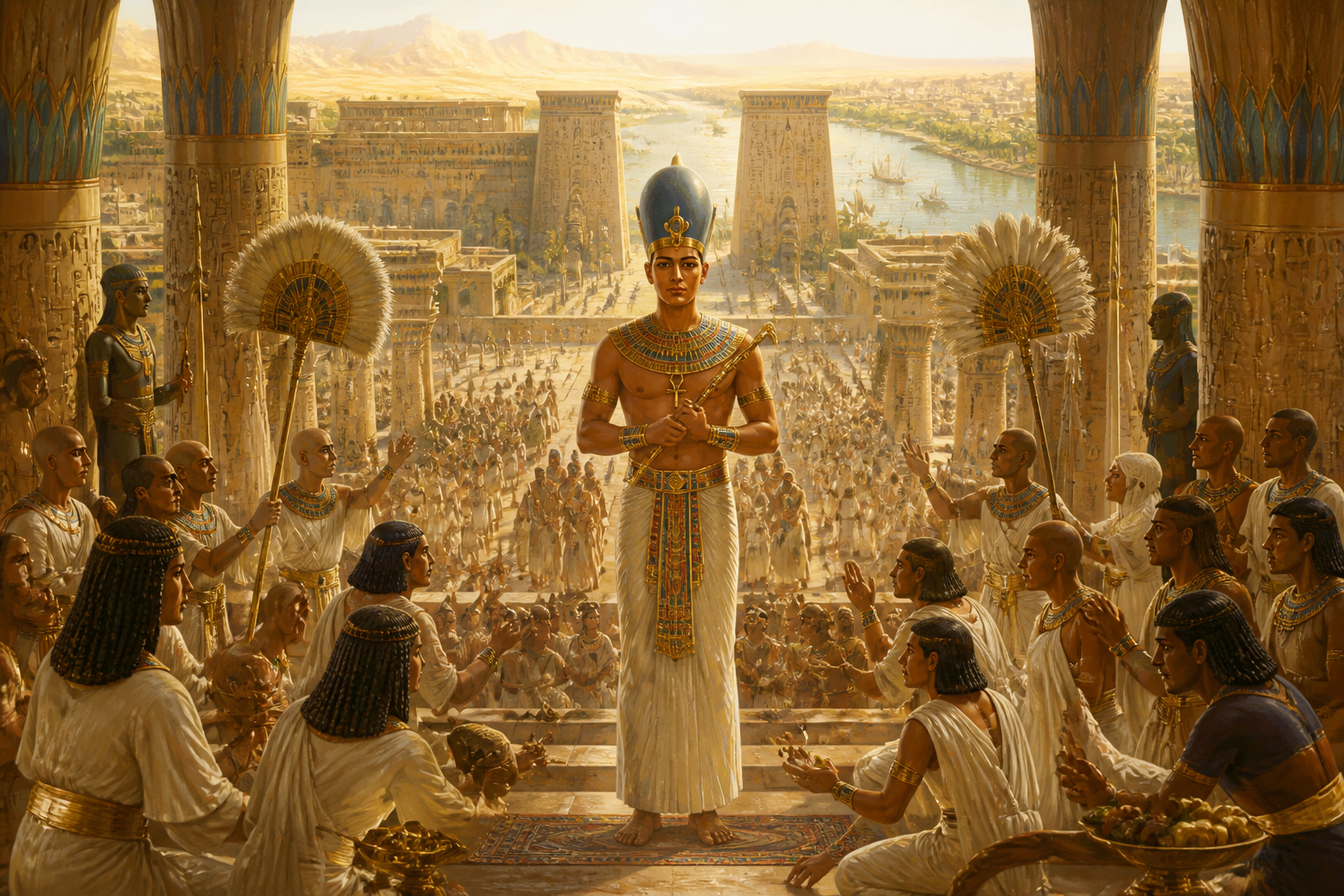
Seti I, father of Ramesses II, embarked on a campaign to restore Egypt's power and prestige after the tumultuous Amarna period. He led successful military campaigns against the Hittites and Libyans, reasserting Egyptian control over its territories. His building projects, particularly his magnificent tomb in the Valley of the Kings and the Hypostyle Hall at Karnak, showcase some of the finest examples of Egyptian art and architecture. Seti I's reign was a crucial period of restoration and revitalization, laying the groundwork for the even greater glories of his son's rule, ensuring Egypt's return to its former imperial strength after Akhenaten's controversial reforms.
Ramesses II
Often hailed as "Ramesses the Great," Ramesses II is arguably the most celebrated and powerful pharaoh of the New Kingdom. He reigned for an astonishing 66 years, during which he led numerous military campaigns, most famously fighting the Hittites at The Battle of Kadesh, a conflict that led to one of the earliest known peace treaties. His monumental building projects, including the Ramesseum, the temple at Abu Simbel, and vast additions to Karnak, are unparalleled. His legacy is one of immense power, prolific construction, and a reign that solidified Egypt's status as a dominant empire. His achievements far surpassed those of Seti I in scale and duration, cementing his image as the quintessential Egyptian pharaoh.
Ramesses III
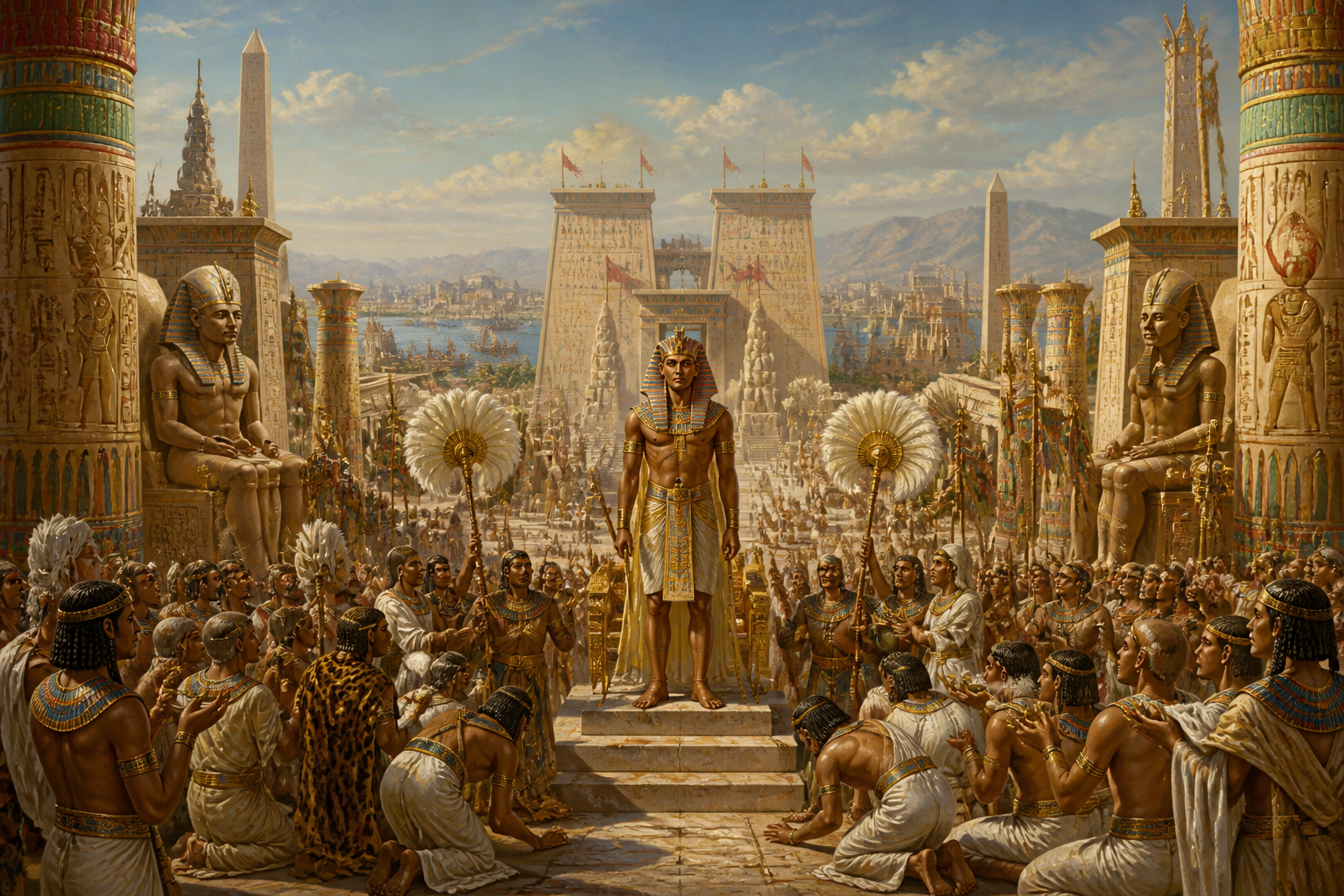
Ramesses III is often considered the last great pharaoh of the New Kingdom, reigning during a period of significant geopolitical upheaval known as the Late Bronze Age collapse. He is most famous for successfully defending Egypt against formidable invasions by the "Sea Peoples" and Libyan tribes, conflicts that threatened to destabilize the entire region. His victories, recorded in detailed temple reliefs at Medinet Habu, preserved Egypt's sovereignty when many other empires fell. While he shared the name and some military ambition with Ramesses II, Ramesses III's greatness lies in his role as a defender, safeguarding Egypt from external threats that his predecessors had not faced to the same degree.
Sobekneferu
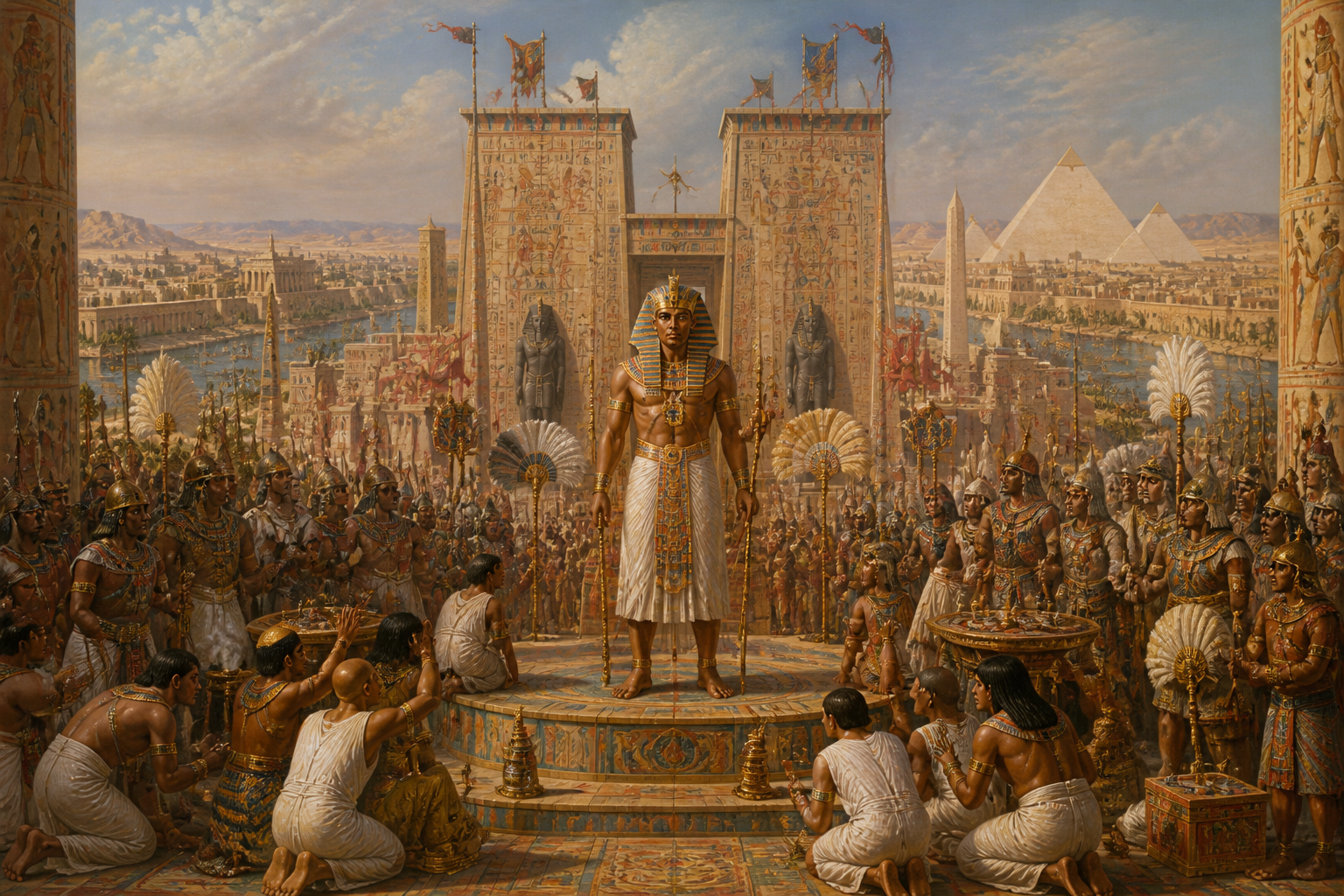
Sobekneferu, whose reign marked the end of the Twelfth Dynasty and the Middle Kingdom, was another powerful female pharaoh. She ruled for nearly four years and was the first documented female ruler of Egypt with full pharaonic titles. While her reign was brief, it was a period of stability and consolidation after the rule of her brother. Her existence demonstrates the occasional capacity for women to ascend to the highest office in Egypt, even if not as frequently as men. Her legacy, explored in Sobekneferu, is significant for breaking gender barriers and maintaining the continuity of royal authority during a transitional period, distinguishing her from other powerful female figures like Nefertari, who was a Great Royal Wife rather than a reigning pharaoh herself.
Cleopatra VII
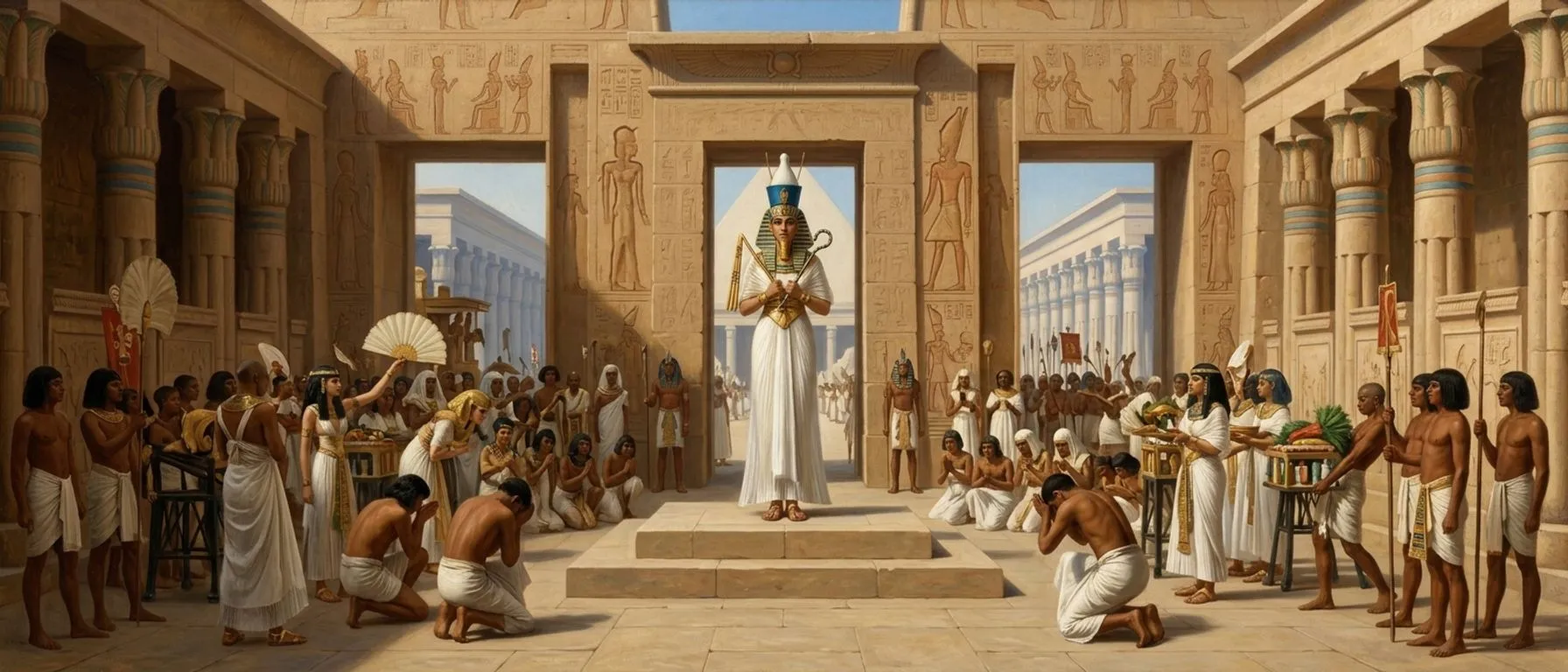
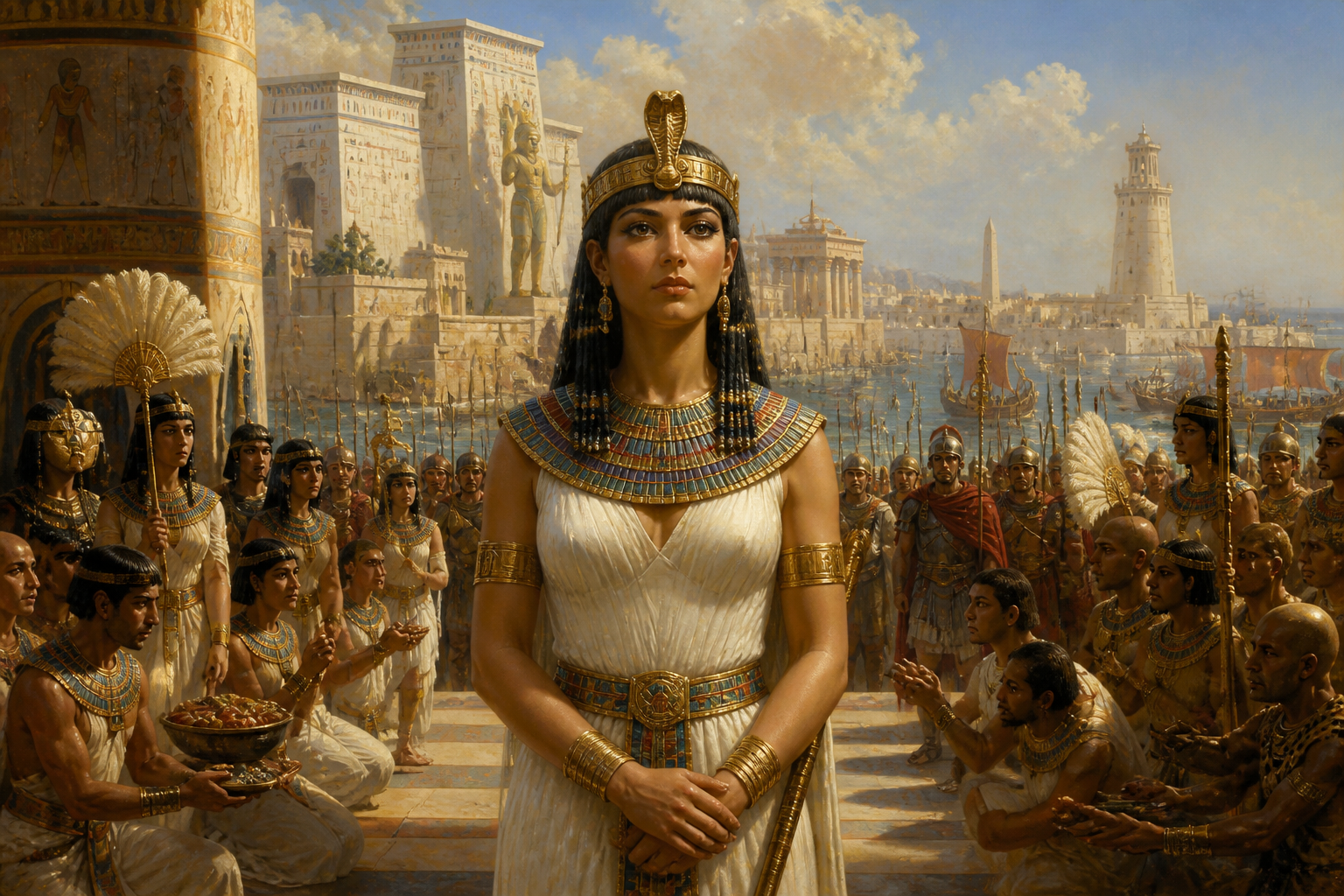
Cleopatra VII, the last active pharaoh of Ptolemaic Egypt, is perhaps the most famous female ruler of all time. Though ethnically Greek, she embraced Egyptian culture and language, distinguishing herself from her Ptolemaic predecessors, such as Ptolemy II. Her strategic alliances with Roman leaders Julius Caesar and Mark Antony were desperate attempts to preserve Egypt's independence against the rising power of Rome. Her story, detailed in Cleopatra VII, is one of political intrigue, personal charisma, and a fierce struggle to maintain sovereignty in a rapidly changing world. Her tragic end marked the definitive close of pharaonic rule and the incorporation of Egypt into the Roman Empire, a vastly different context from the earlier dynastic rulers.
Frequently Asked Questions
Who was the longest-reigning pharaoh?
Ramesses II, also known as Ramesses the Great, holds the record for the longest reign among Egyptian pharaohs. He ruled for an astonishing 66 years, from 1279 to 1213 BCE, leaving an indelible mark on Egyptian history through his extensive building projects and military campaigns.
What is a pharaoh?
A pharaoh was the monarch of ancient Egypt, considered a divine ruler and the intermediary between the gods and the people. The word 'pharaoh' originally referred to the royal palace ('great house') but later became a title for the king himself, embodying both political and religious authority.
Was Tutankhamun a great pharaoh?
While Tutankhamun is one of the most famous pharaohs due to the discovery of his nearly intact tomb, his reign was relatively short and uneventful in terms of major political or military achievements. His significance largely stems from the wealth of archaeological information his tomb provided about ancient Egyptian burial practices and art, rather than his direct impact as a ruler. You can explore his story in The Discovery of Tutankhamun's Tomb.