The 10 Best Wonder Science Stories to Read Free Online
10 of the best illustrated Wonder Science stories, ranked and free to read — chosen from the 107 available today, every one of them readable right now.
Wonder Science has 107 illustrated stories you can read right now, about scientific discoveries and the people who made them. These ten are a starting point — chosen for how well they stand on their own, not by popularity. Every one of them opens and can be read today; nothing on this page is a placeholder for something coming later.
The 10, ranked



How this list was chosen
Ranked by the editorial quality score attached to each story, then by the order the shelf itself uses. The list is rebuilt from the live catalogue rather than written once and left, so a story that is withdrawn drops off it and a better one takes its place. Wonder Science is filed under 4 categories in total, so these ten deliberately spread across subjects rather than clustering in one.
What reading one is actually like
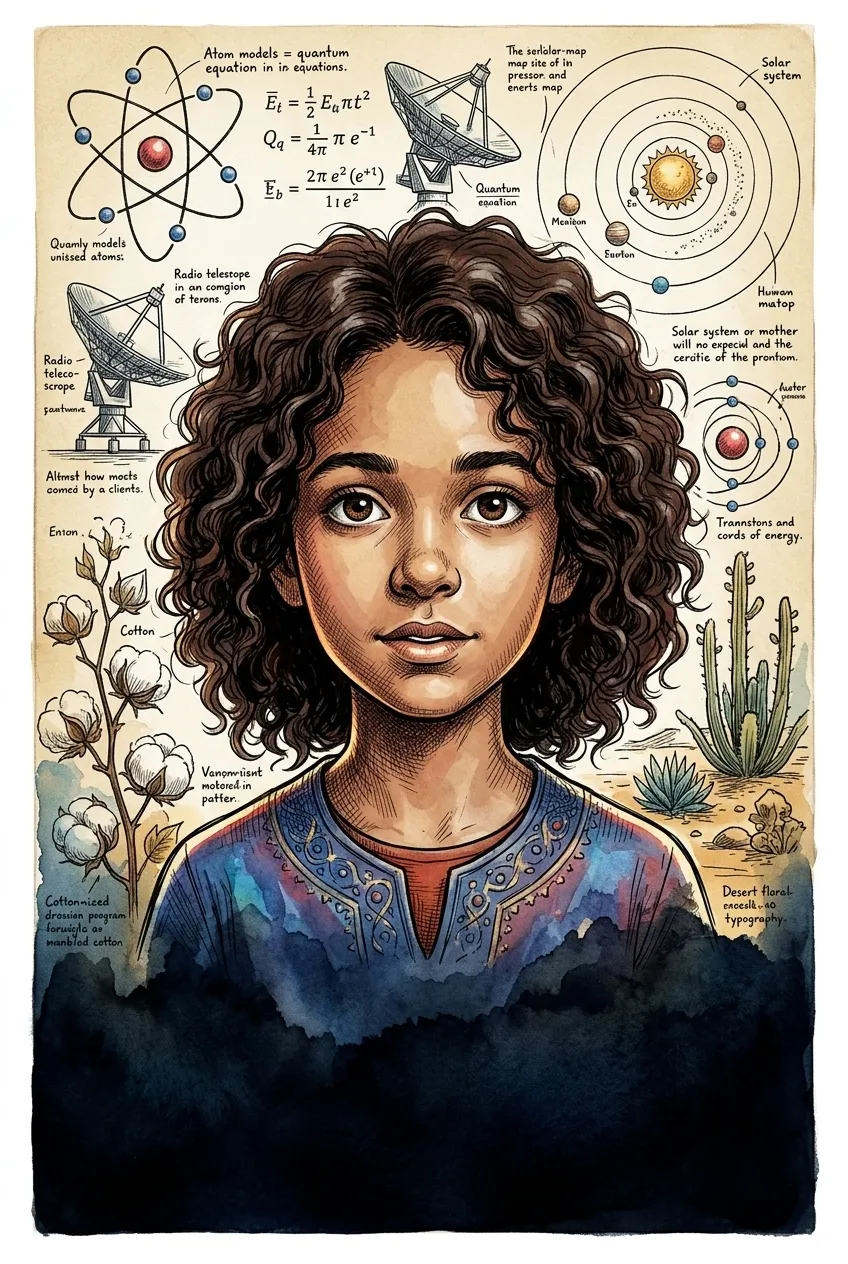
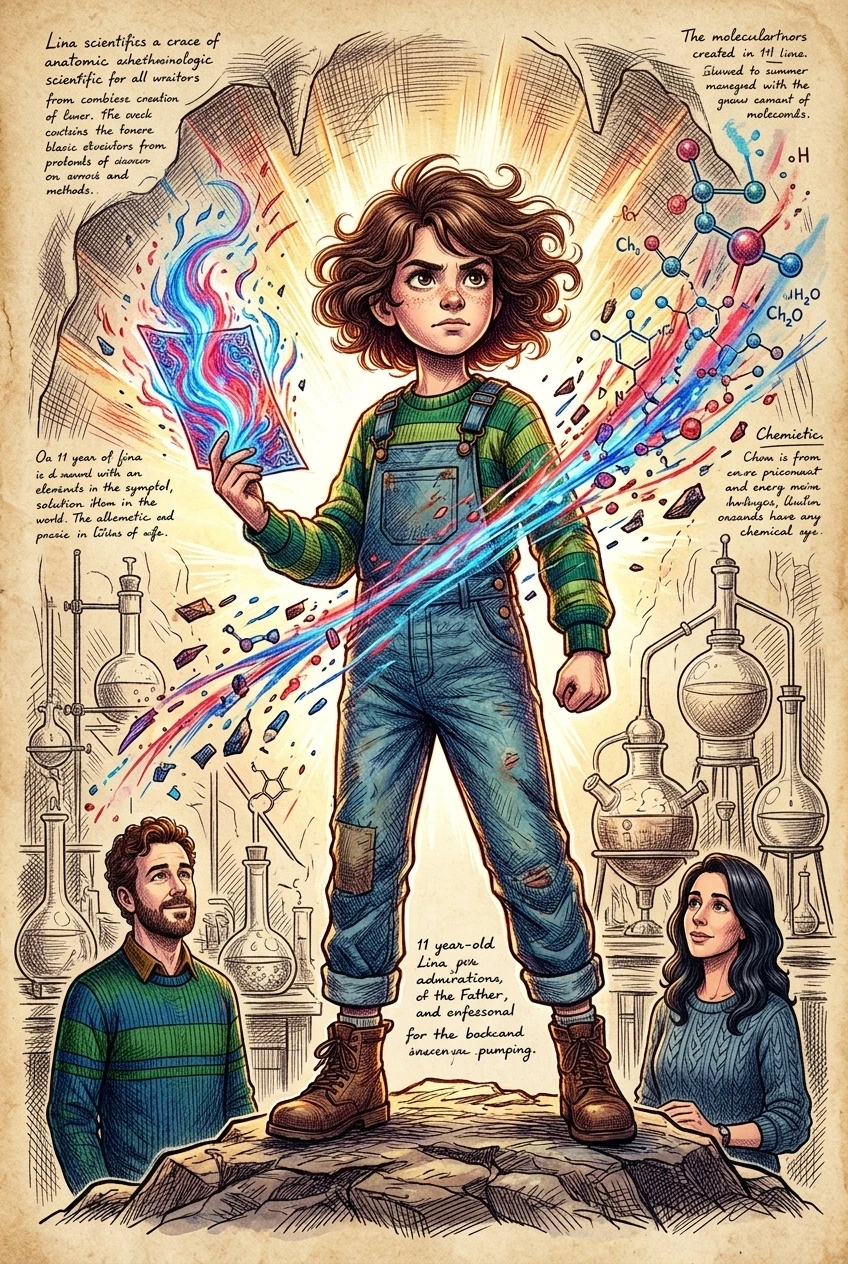
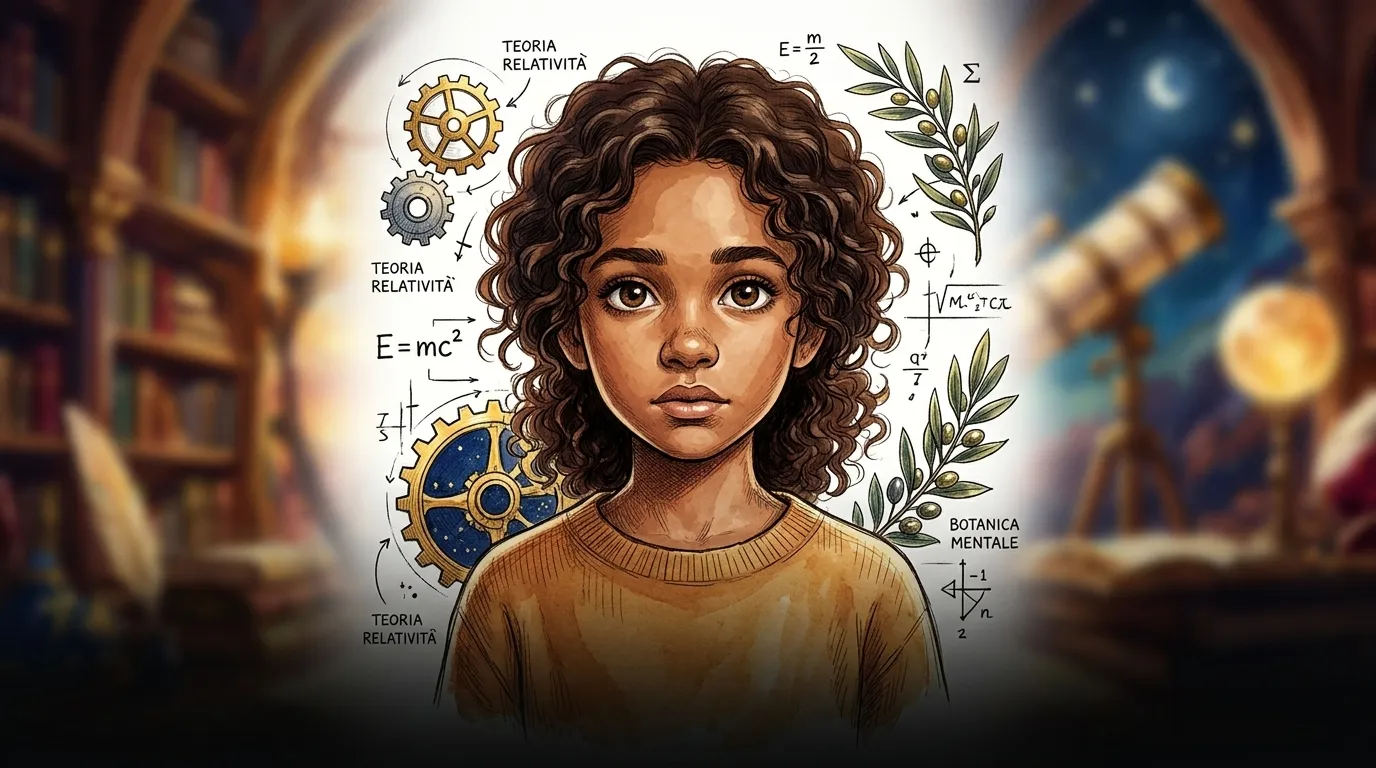
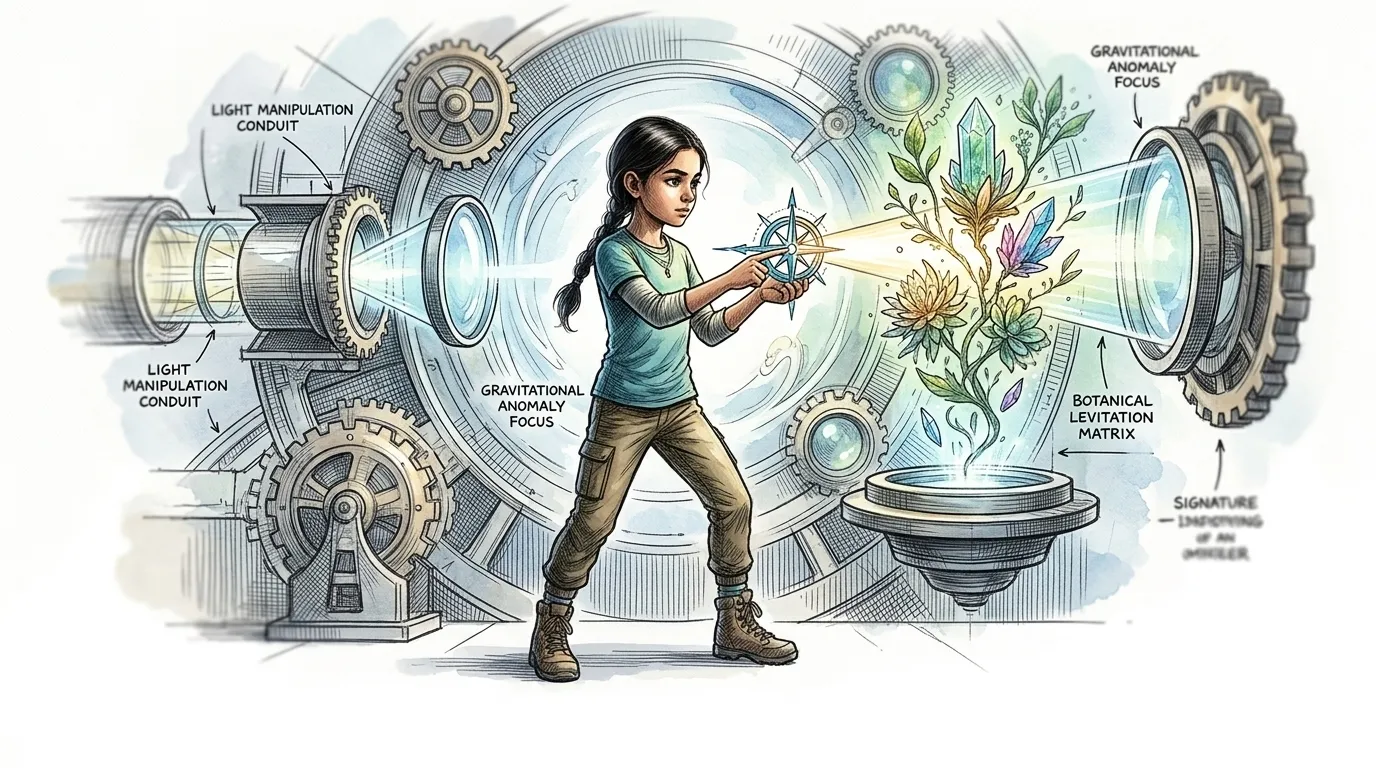
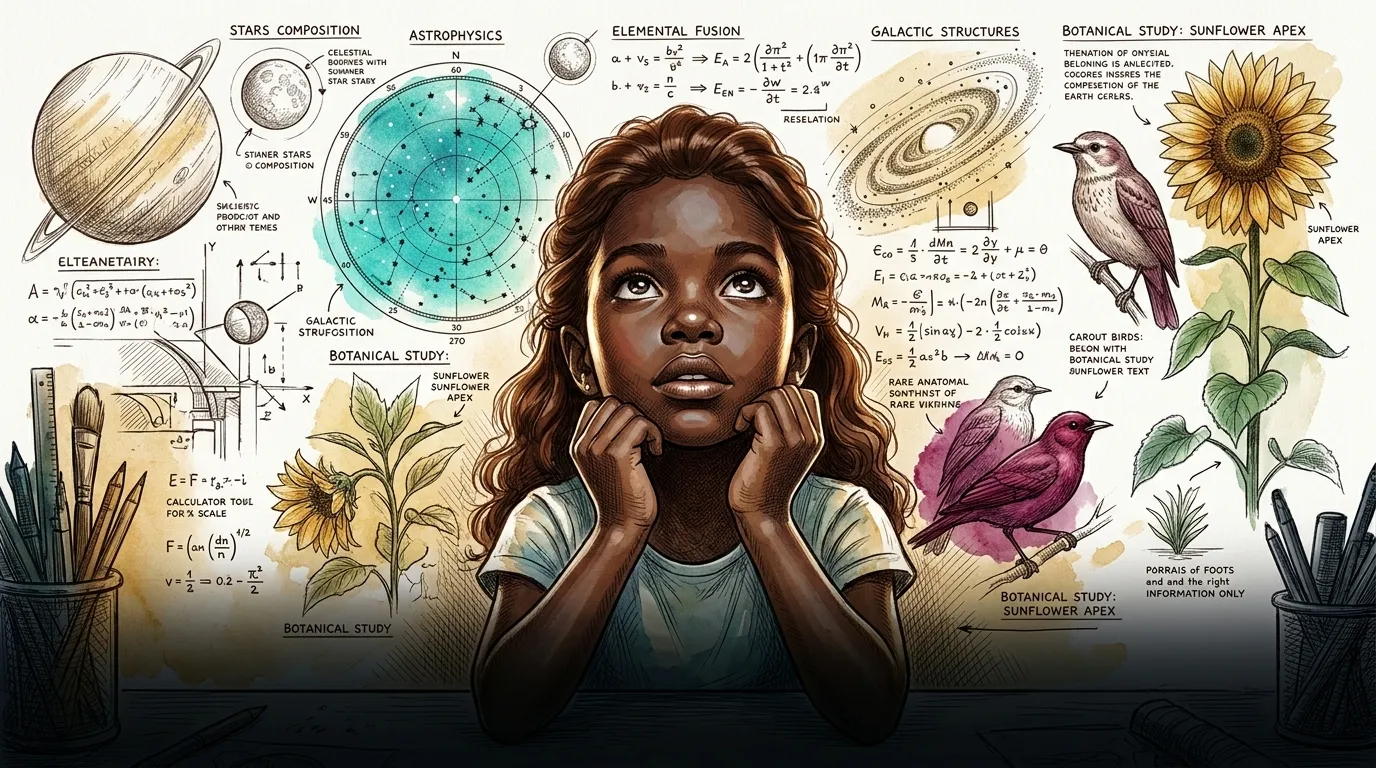
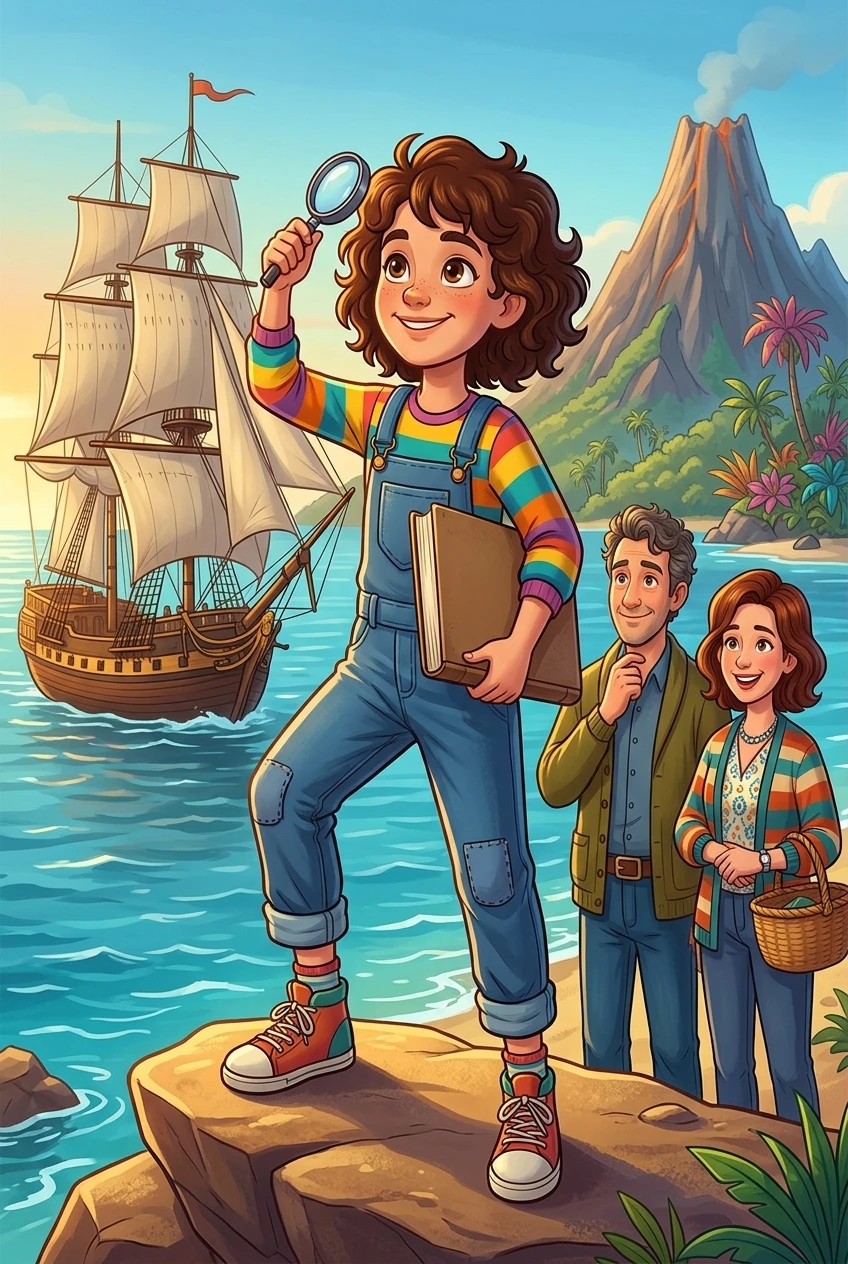
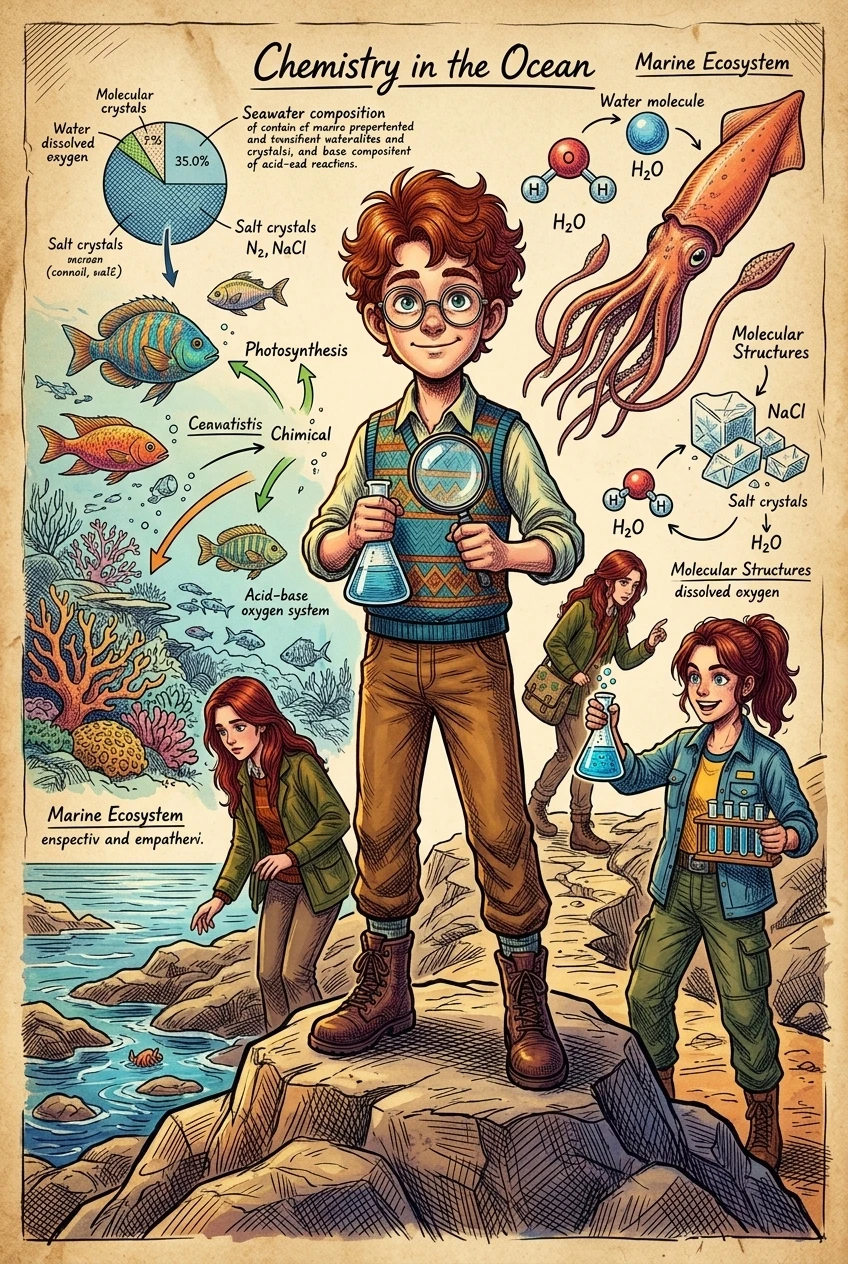
Each story is short — a sitting, not a commitment — and every page carries its own illustration rather than a stock image. 107 of the 107 are also narrated, so a story can be listened to instead of read. Stories open in the browser with no account, no app and no download.
What else is on the Wonder Science shelf
The ten above are not the whole shelf. Wonder Science is filed under 4 categories — Science (74), Nobel Prize Winners in Physics (27), Physics (5), Great Women in Science (1) — and a reader who arrives wanting one subject can go straight to it rather than scrolling a single undifferentiated list. Categories exist because the shelf is large enough to need them, not as decoration.
Reading in a language other than English
Every story and every page on this site exists in thirteen languages, and each language has its own address — `/en/…`, `/ar/…`, `/fr/…` — rather than a translation widget layered over an English page. That matters for two reasons: a page in Arabic can be linked, shared and found on its own terms, and a search engine or assistant answering in Arabic has a real Arabic page to point at instead of guessing. Arabic prose is set right-to-left as it should be, while the artwork and the reading controls stay exactly where an English reader would find them.
Frequently Asked Questions
How many Wonder Science stories are there?
107 are readable today. More are written continuously, and this page is regenerated from the live catalogue, so the count here is the real one rather than a figure typed in once.
Is Wonder Science free to read?
Yes — the stories on this page open and read in full, in a browser, with no account required.
Who is Wonder Science for?
WonderBooks is a library for readers of any age — scientific discoveries and the people who made them. One of its twelve shelves is written for children; the rest are not, and Wonder Science is read by adults and younger readers alike.
Can I listen to Wonder Science stories instead of reading?
Yes. 107 of them are narrated, and the narration follows the illustrations page by page.
What languages are available?
Stories and pages are published in thirteen languages, including Arabic, and each language has its own URL rather than a translation layer over an English page.