Top 5 Wonder Science Stories About Great Women in Science
Five real, illustrated Wonder Science stories about great women in science — ranked, with a real cover and description for each, out of 31 in the category.
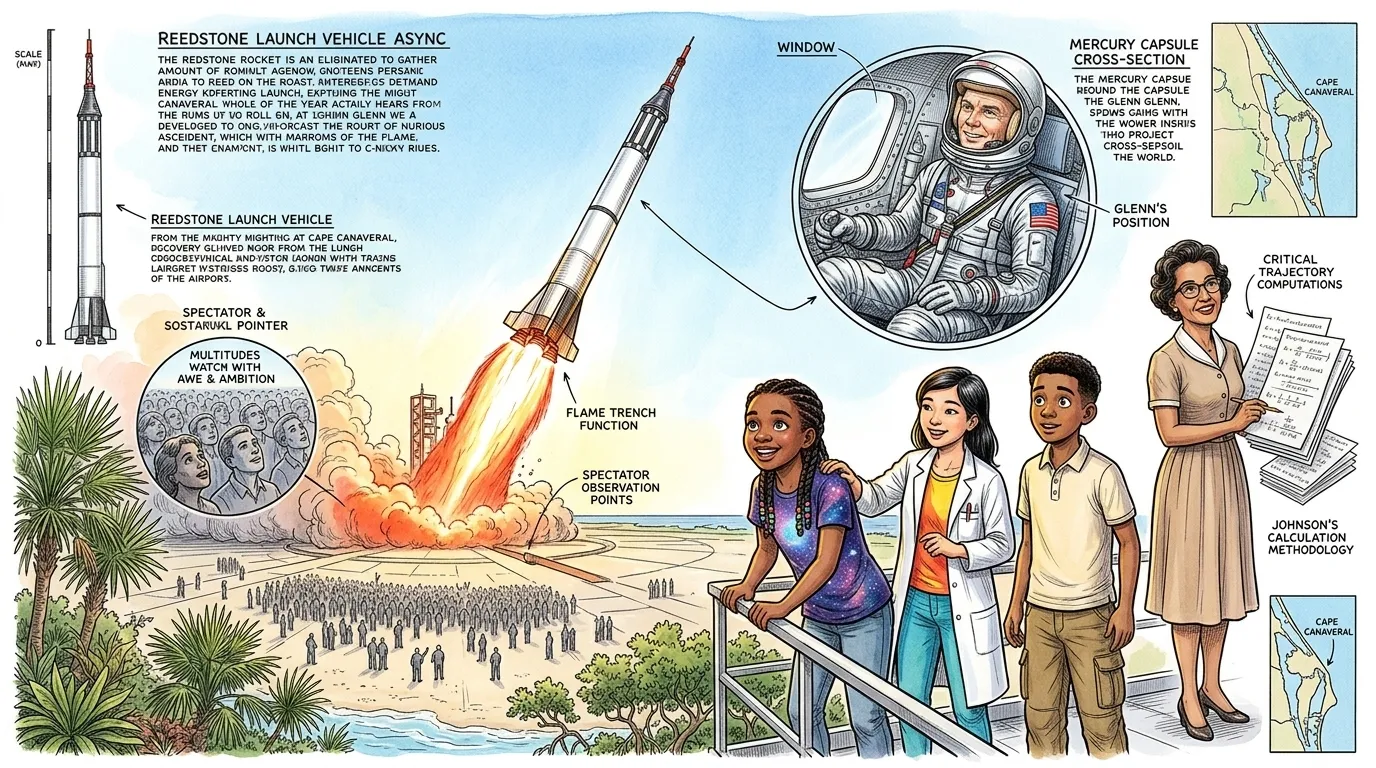
Wonder Science currently has 31 illustrated stories filed under Great Women in Science. These five are a real, representative starting point — not the whole shelf, but enough to know if the category is for you.
About Great Women in Science
Women make up a small fraction of Nobel laureates in the sciences — only a handful across more than a century of physics prizes — a gap that reflects historical access to education and laboratories far more than any shortage of major discoveries actually made by women. Marie Curie remains the only person, of any gender, to win Nobel Prizes in two different sciences.
Beyond the Nobel record, the history of science includes a well-documented pattern of women's discoveries being credited to male supervisors or collaborators at the time — Chien-Shiung Wu's 1956 parity experiment and Jocelyn Bell Burnell's 1967 pulsar discovery are two of the most frequently cited examples by historians of science. Telling these stories accurately means naming both the discovery and, honestly, how it was credited.
The Five, Ranked
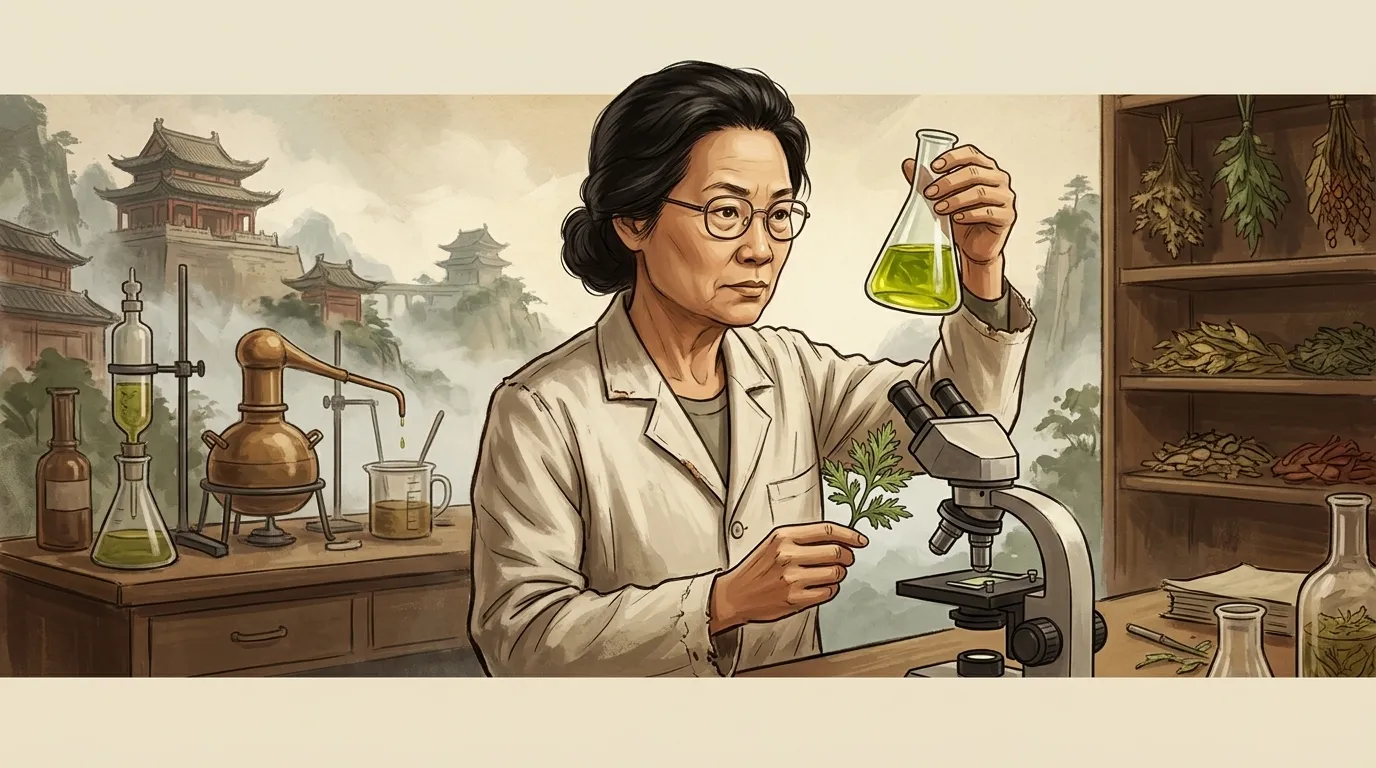
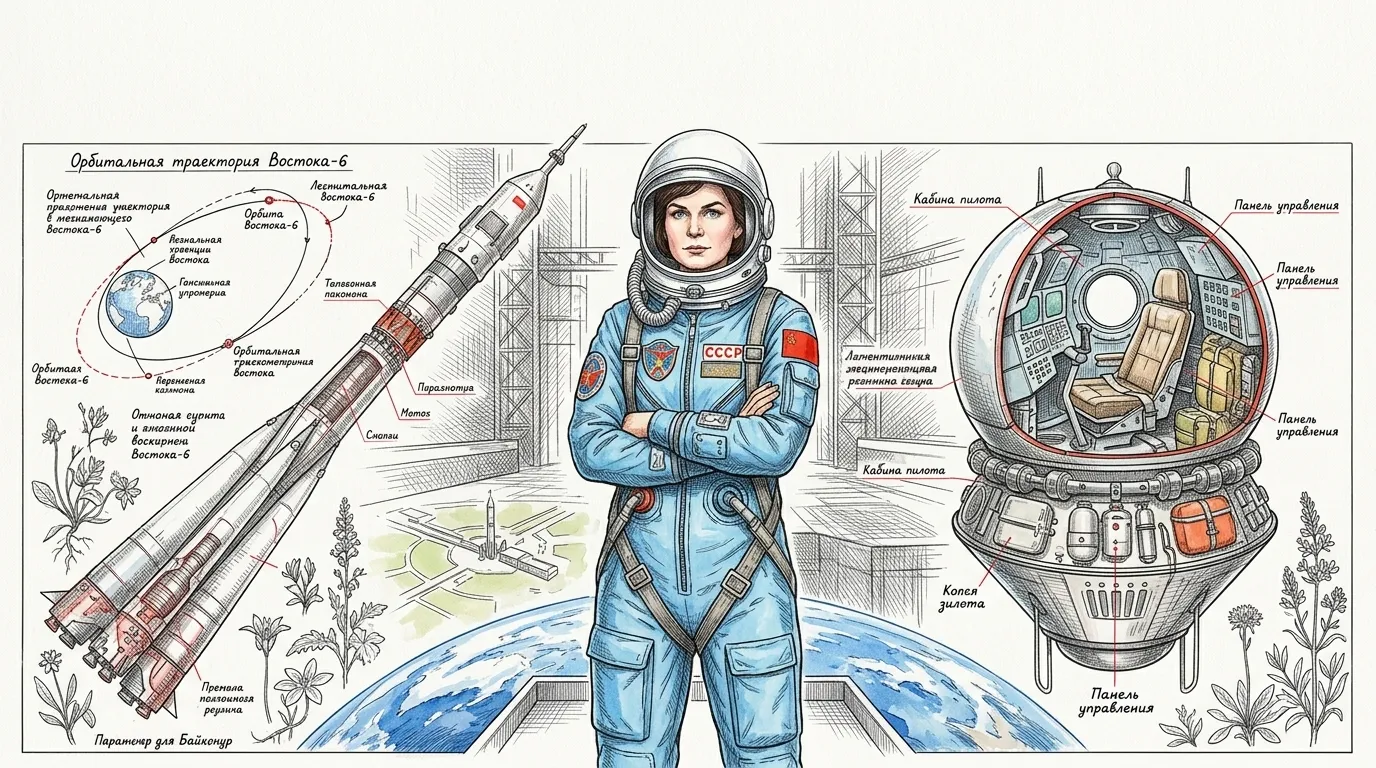
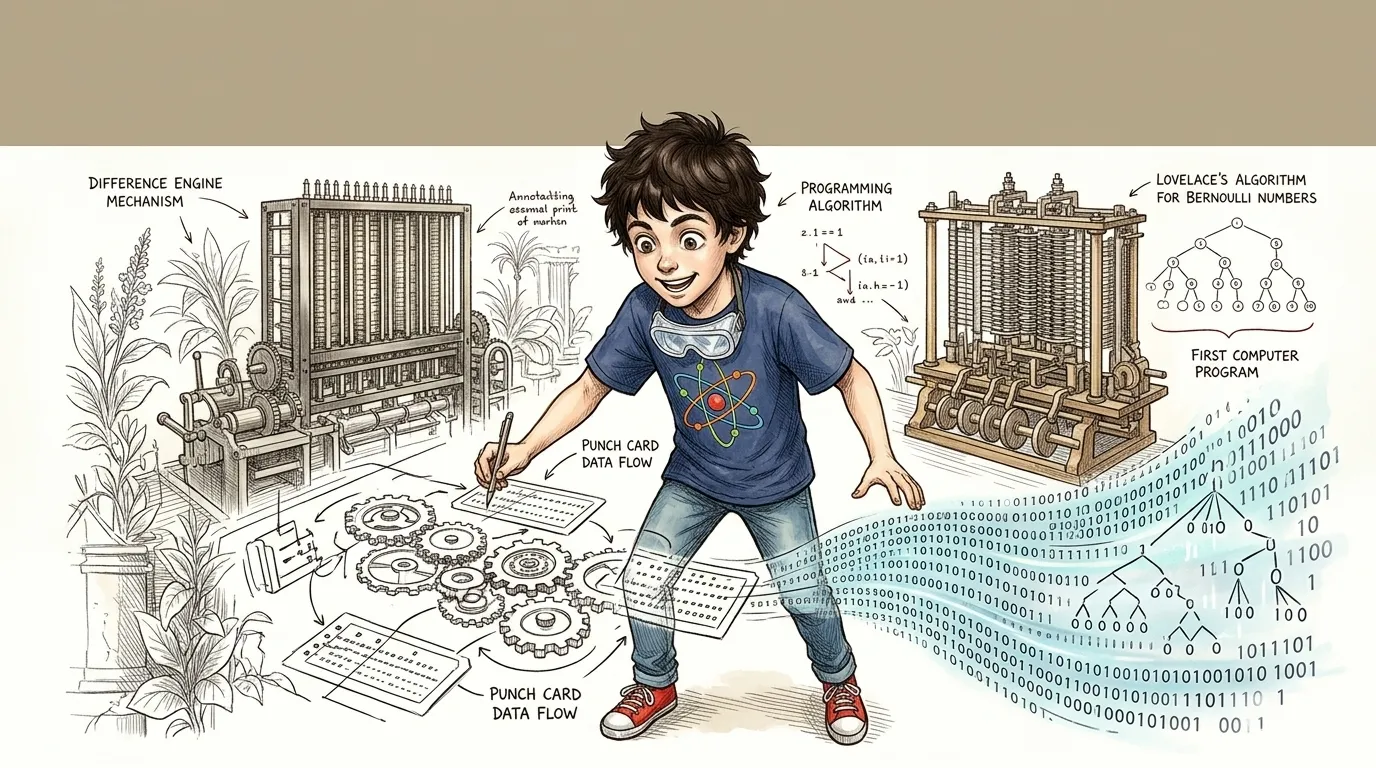
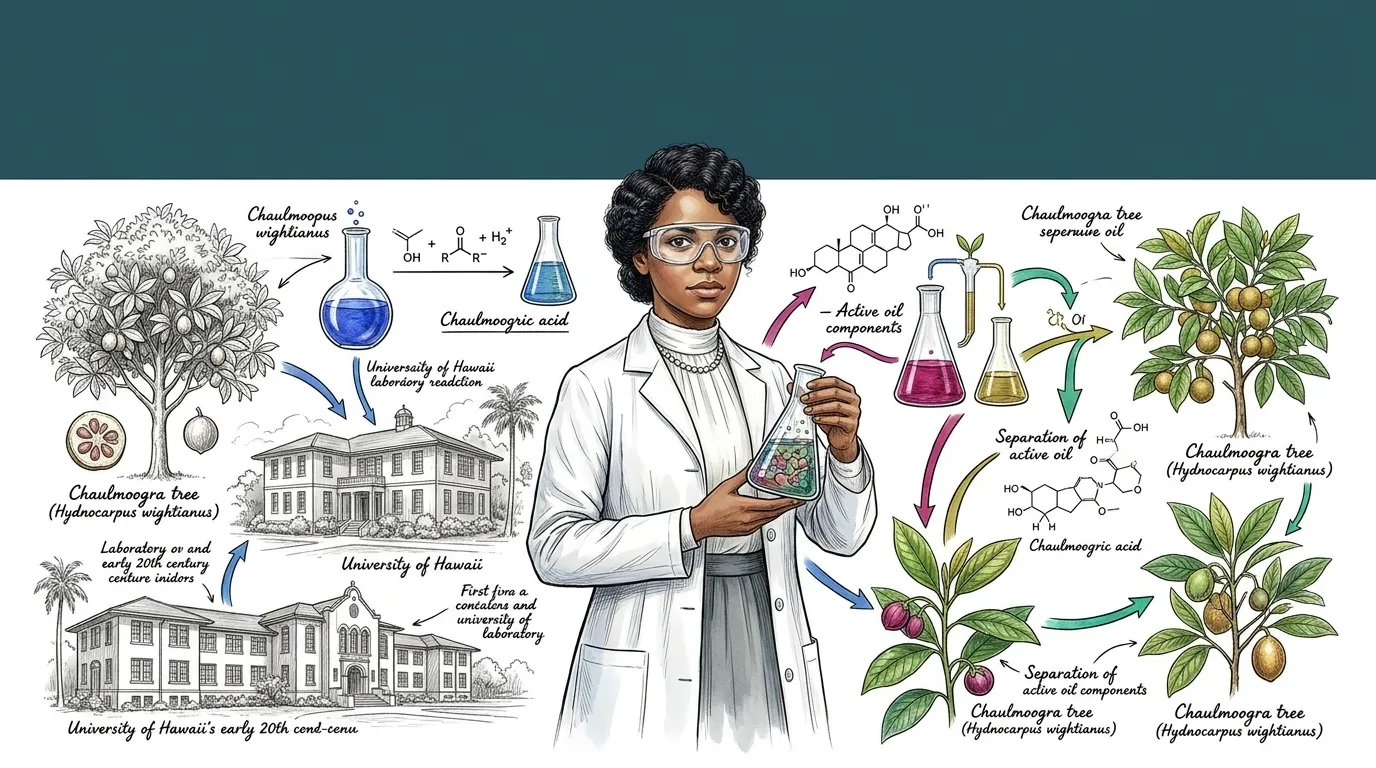
Illustrated and narrated
Every one of these is a full illustrated story, not a summary — real page-by-page artwork with narrated audio built for the same page, in the same production pipeline used across all twelve WonderBooks libraries. Narration is measured-true for English today, with French, German, Spanish and Italian in production — every story's text is translated more broadly than that. See the FAQ below for the exact, current state rather than a blanket claim.
Frequently Asked Questions
Does this category only cover Nobel Prize winners?
No — it includes major discoveries and careers regardless of whether the Nobel committee credited them at the time.
Is this the same as the Nobel Prize Winners in Physics category?
They overlap in places but are separate categories — this one is organized around the scientist, not the prize.
Are these stories suitable for kids?
Yes — Wonder Science's kids shelf tells these as age-appropriate illustrated stories; an adult-level shelf covers the same figures in more depth.