Top 5 Wonder Philosophy Stories About Power & Justice
Five real, illustrated Wonder Philosophy stories about power & justice — ranked, with a real cover and description for each, out of 13 in the category.
Wonder Philosophy currently has 13 illustrated stories filed under Power & Justice. These five are a real, representative starting point — not the whole shelf, but enough to know if the category is for you.
About Power & Justice
Political philosophy's central questions — what makes authority legitimate, what a fair distribution of power actually looks like, when resistance to power is justified — have been argued continuously since antiquity, and the same core disagreements resurface in nearly every era's political conflicts, just with different specifics.
What separates this category's approach from a straightforward history of politics is its focus on the underlying argument rather than the outcome — not just what happened, but what reasoning was actually used to justify it, and whether that reasoning holds up.
The Five, Ranked
Achille Mbembe →
Achille Mbembe — an illustrated story from Wonder Philosophy, free to read.

Cicero →
Cicero — an illustrated story from Wonder Philosophy, free to read.
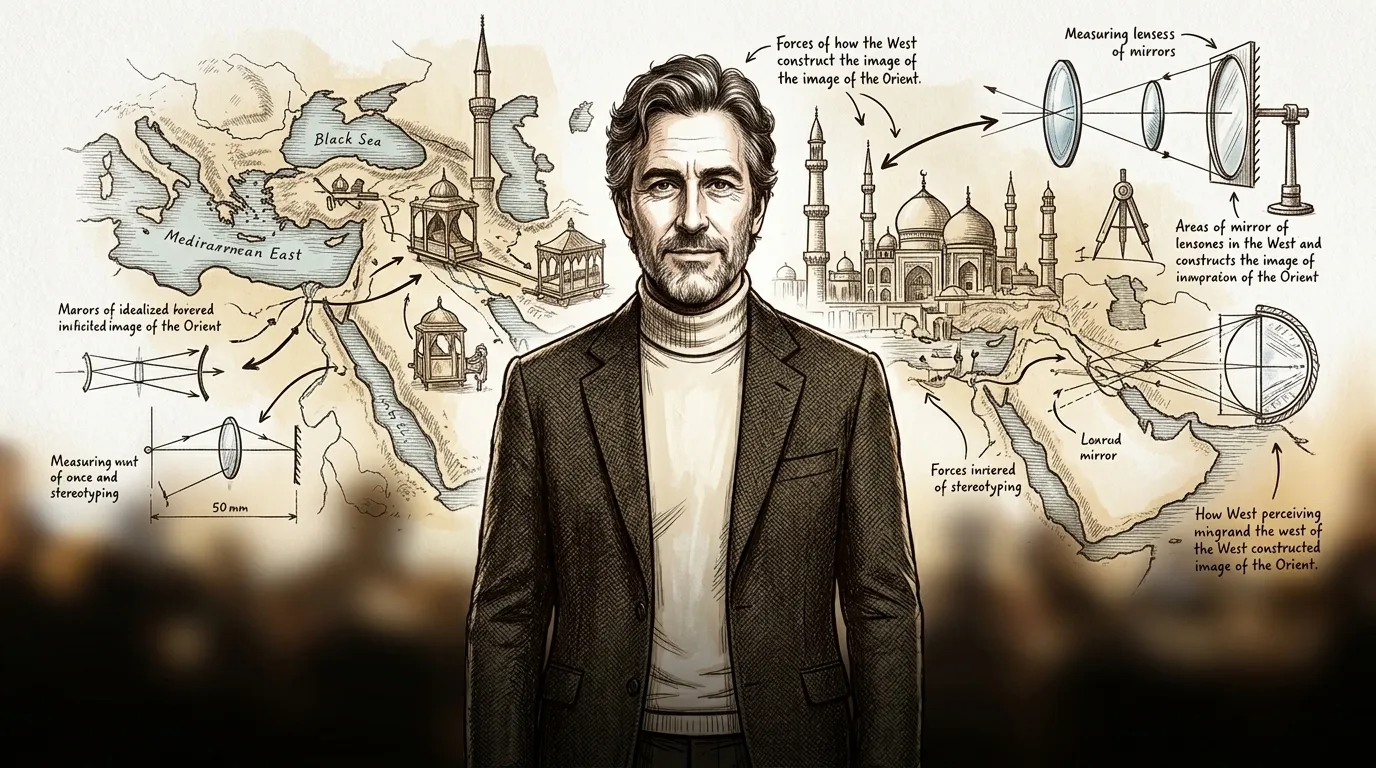
Edward Said →
Edward Said — an illustrated story from Wonder Philosophy, free to read.

Han Feizi →
Han Feizi — an illustrated story from Wonder Philosophy, free to read.

Jean Baudrillard →
Jean Baudrillard — an illustrated story from Wonder Philosophy, free to read.
Illustrated and narrated
Every one of these is a full illustrated story, not a summary — real page-by-page artwork with narrated audio built for the same page, in the same production pipeline used across all twelve WonderBooks libraries. Narration is measured-true for English today, with French, German, Spanish and Italian in production — every story's text is translated more broadly than that. See the FAQ below for the exact, current state rather than a blanket claim.
Frequently Asked Questions
Does this category take political sides?
No — it presents the philosophical arguments and their historical context, not a current political position.
Is this connected to Wonder History's political categories?
They're related but distinct — Wonder History covers events; Wonder Philosophy covers the underlying ideas and arguments.
Are these classical or modern philosophical ideas?
The category spans both classical and modern political philosophy.