Top 5 Wonder Philosophy Stories About Happiness & Peace
Five real, illustrated Wonder Philosophy stories about happiness & peace — ranked, with a real cover and description for each, out of 7 in the category.

Wonder Philosophy currently has 7 illustrated stories filed under Happiness & Peace. These five are a real, representative starting point — not the whole shelf, but enough to know if the category is for you.
About Happiness & Peace
What happiness actually consists of — pleasure, the absence of suffering, a life well-lived by some external standard — has been argued over since antiquity, with schools like Stoicism and Epicureanism (often confused with each other, despite proposing very different answers) still directly shaping modern self-help and wellbeing advice.
This category also covers inner and social peace as philosophical questions in their own right — not simply the absence of conflict, but what a genuinely peaceful state, internal or collective, actually requires.
The Five, Ranked
Aristotle →
Aristotle — an illustrated story from Wonder Philosophy, free to read.
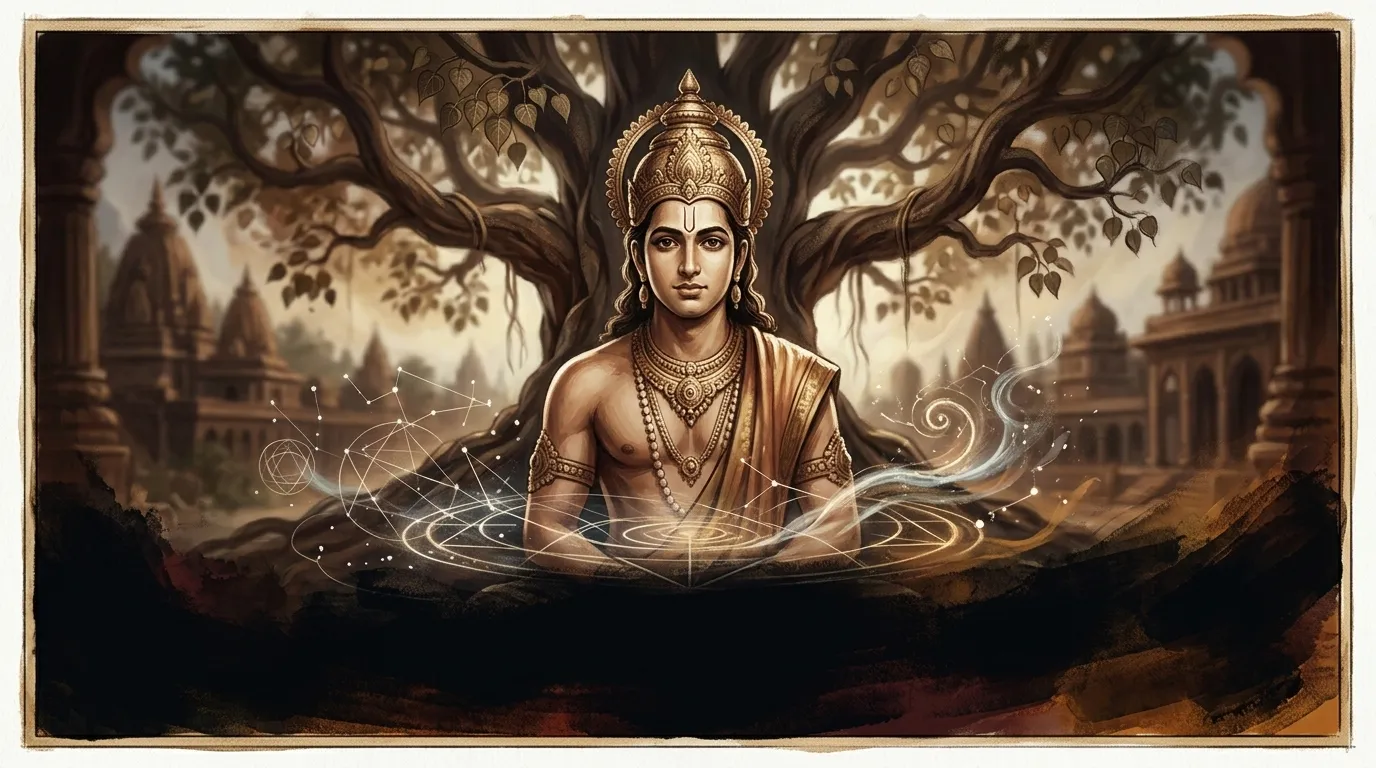
Buddha →
Buddha — an illustrated story from Wonder Philosophy, free to read.

Byung-Chul Han →
Byung-Chul Han — an illustrated story from Wonder Philosophy, free to read.
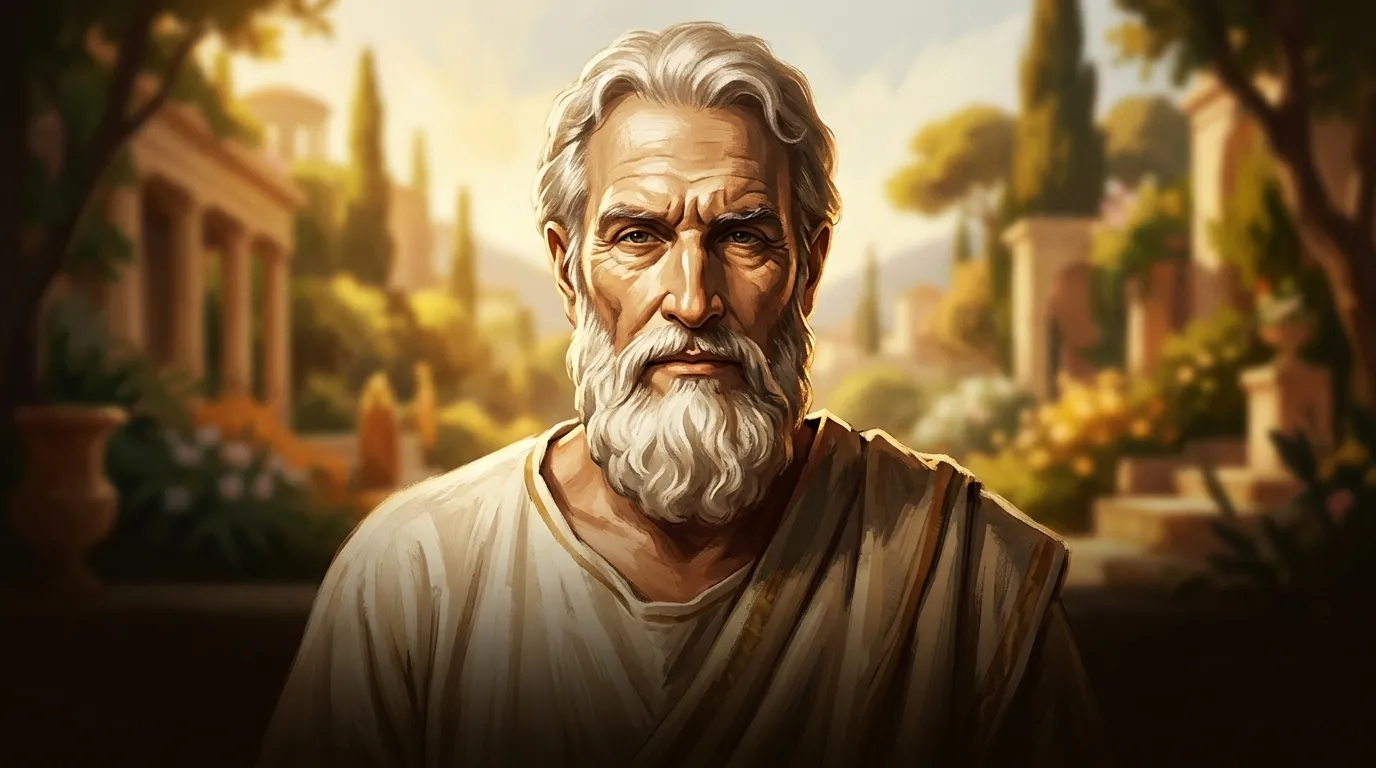
Epicurus →
Epicurus — an illustrated story from Wonder Philosophy, free to read.

Laozi →
Laozi — an illustrated story from Wonder Philosophy, free to read.
Illustrated and narrated
Every one of these is a full illustrated story, not a summary — real page-by-page artwork with narrated audio built for the same page, in the same production pipeline used across all twelve WonderBooks libraries. Narration is measured-true for English today, with French, German, Spanish and Italian in production — every story's text is translated more broadly than that. See the FAQ below for the exact, current state rather than a blanket claim.
Frequently Asked Questions
Is Stoicism the same as being emotionless?
No — that's a common misconception; Stoic philosophy is specifically about which things are within your control, not about suppressing emotion.
Does this category give practical advice?
It explains the philosophical ideas and their historical development; readers can draw their own practical conclusions.
Are ancient and modern ideas both covered?
Yes — from ancient Greek schools of thought through their modern influence.