Top 5 Wonder Philosophy Stories About Meaning & Purpose
Five real, illustrated Wonder Philosophy stories about meaning & purpose — ranked, with a real cover and description for each, out of 11 in the category.

Wonder Philosophy currently has 11 illustrated stories filed under Meaning & Purpose. These five are a real, representative starting point — not the whole shelf, but enough to know if the category is for you.
About Meaning & Purpose
Questions about what makes a life meaningful sit at the center of philosophy across nearly every tradition — from ancient Stoic and Epicurean answers to existentialist responses developed in the 20th century, each proposing a different account of what purpose actually is and where it comes from.
These aren't settled questions with a single accepted answer — part of what makes the category worth reading is seeing how differently equally serious thinkers have answered the same question, often reaching conclusions that directly contradict each other.
The Five, Ranked
Albert Camus →
Albert Camus — an illustrated story from Wonder Philosophy, free to read.

Friedrich Nietzsche →
Friedrich Nietzsche — an illustrated story from Wonder Philosophy, free to read.
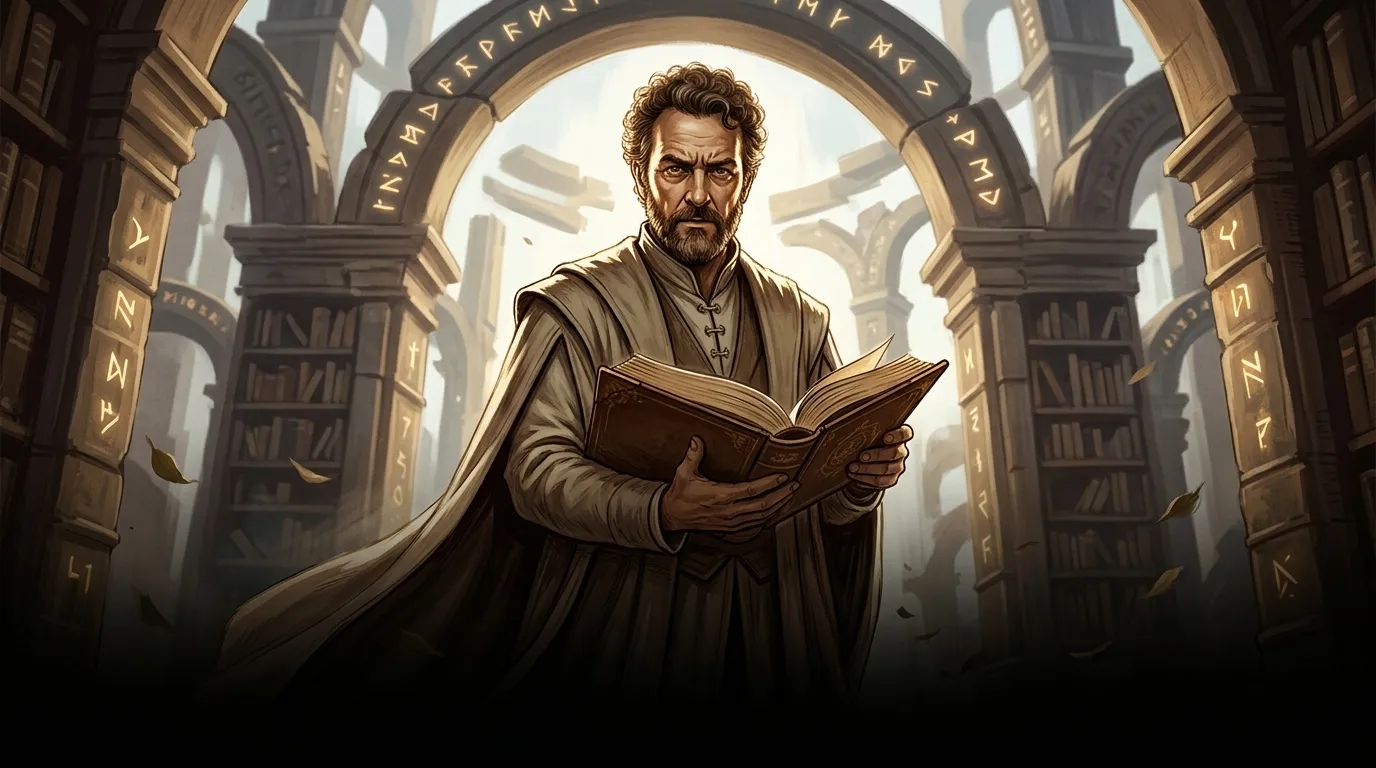
Iris Murdoch →
Iris Murdoch — an illustrated story from Wonder Philosophy, free to read.
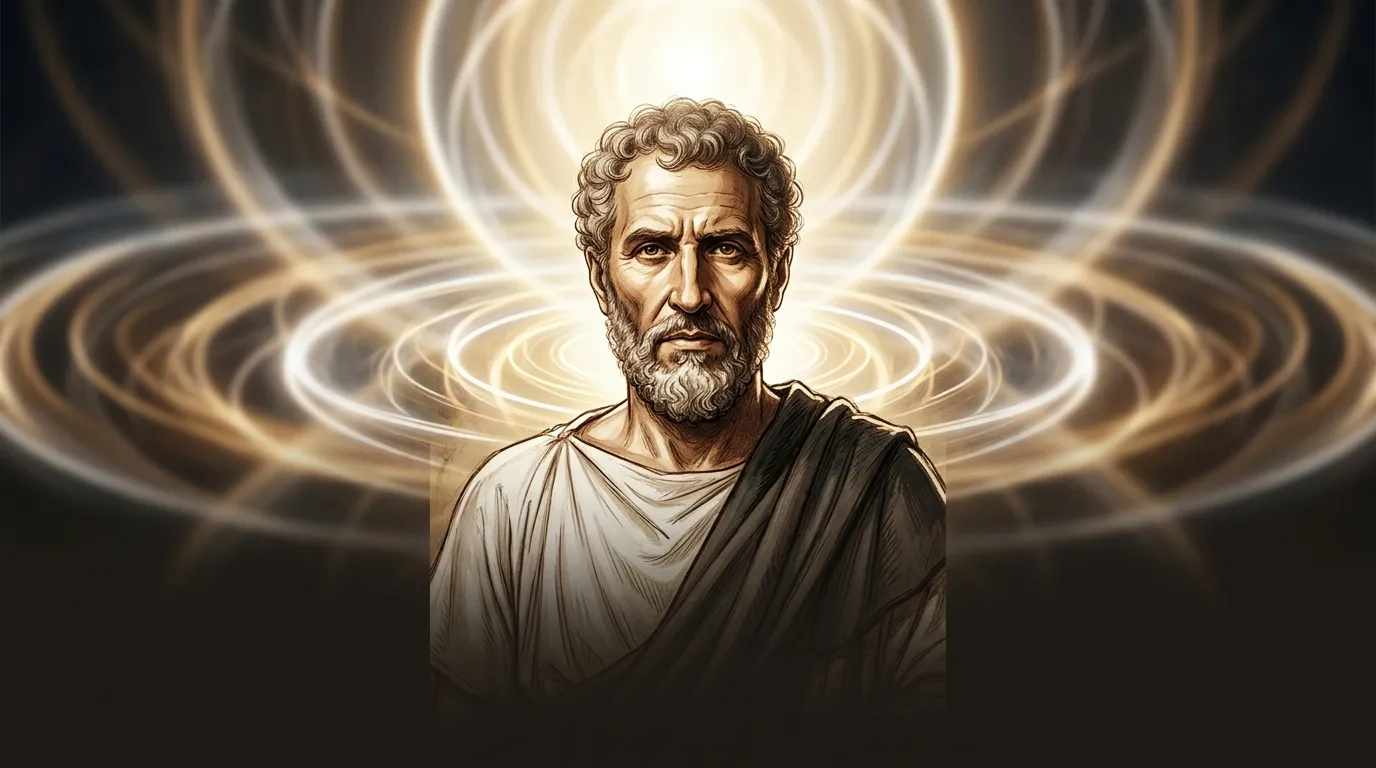
Plotinus →
Plotinus — an illustrated story from Wonder Philosophy, free to read.

Ramanuja →
Explore Ramanuja’s Vishishtadvaita, which presents a loving divine reality, a meaningful world, and devotion as a path to liberation.
Illustrated and narrated
Every one of these is a full illustrated story, not a summary — real page-by-page artwork with narrated audio built for the same page, in the same production pipeline used across all twelve WonderBooks libraries. Narration is measured-true for English today, with French, German, Spanish and Italian in production — every story's text is translated more broadly than that. See the FAQ below for the exact, current state rather than a blanket claim.
Frequently Asked Questions
Does Wonder Philosophy present one answer to these questions?
No — it presents multiple philosophical traditions and their different answers, rather than endorsing a single one.
Is this religious or secular philosophy?
The category includes both religious and secular philosophical traditions.
How are these stories structured?
Each story explains one idea or tradition through a real, illustrated scenario rather than abstract argument alone.